Effective bed bug management relies on a disciplined combination of sustained heat, thorough mechanical removal, and reliable physical barriers — not on shortcuts or unproven remedies. After two decades inspecting infestations in apartments, hotels, and single‑family homes, I have seen that homeowners who understand the insect’s biology and follow a step‑by‑step thermal and containment protocol consistently achieve elimination, while those who chase quick fixes waste months and often spread the problem.
Understanding Bed Bug Biology and Why Partial Treatments Fail
Bed bugs are obligate blood feeders that spend roughly ninety‑five percent of their lives hidden in cracks, seams, and voids. A mature female deposits one to five eggs each day, cementing each pearl‑white, one‑millimeter egg to fabric, wood, or paper with a water‑resistant adhesive that resists brushing or washing. Nymphs must take a blood meal to molt through five instars before reaching reproductive adulthood. In my field work, I've found colonies behind electrical outlet plates, inside hollow bed legs, and between the pages of books stacked near beds. What I tell clients first: this biology means partial treatments always fail; kill ninety‑nine percent of a population and the survivors rebuild within weeks.
The insects locate hosts by detecting carbon dioxide and body heat from several feet away, which draws them to sleeping areas. They do not jump or fly, yet they crawl three to four feet per minute and can squeeze into gaps as thin as a credit card. adult bed bugs can survive roughly a year without feeding; nymphs endure several weeks to months depending on temperature and humidity. This endurance makes “waiting them out” impossible — you must actively eliminate every life stage or accept eventual professional intervention.
Heat and Steam: The Core Thermal Tools
Heat works because it penetrates hiding spots that mechanical methods cannot reach, but brief or uneven heating fails. Bed bugs die when their body temperature reaches approximately 113 °F (45 °C) sustained for ninety minutes, or 120 °F (49 °C) for shorter periods; eggs require slightly longer exposure because the cemented shell insulates the embryo. Your clothes dryer is the most reliable DIY heat tool. I often see homeowners stop cycles early, assuming dry fabric means dead bugs — it does not. Run infested items on the highest heat setting for forty‑five to sixty minutes after the load reaches dryness; the sustained temperature matters, not just the peak. Transfer items immediately into sealed plastic bags or bins, because reinfestation from escaped survivors is common when laundry sits in open baskets.
Washing alone does not kill bed bug eggs. The adhesive binding eggs to fabric resists water penetration, and standard wash temperatures rarely exceed 130 °F even on “hot” settings — insufficient for reliable embryo mortality. The dryer provides the lethal thermal dose. For non‑washable items such as shoes, purses, or small electronics, consider commercial dry cleaning or prolonged bagging (see the isolation section below). Space heaters, hair dryers, and handheld heat guns fail for whole‑room treatment; residential units cannot raise entire room volumes to lethal temperatures evenly and create serious fire risks when operated unattended. I investigated one apartment fire caused by a homeowner who left a kerosene heater running overnight. Professional heat treatment uses specialized recirculating equipment, temperature probes in wall voids, and trained technicians — not consumer appliances.
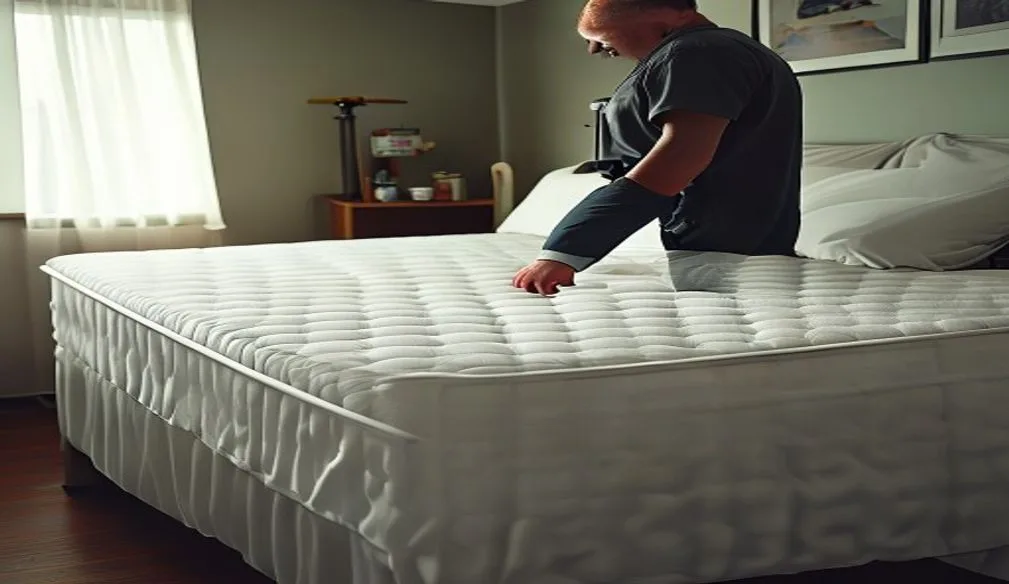
Steam fills the gap between laundry‑scale heat and whole‑room professional systems. A quality steamer producing dry vapor above 200 °F (93 °C) kills bed bugs and eggs on direct contact, but steam only kills what it touches. What homeowners miss most is steam application technique: move the nozzle slowly — about one inch per second — to allow heat penetration into materials. Rapid waving creates surface heat that dissipates before reaching hidden insects. Focus on mattress seams and tags, tufted buttons, box‑spring corners, headboard joints, and baseboard cracks; the narrow nozzle attachment concentrates thermal energy where bugs cluster. Allow treated surfaces to dry completely before installing encasements — trapping moisture promotes mold and degrades the seal. I typically recommend waiting four to six hours, or overnight when humidity is high.
Mechanical Removal, Encasements, and Isolation
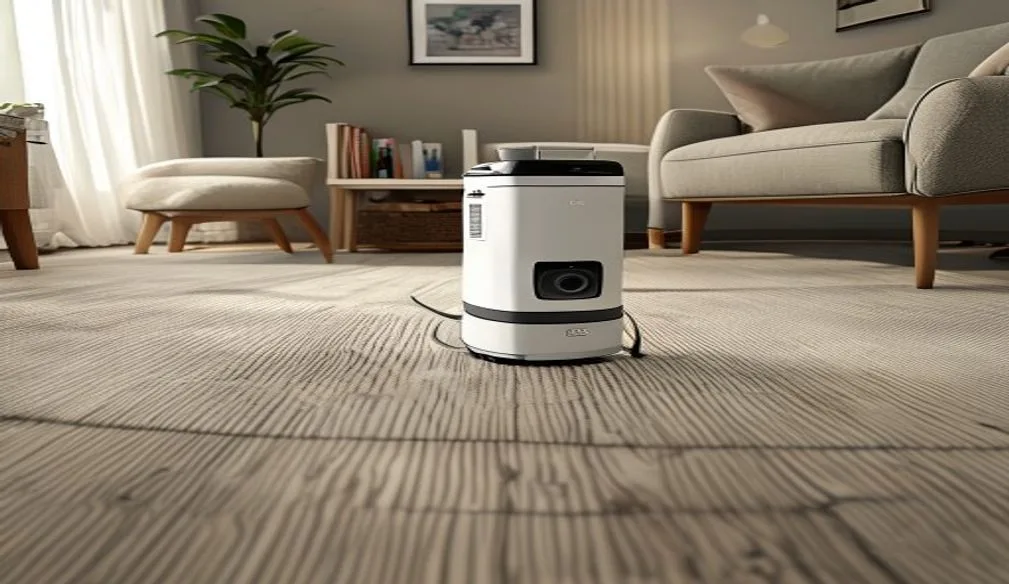
Vacuuming reduces population density and removes debris that shelters survivors. Use a vacuum with sealed HEPA filtration — standard bagless models can expel fine particles and live bugs through exhaust ports. Target mattress seams, box‑spring edges, bed‑frame crevices, headboard joints, baseboards, and carpet edges near sleeping areas. Immediately empty the canister or seal and discard the bag outdoors. Vacuum daily during active treatment to capture newly hatched nymphs between heat applications.
Mattress and box‑spring encasements serve two purposes: trapping existing bugs inside until they starve, and preventing new infestations from establishing in these prime harborage sites. Select encasements specifically labeled bed‑bug‑proof, with zipper mechanisms that seal completely and fabric that resists penetration. Install only after inspecting and treating the mattress surface — sealing live bugs inside simply delays their eventual escape when the encasement tears or opens. Leave encasements undisturbed for at least eighteen months; adult bed bugs survive roughly a year without feeding under optimal conditions, and the extra margin ensures complete mortality. I tell clients to mark installation dates on their calendars — premature removal releases surviving insects back into the environment.
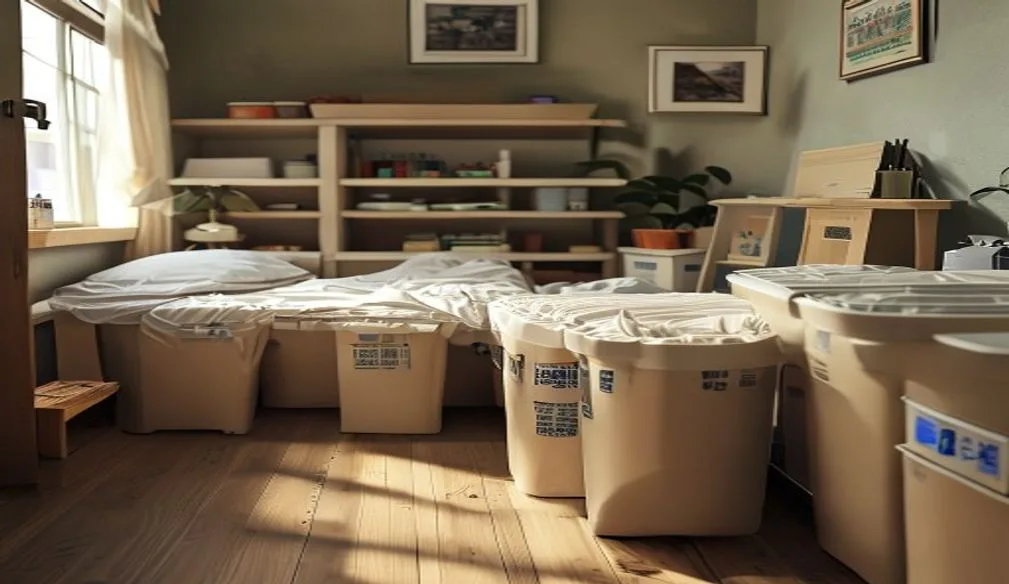
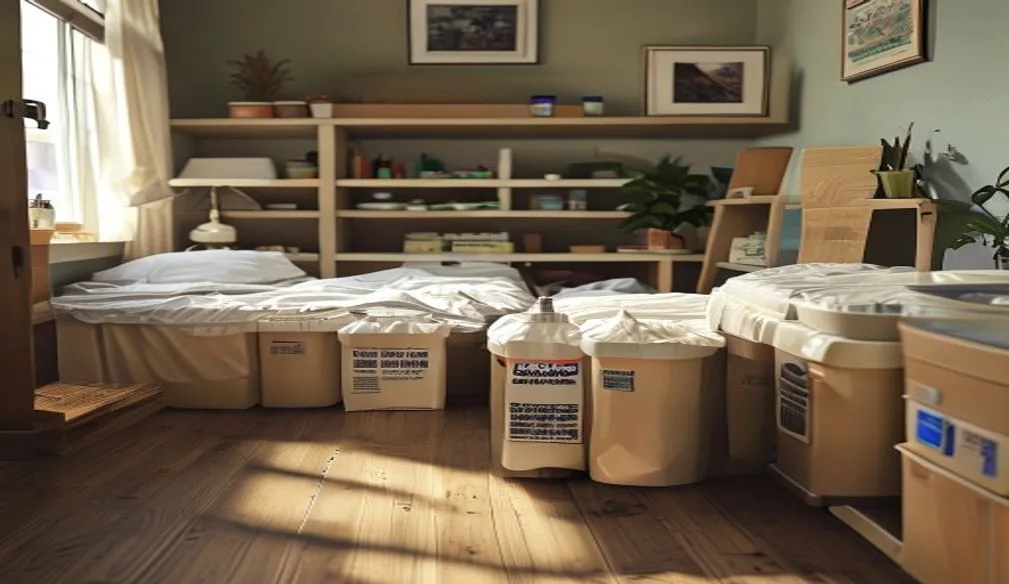
Not everything fits in a dryer. For items that cannot tolerate heat — electronics, certain footwear, books, decorative objects — sealed containment provides an alternative. Place items in heavy‑duty plastic bags or bins with tight‑fitting lids; the goal is exclusion, preventing bed bugs from accessing blood meals until they die. At typical room temperatures (70–75 °F) maintain isolation for twelve to eighteen months to ensure complete mortality. Cooler basements or storage areas extend this timeline. Some homeowners use chest freezers capable of holding 0 °F (‑18 °C) or below for several days, but most residential freezers cycle temperatures and create condensation risks. I generally recommend extended bagging over freezing unless you have laboratory‑grade equipment.
Common Pitfalls That Waste Time and Money
Many well‑intentioned efforts backfire because they rely on contact‑only or unproven tactics. The table below summarizes the approaches I see most often and why they fail in practice.
| Why It Fails in Practice | |
|---|---|
| Rubbing alcohol spray | Kills on direct contact but evaporates within seconds; no residual effect. Highly flammable — several fires annually from indoor use near ignition sources. |
| Essential oils (tea tree, lavender, peppermint) | Minimal repellency at best; no demonstrated mortality at household concentrations. Diverts effort from effective methods. |
| Discarding infested furniture | Spreads infestation to neighbors, waste handlers, and new locations. Treatment usually costs less than replacement. Illegal dumping citations in many jurisdictions. |
| Cold treatment (home freezer) | Residential freezers rarely maintain 0 °F consistently; temperature cycling allows survival. Condensation damages electronics and documents. |
In my field work, I often see homeowners rotate through three or four failed methods before calling professionals — by which time the infestation has spread to adjacent rooms. Early, systematic application of heat and containment prevents this escalation.
When to Bring in a Professional Heat Team
DIY methods work best for small, localized infestations detected early — typically limited to one sleeping area with minimal spread. Indicators that professional whole‑room heat treatment or other licensed approaches are warranted include:
Frequently Asked Questions
How do bed bug interceptors and monitors help manage infestations?
These devices trap bed bugs moving between harborages and beds, helping monitor activity and confirming whether treatments are reducing populations over time.
How do I identify bed bug bites vs other insect bites?
Bed bug bites often appear in a line or cluster, are intensely itchy, and may take a few days to show. Unlike flea bites, which are mainly around the ankles, bed bugs can occur on any exposed skin.
Common signs include small red bumps, possible swelling, and a central puncture mark. If you suspect bed bugs, capture a specimen or photograph bites and contact a pest professional for confirmation.
How can landlords prevent and manage bed bug infestations?
Landlords can reduce risks with clear lease clauses, routine inspections in high-turnover units, and prompt response to reports. Use integrated pest management and choose licensed professionals for inspections and treatments.
Document conditions before and after tenancy, communicate prevention steps to tenants, and coordinate with neighbors in multi-unit buildings to limit spread.
How do I prepare for a professional bed bug treatment?
Follow these steps to help a pest professional be effective and safe.
- Wash and dry infested clothing and linens on the hottest settings allowed.
- Declutter floors and surfaces to reduce hiding spots.
- Seal items you cannot treat in labeled plastic bags until they can be inspected or treated.
Discuss any health concerns or special needs with your pest control provider before treatment.