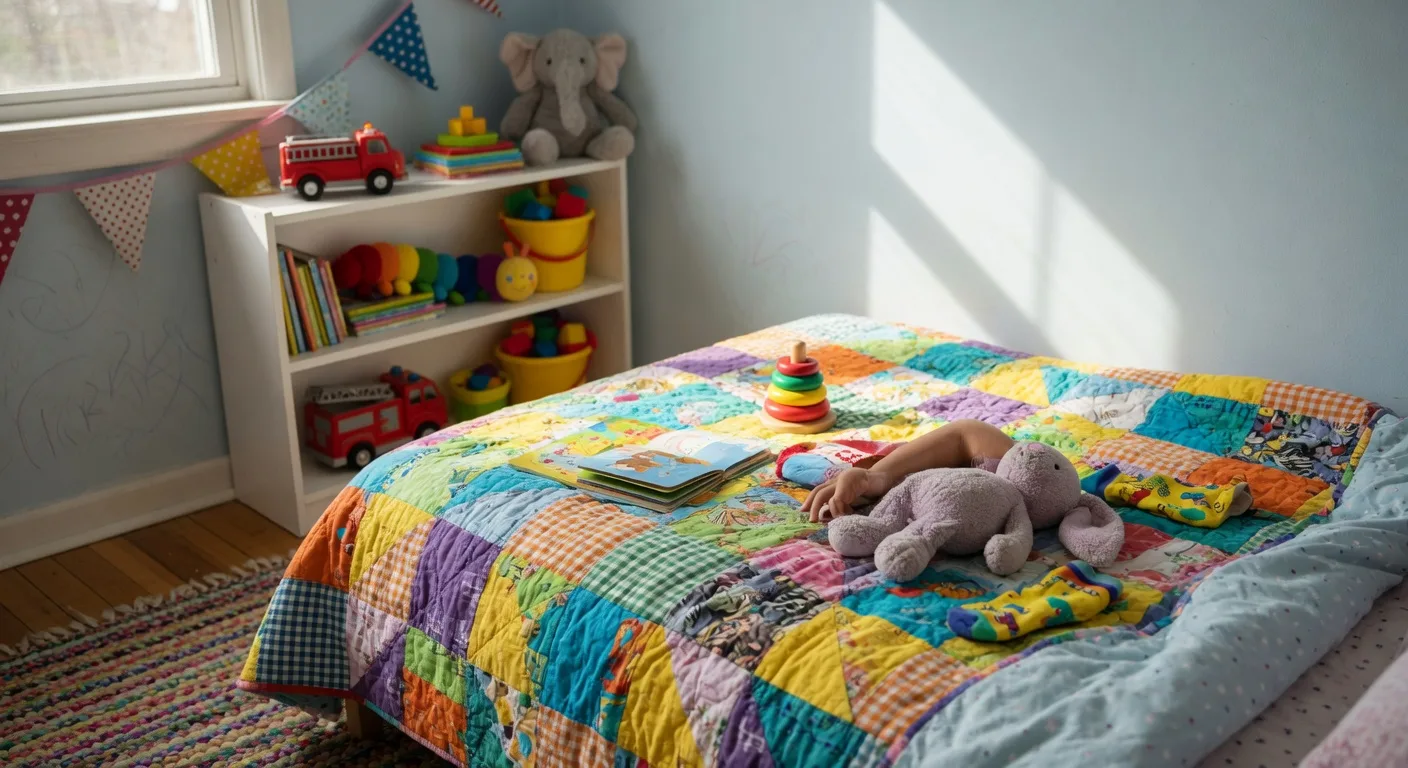
How to Find Bed Bugs: Step-by-Step Bedroom Search Guide
Finding bed bugs early is the difference between a contained problem and a whole-home infestation. The insects are flat, fast, and photophobic — they hide…
Category
Learn how to identify bed bugs at every stage — adults, eggs, shed skins, fecal stains on walls, and early warning signs. Start with our visual guide, then jump to wall, mattress, or bite-specific checklists.
14 articles in this category
These articles answer different identification questions. Start with the visual guide, then open the guide that matches what you are seeing (walls, mattress, eggs, or bites).
How to identify bed bugs in US homes: adult bugs, eggs, shed skins, bite patterns & where to look. Step-by-step visua…
How to find bed bugs in your bedroom: tools, mattress seams, headboard, walls & hotel checks. US step-by-step inspect…
Bed bug feces on walls: what droppings look like (photos), smear test, vs mold & dirt. US home inspection checklist f…
What does bed bug waste look like on walls and baseboards? Photos, color, size, smear test & vs dirt. US identificati…
Early warning signs of bed bugs: bites, blood spots, fecal stains on walls, shed skins & odor. Bedroom & hotel checkl…
How to identify bed bugs on walls: fecal spots, stains, smear test & outlet hiding spots. Step-by-step US wall inspec…
How to identify bed bug eggs on white sheets — On white sheets, bed bug eggs appear as tiny, oval, whitish specks. Th…
Can bed bugs live in memory foam? They hide on seams & edges—not inside foam. Inspection, encasements & treatment for…
Finding bed bugs early is the difference between a contained problem and a whole-home infestation. The insects are flat, fast, and photophobic — they hide…
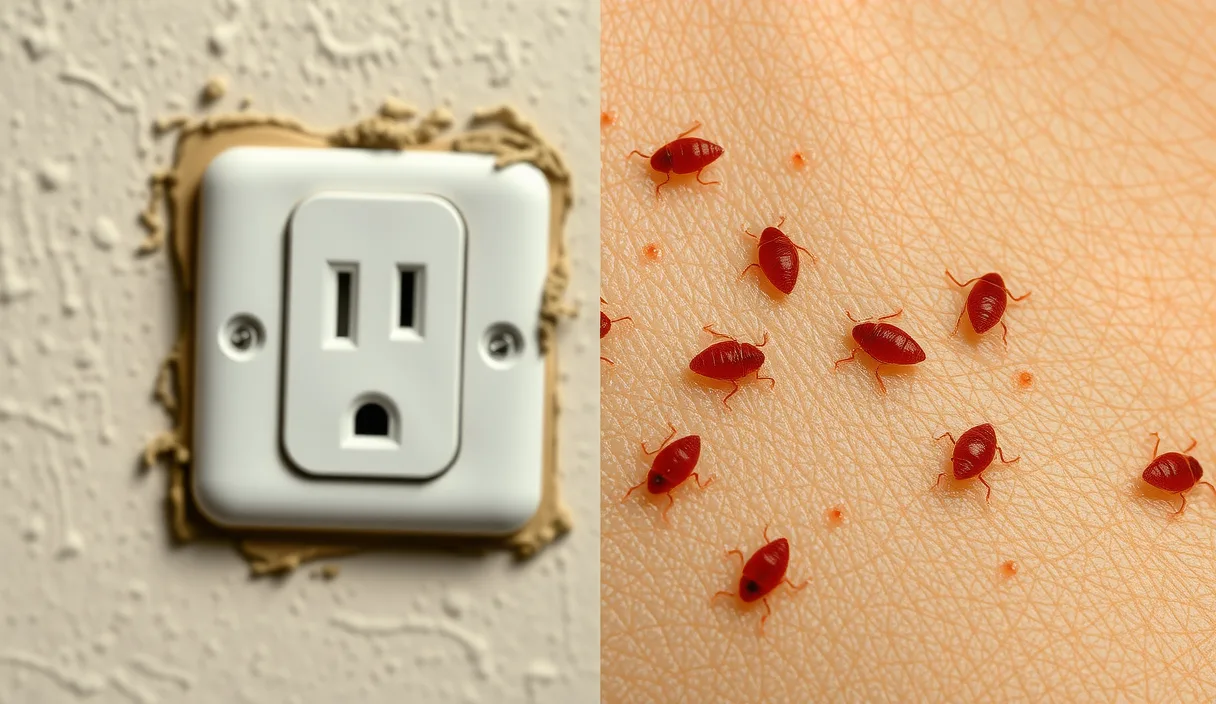
How to Tell If Black Spots Are Bed Bug Feces or Mold — U.S. bed bug guide for homeowners and travelers.
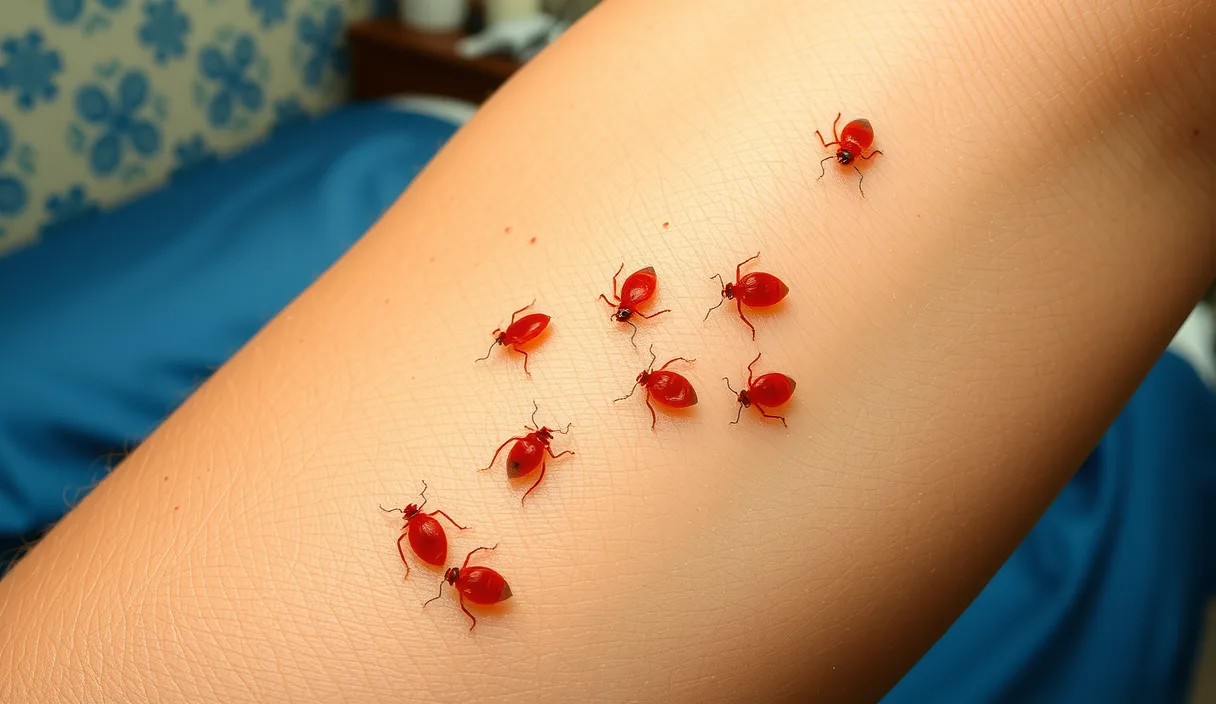
What Does Bed Bug Waste Look Like on Walls and Baseboards? — U.S. bed bug guide for homeowners and travelers.
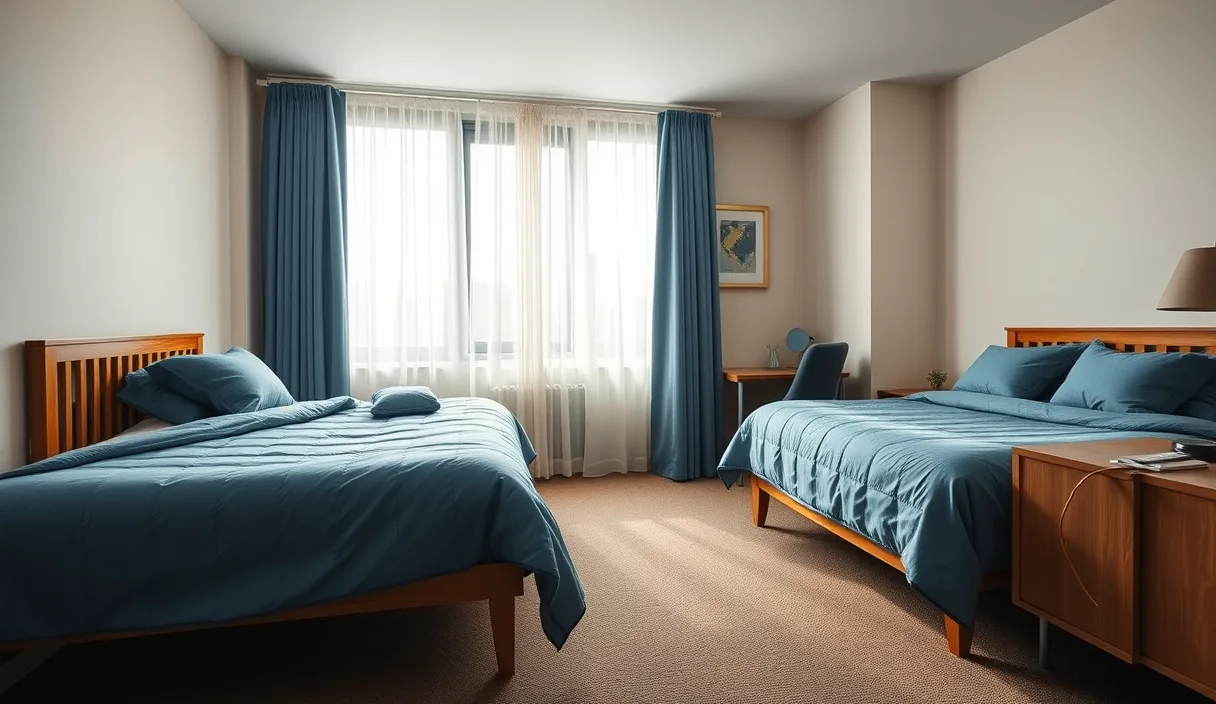
How to Identify Bed Bugs on Walls: Fecal Spots and Smear Test Guide — U.S. bed bug guide for homeowners and travelers.
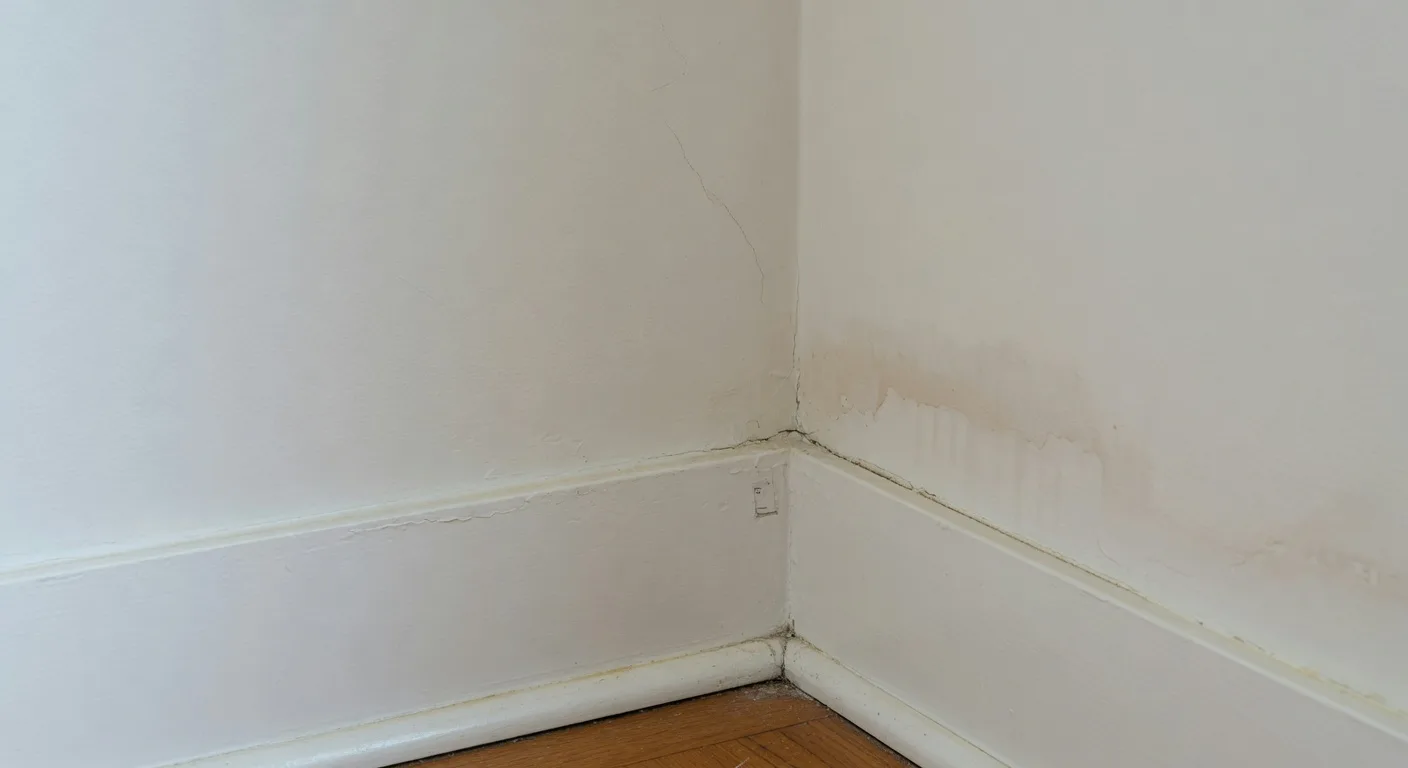


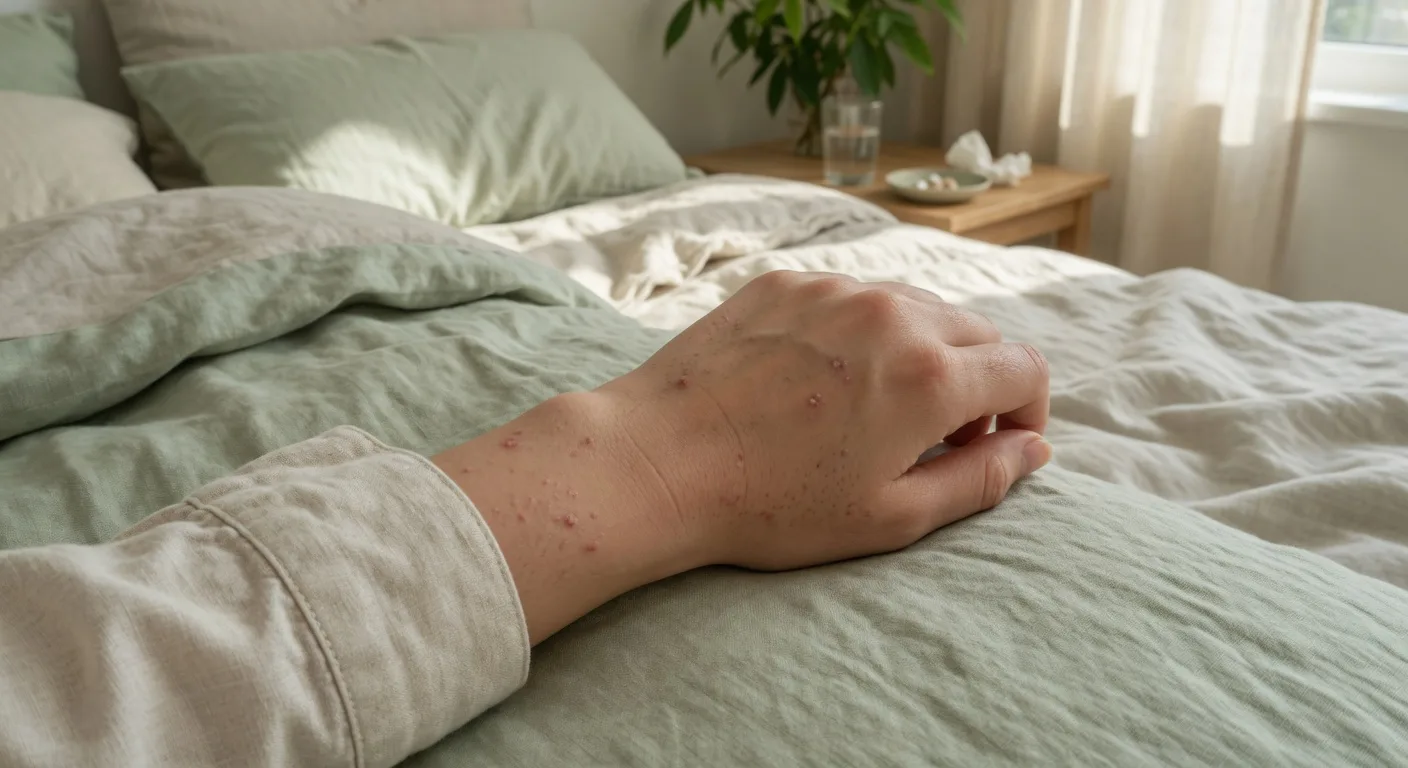
Struggling to identify bites? Learn how to distinguish bed bug bites from flea bites using pattern, location, and timing. We reveal the key visual cues and…

See what bed bug bites look like on baby skin: red clusters in lines on face, neck, arms. Tiny pink dots or hives appear after sleep. Handle safely.
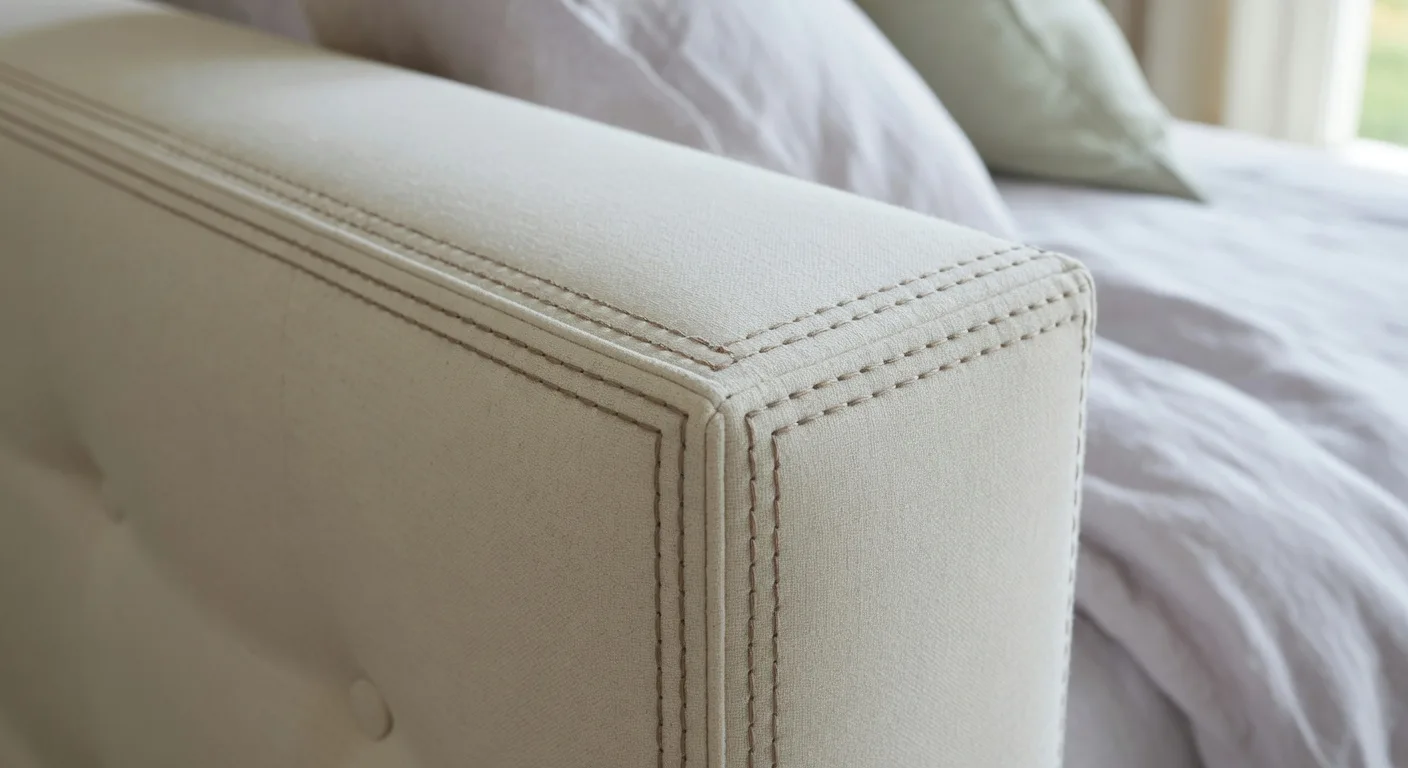
Find bed bug eggs on white sheets—tiny whitish specks mimicking salt. Learn to spot them early, distinguish from debris, and stop infestations before they…
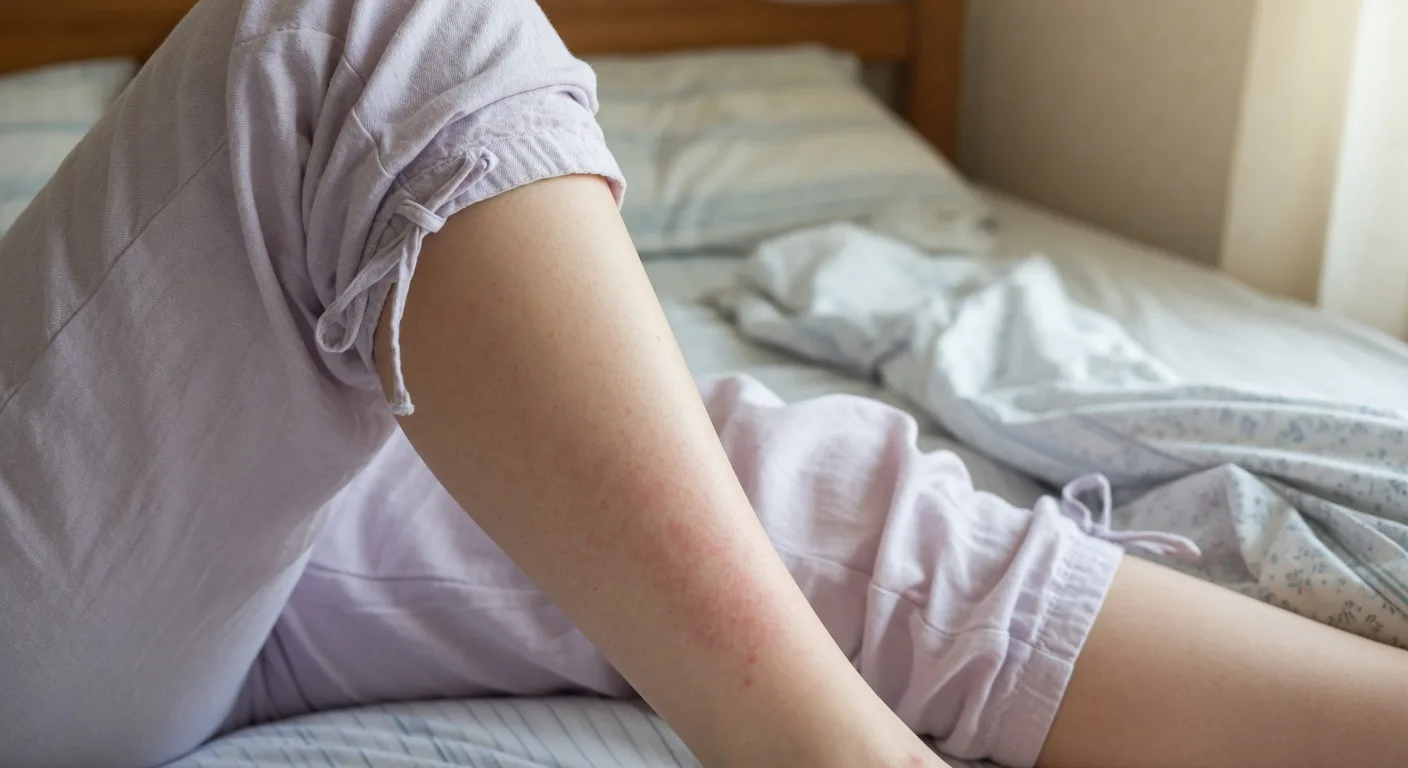
What do bed bug bites look like on babies skin...
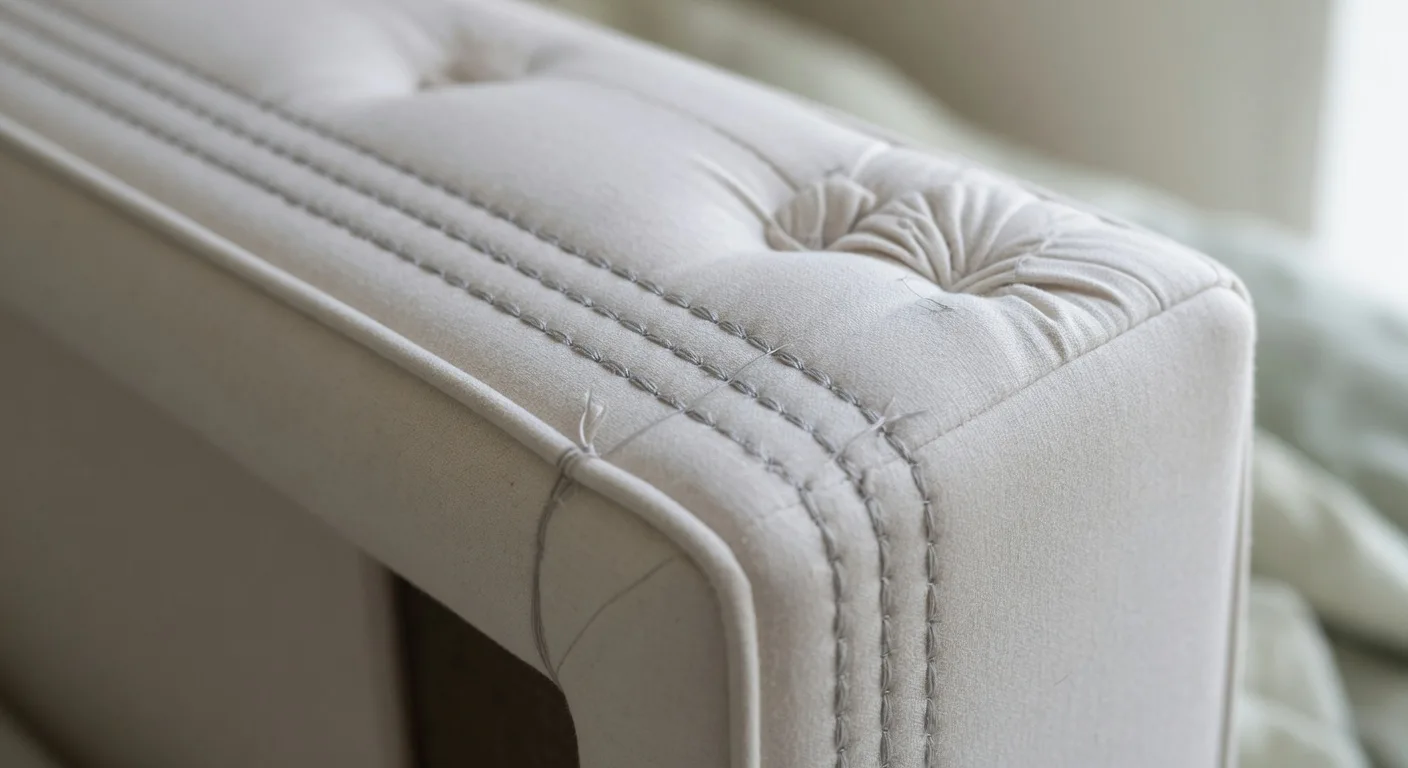
How to identify bed bug eggs on white sheets...
Learn to spot bed bugs and their signs with this visual guide. We cover key evidence like fecal spots, molted skins, and stains to catch infestations early…
After travel, check luggage and nearby areas for bed bug signs such as tiny brown spots (fecal marks), pale shed skins, small eggs or eggshells, and live or flattened bugs. Early detection can help prevent establishing an infestation in your home.
Use a combination of monitoring methods over several weeks.
Continue monitoring and follow up with your pest professional if signs return.
Bed bugs can survive several months without feeding, though many live closer to 5–6 weeks under typical home conditions. Factors like temperature, humidity, and life stage influence their survival time.
Bed bugs are primarily nocturnal and prefer to feed at night. However, they can become active during the day if hungry, crowded, or if their nighttime host schedule changes.
If you are dealing with an active infestation, contact a specialist or explore related categories for next steps.