When faced with a pest infestation—pest infestation, whether it’s bed bugs, termites, or stored product pests, the central question always comes down to method: heat treatment vs chemical. After two decades in the field, I can tell you plainly that neither option is universally superior. The right choice depends entirely on the pest species, the extent of the infestation, the structure involved, and the occupants’ health sensitivities. This article breaks down the real-world mechanics, advantages, and limitations of each approach so you can make an informed decision.
How Heat Treatment Works in Practice
Heat treatment relies on raising the ambient temperature of a contained space to a lethal level for pests. Professional-grade equipment uses industrial propane or electric heaters to push room temperatures between 135°F and 145°F (57°C to 63°C) and holding that heat for several hours. The target is not just adult insects but also eggs, nymphs, and pupae, which are often more resistant to chemical sprays.
Critical Temperature Thresholds
For most common pests—bed bugs, German cockroaches, and flour beetles—the lethal temperature is around 118°F (48°C) sustained for 90 minutes. However, professional operators aim higher to account for cold spots, thermal sinks, and the fact that pests will try to migrate toward cooler areas. Fans are strategically placed to circulate hot air into wall voids, furniture crevices, and behind baseboards.
Preparation Requirements
Heat treatment demands extensive preparation. You must remove all items that can melt or warp or combust at high temperatures: aerosol cans, batteries, candles, wax, certain plastics, and medications. Electronics like televisions and computers are vulnerable; they often need to be removed or protected with specialized thermal barriers. This prep work is labor-intensive and can take several hours for a typical apartment.
Realistic Success Rates
In my experience, properly conducted heat treatments achieve elimination rates between 95% and 99% for bed bugs in single-family homes. The key variable is heat distribution. Multi-story buildings, cluttered spaces, and rooms with high ceilings pose challenges. If the heat cannot reach every harborage, survivors will re-establish the infestation within weeks.
How Chemical Treatments Function
Chemical pest control uses a range of synthetic or natural compounds applied as sprays, dusts, aerosols, or baits. The mode of action varies: neurotoxins disrupt the insect’s nervous system, insect growth regulators (IGRs) prevent molting or egg development, and desiccants like diatomaceous earth damage the waxy cuticle, causing dehydration.
Application Methods That Matter
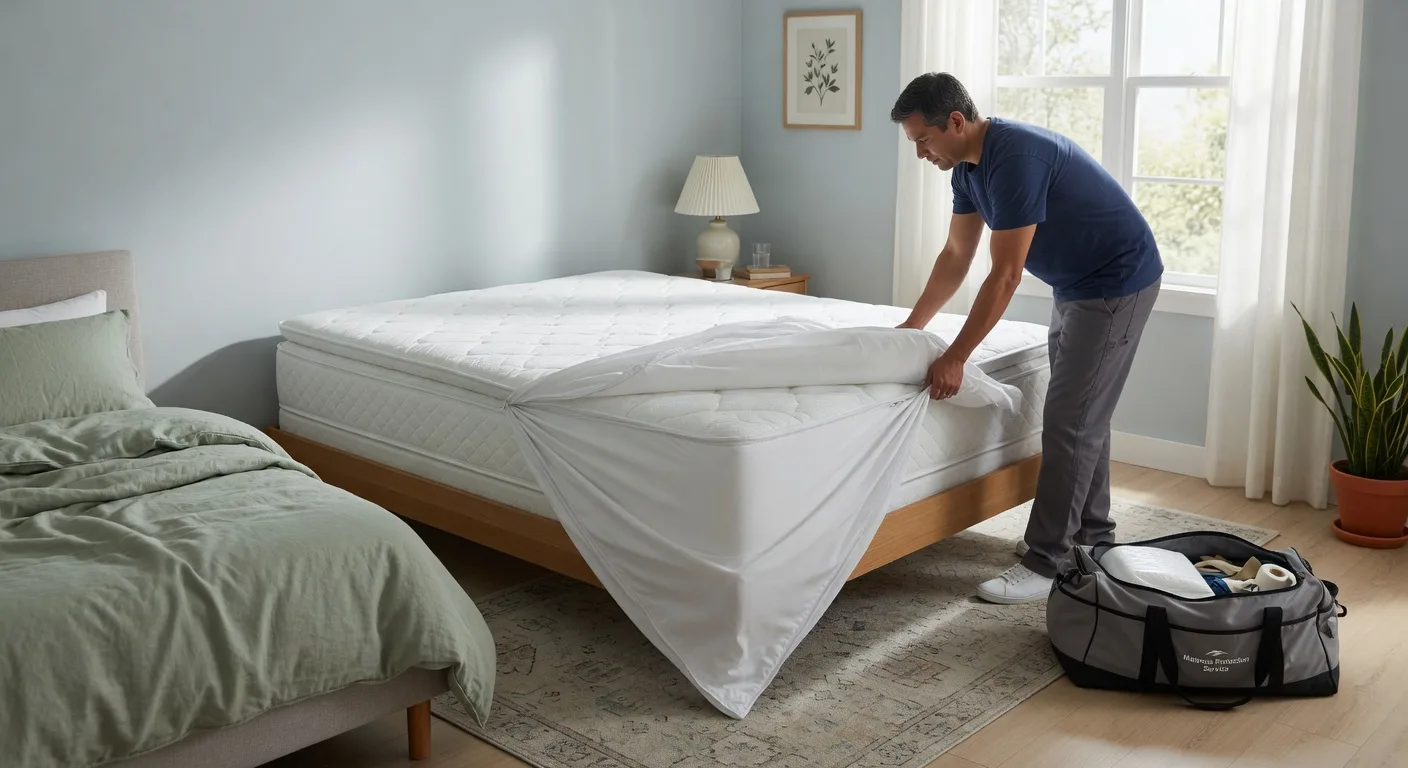
A professional chemical treatment is not a single spray-and-walk-away event. It involves targeted crack-and-crevice applications, baseboard treatments, and, for bed bugs, direct application to seams of mattresses and box springs (using labeled products). Baits are placed in stations for ants and cockroaches, relying on the insects’ foraging behavior to carry the poison back to the colony.
Residual Activity and Follow-Up
One major advantage of chemicals is residual activity. Many modern formulations remain effective for weeks or even after drying. This means that pests emerging after the initial application encounter a lethal surface. However, resistance is a growing problem. Bed bugs, in particular, have developed resistance to pyrethroids—the most common class of insecticides used for them. This has forced the industry to rotate to different chemical classes like neonicotinoids or pyrroles.
Head-to-Head Comparison: Heat vs Chemical
| Factor | Heat Treatment | Chemical Treatment |
|---|---|---|
| Speed of elimination | Single treatment, 6–8 hours | 2–3 visits over 2–6 weeks |
| Effect on eggs | Kills all life stages instantly | May require multiple applications to catch hatching eggs |
| Resistance concerns | No resistance possible | Significant resistance in bed bugs, cockroaches |
| Chemical exposure | Zero chemical residue | Residue remains for days to weeks |
| Preparation effort | High (remove heat-sensitive items) | Moderate (cover food, vacate during spray) |
| Cost per treatment | Higher ($1,000–$4,000 for a home) | Lower ($300–$800 per visit) |
| Structural limitations | Cannot treat entire multi-story building at once | Can treat room by room or whole building |
| Re-infestation risk after success | Low if all units treated simultaneously | — |
When Heat Treatment Is the Clear Winner
Heat excels in situations where chemical resistance is documented or where occupants have health concerns. I have handled cases where families with asthma, multiple chemical sensitivities, or infants under six months old simply cannot tolerate pesticide fogging or spraying. Heat offers a one-day solution with no lingering odor or residue.
Single-Room Infestations
For a localized bed bug problem in one bedroom, portable heat units can bring that room to lethal temperature without treating the entire house. This approach is cost-effective and minimizes disruption. However, the technician must verify that the area thoroughly to ensure no bugs escape into adjacent rooms.
Electronics and Sensitive Items
Heat treatment is the only viable method for treating items that cannot be sprayed: books, papers, books, electronics, shoes, and luggage. These can be placed in a heat chamber or a hot room without damage, provided the temperature does not exceed 140°F. I have successfully treated thousands of laptops, cameras, and musical instruments this way.
When Chemical Treatment Is the Better Choice
Chemicals remain the standard for many pest problems, particularly those involving large structures or ongoing prevention. For German cockroach infestations in apartment buildings, baiting and gel applications are far more effective than heat, because cockroaches hide in voids that heat cannot easily penetrate efficiently.
Preventive Barrier Treatments
For termites, liquid soil treatments create a continuous chemical barrier around the foundation. This is a job heat cannot do. Similarly, perimeter sprays for ants and spiders rely on residual activity that lasts weeks. Heat has no place in outdoor pest management.
Multi-Integrated Pest Management (IPM) Approach
In my practice, the most effective strategy often combines both methods. For example, a heat treatment knocks down the active bed bug population, followed by a light application of desiccant dust in wall voids as a long-term barrier. This hybrid approach leverages the strengths of each.
Safety Considerations for Occupants and Pets
Both methods carry risks if not executed properly. Heat treatment can cause fire hazards if flammable materials are overlooked, or if the equipment malfunctions. Technicians must monitor temperatures continuously with remote sensors. On the chemical side, improper ventilation or over-application can lead to acute poisoning symptoms. Always verify that the pest control company holds a valid license and follows label instructions to the letter.
Pets and Vulnerable Populations
Fish, reptiles, and birds are extremely sensitive to both heat and chemical vapors. For heat, the rapid temperature rise can shock fish tanks; the water must be cooled or the tank removed. For chemicals, birds can die from exposure to even low levels of pyrethroids. Always disclose all pets to the technician before treatment begins.
Cost Analysis Over Time
While heat treatment has a higher upfront cost, it often requires only one visit. Chemical treatments, especially for bed bugs, typically require two to three visits over six weeks. When factoring in lost work time, the cost difference narrows. For a typical three-bedroom home, the total cost of a chemical program (three treatments) ranges from $900 to $2,400, while a single heat treatment runs $1,500 to $3,500. The heat option is cheaper if you value time and want a single-day resolution.
Frequently Asked Questions
Can heat treatment damage my home?
Yes, if not managed correctly. High heat can cause wood to crack, laminate flooring to lift, and wall paint to bubble. Professional operators use thermal mapping to avoid exceeding safe temperatures for the structure. They also remove or shield items like candles, wax, and certain plastics.
How long do I need to vacate after chemical treatment?
Most modern insecticides dry within 2–4 hours for the spray to dry, after which re-entry is safe for Adult bed bugs is safe. However, people with asthma or chemical sensitivities should wait 24 hours. The technician will provide specific re-entry times based on the product used.
Which method works best for bed bugs in a rental apartment?
Heat is often preferred for individual units because it kills all stages in one day. However, if the building has multiple infested units, chemical treatment combined with heat in all units is more practical for long-term control. A single heat treatment in one unit will not prevent re-infestation from neighboring apartments.
Is heat treatment effective for termites?
Heat is rarely used for termites because the heat must reach deep into soil and wood members where termites live. Structural heat treatment for termites is possible in small, contained areas like a single wall, but it is not a standard solution. Liquid termiticides or bait systems are far more reliable.
Can I perform heat treatment myself?
No. DIY heat rental units are available but rarely achieve the uniform temperature required. Incomplete heating leads to survivors and a wasted investment. Leave this to licensed professionals who have commercial-grade equipment, thermal sensors, and experience with heat distribution.
Making Your Final Decision
Start with a thorough inspection by a licensed pest control professional. They will identify the pest species, assess the infestation level, and evaluate your property’s layout. Ask them specifically about resistance history in your area. If bed bugs have been treated with pyrethroids in the past, heat is the safer bet. For a first-time cockroach problem, a chemical bait program is usually sufficient. Do not rely on online advice alone; a site visit is the only way to get an accurate recommendation. Whichever path you choose, commit to the full protocol—skipping preparation or follow-up visits guarantees failure.
Frequently Asked Questions
What should I do before a professional heat treatment?
Preparation is key to effective heat treatment. Remove or securely bag items that could be damaged by heat, and follow all instructions provided by your pest control company.
Typical steps include decluttering, washing and drying fabrics on high heat, and keeping treated areas accessible. Do not apply DIY pesticides before heat treatment, as they can be dangerous and reduce effectiveness.
How long does professional heat treatment take?
Professional heat treatments for bed bugs usually require several hours to raise room temperatures to levels that affect all life stages. You should plan for limited access during the service and follow any pre- and post-treatment guidance provided by the pest management professional.
How do I prepare for a professional bed bug treatment?
Follow these steps to help a pest professional be effective and safe.
- Wash and dry infested clothing and linens on the hottest settings allowed.
- Declutter floors and surfaces to reduce hiding spots.
- Seal items you cannot treat in labeled plastic bags until they can be inspected or treated.
Discuss any health concerns or special needs with your pest control provider before treatment.
How can I confirm bed bugs are gone after treatment?
Use a combination of monitoring methods over several weeks.
- Place interceptors on bed legs and check for trapped insects.
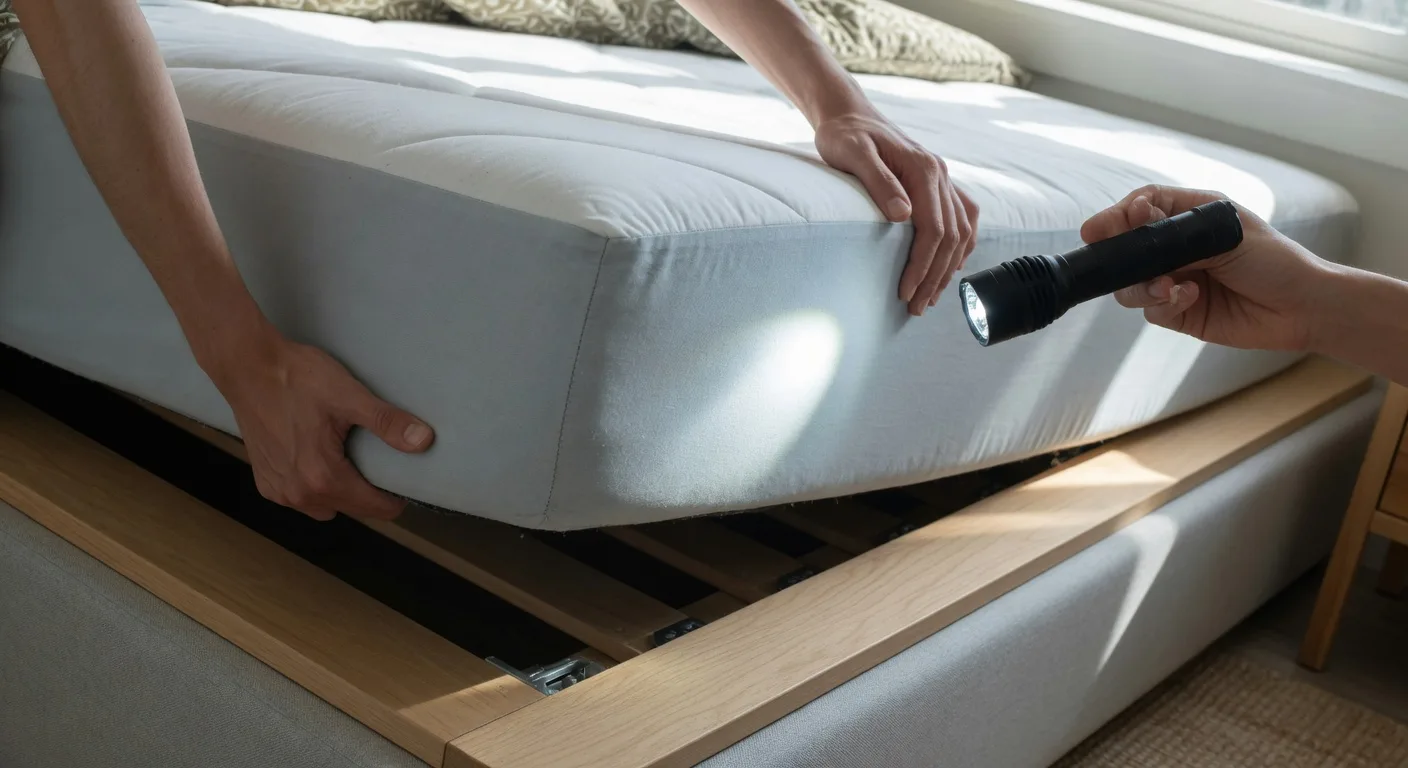
- Inspect common hiding spots with a flashlight and magnifier if available.
- Look for new cast skins, tiny dark spots (fecal stains), or live bugs.
Continue monitoring and follow up with your pest professional if signs return.