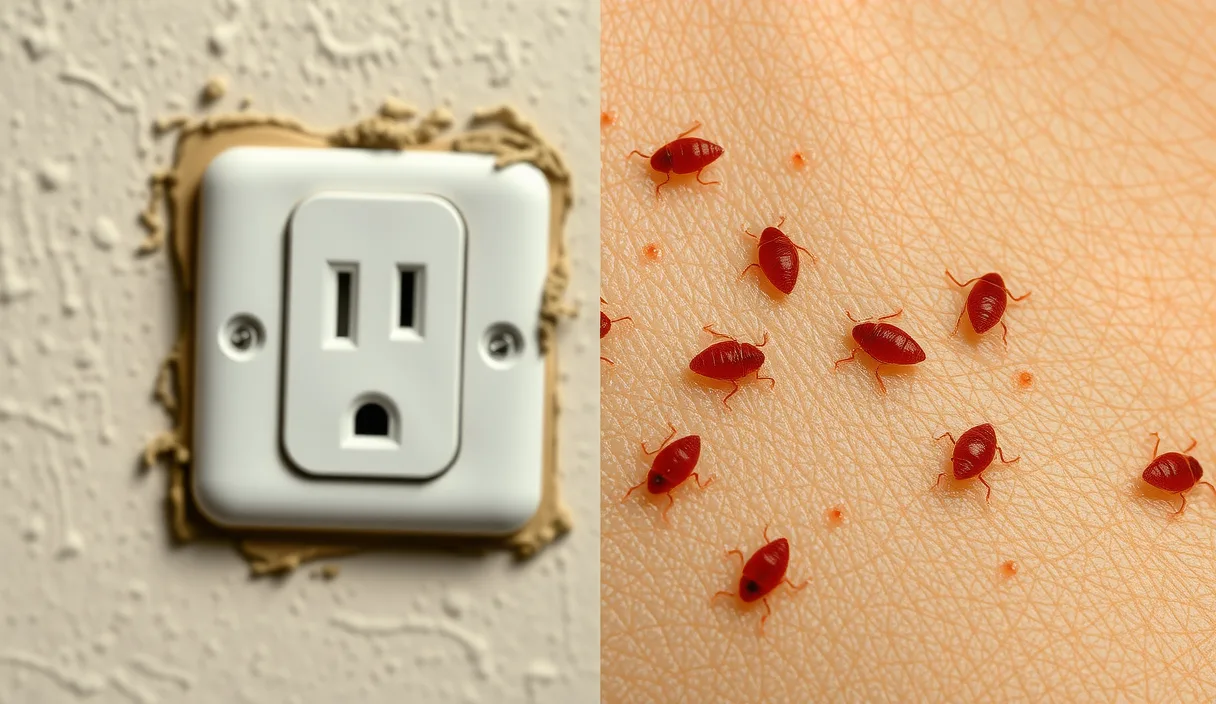
Identifying bed bugs on walls requires a keen eye for detail and a thorough understanding of the signs they leave behind. To get started, homeowners and travelers can look for fecal spots, which are small, dark brown or black spots that bed bugs deposit on surfaces as they feed. In my experience, these spots are often the first indication of a bed bug infestation, and they can be found on walls, baseboards, and other areas where bed bugs are present.
Immediate Steps to Identify Bed Bugs on Walls
When dealing with a potential bed bug infestation, it's essential to act quickly to prevent the problem from spreading. Here are the steps to take in the first 24 hours:
- Conduct a thorough visual inspection of the walls, baseboards, and surrounding areas for signs of bed bugs, including fecal spots, live bugs, and shed skins.
- Check for bloodstains or smears on walls and other surfaces, which can indicate bed bug feeding activity.
- Use a flashlight to illuminate dark areas and crevices, making it easier to spot bed bugs and their signs.
- Take note of any areas with high concentrations of fecal spots or other signs of bed bug activity, as these may indicate the location of the infestation.
Understanding Fecal Spots and Smear Tests
Fecal spots are a key indicator of bed bug activity, and they can be used to confirm the presence of an infestation. These spots are typically small, ranging in size from a pinhead to a grain of rice, and are usually dark brown or black in color. In my field work, I often see fecal spots in clusters or trails, which can help to identify the location of the bed bug infestation.
A smear test can also be used to detect bed bug fecal spots. This involves using a white cloth or paper towel to wipe down surfaces and check for the presence of fecal spots. If the cloth or paper towel becomes stained with a reddish-brown or black substance, it may indicate the presence of bed bug feces.
Characteristics of Fecal Spots
Fecal spots have several characteristics that can help to distinguish them from other substances. They are typically:
- Small, ranging in size from a pinhead to a grain of rice
- Dark brown or black in color
- Found in clusters or trails, often in areas with high bed bug activity
- Can be stained or smeared, indicating the presence of bed bug feces
When to Call a Licensed Professional
While homeowners and travelers can take steps to identify bed bugs on walls, it's often necessary to call a licensed professional to confirm the presence of an infestation and develop a treatment plan. If you suspect that you have a bed bug infestation, it's essential to contact a pest control professional who has experience dealing with bed bugs. They can conduct a thorough inspection, confirm the presence of bed bugs, and develop a treatment plan to eliminate the infestation.
In my experience, it's essential to work with a licensed professional who has the training and equipment necessary to effectively treat bed bug infestations. They can help to identify the source of the infestation, develop a treatment plan, and provide guidance on how to prevent future infestations.
Frequently Asked Questions
Here are some common questions that homeowners and travelers may have when dealing with bed bugs on walls:
- Q: How can I prevent bed bugs from infesting my home? A: To prevent bed bugs from infesting your home, it's essential to be vigilant when traveling, inspect second-hand furniture and items carefully, and use a mattress cover to prevent bed bugs from getting inside.
- Q: How can I get rid of bed bugs on my walls? A: To get rid of bed bugs on your walls, it's essential to work with a licensed professional who can develop a treatment plan tailored to your specific needs. This may involve using a combination of non-chemical and chemical methods to eliminate the infestation.
- Q: Can I use DIY methods to get rid of bed bugs? A: While DIY methods may be tempting, they are often ineffective and can even make the problem worse. It's essential to work with a licensed professional who has the training and equipment necessary to effectively treat bed bug infestations.
- Q: How long does it take to get rid of a bed bug infestation? A: The time it takes to get rid of a bed bug infestation can vary depending on the severity of the infestation and the effectiveness of the treatment plan. In general, it can take several weeks or even months to fully eliminate a bed bug infestation.
- Q: Can I use over-the-counter treatments to get rid of bed bugs? A: over-the-counter treatments may not be effective in eliminating bed bug infestations, and they can even make the problem worse. It's essential to work with a licensed professional who can develop a treatment plan tailored to your specific needs.
Additional Tips for Identifying Bed Bugs on Walls
In addition to looking for fecal spots and using a smear test, there are several other tips that can help homeowners and travelers identify bed bugs on walls. These include:
- Using a magnifying glass or handheld lens to examine surfaces more closely
- Checking for live bed bugs, which can be found in cracks and crevices, as well as in other areas with high bed bug activity
- Looking for shed skins, which can indicate the presence of bed bug nymphs
- Checking for eggs, which can be found in cracks and crevices, as well as in other areas with high bed bug activity
Using a Bed Bug Sniffer Dog
Bed bug sniffer dogs are specially trained canines that can detect the presence of bed bugs and their signs. These dogs can be used to identify areas with high bed bug activity, and they can help to confirm the presence of an infestation. In my experience, bed bug sniffer dogs can be an effective tool in identifying bed bugs on walls, especially in large or complex infestations.
Preventing Future Infestations
To prevent future bed bug infestations, it's essential to be vigilant when traveling, inspect second-hand furniture and items carefully, and use a mattress cover to prevent bed bugs from getting inside. Additionally, homeowners and travelers can take steps to seal cracks and crevices, reduce clutter, and eliminate standing water, all of which can help to reduce the risk of a bed bug infestation.
In my experience, preventing bed bug infestations requires a proactive approach, including regular inspections, careful monitoring, and a commitment to maintaining a clean and clutter-free environment. By taking these steps, homeowners and travelers can reduce the risk of a bed bug infestation and minimize the impact of an infestation if it does occur.
| Description | |
|---|---|
| Fecal Spots | Small, dark brown or black spots that bed bugs deposit on surfaces as they feed |
| Live Bed Bugs | adult bed bugs, which can be found in cracks and crevices, as well as in other areas with high bed bug activity |
| Shed Skins | The shed skins of bed bug nymphs, which can indicate the presence of a bed bug infestation |
| Eggs | Bed bug eggs, which can be found in cracks and crevices, as well as in other areas with high bed bug activity |
Related guides — different questions
These articles cover overlapping topics but answer different questions. Pick the one that matches your situation.
- How to identify bed bug feces on walls
Read if: You see dark spots or stains on a wall or baseboard and need to confirm droppings.
- What Does Bed Bug Waste Look Like on Walls and Baseboards?
Read if: You searched “what does bed bug waste look like” and need a photo-based answer.
- How to Tell If Black Spots Are Bed Bug Feces or Mold
Read if: You cannot tell whether black marks on a wall are droppings or mold growth.
Frequently Asked Questions
How do I identify bed bug bites vs other insect bites?
Bed bug bites often appear in a line or cluster, are intensely itchy, and may take a few days to show. Unlike flea bites, which are mainly around the ankles, bed bugs can occur on any exposed skin.
Common signs include small red bumps, possible swelling, and a central puncture mark. If you suspect bed bugs, capture a specimen or photograph bites and contact a pest professional for confirmation.
What are signs of bed bugs in luggage after travel?
After travel, check luggage and nearby areas for bed bug signs such as tiny brown spots (fecal marks), pale shed skins, small eggs or eggshells, and live or flattened bugs. Early detection can help prevent establishing an infestation in your home.
How can I identify an active bed bug infestation early?
Look for small blood spots on sheets, dark speck-like droppings, and tiny pale eggs or shed skins. A musty sweet odor can also signal a larger infestation.
How can I confirm bed bugs are gone after treatment?
Use a combination of monitoring methods over several weeks.
- Place interceptors on bed legs and check for trapped insects.
- Inspect common hiding spots with a flashlight and magnifier if available.
- Look for new cast skins, tiny dark spots (fecal stains), or live bugs.
Continue monitoring and follow up with your pest professional if signs return.