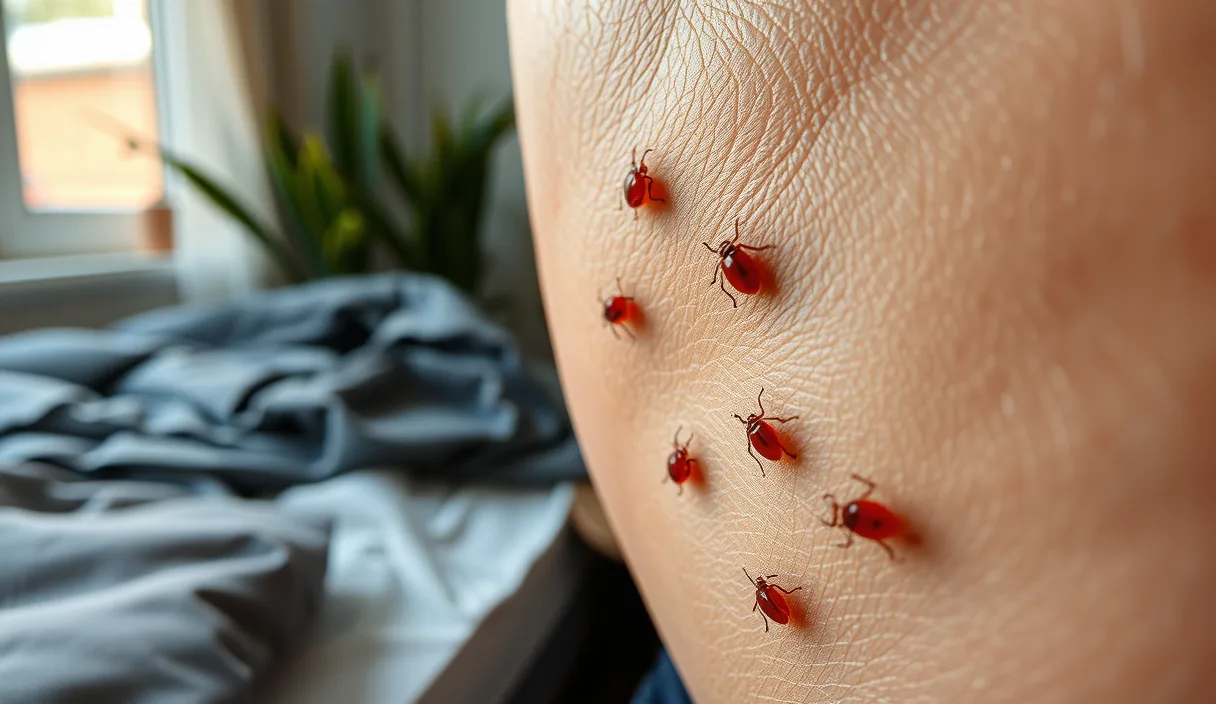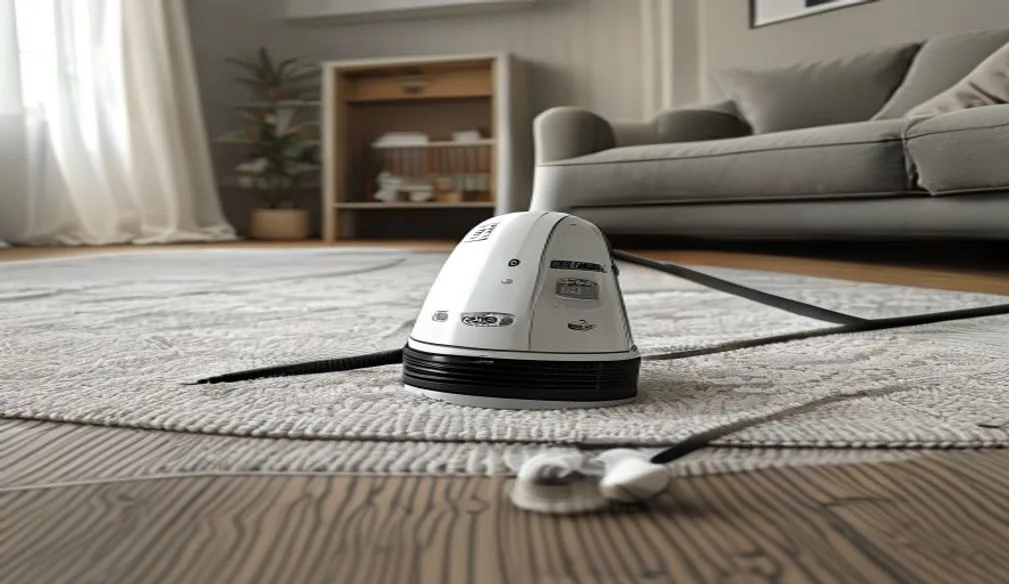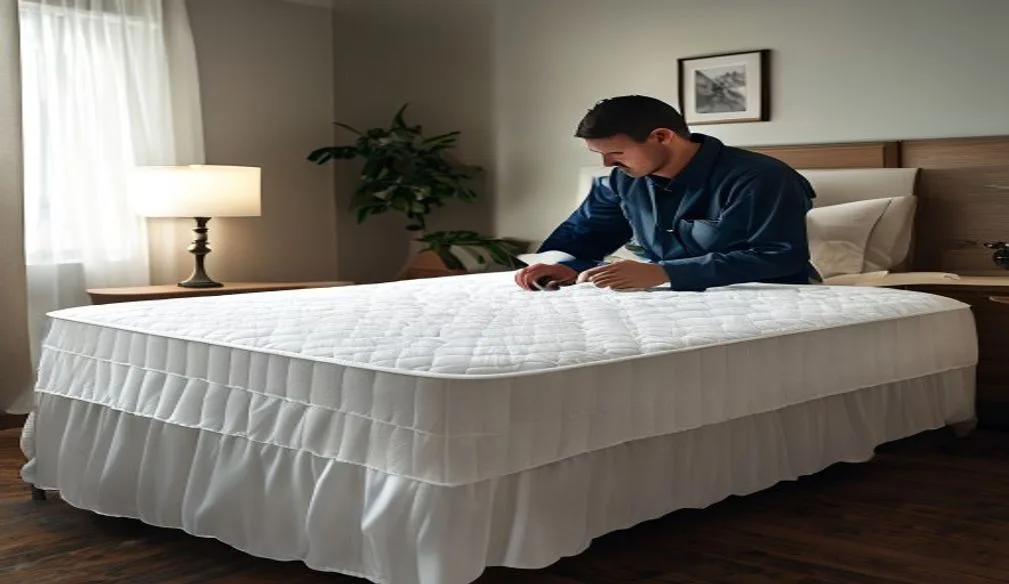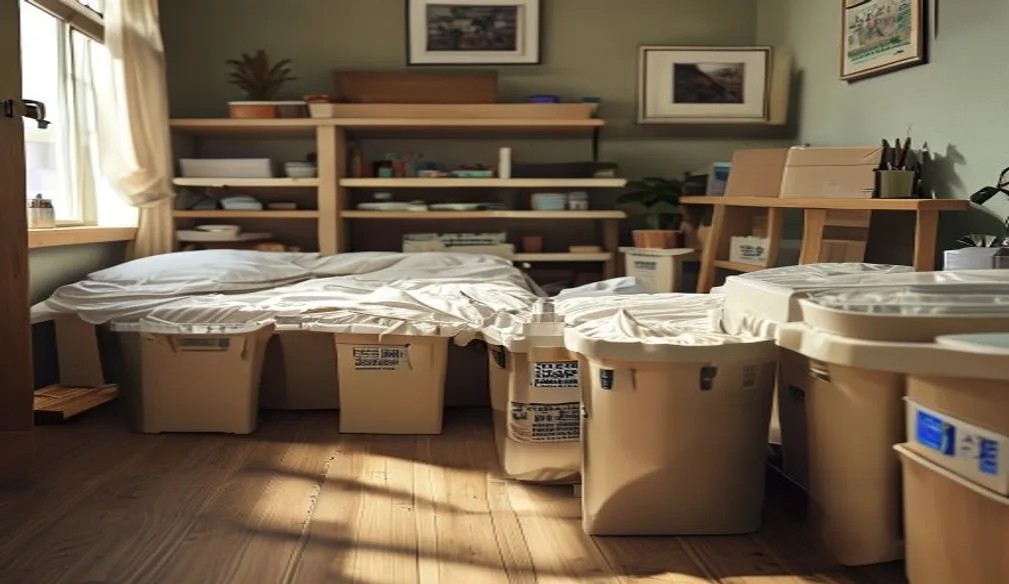
The cost to eliminate a bed bug infestation in 2026 typically falls between $300 and $5,000, with most homeowners paying $1,500 to $2,500 for a complete professional treatment. A studio apartment with early-stage bugs might cost $300–$600, while a heavily infested four-bedroom house requiring whole-home heat remediation often exceeds $4,000. Your final bill depends on treatment method, infestation severity, property size, and geographic location.
How Treatment Method Shapes Your Bill
Not all bed bug treatments carry the same price tag. The approach your pest management professional selects will determine both upfront costs and long-term outcomes. In my field work, I have seen homeowners fixate on the lowest quote only to pay twice when resistant bugs survive chemical-only applications.
Chemical treatments using liquid and dust formulations remain the most affordable entry point, typically running $300–$1,500 for a single-family home. These require multiple visits spaced two to three weeks apart because insecticides kill adult bed bugs and nymphs on contact but rarely penetrate the protective shell of cemented eggs. The follow-up visits add labor costs and extend the timeline.
Whole-home heat treatment commands premium pricing at $2,000–$5,000, yet often proves more economical for severe infestations. Professional-grade heaters raise ambient temperatures to lethal levels for all life stages simultaneously. What I tell clients is this: one properly executed heat treatment eliminates the need for return visits, whereas chemical programs almost always require three or four appointments.
Steam treatment occupies a middle ground at $500–$2,500, effective for mattresses and upholstered furniture but labor-intensive for whole-home application. Cryonite freezing with carbon dioxide suits sensitive environments like electronics-filled offices at $800–$2,000, though it kills only on direct contact and may miss eggs in deep harborages.
| Typical Cost Range | Visits Required | Key Trade-offs | |
|---|---|---|---|
| Chemical (Liquid & Dust) | $300 – $1,500 | 2–4 over 3–6 weeks | Lower upfront cost; resistance possible; eggs survive initial application |
| Whole-Home Heat | $2,000 – $5,000 | 1 (8–12 hours) | Single-day elimination; no chemical residue; requires removing heat-sensitive items |
| Steam Treatment | $500 – $2,500 | 1–3 | Excellent for mattresses; impractical as sole method for large areas |
| Cryonite (CO₂ Freezing) | $800 – $2,000 | 1–2 | Non-toxic; electronics-safe; kills only on direct contact |
| K-9 Inspection + Targeted Treatment | $400 – $1,200 inspection + $300 – $1,000 treatment | 1–2 | Pinpoints harborages; reduces unnecessary chemical use; not standalone |
Why Infestation Severity Drives Costs More Than Square Footage
The single largest cost variable is not your home's size but how established the infestation has become. A few bed bugs clustered in one mattress seam require targeted treatment. Bugs distributed across multiple bedrooms, inside wall voids, and spreading to adjacent units demand comprehensive intervention.
I often see homeowners underestimate severity based on visible bites alone. Bed bugs are nocturnal and cryptic. By the time you notice bites, the population may have grown for weeks. A moderate infestation in a 900-square-foot apartment can cost more to treat than a minor infestation in a 2,500-square-foot house because the treatment scope expands from spot application to whole-unit remediation.
Population density also affects preparation requirements. Heavy infestations mean more clutter to process, more items requiring protective bagging, and sometimes furniture disposal. Each additional hour of technician labor adds to the final invoice.
Geographic Cost Variations and Hidden Fees
Your location significantly impacts pricing. Metropolitan areas with high operational costs—New York City, San Francisco, Boston, Washington D.C.—typically charge 20 to 40 percent above national averages. Rural areas may have fewer competing providers, sometimes resulting in higher per-visit rates despite lower living costs.
Beyond the base treatment quote, budget for these common add-ons: inspection fees ranging $100–$300 (sometimes credited toward treatment if you proceed), follow-up visits for chemical programs, mattress or furniture disposal at $50–$150 per item, and temporary lodging during heat treatment when homes must remain vacant for 8–12 hours. I tell clients to request itemized estimates upfront to avoid surprise charges.
Preparation Steps That Protect Your Investment
Proper preparation ensures treatment effectiveness and prevents paying twice. Most reputable companies provide detailed prep instructions. Execute these thoroughly.
Wash and dry all bedding, clothing, and linens on the hottest settings. The dryer matters most here—sustained high heat for 45 to 60 minutes kills bed bugs and embryos in fabric. I emphasize the dryer because washing alone often fails; bed bug eggs are cemented to fibers with adhesive secretion that water does not dissolve.
Declutter rooms to expose baseboards, carpet edges, and furniture undersides. Move beds and furniture away from walls per technician instructions. Vacuum thoroughly, disposing of the bag or emptying the canister immediately outdoors. These steps reduce labor time and improve treatment penetration, directly protecting your investment.
Insurance, Landlords, and Payment Realities
Standard homeowners and renters insurance policies exclude bed bug treatment. Insurers classify infestations as maintenance issues, not sudden accidental losses. Do not expect reimbursement.
Renters face additional complexity. In multi-unit buildings, responsibility for treatment costs varies by lease terms and state law. Some landlords cover building-wide infestations; others hold tenants liable for unit-specific treatments. Document everything in writing before signing payment agreements.
For single-family homeowners, I recommend obtaining three on-site inspections before committing. Reputable companies provide written estimates without pressure. Negotiation is possible—competitors may match quotes or offer prompt-booking discounts. Verify licensing and request references from recent bed bug treatments specifically, not general pest control.
Questions Cost Estimates Should Answer
When reviewing quotes, confirm what the price includes. Does the estimate cover the entire structure or only visible areas? Are follow-up visits bundled or billed separately? What preparation does the company handle versus your responsibility? Is there a guarantee period with free retreatment if bugs persist?
Heat treatment quotes should specify temperature monitoring points and duration. Chemical quotes should outline the product rotation strategy to address potential resistance. Vague language or reluctance to detail methodology signals inexperience.
Bed bug populations double approximately every 16 days under favorable conditions. Delay transforms manageable costs into substantial expenses. Start with inspections this week, execute preparation diligently, and select treatment based on infestation scope rather than price alone.
Frequently Asked Questions
How long does professional heat treatment take?
Professional heat treatments for bed bugs usually require several hours to raise room temperatures to levels that affect all life stages. You should plan for limited access during the service and follow any pre- and post-treatment guidance provided by the pest management professional.
What should I do before a professional heat treatment?
Preparation is key to effective heat treatment. Remove or securely bag items that could be damaged by heat, and follow all instructions provided by your pest control company.
Typical steps include decluttering, washing and drying fabrics on high heat, and keeping treated areas accessible. Do not apply DIY pesticides before heat treatment, as they can be dangerous and reduce effectiveness.
How do I prepare for a professional bed bug treatment?
Follow these steps to help a pest professional be effective and safe.
- Wash and dry infested clothing and linens on the hottest settings allowed.
- Declutter floors and surfaces to reduce hiding spots.
- Seal items you cannot treat in labeled plastic bags until they can be inspected or treated.
Discuss any health concerns or special needs with your pest control provider before treatment.
How can I confirm bed bugs are gone after treatment?
Use a combination of monitoring methods over several weeks.
- Place interceptors on bed legs and check for trapped insects.
- Inspect common hiding spots with a flashlight and magnifier if available.
- Look for new cast skins, tiny dark spots (fecal stains), or live bugs.
Continue monitoring and follow up with your pest professional if signs return.