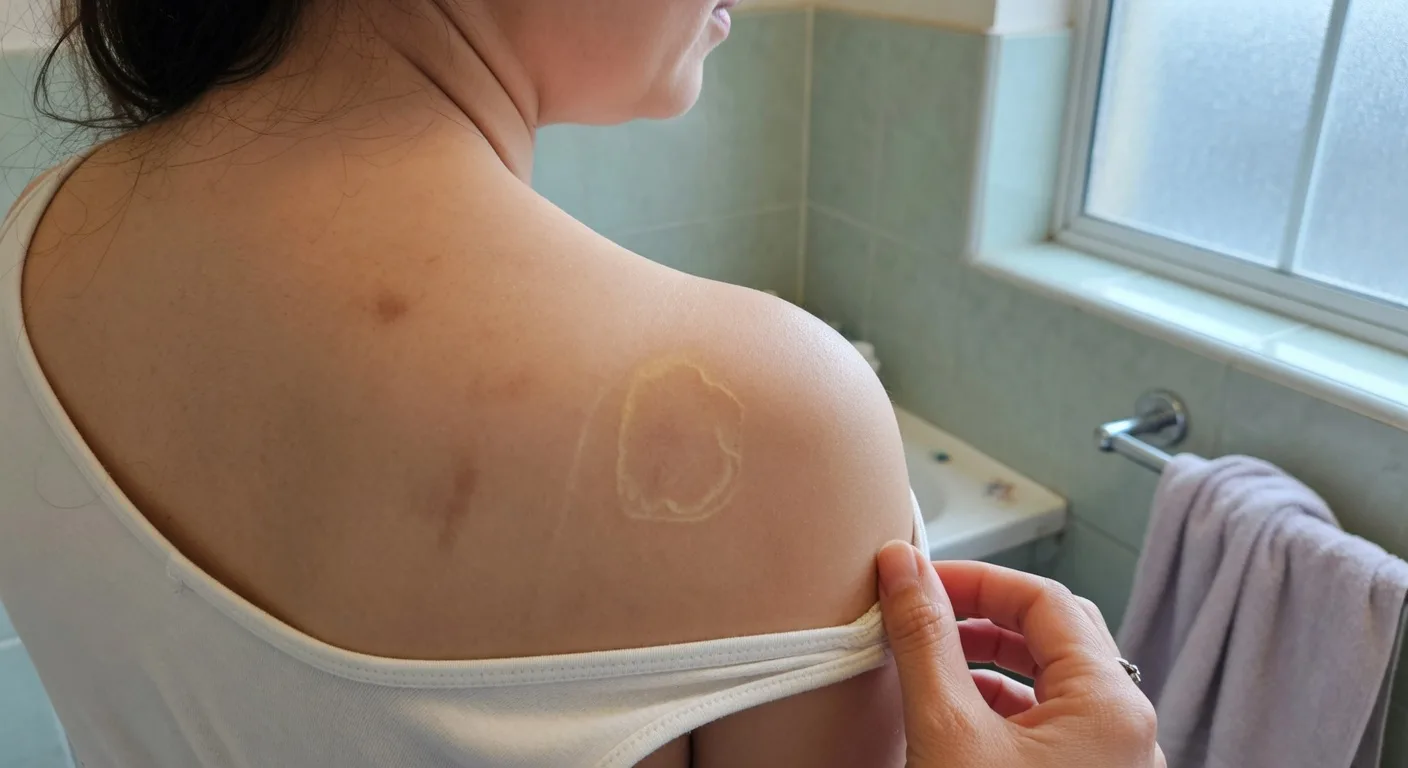
Hydrocortisone Cream for Bed Bug Bites: Safe Use Guide (2026)
Bed bug bites can trigger itchy, swollen welts that make sleep miserable — even after the bugs themselves are gone. Hydrocortisone cream is one of the most…
Category
Bed bug treatment options for US homes: heat treatment, chemical solutions, mattress encasements, and when to call a professional exterminator.
4 articles in this category
Bed bug bites can trigger itchy, swollen welts that make sleep miserable — even after the bugs themselves are gone. Hydrocortisone cream is one of the most…
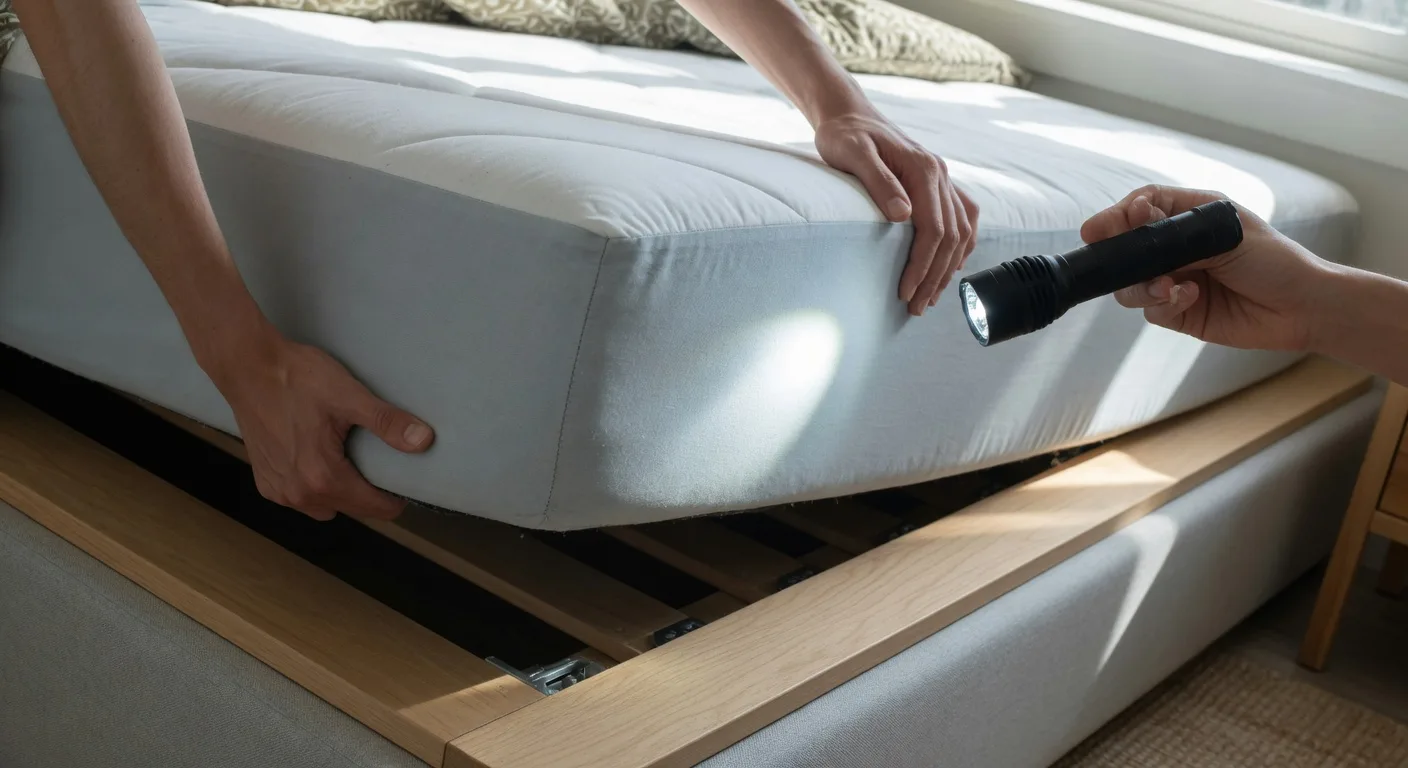
Best bed bug proof mattress encasement reviews...

How to prevent bed bugs when traveling 2026 guide...
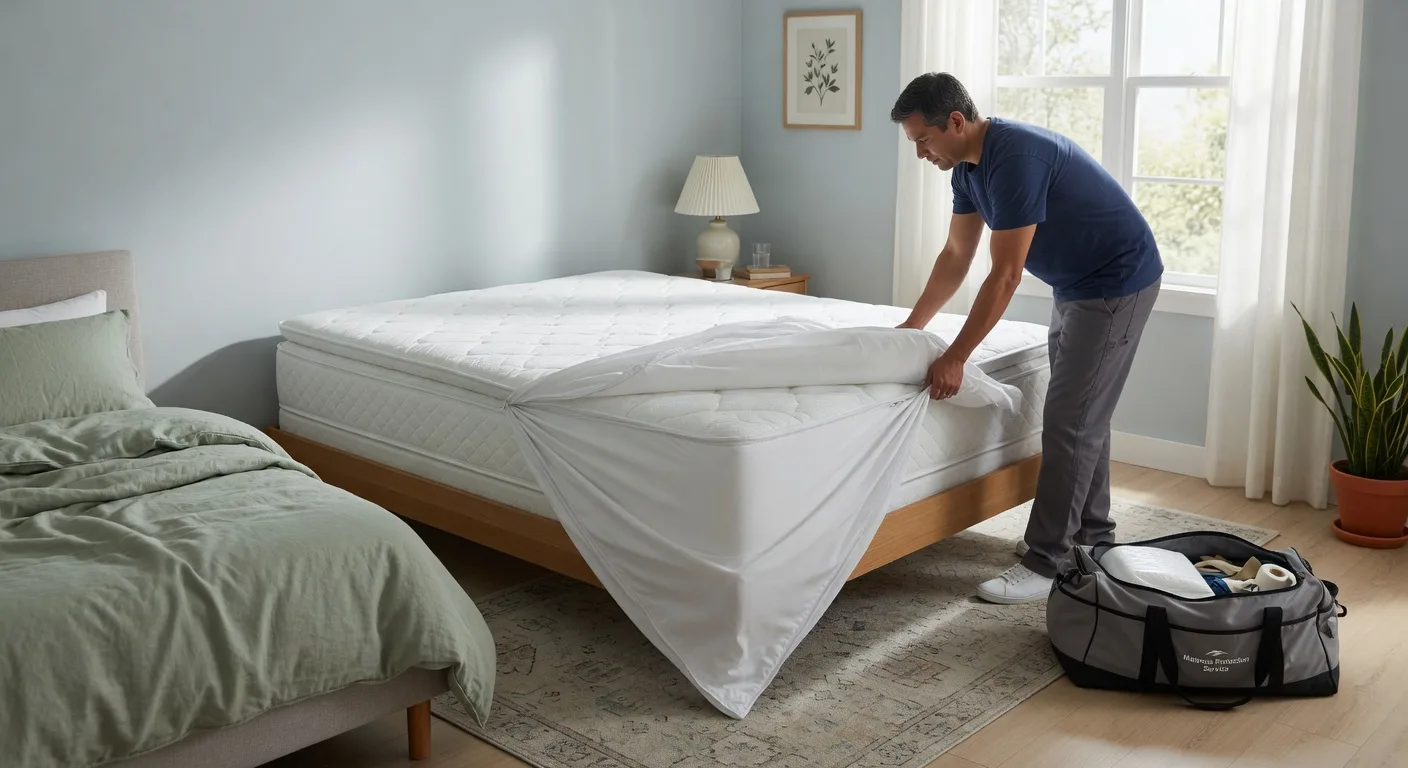
Heat treatment vs chemical: which is better? Neither is universally superior. The right choice depends on pest, infestation scope, structure, and health se…
Use a combination of monitoring methods over several weeks.
Continue monitoring and follow up with your pest professional if signs return.
Preparation is key to effective heat treatment. Remove or securely bag items that could be damaged by heat, and follow all instructions provided by your pest control company.
Typical steps include decluttering, washing and drying fabrics on high heat, and keeping treated areas accessible. Do not apply DIY pesticides before heat treatment, as they can be dangerous and reduce effectiveness.
Follow these steps to help a pest professional be effective and safe.
Discuss any health concerns or special needs with your pest control provider before treatment.
Bed bugs can survive several months without feeding, though many live closer to 5–6 weeks under typical home conditions. Factors like temperature, humidity, and life stage influence their survival time.
If you are dealing with an active infestation, contact a specialist or explore related categories for next steps.