Combining heat treatment with encasements is a highly effective method for eliminating bed bugs from your home. By using heat to kill bed bugs and their eggs, and encasing mattresses and box springs to prevent re-infestation, you can create a comprehensive treatment plan that targets all stages of the bed bug life cycle. In this article, we will explore the steps you can take to combine heat treatment with encasements and provide a safe and effective solution for bed bug elimination.
Early Action: What to Do Tonight
If you suspect that you have a bed bug infestation, it's essential to take action immediately. Here are some steps you can take tonight to start the process of eliminating bed bugs:
- Wash and dry all bedding, including sheets, blankets, and comforters, in hot water and high heat
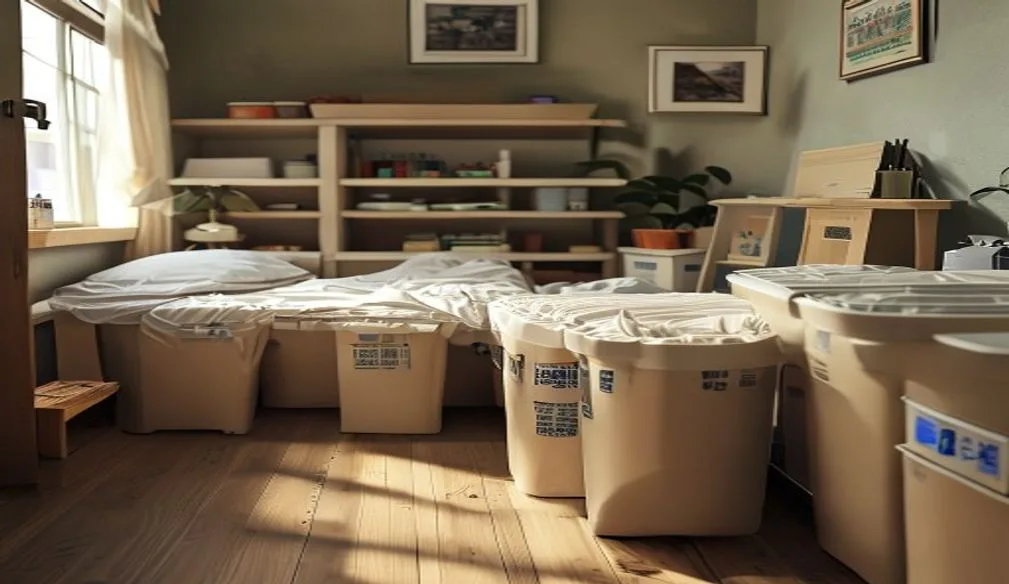
- Dry clean or seal in plastic bags any non-washable items, such as stuffed animals or curtains
- Vacuum all carpets, rugs, and upholstered furniture, especially around beds and couches
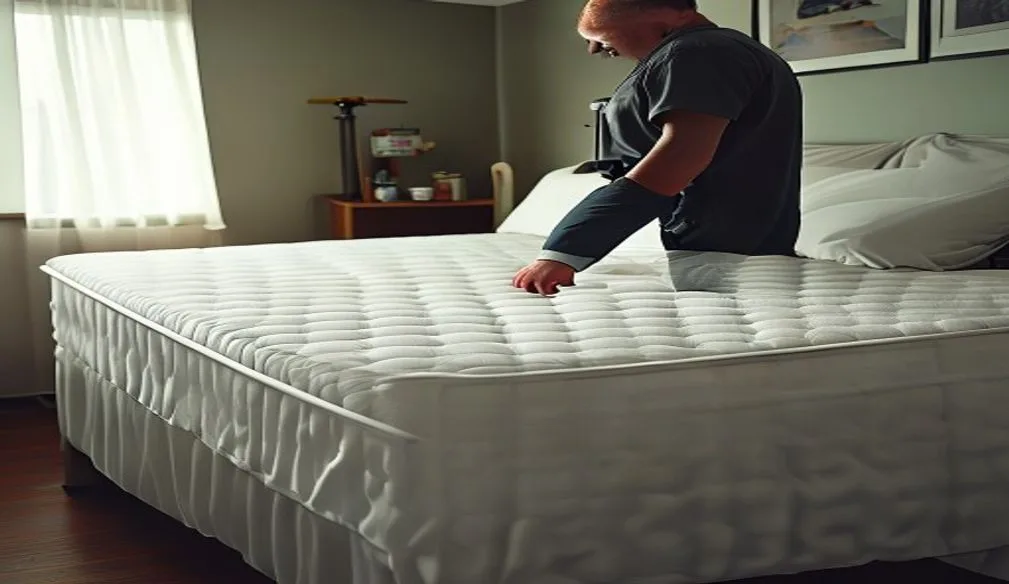
- Use a mattress encasement to cover your mattress and box spring, and consider using bed bug-proof box spring encasements
Understanding Heat Treatment
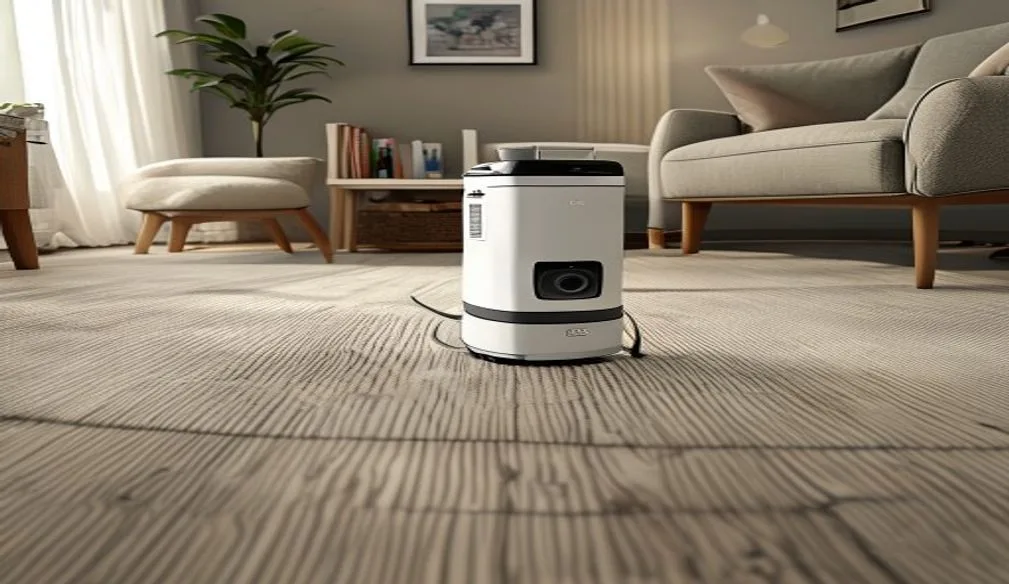
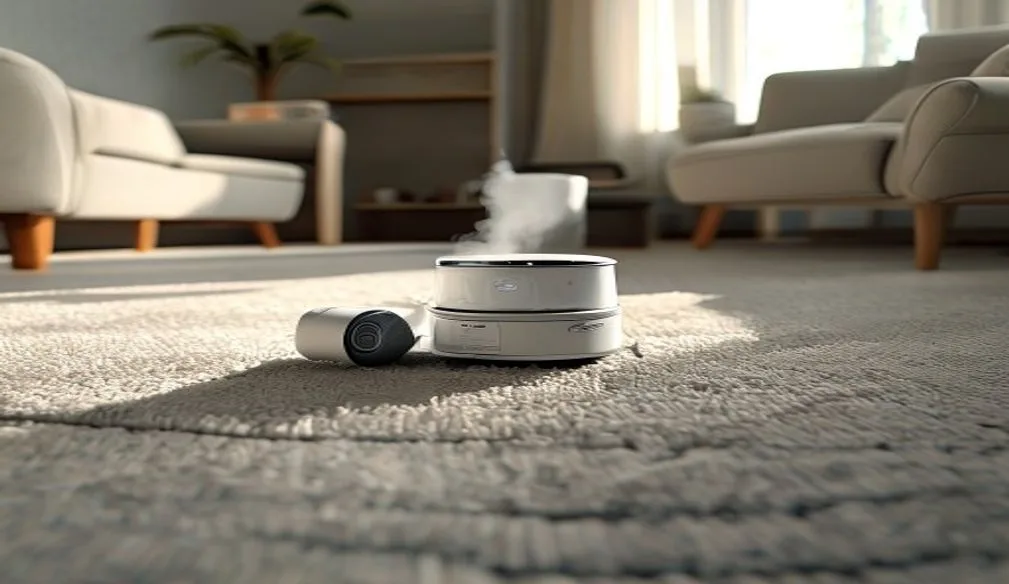
Heat treatment is a non-chemical method of killing bed bugs and their eggs. It involves using specialized equipment to heat a room or entire home to a temperature that is lethal to bed bugs. The most common method of heat treatment is to use portable heat units or truck-mounted heat units to heat a room to between 120°F and 140°F. This temperature is maintained for several hours to ensure that all bed bugs and their eggs are killed.
In my experience, heat treatment is a highly effective method for eliminating bed bugs, especially when combined with encasements. I have seen firsthand the devastating effects of bed bug infestations, and I can attest to the importance of taking swift and comprehensive action to eliminate these pests.
Understanding Encasements
Encasements are a critical component of a comprehensive bed bug treatment plan. They involve covering mattresses and box springs with a bed bug-proof encasement to prevent bed bugs from escaping or re-infesting the area. Encasements can be made of a variety of materials, including vinyl, polyester, or cotton, and are designed to be breathable and comfortable.
When choosing an encasement, it's essential to select one that is specifically designed to be bed bug-proof. Look for encasements that have a tight weave and are made of a material that is impermeable to bed bugs. It's also important to ensure that the encasement is properly installed and that all seams and zippers are tightly sealed.
Combining Heat Treatment with Encasements
Combining heat treatment with encasements is a highly effective method for eliminating bed bugs. By using heat to kill bed bugs and their eggs, and encasing mattresses and box springs to prevent re-infestation, you can create a comprehensive treatment plan that targets all stages of the bed bug life cycle.
Here are some tips for combining heat treatment with encasements:
- Use heat treatment to kill bed bugs and their eggs, and then encase mattresses and box springs to prevent re-infestation
- Ensure that all encasements are properly installed and that all seams and zippers are tightly sealed
- Use a combination of heat treatment and encasements to target all stages of the bed bug life cycle
When to Call a Licensed Professional
While combining heat treatment with encasements can be an effective method for eliminating bed bugs, it's not always possible to do it yourself. If you have a severe bed bug infestation or if you are unsure of how to proceed, it's essential to call a licensed professional. A licensed pest control professional can assess the situation and provide a comprehensive treatment plan that targets all stages of the bed bug life cycle.
In my experience, it's always best to err on the side of caution when it comes to bed bug elimination. If you're unsure of how to proceed or if you have a severe infestation, it's best to call a licensed professional who can provide the necessary expertise and equipment to eliminate the problem.
Frequently Asked Questions
Here are some frequently asked questions about combining heat treatment with encasements:
- Q: How long does heat treatment take to kill bed bugs? A: Heat treatment typically takes several hours to kill bed bugs and their eggs. The exact time will depend on the severity of the infestation and the equipment being used.
- Q: Can I use encasements alone to eliminate bed bugs? A: While encasements can be an effective method for preventing re-infestation, they should not be used alone to eliminate bed bugs. Heat treatment or other methods should be used in conjunction with encasements to target all stages of the bed bug life cycle.
- Q: How often should I wash and dry my bedding to prevent bed bugs? A: It's recommended to wash and dry your bedding at least once a week to prevent bed bugs. However, if you suspect that you have a bed bug infestation, it's essential to wash and dry your bedding immediately and to take other steps to eliminate the problem.
I tell clients to start with a thorough inspection of their home and to take swift and comprehensive action to eliminate bed bugs. By combining heat treatment with encasements and taking other steps to prevent re-infestation, you can create a safe and effective solution for bed bug elimination.
| Effectiveness | Cost | |
|---|---|---|
| Heat Treatment | Highly Effective | Variable |
| Encasements | Effective | Low-Moderate |
| Combination of Heat Treatment and Encasements | Highly Effective | Variable |
In my field work, I often see the devastating effects of bed bug infestations, and I can attest to the importance of taking swift and comprehensive action to eliminate these pests. By combining heat treatment with encasements and taking other steps to prevent re-infestation, you can create a safe and effective solution for bed bug elimination.
Frequently Asked Questions
What should I do before a professional heat treatment?
Preparation is key to effective heat treatment. Remove or securely bag items that could be damaged by heat, and follow all instructions provided by your pest control company.
Typical steps include decluttering, washing and drying fabrics on high heat, and keeping treated areas accessible. Do not apply DIY pesticides before heat treatment, as they can be dangerous and reduce effectiveness.
How long does professional heat treatment take?
Professional heat treatments for bed bugs usually require several hours to raise room temperatures to levels that affect all life stages. You should plan for limited access during the service and follow any pre- and post-treatment guidance provided by the pest management professional.
How do I prepare for a professional bed bug treatment?
Follow these steps to help a pest professional be effective and safe.
- Wash and dry infested clothing and linens on the hottest settings allowed.
- Declutter floors and surfaces to reduce hiding spots.
- Seal items you cannot treat in labeled plastic bags until they can be inspected or treated.
Discuss any health concerns or special needs with your pest control provider before treatment.
How can I confirm bed bugs are gone after treatment?
Use a combination of monitoring methods over several weeks.
- Place interceptors on bed legs and check for trapped insects.
- Inspect common hiding spots with a flashlight and magnifier if available.
- Look for new cast skins, tiny dark spots (fecal stains), or live bugs.
Continue monitoring and follow up with your pest professional if signs return.