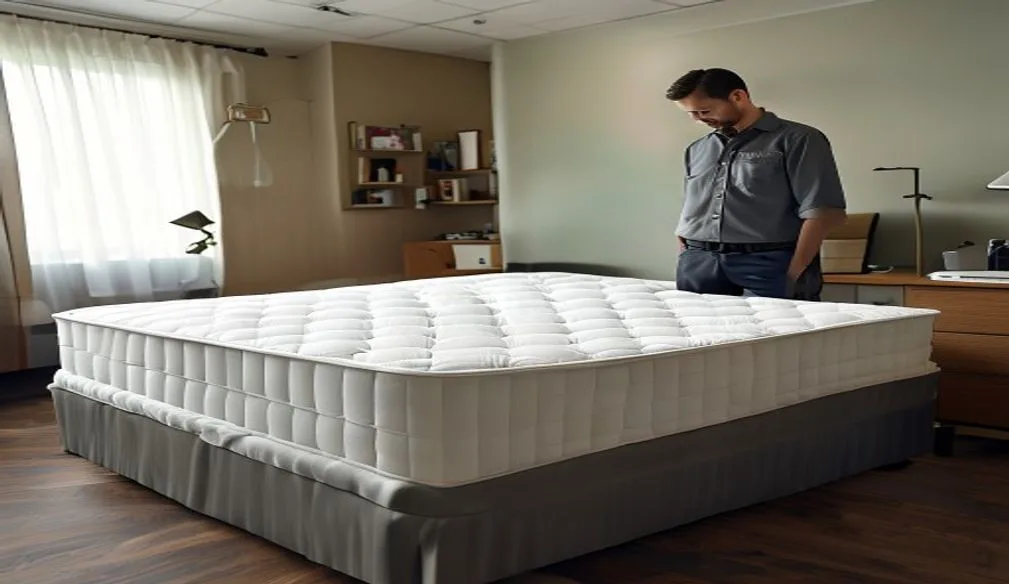
Freezing kills bed bugs, but only under precise conditions that most households cannot reliably achieve. The method works through cellular ice formation, yet temperature consistency and exposure duration create practical barriers that limit its usefulness to small, isolated items rather than whole infestations.
What Actually Happens to Bed Bugs in the Cold
Bed bugs are ectothermic. Their body temperature matches their surroundings, and when that temperature drops rapidly enough, ice crystals form within their cells and rupture internal structures. This is not a matter of simple discomfort. The physiological damage is irreversible, but it requires sustained thermal exposure rather than brief cold snaps.
In my field work, I have inspected apartments where residents placed infested items on fire escapes during winter, assuming outdoor freezing would solve their problem. The results were predictable. Temperature fluctuations allowed survival, and the bugs simply migrated deeper into the building. What I tell clients is straightforward: ambient cold is not controlled cold.
The critical threshold is 0°F (-18°C), maintained without interruption. adult bed bugs and nymphs succumb after approximately four days at this temperature. Eggs present the greater challenge. Their cold tolerance extends survival to seven days at identical conditions. Any warming cycle resets this timeline entirely.
The Gap Between Laboratory Conditions and Home Freezers
Research entomologists achieve consistent mortality in climate-controlled chambers. Home appliances operate differently. Most residential freezers cycle on and off to maintain energy efficiency, creating temperature spikes that bed bugs exploit. Door openings introduce warm air masses. Overpacked compartments restrict airflow and generate thermal pockets where insects survive.
I often see homeowners attempt to treat entire wardrobes or book collections simultaneously. The physics defeat them. Dense packing insulates interior items, slowing temperature drop rates below lethal speed. The outer layers may reach target temperatures while core materials remain in survivable ranges for days.
Freezer thermostats also mislead. The displayed temperature reflects air readings at specific sensor locations, not the thermal state of buried objects. Thick fabrics, foam materials, and paper stacks require extended equilibration periods that standard freezer cycles do not provide.
Transport Risks That Undermine the Treatment
Moving infested items to freezing locations creates secondary contamination pathways. Bed bugs and eggs dislodge during handling, falling onto floors, walls, and transit surfaces. Plastic bagging helps containment but is not foolproof. Tears occur. Seals fail. The mechanical disturbance of bagging itself can scatter insects.
What homeowners miss most is the spatial dimension of infestations. Freezing treats only what enters the freezer. Every bug remaining in mattress seams, electrical outlets, baseboard cracks, and wall voids continues reproducing. The method addresses symptoms locally while the disease spreads systemically.
Material Compatibility and Damage Potential
Cold exposure damages many household materials. Electronics suffer battery leakage and solder joint failure. LCD screens develop permanent dead zones. Vinyl records warp. Wooden instruments crack as moisture expands. Adhesives in furniture and book bindings become brittle and separate.
Items suitable for freezing include hardcover books in sealed polyethylene, small fabric items post-washing, solid non-electronic objects with minimal moisture content, and certain footwear. Everything else requires alternative approaches. The assessment of what can versus cannot survive freezing consumes time that allows untreated populations to expand.
Professional Cryogenic Methods and Their Limits
Some pest control operators employ carbon dioxide snow systems, commonly called Cryonite, which deliver -110°F (-79°C) contact temperatures. The snow sublimates instantly on surfaces, creating lethal thermal shock for exposed insects. I have observed this technique in commercial settings with sensitive equipment where residual methods are prohibited.
The limitation is penetration depth. Cryonite affects only surface layers. Bed bugs in mattress interiors, deep furniture crevices, and wall voids remain untouched. The treatment functions as spot intervention for visible aggregations, not as comprehensive infestation elimination. Professional freezing shares the same constraint as home methods: it cannot reach hidden harborages.
| Temperature | Exposure Required | Practical Scope | |
|---|---|---|---|
| Residential freezer | 0°F (-18°C) | 4–7 days | Small items only |
| Deep freezer | -20°F (-29°C) | 48 hours | Small items only |
| CO₂ snow (Cryonite) | -110°F (-79°C) | Instant contact | Surface spot treatment |
| Outdoor winter exposure | Variable | Unreliable | Not recommended |
Why Freezing Fails as Primary Strategy
The method's inadequacy stems from infestation biology rather than technical deficiency. Bed bugs distribute themselves across multiple microhabitats. Females deposit eggs in scattered locations. Nymphs seek isolated harborage for molting. No freezing protocol addresses this spatial distribution without treating the entire structure, which is thermally and economically impractical.
Residual evidence also persists after freezing kills insects. Fecal spotting, shed exoskeletons, and egg casings remain as allergens and psychological triggers. The visual confirmation of past infestation does not disappear with temperature treatment. Residents continue experiencing stress responses to these remnants.
Integrated Approaches That Actually Work
Effective bed bug management combines multiple physical methods coordinated across the infestation zone. Heat treatment remains the most reliable whole-structure approach, raising ambient temperatures to 120°F+ for sustained periods that penetrate furniture and wall voids. This requires professional equipment and monitoring but achieves single-day elimination when properly executed.
For items unsuitable for heat, freezing serves as one component within broader strategy. I tell clients to reserve freezer treatment for books, decorative objects, and small textiles that cannot tolerate dryer exposure. Everything else proceeds through washing, drying, vacuuming, steam application, and professional thermal remediation.
Inspection precedes all treatment decisions. Confirming infestation extent, identifying primary harborage zones, and mapping spread patterns determine whether localized freezing has any role. In most cases I encounter, the infestation has progressed beyond what item-by-item freezing could address. The window for simple solutions closes quickly with these insects.
Practical Assessment for Homeowners
Before attempting any cold treatment, evaluate your specific situation honestly. Do you have verified bed bug presence or suspected bites only? Have you identified live insects, eggs, or fecal evidence? Is the infestation confined to transportable items or distributed through sleeping areas?
If freezing seems appropriate, verify your freezer's actual performance with a calibrated thermometer placed among items to be treated, not just air temperature. Maintain sealed containment throughout. Accept that this addresses only the treated objects and provides no protection against remaining populations. Consider whether professional evaluation would more efficiently resolve the underlying problem.
Frequently Asked Questions
How can I confirm bed bugs are gone after treatment?
Use a combination of monitoring methods over several weeks.
- Place interceptors on bed legs and check for trapped insects.
- Inspect common hiding spots with a flashlight and magnifier if available.
- Look for new cast skins, tiny dark spots (fecal stains), or live bugs.
Continue monitoring and follow up with your pest professional if signs return.
How long does professional heat treatment take?
Professional heat treatments for bed bugs usually require several hours to raise room temperatures to levels that affect all life stages. You should plan for limited access during the service and follow any pre- and post-treatment guidance provided by the pest management professional.
What are signs of bed bugs in luggage after travel?
After travel, check luggage and nearby areas for bed bug signs such as tiny brown spots (fecal marks), pale shed skins, small eggs or eggshells, and live or flattened bugs. Early detection can help prevent establishing an infestation in your home.
How can I reduce the chance of bringing bed bugs home from travel?
Travel smart habits can lower the risk of picking up bed bugs and spreading them to your home.
- Inspect hotel rooms for live bugs, shed skins, or dark spots on mattresses and furniture.
- Keep luggage on a luggage rack away from beds and walls; consider using a hard-shell case.
- Wash and dry travel clothes on high heat as soon as possible after returning home.
- Store luggage in a sealed area for several weeks if you suspect exposure.
Early detection and careful storage help with prevention and make follow-up easier if needed.