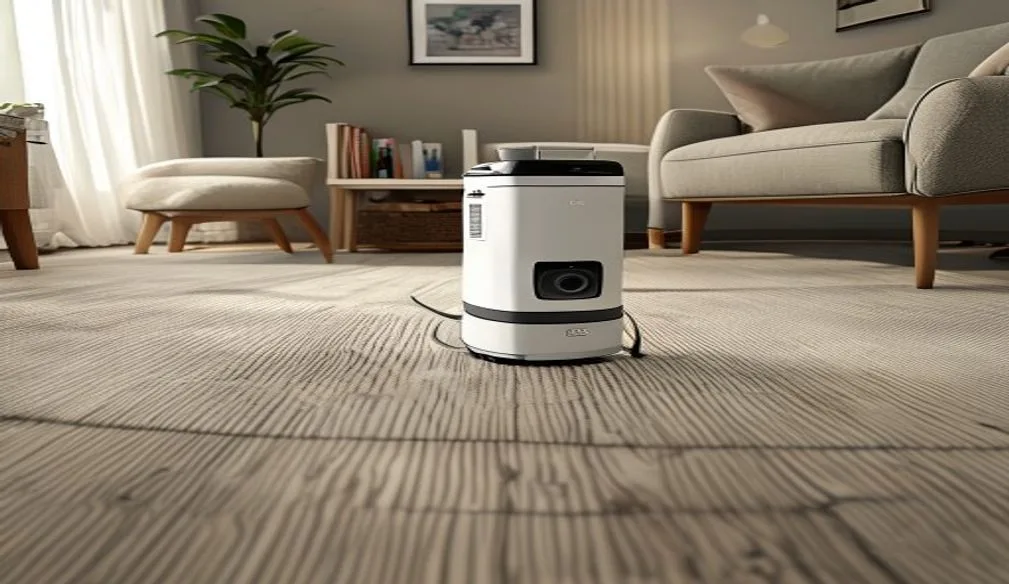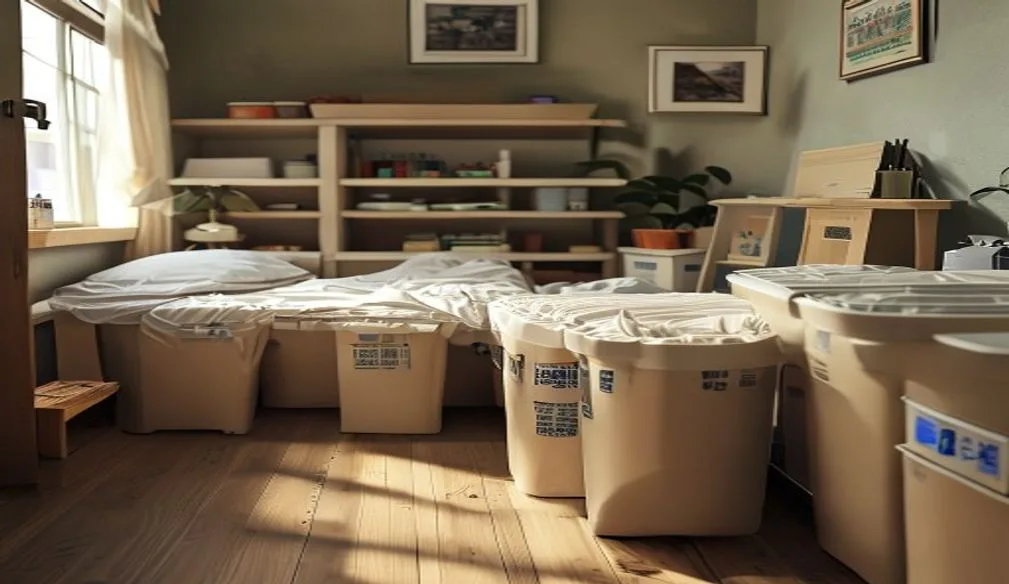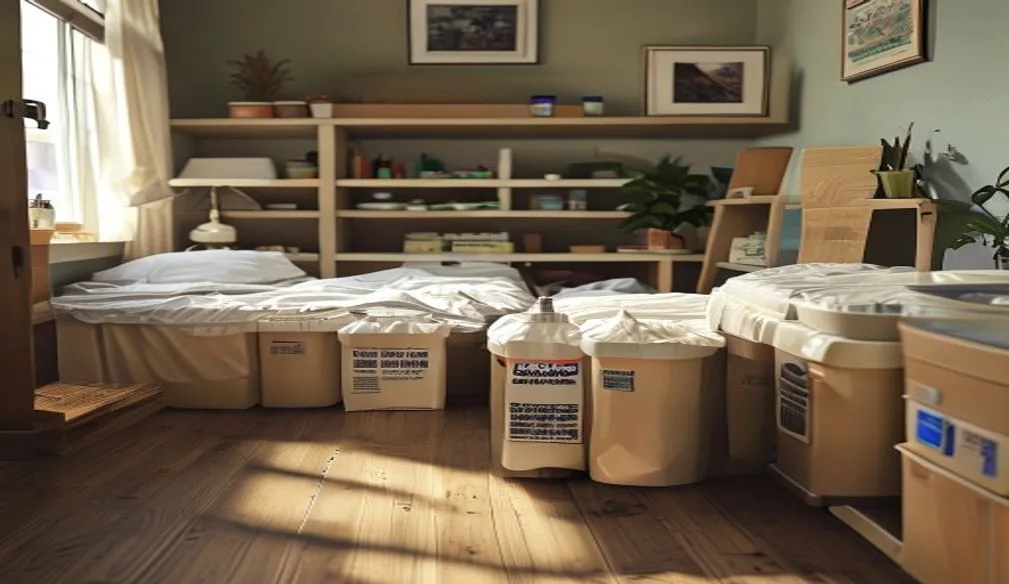
When dealing with a bed bug infestation, one of the most effective and non-chemical methods to eliminate these pests is through heat treatment. Specifically, using a clothes dryer can be a practical approach to kill bed bugs and their eggs. The key is to understand the right temperature and time required to ensure that the heat treatment is effective. In this article, we will explore how to use a clothes dryer for bed bug heat treatment, the necessary precautions, and when to seek professional help.
Early Action: Preparing for Heat Treatment
To start the heat treatment process using a clothes dryer, it's essential to prepare your items properly. Here are the steps to follow in the first 24 hours:- Identify and separate the items that are infested with bed bugs. This typically includes bedding, clothing, and towels.
- Wash these items in hot water (at least 120°F) to kill bed bugs and their eggs.
- Dry the items in a clothes dryer on the highest heat setting for at least 20 minutes. This step is crucial as it ensures that any remaining bed bugs or eggs are killed by the heat.
- For items that cannot be washed or dried, such as stuffed animals or curtains, consider sealing them in plastic bags and placing them in the dryer on a low heat setting for a few hours.
Understanding the Science Behind Heat Treatment
Bed bugs and their eggs are susceptible to heat. When exposed to temperatures above 120°F (49°C), bed bugs can die within minutes. The eggs, however, require a slightly longer exposure to heat to ensure they are killed. The recommended temperature for killing bed bug eggs is around 122°F (50°C) for at least 20 minutes. It's crucial to maintain this temperature consistently throughout the treatment to ensure effectiveness.Key Considerations for Effective Heat Treatment
When using a clothes dryer for heat treatment, it's essential to consider a few key factors: - **Temperature Control:** Ensure the dryer can reach and maintain the necessary temperature. Most modern dryers have a high heat setting that can achieve this. - **Time:** The duration of the heat treatment is critical. A minimum of 20 minutes on high heat is recommended to kill both bed bugs and their eggs. - **Moisture:** Bed bugs thrive in humid environments. The dryer's heat not only kills the bugs but also reduces moisture, making the environment less conducive for their survival. In my practice, I've seen that understanding these factors is vital for the success of the heat treatment. It's not just about throwing infested items in the dryer; it's about ensuring the conditions are right for effective treatment.When to Call a Licensed Professional
While heat treatment using a clothes dryer can be an effective method for killing bed bugs and their eggs, it may not be sufficient for severe infestations or for treating entire homes. In such cases, it's crucial to call a licensed pest control professional. They have the equipment and expertise to perform a thorough heat treatment of your home, including areas that a clothes dryer cannot reach, such as behind walls and in furniture. Additionally, if you're unsure about the severity of your infestation or how to proceed with treatment, consulting a professional is the best course of action. As a field specialist, I've encountered numerous cases where homeowners have attempted to treat bed bug infestations on their own, only to find that the problem persists or worsens. This is often due to the lack of specialized equipment and expertise required to effectively treat severe infestations.Frequently Asked Questions
Here are some practical next steps and FAQs to consider when using a clothes dryer for bed bug heat treatment:- Q: Can I use a clothes dryer to kill bed bugs in all my belongings? A: While a clothes dryer is effective for items like clothing and bedding, it's not practical or safe for all belongings. For items that cannot be washed or dried, consider other heat treatment methods or consult a professional.
- Q: How often should I repeat the heat treatment process? A: The frequency of heat treatment depends on the severity of the infestation. For lightly infested items, one treatment may suffice, but for more severe cases, repeated treatments may be necessary.
- Q: Are there any risks associated with using a clothes dryer for heat treatment? A: Yes, there are risks such as damage to certain fabrics or overheating, which can lead to fires. Always follow the manufacturer's guidelines for your dryer and ensure you're using it safely.
- Q: Can I use other heat sources for bed bug treatment? A: Yes, other heat sources like portable heat treatment units or professional equipment can be used. However, these methods should be used with caution and under the guidance of a professional to avoid accidents and ensure effectiveness.
- Q: How do I prevent re-infestation after successful heat treatment? A: Prevention involves regular inspections, sealing cracks and crevices, using mattress encasements, and being cautious when bringing second-hand items into your home. Maintaining a clean and dry environment also helps deter bed bugs.
Frequently Asked Questions
How long does professional heat treatment take?
Professional heat treatments for bed bugs usually last several hours, depending on the size of the area and equipment used. During the process, rooms are typically unoccupied, and belongings may need to be moved or bagged.
Key points
- Duration varies with infestation level and space layout
- Follow-up inspections are often scheduled to assess results
- Always use a licensed pest professional for safety and effectiveness
What should I do before a professional heat treatment?
Preparation is key to effective heat treatment. Remove or securely bag items that could be damaged by heat, and follow all instructions provided by your pest control company.
Typical steps include decluttering, washing and drying fabrics on high heat, and keeping treated areas accessible. Do not apply DIY pesticides before heat treatment, as they can be dangerous and reduce effectiveness.
How can I confirm bed bugs are gone after treatment?
Use a combination of monitoring methods over several weeks.
- Place interceptors on bed legs and check for trapped insects.
- Inspect common hiding spots with a flashlight and magnifier if available.
- Look for new cast skins, tiny dark spots (fecal stains), or live bugs.
Continue monitoring and follow up with your pest professional if signs return.
How do I prepare for a professional bed bug treatment?
Follow these steps to help a pest professional be effective and safe.
- Wash and dry infested clothing and linens on the hottest settings allowed.
- Declutter floors and surfaces to reduce hiding spots.
- Seal items you cannot treat in labeled plastic bags until they can be inspected or treated.
Discuss any health concerns or special needs with your pest control provider before treatment.