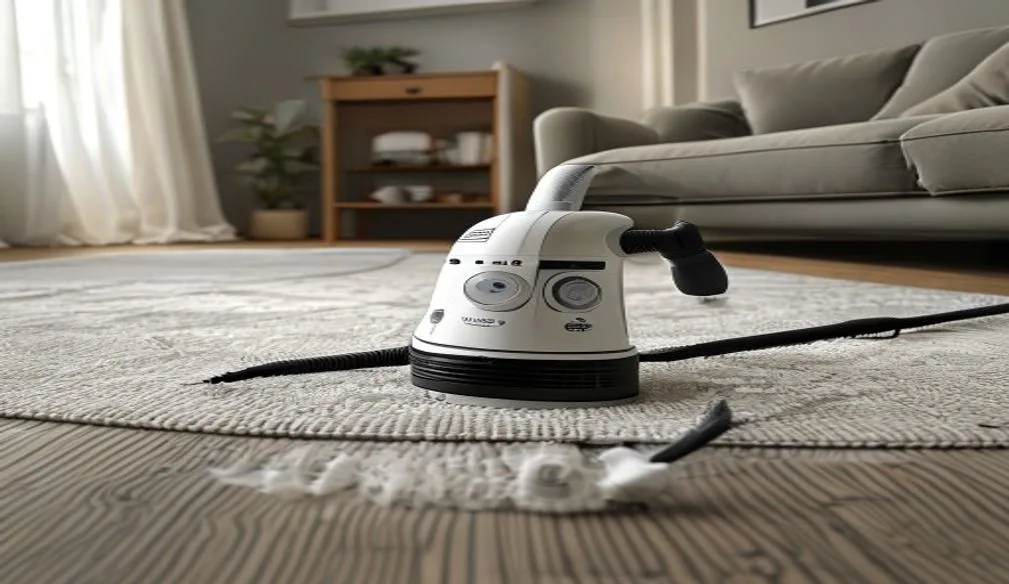
Heat treatment destroys bed bugs by raising ambient and core temperatures to levels lethal to all life stages—eggs, nymphs, and adult bed bugs—without relying on chemical agents. Professional thermal remediation uses calibrated heating equipment, strategic airflow, and continuous temperature monitoring to achieve uniform heat penetration throughout infested spaces. Success depends on sustained exposure at target temperatures, thorough preparation, and verification protocols that confirm eradication.
How Thermal Remediation Actually Works
Bed bugs succumb to heat when their body temperature reaches approximately 113–115°F (45–46°C), but eggs require sustained exposure at higher temperatures to ensure complete mortality. Professional operators target ambient air temperatures of 120°F (49°C) or above, knowing that heat must transfer into voids, furniture cores, and fabric layers where bed bugs harbor.
The physics of heat treatment involves convection, conduction, and radiation working simultaneously. Forced-air heaters distribute heated air throughout the space while fans eliminate temperature stratification. Thermal energy then conducts into mattresses, wall voids, and cluttered areas where bed bugs retreat. Without proper airflow management, cool pockets persist—I've seen technicians discover surviving populations behind baseboards where airflow was blocked by heavy furniture.
What I tell clients is that heat treatment is not simply "making the room hot." The process requires calculating heat load based on cubic footage, insulation values, and thermal mass of contents. A cluttered bedroom with books, clothing piles, and upholstered furniture demands different parameters than a sparsely furnished hotel room. Operators map sensor placement to verify that lethal temperatures reach every potential harborage, not just the open floor space.
Critical monitoring occurs throughout the treatment cycle. Wireless temperature sensors positioned in representative locations transmit data to operators who adjust equipment placement and output in real time. This prevents overheating that could damage structural materials or contents while ensuring no zone remains below lethal thresholds.
Preparation Protocols That Determine Success
Resident preparation directly impacts treatment efficacy. Bed bugs shielded from heated air by clutter, protective coverings, or improper item placement survive to re-infest. Professional thermal remediation requires systematic preparation coordinated between the pest management provider and occupants.
Items sensitive to heat must be identified and removed or protected. These include certain plastics, waxed objects, pressurized containers, musical instruments, and some electronics. However, modern professional equipment often uses controlled heating profiles that minimize risk to properly positioned items—consult your operator rather than assuming removal is necessary for everything.
Textiles present a special consideration. Bedding, clothing, and linens should be laundered in hot water and dried on high heat before treatment when possible. This serves dual purposes: reducing the overall pest population before heat treatment and ensuring that items entering post-treatment storage are bed-bug-free. In my field work, I've observed that clients who skip this step sometimes reintroduce bed bugs from untreated laundry hampers.
Structural preparation matters equally. Sealing obvious cracks and gaps improves temperature uniformity by reducing heat loss. Clearing floor areas allows proper airflow around furniture legs and baseboards. Removing or loosening outlet and switch plate covers permits heat penetration into wall voids where bed bugs frequently travel between units in multi-family housing.
Equipment Configurations and Operational Choices
Professional thermal remediation employs several heating system designs, each suited to specific building configurations and infestation characteristics. Understanding these distinctions helps property managers and residents evaluate proposals and set realistic expectations.
| Typical Application | Key Considerations | |
|---|---|---|
| Electric forced-air heaters | Residential rooms, apartments, hotel units | Requires adequate electrical capacity; quiet operation; precise temperature control |
| Propane/diesel indirect-fired heaters | Whole-house treatments, commercial spaces | Higher heat output; exterior placement with ducting; fuel logistics |
| Steam systems (localized) | Spot treatments, furniture, mattress seams | Immediate kill on contact; labor-intensive; limited penetration |
| Built-in building heat (rare) | Industrial facilities with existing infrastructure | Requires specialized engineering; uncommon for residential |
Electric systems dominate residential work due to their controllability and reduced combustion risk. Multiple high-capacity units distribute heat while specialized fans create turbulent airflow that penetrates harborage areas. Treatment duration typically spans 6–12 hours including heat-up, dwell time at target temperature, and controlled cooldown.
Propane and diesel systems excel in larger structures where electrical infrastructure cannot support sufficient heating capacity. These systems position the heat source outside, ducting hot air through temporary penetrations. Operators must manage combustion byproducts, fuel supply, and more significant temperature gradients between the heat source and distant zones.
Post-Treatment Verification and Follow-Up
Heat treatment completion does not guarantee immediate eradication verification. Bed bug eggs that survived initial exposure—rare but possible in protected microclimates—may hatch days later. Professional protocols incorporate inspection and monitoring phases to confirm success and address any survivors promptly.
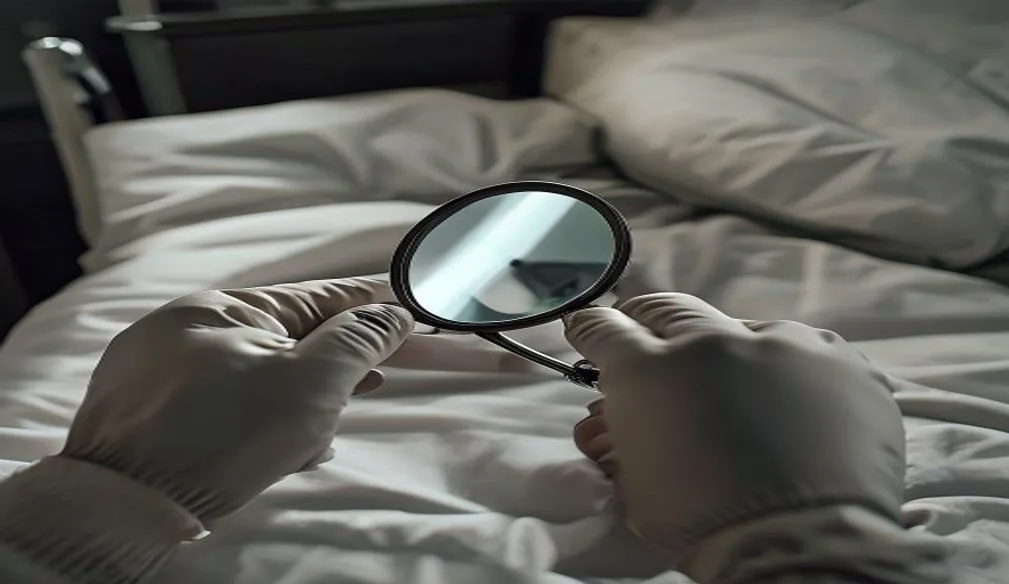
Immediate post-treatment inspection focuses on identifying dead bed bugs, cast skins, and fecal spotting that indicate prior activity. Technicians examine previously identified harborage areas and install monitoring devices. Interceptor traps placed under bed legs and passive monitors in suspect locations provide ongoing detection capability.
The cooldown phase requires attention to prevent secondary issues. Rapid temperature drops can create condensation on cool surfaces, potentially promoting mold growth in already-stressed environments. Controlled cooldown protocols allow gradual temperature equalization while occupants remain absent.
I often see anxiety from clients who spot a single bed bug weeks after treatment. This does not necessarily indicate treatment failure—reintroduction from untreated adjacent units, travel, or used furniture remains possible. Documentation of treatment parameters, including temperature logs and sensor placements, supports warranty discussions and guides any necessary follow-up actions.
Integration with Broader Pest Management
Heat treatment functions most effectively as one component of an integrated pest management (IPM) approach rather than a standalone solution. Physical controls, monitoring, and prevention strategies extend treatment benefits and reduce reinfestation risk.
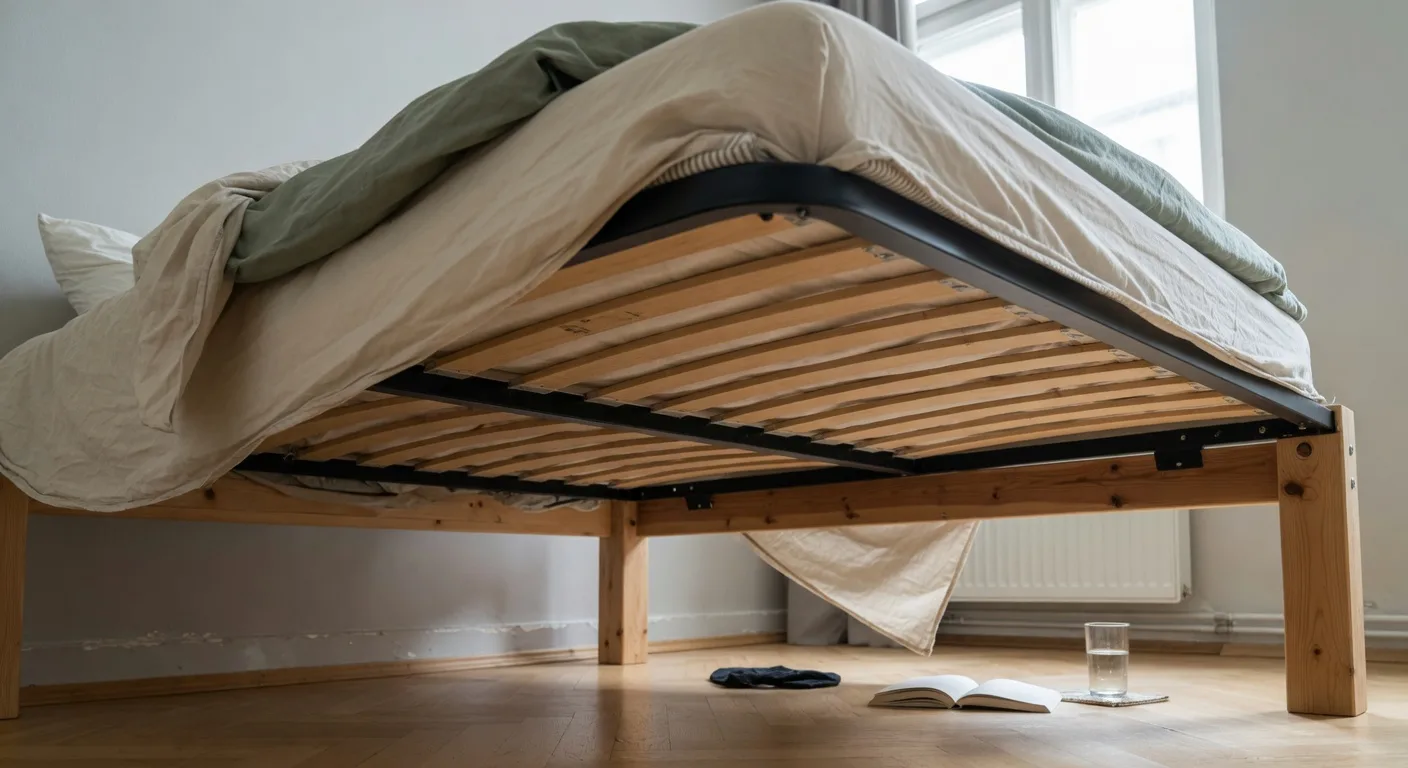
Encasements for mattresses and box springs installed after treatment eliminate harborage and trap any surviving bed bugs for eventual death. These also simplify future inspection by making bed bug signs visible on the encasement surface. I recommend quality encasements with documented bed bug-proof zippers and fabric construction.
Ongoing vigilance includes regular inspection of sleeping areas, careful examination of luggage after travel, and caution with secondhand furniture. Multi-unit buildings benefit from coordinated management across units, as bed bugs readily disperse through wall voids and utility chases. Heat treatment in one unit without addressing adjacent infestations often leads to rapid reinfestation.
When heat treatment is impractical—due to building construction, contents that cannot be protected, or electrical limitations—professional pest managers may recommend alternative or complementary approaches. These decisions should follow inspection and consultation, not generic recommendations.
Questions Property Owners and Residents Ask
How do I know if heat treatment succeeded? Verification combines immediate inspection for dead insects, monitoring device placement, and follow-up visits. Complete absence of bed bug signs after 2–4 weeks strongly indicates success, though ongoing awareness remains prudent.
Can I stay in the building during treatment? No. Occupants and pets must vacate during active heating for safety and to maintain stable thermal conditions. Re-entry follows professional clearance after cooldown and basic safety verification.
Will heat damage my belongings? Properly executed professional treatment minimizes risk through controlled heating rates and temperature limits. Pre-treatment consultation identifies items requiring removal or special protection. Most household contents tolerate professional thermal remediation without damage.
How does heat compare to other bed bug control methods? Heat offers single-treatment potential for complete eradication when properly executed, with no chemical residue concerns. It requires more preparation and specialized equipment than some alternatives. The best method depends on infestation extent, building characteristics, and resident circumstances—professional assessment guides this decision.
Frequently Asked Questions
What should I do before a professional heat treatment?
Preparation is key to effective heat treatment. Remove or securely bag items that could be damaged by heat, and follow all instructions provided by your pest control company.
Typical steps include decluttering, washing and drying fabrics on high heat, and keeping treated areas accessible. Do not apply DIY pesticides before heat treatment, as they can be dangerous and reduce effectiveness.
How long does professional heat treatment take?
Professional heat treatments for bed bugs usually require several hours to raise room temperatures to levels that affect all life stages. You should plan for limited access during the service and follow any pre- and post-treatment guidance provided by the pest management professional.
How do I prepare for a professional bed bug treatment?
Follow these steps to help a pest professional be effective and safe.
- Wash and dry infested clothing and linens on the hottest settings allowed.
- Declutter floors and surfaces to reduce hiding spots.
- Seal items you cannot treat in labeled plastic bags until they can be inspected or treated.
Discuss any health concerns or special needs with your pest control provider before treatment.
How can I confirm bed bugs are gone after treatment?
Use a combination of monitoring methods over several weeks.
- Place interceptors on bed legs and check for trapped insects.
- Inspect common hiding spots with a flashlight and magnifier if available.
- Look for new cast skins, tiny dark spots (fecal stains), or live bugs.
Continue monitoring and follow up with your pest professional if signs return.