You can eliminate bed bugs from a mattress without chemicals by combining sustained heat, physical removal, and desiccants that dehydrate the insects. The key is breaking the life cycle through multiple simultaneous tactics rather than relying on any single method. I have guided hundreds of homeowners through this process over two decades of field work, and the ones who succeed follow a strict protocol that targets eggs, nymphs, and adult bed bugs at every stage.
Why Bed Bugs Persist in Mattresses
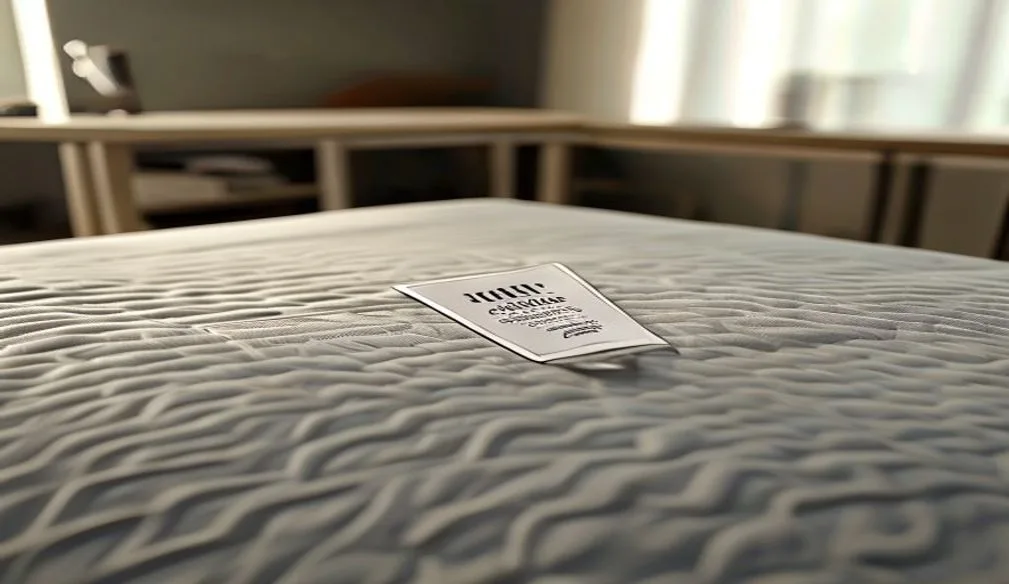
Bed bugs favor mattresses because they provide stable temperatures, tight hiding spaces, and predictable access to hosts. The seams, tags, and tufts offer perfect harborage for eggs cemented to fabric fibers. A single female can deposit one to five eggs daily, often in clusters of ten to fifty, which is why partial treatment fails so predictably.
In my field work, I often see homeowners focus only on the mattress surface while ignoring the box spring, bed frame, and surrounding floor perimeter. Bed bugs travel five to twenty feet to feed, so the mattress is rarely the only reservoir. What I tell clients first is simple: treat the sleeping area as a three-dimensional zone, not a single object.
Heat Treatment Methods That Work Without Equipment
Heat kills bed bugs at temperatures above 120°F when sustained for sufficient time. You do not need professional heating equipment to achieve this.
Clothes Dryer Protocol for Bedding
Strip the bed completely and place all bedding directly into the dryer before washing. Run the dryer on its highest heat setting for at least thirty minutes. This kills all life stages, including eggs adhered to fabric fibers. Only after this heat cycle should you wash items normally and dry again. I have verified through inspection that eggs survive washing alone; the dryer heat is the critical lethal step.
Steam Application for Mattress Surfaces
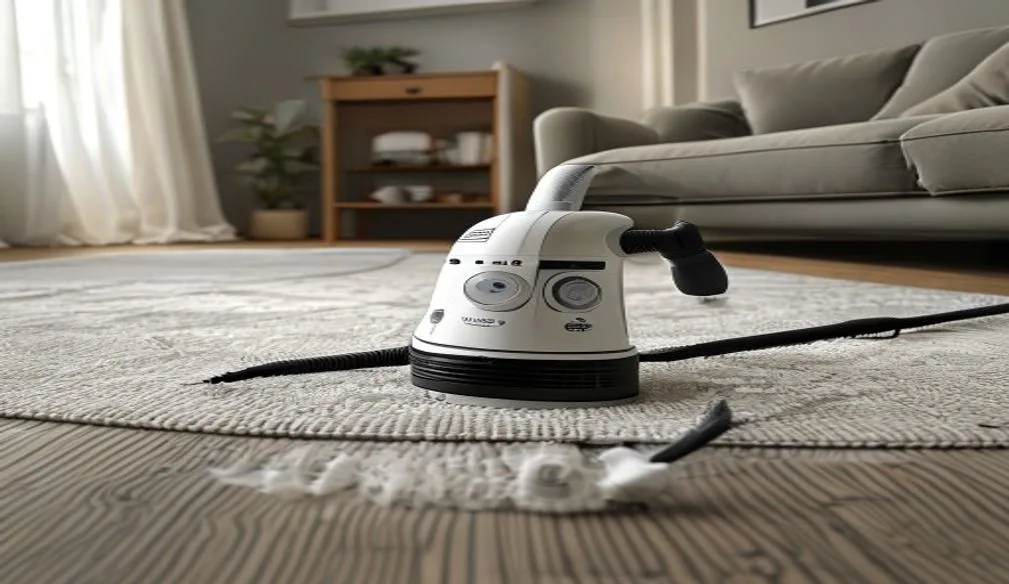
A handheld steam cleaner delivering dry steam above 200°F penetrates mattress seams and tufts where vacuums cannot reach. Move the nozzle slowly—about one inch per second—to ensure heat transfer into crevices. Allow the mattress to dry completely before encasing; trapped moisture promotes mold and degrades the encasement seal.
Mechanical Removal and Physical Barriers
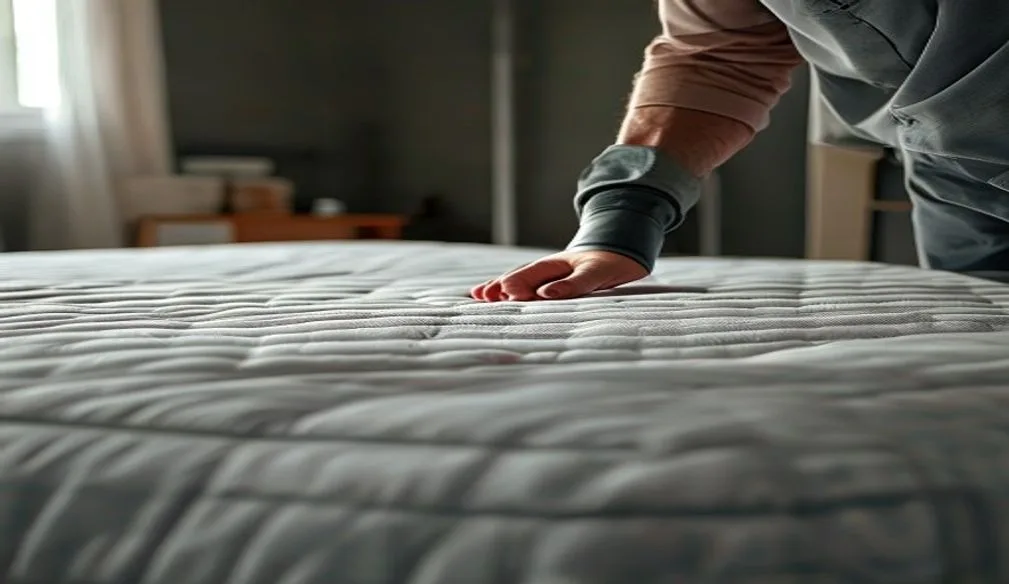
Vacuuming removes visible bugs, shed skins, and loose eggs while reducing the population immediately. Use a vacuum with strong suction and a crevice tool attachment. Work methodically across the mattress surface, then flip and repeat on the underside. Pay particular attention to seams, tags, and any tears in the fabric.
Immediately after vacuuming, install a bed bug-proof encasement on both mattress and box spring. Quality encasements feature zipper teeth fine enough to prevent nymph passage and interior seals that trap any surviving bugs inside. What homeowners miss most is that encasements must remain in place for at least twelve to eighteen months—long enough for trapped bugs to starve and any dormant eggs to hatch and die.
Natural Desiccants for Residual Control
Desiccants exploit bed bugs' waxy cuticle, causing fatal dehydration. Unlike chemical treatments, insects cannot develop resistance to physical desiccation.
| Application Method | Duration of Effectiveness | |
|---|---|---|
| Silica gel powder | Light dusting in bed frame joints, baseboard cracks | Indefinite if kept dry |
| Activated silica aerogel | Applied with bulb duster to voids and crevices | Months under normal humidity |
Apply desiccants sparingly—a visible dusting is excessive and can become airborne. Focus on cracks in the bed frame, floor molding gaps, and other harborages within six feet of the bed. Reapply after vacuuming, as suction removes the powder layer.
Bed Isolation and Monitoring Techniques
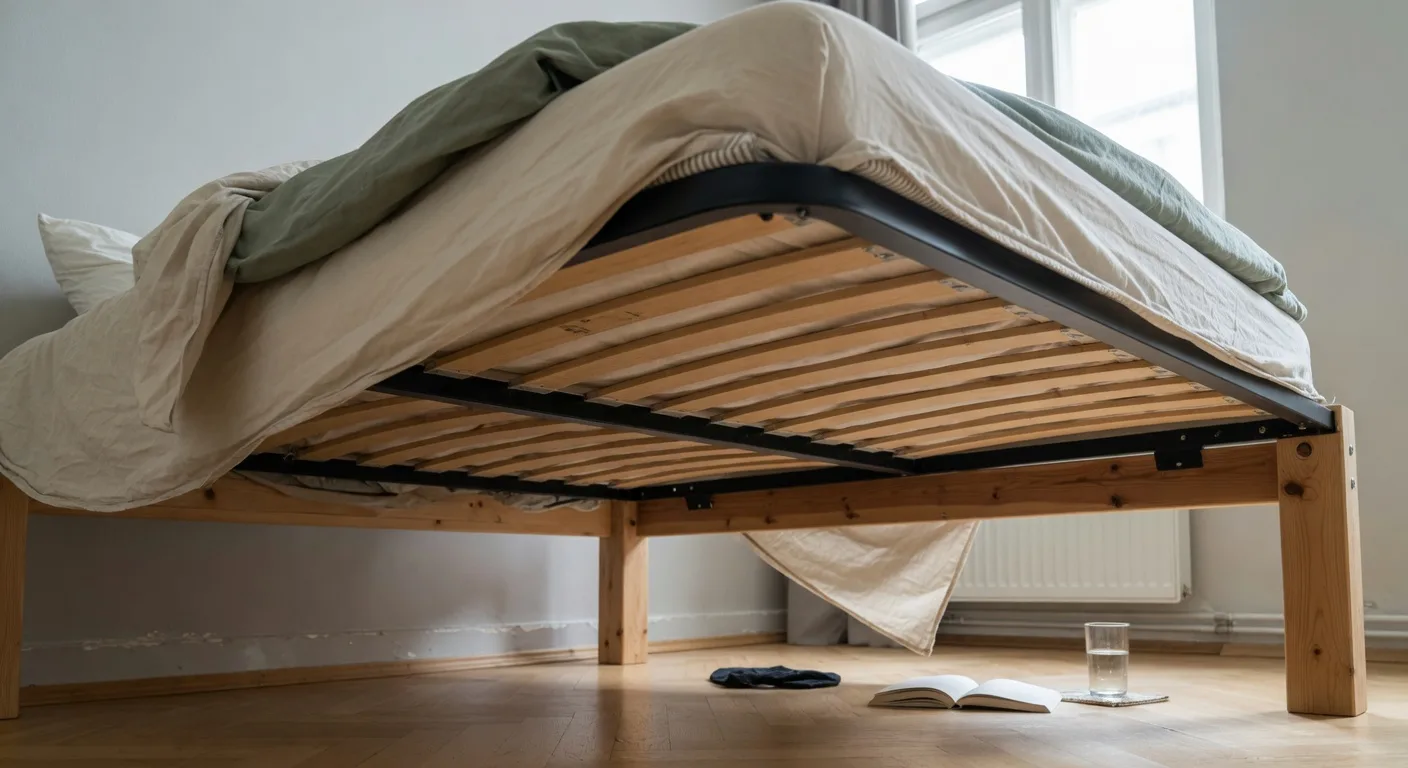
Creating physical separation between the bed and surrounding infestation prevents re-colonization while you treat. Pull the bed frame away from walls and ensure no bedding touches the floor. This forces bed bugs to climb bed legs to reach you.
Install interceptor traps under each bed leg. These simple devices feature a textured outer ramp and smooth inner well that traps climbing insects. Check interceptors every morning and record counts. A declining catch over two to four weeks indicates your treatment is working; increasing counts suggest untreated harborages elsewhere in the room.
Sustained Vigilance and Re-treatment Timing
Natural methods demand persistence because eggs hatch asynchronously. Even thorough initial treatment leaves viable eggs that will emerge over subsequent weeks. I advise clients to maintain the full protocol—heat treatment of bedding, vacuuming, desiccant application, and interceptor monitoring—for at least six to eight weeks from the last observed bug or bite.
Continue washing and heat-drying bedding weekly throughout this period. Inspect mattress encasements monthly for tears or zipper gaps. Replace interceptors if they accumulate debris that bridges the trap wall. The homeowners who succeed treat the process as a sustained campaign, not a single weekend project.
Recognizing When Professional Intervention Becomes Necessary
Natural methods fail when infestations are severe, widespread to multiple rooms, or involve attached housing units with shared walls. If you observe bed bugs in daylight—indicating heavy population pressure—or if interceptor counts rise after four weeks of consistent treatment, the infestation likely exceeds what non-chemical methods can address.
Licensed pest management professionals can deploy integrated pest management strategies that combine inspection, heat treatment of entire rooms, and targeted application methods not available to homeowners. Their assessment also identifies whether bed bugs have spread to adjacent units, which requires coordinated treatment to prevent rapid re-infestation.
Common Questions About Natural Bed Bug Control
Can mattress replacement solve the problem?
Discarding a mattress rarely eliminates an infestation. Bed bugs occupy bed frames, nightstands, baseboards, and electrical outlets. Without treating these harborages, new bedding becomes infested within days. Replacement is only advisable after complete elimination is confirmed, and even then, immediate encasement of the new mattress is essential.
Do essential oils kill bed bugs?
Laboratory studies show some essential oils have repellent properties, but none reliably kill bed bugs or eggs at concentrations safe for residential use. Relying on oils as a primary treatment wastes critical early intervention time while populations expand.
How do I know treatment has succeeded?
Success is confirmed by absence: no live bugs in interceptors for fourteen consecutive days, no new bites, no blood spots on sheets, and no shed skins or fecal staining. Maintain encasements and monitoring for at least two weeks after this point to ensure late-hatching eggs have been eliminated.
Related guides — different questions
These articles cover overlapping topics but answer different questions. Pick the one that matches your situation.
- How to get rid of bed bugs in mattress without chemicals
Read if: You refuse chemical treatments and need a mechanical/IPM approach.
Frequently Asked Questions
Can bed bugs live in a foam mattress?
Bed bugs do not burrow inside memory foam, but they readily hide on seams, zippers, labels, and the underside edges where the cover meets the frame.
Foam mattresses still need encasements and seam inspections like any other bed. Focus on tufts, piping, and nearby furniture—not the foam core itself.
Can bed bugs live on memory foam mattresses?
Yes—bed bugs can live on memory foam mattresses by sheltering in seams, folds, and bed frames. They are not inside the foam block but on surfaces you touch when changing sheets.
Check piping with a flashlight, install a bed-bug-proof encasement, and isolate the bed from walls while you monitor or schedule professional treatment if needed.
Can you see bed bugs with the naked eye on a mattress?
Yes. Adult bed bugs are about apple-seed size (4–5 mm), reddish-brown, and visible on light-colored mattress fabric when you part the seams with a flashlight.
Nymphs and eggs are harder to spot but still visible as tiny pale insects or white pinhead ovals. Slow, close inspection beats a quick glance—check seams, tags, and box spring corners.
How do you identify bed bugs on a mattress?
Strip bedding and run a flashlight along mattress seams, piping, tags, and the box spring corners. Adults are apple-seed sized; eggs are pinhead white ovals glued in clusters.
Look for rusty blood spots on sheets and dark fecal dots that smear when lightly wiped. Repeat on both sides of the mattress and the bed frame before deciding on encasements or professional help.