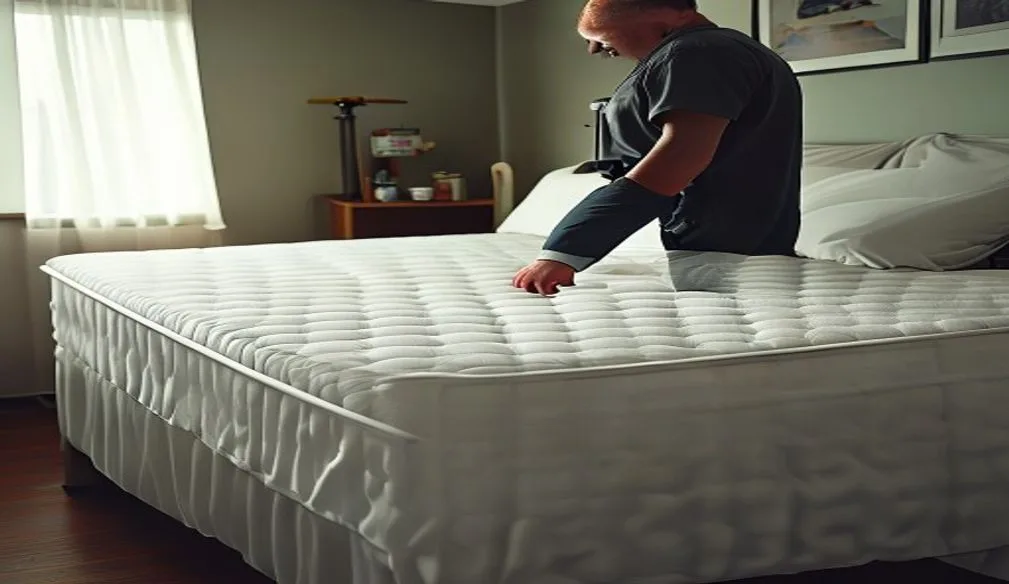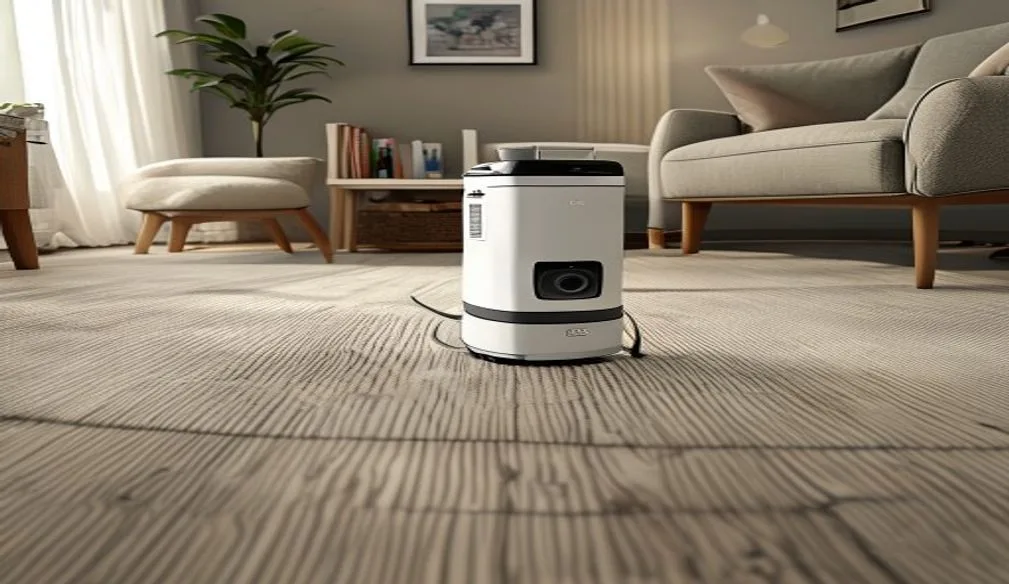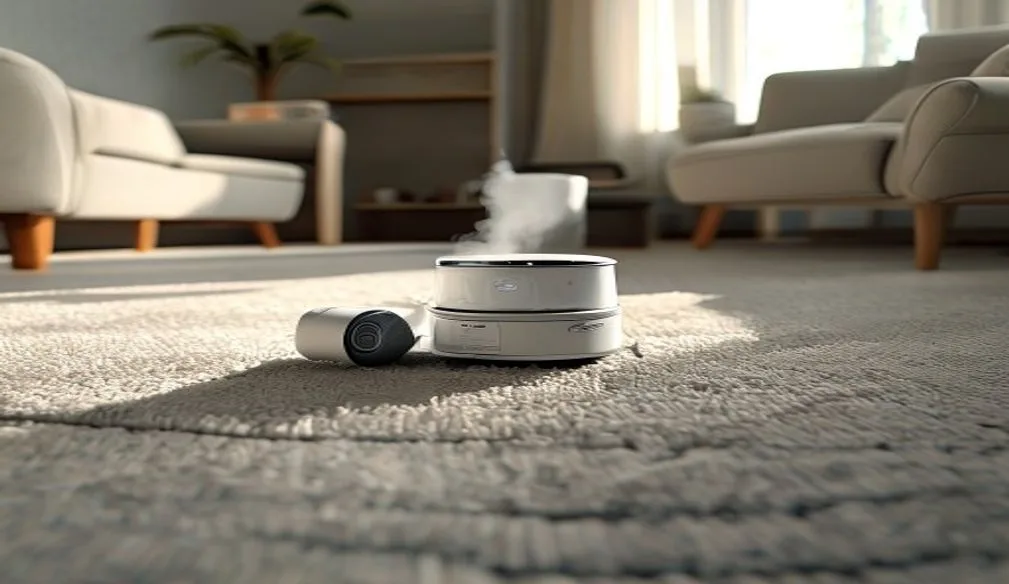
Bed bug eggs cemented inside wall cracks and floor crevices are the single most stubborn obstacle to ending an infestation. Sustained heat at 120°F (50°C) or higher penetrates these hiding spots and kills embryos within 45–60 minutes—longer than most homeowners realize, and far longer than a quick blast of hot air from a handheld tool can deliver.
Why Cracks Protect Eggs Better Than Open Surfaces
Female bed bugs instinctively deposit eggs in the narrowest gaps they can find. Baseboard corners, the seam where carpet meets wall, electrical outlet boxes, and the voids behind loose plaster all provide microclimates that shield eggs from disturbance. The female's adhesive secretion hardens quickly, anchoring each 1 mm pearl-white egg to rough or porous surfaces. What I tell clients early in every inspection: if you can slide a business card into a gap, assume eggs could be inside it.
Cracks create three distinct survival advantages for eggs. First, they block direct airflow, which slows heat penetration during amateur attempts. Second, they maintain slightly higher humidity than exposed surfaces, preventing egg desiccation. Third, they place eggs beyond the reach of vacuums, steam wands, and most mechanical cleaning. I often see homeowners focus entirely on mattresses and box springs while ignoring the linear cracks along baseboards where 30–40% of eggs in a typical bedroom hide.
The thermal mass of surrounding materials matters enormously. A thin drywall seam heats faster than a deep void inside a wooden baseboard. Concrete or tile adjacent to a crack acts as a heat sink, requiring extended dwell time at target temperature. Professional heat treatment accounts for these variables by using thermal sensors placed at the coldest suspected harborage points—not by guessing.
How Sustained Heat Reaches Eggs in Deep Voids
Convective heating—the method used in professional bed bug heat treatment—raises ambient air temperature throughout an entire room or structure. Fans circulate heated air into crevices that no direct application tool could reach. This distinguishes true heat treatment from localized methods like steam or hair dryers, which cannot maintain lethal temperature long enough at depth.
The physics are straightforward but unforgiving. Bed bug eggs contain water and proteins that denature at sustained temperatures above 113°F (45°C), but the outer chorion provides insulation. Research and field practice consistently show that 120°F (50°C) held for 45–60 minutes ensures complete mortality, accounting for thermal lag in protected locations. Shorter durations or lower temperatures risk survivors that re-establish the population within weeks.
In my field work, I often see the aftermath of failed DIY heat attempts. One apartment treatment used multiple space heaters aimed at baseboards for 20 minutes. Surface thermometers read 130°F, but thermal probes inside outlet boxes never exceeded 95°F. Eggs survived. The infestation rebounded within six weeks. What homeowners miss most is that air temperature and object temperature are not the same—especially inside cracks.
Professional systems use indirect-fired heaters or electric units with high-volume airflow, combined with hundreds of feet of ducting to distribute heat evenly. Technicians place wireless sensors inside wall voids, behind switch plates, and within furniture cavities. Treatment continues until all sensors maintain 120°F for the required duration, plus a safety margin. No shortcut exists for this thoroughness.
Preparing Cracks and Voids for Maximum Heat Penetration
Preparation determines whether heat reaches eggs or flows around them. Sealing obvious gaps with caulk before treatment is counterproductive—it traps cool air inside voids. Instead, the goal is to eliminate barriers to airflow while protecting heat-sensitive items.
Remove outlet and switch plate covers to expose wall cavities. Pull carpet edges back from tack strips where possible. Open closet doors and drawer interiors to prevent stagnant zones. I tell clients to think of the room as a system: any enclosed space, no matter how small, needs a thermal path to the heated air.
Items that block heat or create fire risk must be removed. Candles, aerosol cans, pressurized containers, and oil-based art supplies can ignite or explode. Electronics survive treatment but may suffer reduced lifespan from prolonged heat exposure—back up data and consider removal if possible. Vinyl records, wax-based cosmetics, and certain medications degrade at sustained 120°F temperatures.
Structural preparation matters too. Loose wallpaper or bubbling paint may detach during treatment as adhesives soften. Inform the technician of any recent repairs or moisture damage that could affect material response to heat. In one case I supervised, a client failed to mention a recent water leak behind baseboards; the damp wood required 40% longer heating time to reach lethal temperature.
What Actually Happens to Eggs During Treatment
Inside the egg, the developing embryo relies on enzymatic processes that function within a narrow temperature range. Sustained heat disrupts these processes irreversibly. The chorion does not melt or visibly change; rather, the internal damage prevents hatching. Dead eggs remain in place, cemented to their substrate, and gradually desiccate over subsequent weeks.
This invisibility frustrates homeowners expecting immediate confirmation. Live and heat-killed eggs look identical to the naked eye. The only reliable indicator of success is the absence of new nymphs after 2–3 weeks—the typical incubation period at room temperature. I advise clients to maintain monitoring tools (interceptors under bed legs, regular inspections) rather than searching for changed egg appearance.
Post-treatment, vacuuming removes dead eggs, shed skins, and debris but is not required for efficacy. The adhesive that cemented eggs remains effective even after embryo death, so mechanical removal requires deliberate scraping. Most professionals recommend waiting 48–72 hours after treatment before aggressive cleaning, allowing materials to cool and any displaced adult bed bugs to contact residual monitoring devices.
Limitations of Consumer-Grade Heat Methods
Clothes dryers perform excellently for washable items but cannot treat structural cracks. Portable heat chambers—tents or boxes for furniture—work only for objects that fit inside and cannot address wall voids or fixed installations. These tools have their place in integrated management but do not substitute for whole-room or whole-structure treatment when eggs are distributed in building cracks.
Handheld devices marketed for bed bug control—hair dryers, heat guns, steamers—fail against eggs in cracks for predictable reasons. None maintain 120°F at depth for 45–60 minutes. Steam penetrates poorly into dry voids and wets materials, potentially creating mold conditions. Heat guns create fire risks and surface damage without reliable kill at depth. I have documented dozens of cases where such tools provided false confidence while eggs survived in untreated harborages.
| Reaches Cracks | Sustained Lethal Heat | Practical Limitation | |
|---|---|---|---|
| Professional convective heat | Yes—forced air penetration | Yes—sensor-verified duration | Cost; preparation requirements |
| Clothes dryer | No—items only | Yes—controlled chamber | Size constraints; no structural treatment |
| Portable heat chamber | No—enclosed objects only | Yes—if properly operated | Volume limits; no fixed installations |
| Steam application | Poor—condenses at surface | No—temperature drops rapidly | Wet materials; no deep void penetration |
| Hair dryer / heat gun | No—surface heating only | No—cannot sustain duration | Fire risk; ineffective at depth |
Recognizing When Professional Treatment Is Necessary
Crack-distributed eggs almost always indicate professional intervention is warranted. The investment in proper heat treatment—typically $1,000–$3,000 for residential spaces depending on size and region—compares favorably to repeated failed DIY attempts, replacement of discarded furniture, and the psychological toll of persistent infestation.
Select providers with specific bed bug experience, not general pest control contractors. Verify they use temperature monitoring throughout the treatment volume, not just at a single point. Ask about their protocol for wall voids, electrical fixtures, and other crack systems. Reputable companies warranty their work with follow-up inspections at 14 and 30 days.
In my experience, the homeowners who achieve fastest resolution are those who combine professional heat treatment with disciplined post-treatment monitoring. They do not assume one treatment eliminates all risk. They maintain encasements, inspect regularly, and respond immediately to any suspicious signs. Heat kills eggs in cracks effectively—but vigilance prevents reintroduction from outside sources.
Common Questions About Heat and Egg Mortality
Homeowners often ask whether shorter, hotter treatments work better than longer, moderate ones. The answer is no: protein denaturation in eggs follows time-temperature relationships that favor sustained exposure. Brief exposure to 140°F (60°C) does not compensate for adequate duration at 120°F (50°C) because heat penetration into cracks lags behind air temperature.
Another frequent question concerns eggs in electronics or other heat-sensitive items. Professional protocols typically remove these items for separate treatment—often thermal chamber processing at lower temperatures for extended periods, or in rare cases, careful inspection and isolation. The risk of egg deposition inside electronics is real but lower than in stationary cracks; bed bugs prefer surfaces that do not vibrate or generate intermittent heat.
Finally, clients wonder whether heat treatment damages their home. Properly executed, convective heating causes no structural damage. Cosmetic effects—softened adhesives, minor paint blistering—are uncommon and typically indicate pre-existing moisture or application issues. The greater risk lies in inadequate treatment that leaves viable eggs, requiring repetition and extended disruption.
Frequently Asked Questions
What should I do before a professional heat treatment?
Preparation is key to effective heat treatment. Remove or securely bag items that could be damaged by heat, and follow all instructions provided by your pest control company.
Typical steps include decluttering, washing and drying fabrics on high heat, and keeping treated areas accessible. Do not apply DIY pesticides before heat treatment, as they can be dangerous and reduce effectiveness.
How long does professional heat treatment take?
Professional heat treatments for bed bugs usually require several hours to raise room temperatures to levels that affect all life stages. You should plan for limited access during the service and follow any pre- and post-treatment guidance provided by the pest management professional.
How do you identify bed bug eggs on white sheets?
Bed bug eggs on white sheets look like tiny white ovals about 1 mm long—similar to a grain of rice but much smaller. They are often laid in clusters in seams or folds, not scattered randomly like lint.
Unlike dandruff, eggs are firmly glued in place and do not brush away easily. Pair egg sightings with adult bugs or fecal spots before assuming an infestation.
How do I prepare for a professional bed bug treatment?
Follow these steps to help a pest professional be effective and safe.
- Wash and dry infested clothing and linens on the hottest settings allowed.
- Declutter floors and surfaces to reduce hiding spots.
- Seal items you cannot treat in labeled plastic bags until they can be inspected or treated.
Discuss any health concerns or special needs with your pest control provider before treatment.