Choosing the right pest control company for a bed bug infestation is one of the most critical decisions a homeowner can make. A mistake here can lead to months of repeated treatments, wasted money, and a worsening infestation. Based on over two decades of hands-on experience in pest management, I will walk you through the exact criteria you must use to vet any company before signing a contract.
Verify Licensing, Insurance, and Certifications
Every legitimate pest control company must hold a valid license issued by your state or local regulatory agency. This license proves the business has met minimum training and legal requirements to apply pesticides. Do not take their word for it — ask for the license number and verify it with your state’s department of agriculture or structural pest control board.
Insurance is equally non-negotiable. The company should carry both general liability insurance and workers’ compensation coverage. If a technician gets injured on your property or accidentally damages your belongings, you do not want to be held financially responsible. Request a certificate of insurance and confirm it is current.
Look for additional certifications such as membership in the National Pest Management Association (NPMA) or your state’s pest control association. These indicate the company follows industry best practices and often requires ongoing education.
| Why It Matters | How to Verify | |
|---|---|---|
| State Pesticide License | Legal requirement to apply pesticides | Check with state regulatory board online |
| General Liability Insurance | Covers damage to your property | Request certificate of insurance |
| Workers’ Compensation | Protects you if technician is injured | Request certificate of insurance |
| NPMA Membership | Shows commitment to industry standards | Search NPMA member directory |
Inspect Their Inspection Process
A thorough inspection is the foundation of effective bed bug control. The company should send a trained technician who will physically examine your home, not just ask questions over the phone. A proper inspection includes checking mattress seams, box springs, bed frames, headboards, baseboards, furniture joints, and electrical outlets near sleeping areas.
The technician should use tools such as a flashlight, magnifying glass, and a thin probe to look for live bugs, shed skins, fecal spots, and eggs. They should also inspect adjacent rooms and common walls because bed bugs travel. If the company tries to give you a quote without an on-site inspection, find another provider.
What a Good Inspection Report Should Include
- Specific locations where bed bugs or signs were found
- Estimated level of infestation (light, moderate, heavy)
- Photos or documentation of findings
- A written treatment plan outlining methods and number of visits
Understand Their Treatment Methods
Not all bed bug treatments are equal. The most effective approach combines multiple methods tailored to your situation. Ask the company to explain exactly what they will do and why.
Heat Treatment
Whole-home heat treatment raises the temperature in your home to around 120°F to 135°F and sustains it for several hours. This kills all life stages including eggs, provided the heat penetrates every area where bugs hide. Heat is chemical-free and works in a single day, but it is expensive and requires careful preparation. The company must use industrial heaters and fans, plus thermal sensors to monitor temperatures throughout the treatment zone.
Chemical Treatment
Liquid or aerosol insecticides are applied to cracks, crevices, and harborages. Modern products include desiccants like diatomaceous earth or silica gel that dry out the insects, and residual insecticides that kill bugs as they cross treated surfaces. Chemical treatments typically require 2 to 3 follow-up visits spaced two weeks apart because eggs may survive the first application and hatch later.
Steam Treatment
Steam is applied directly to infested areas at temperatures above 200°F. It kills bed bugs and eggs on contact but only affects the surfaces it reaches. Steam is often used as a supplement to other methods, especially on mattresses and upholstery.
Cryonite or Freezing Treatment
This uses carbon dioxide snow at extremely low temperatures to freeze bed bugs. It is non-toxic and can be used on electronics and delicate items, but it does not penetrate deep into cracks and may miss hidden bugs.
Ask About Their Follow-Up Plan
Bed bug treatment is rarely a one-and-done process. Even with heat treatment, a single missed egg can restart the infestation. A reputable company will schedule at least one follow-up inspection and possibly a second treatment. Ask these questions:
- How many visits are included in the quoted price?
- What happens if bed bugs are found at the follow-up inspection?
- Is there a warranty or guarantee period, and what does it cover?
- Will they retreat for free if the problem returns within a certain timeframe?
Guarantees typically range from 30 to 90 days. Be wary of companies that offer a lifetime guarantee — it often means they are using low-efficacy methods that require endless treatments.
Check Reviews and References
Online reviews can tell you a lot about a company’s reliability, but you need to read them critically. Look for patterns in feedback rather than individual complaints. Multiple reviews mentioning poor communication, missed appointments, or recurring infestations are red flags.
Ask the company for references from recent bed bug jobs. A confident provider will give you contact information for past customers. Call those references and ask:
- How long did the treatment take?
- Were the technicians professional and punctual?
- Did the infestation return?
- Would you hire them again?
Compare Pricing and Contracts
Bed bug treatment costs vary widely depending on the size of your home, severity of infestation, and method used. Heat treatment for a single-family home often ranges from $1,500 to $4,000. Chemical treatments may cost $300 to $900 per visit, with multiple visits required.
Get written estimates from at least three companies. The estimate should itemize inspection fees, treatment costs, follow-up visits, and any preparation services. Avoid companies that demand full payment upfront. A standard payment schedule is a deposit before treatment and the balance after completion.
Read the contract carefully before signing. Watch for clauses that limit the company’s liability or require you to waive certain legal rights. If anything is unclear, ask for clarification or consult a legal professional.
Evaluate Their Preparation Requirements
Effective bed bug treatment requires you to prepare your home beforehand. The company should provide a detailed preparation checklist. Typical steps include:
- Washing and drying all bedding, clothing, and linens on high heat for at least 45 minutes
- Emptying closets and drawers
- Moving furniture away from walls
- Removing items from under the bed
- Sealing or discarding infested items
If a company downplays preparation or gives vague instructions, that is a warning sign. Proper preparation is essential for treatment success. You should also ask whether they provide mattress encasements or other protective covers as part of the service.
Frequently Asked Questions
How do I know if a pest control company is reputable?
Check their state license, insurance, and membership in professional associations. Read online reviews from multiple platforms and ask for references. A reputable company will be transparent about their methods, pricing, and guarantees.
Can I treat bed bugs myself instead of hiring a company?
DIY treatments rarely eliminate a full infestation. over-the-counter sprays and foggers often drive bed bugs deeper into walls and furniture, making professional treatment more difficult. Professional exterminators have access to commercial-grade equipment and products that are far more effective.
How long does professional bed bug treatment take?
Heat treatment typically takes 6 to 8 hours for a single-family home. Chemical treatments require 2 to 3 visits over 4 to 6 weeks. The total timeline depends on the infestation level and the methods used.
Will I need to leave my home during treatment?
Yes, for heat treatment you and your pets must leave for the duration and until the home cools down, usually 4 to 6 hours. For chemical treatments, you may need to vacate for a few hours until sprays dry. Follow the company’s specific safety instructions.
What should I do immediately after treatment?
Do not clean or vacuum treated areas for at least two weeks unless the company instructs otherwise. Leave mattress encasements in place for at least a year. Continue monitoring for signs of bed bugs and report any sightings to the company immediately.
Your Next Step
Start by researching at least three licensed pest control companies in your area. Schedule on-site inspections and ask every question covered in this article. Compare their inspection reports, treatment plans, pricing, and guarantees side by side. Choose the company that demonstrates the most thorough understanding of bed bug biology and the most transparent business practices. Your vigilance at this stage will save you time, money, and frustration in the long run.
Frequently Asked Questions
How do I identify bed bug bites vs other insect bites?
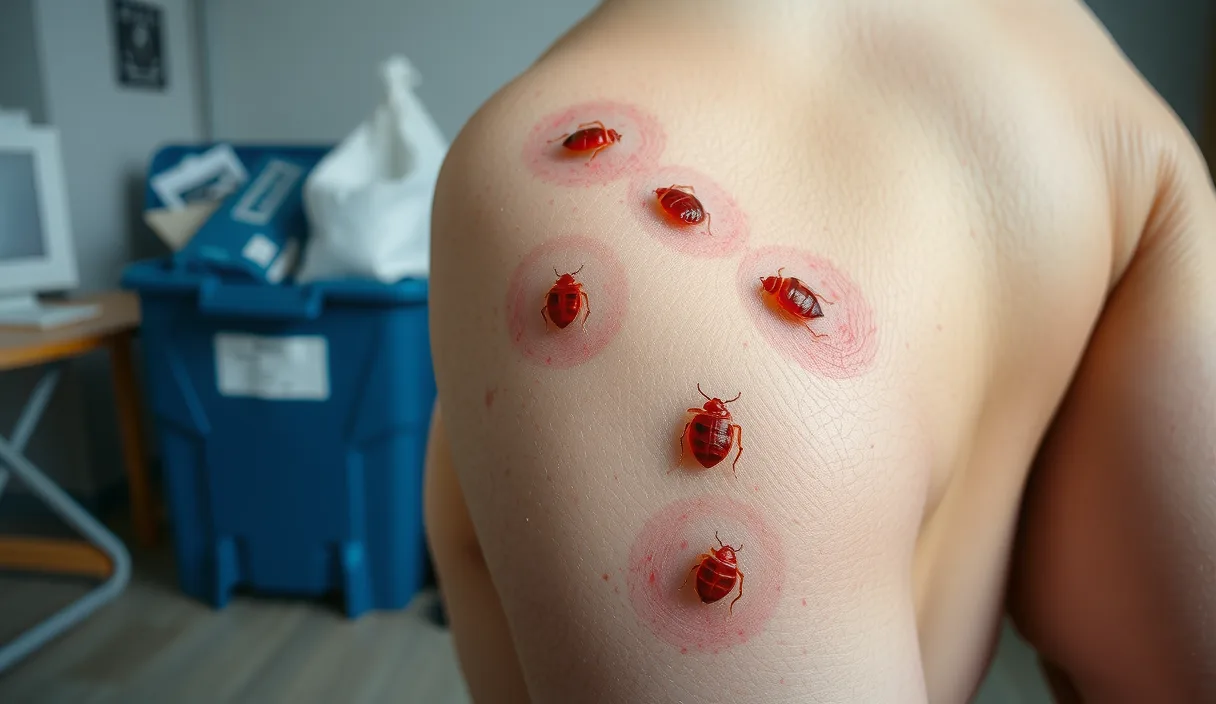
Bed bug bites often appear in a line or cluster, are intensely itchy, and may take a few days to show. Unlike flea bites, which are mainly around the ankles, bed bugs can occur on any exposed skin.
Common signs include small red bumps, possible swelling, and a central puncture mark. If you suspect bed bugs, capture a specimen or photograph bites and contact a pest professional for confirmation.
How can landlords prevent and manage bed bug infestations?
Landlords can reduce risks with clear lease clauses, routine inspections in high-turnover units, and prompt response to reports. Use integrated pest management and choose licensed professionals for inspections and treatments.
Document conditions before and after tenancy, communicate prevention steps to tenants, and coordinate with neighbors in multi-unit buildings to limit spread.
How do I prepare for a professional bed bug treatment?
Follow these steps to help a pest professional be effective and safe.
- Wash and dry infested clothing and linens on the hottest settings allowed.
- Declutter floors and surfaces to reduce hiding spots.
- Seal items you cannot treat in labeled plastic bags until they can be inspected or treated.
Discuss any health concerns or special needs with your pest control provider before treatment.
How long do bed bugs live without a blood meal?
Bed bugs can survive several months without feeding, though many live closer to 5–6 weeks under typical home conditions. Factors like temperature, humidity, and life stage influence their survival time.