Travel prevention hub: This is our consolidated guide to preventing bed bugs while traveling and staying in hotels. Older overlapping URLs redirect here.
Bed bugs spread fastest through luggage. In my field work inspecting hotels across four continents, I have developed a systematic protocol that keeps travelers protected. This guide covers the exact steps to inspect any room in under five minutes, secure your belongings, and handle exposure without bringing pests home.
Why Reputation No Longer Protects You
The bed bug landscape has shifted. Populations resistant to common control methods now thrive in luxury properties and budget motels alike. International travel volumes have rebounded beyond pre-pandemic levels, increasing the sheer number of potential carriers moving through any given property.
What I tell clients is straightforward: a five-star rating describes amenities, not pest management. Housekeeping staff rarely inspect for bed bugs during routine cleaning. Management may not know of a problem until a guest reports it. Your vigilance is the only reliable layer of defense.
The cost of failure extends far beyond a ruined trip. Eliminating an established home infestation typically requires professional heat treatment, often running into thousands of dollars. Prevention takes minutes. Recovery takes weeks.
Pre-Trip Gear Selection
Your luggage choice matters more than most travelers realize. Hard-sided suitcases in polycarbonate or ABS plastic provide inherent protection. Bed bugs cannot penetrate solid shells, and smooth surfaces offer no purchase for their climbing legs. Soft fabric bags present endless seams, zippers, and fabric folds where bugs conceal themselves.
If you must travel with soft luggage, seal it inside a heavy-duty contractor bag before entering any accommodation. Remove it only after inspection confirms safety. This single barrier eliminates the primary route of infestation.
Packing strategy adds another defensive layer. I use nylon packing cubes with coated interiors, placing individual garments inside zippered plastic bags before sealing the cube. This creates compartmentalization. If one cube encounters contamination, the others remain protected. When dressing, I open one bag, remove one item, and reseal immediately.
For extended stays, carry a travel-sized mattress encasement. These fitted zippered covers seal the sleeping surface after your inspection. Any bugs hidden deep in the mattress cannot reach you to feed, and you gain visual confirmation of any new activity.
The 90-Second Entry Protocol
Upon entering any room, your first actions determine your risk exposure. Never place luggage on carpet, upholstered furniture, or the bed itself until inspection is complete. These are the highest-risk zones.
Instead, move directly to the bathroom. Tile and porcelain surfaces repel bed bugs, which prefer fabric and wood. Place your sealed luggage in the bathtub or on the floor, then begin your systematic inspection of the sleeping area.
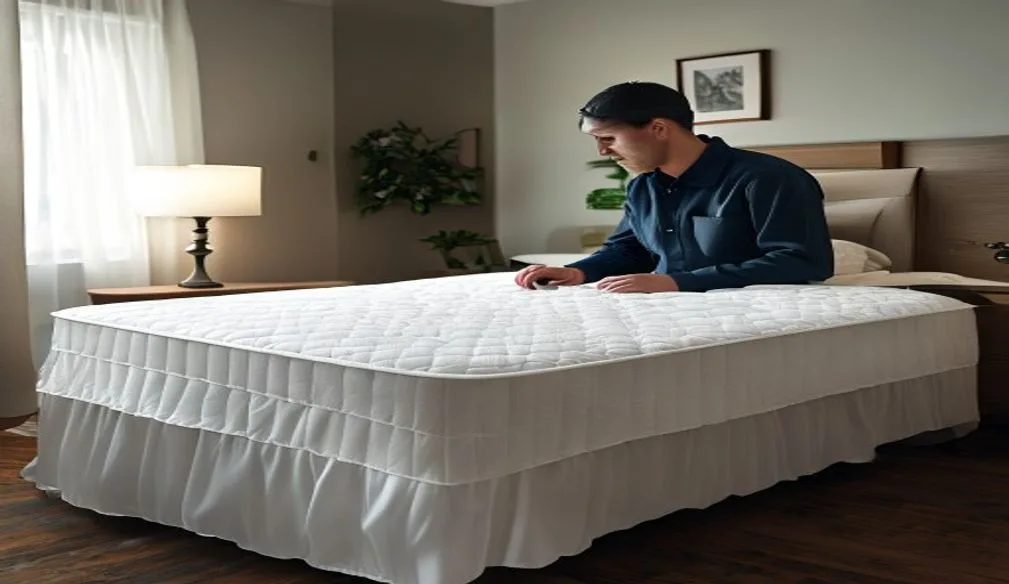
Start with the mattress. Strip all bedding completely, not partially. Remove sheets, blankets, and any mattress protector. Examine seams, tufts, and tags with your phone flashlight or a small dedicated light. Look for dark fecal spots, shed skins, or live insects. Work methodically from head to foot, then flip corners to inspect underneath.
The headboard demands equal attention. In my inspections, I find this area infested nearly as often as the mattress itself. Lift the headboard slightly from the wall and examine the rear surface and mounting hardware. Use a credit card or similar thin object to probe crevices where the headboard meets the wall. Bugs cluster in these narrow spaces.
Reading the Signs: A Field Reference
| Appearance | Typical Locations | |
|---|---|---|
| Fecal spotting | Dark brown to black dots, ink-like, smear when moistened | Mattress seams, headboard joints, baseboard edges |
| Cast exoskeletons | Translucent, hollow, same shape as live bug | Piping along mattress edges, behind wall fixtures, electrical plates |
| Egg clusters | Pearl-white, pinhead-sized, cemented to surface | Deep mattress folds, screw holes, fabric undersides |
| Live specimens | Apple-seed-sized adult bed bugs (reddish-brown); smaller pale nymphs | Mattress interior, box spring corners, headboard framework |
Finding any of these signs means immediate relocation. Do not accept an adjacent room. Bed bugs travel through wall voids, electrical conduits, and shared plumbing. A problem in one room indicates building-wide risk. Request a full refund and seek alternate accommodation.
Inspecting Secondary Harborage Sites
Bed bugs do not remain exclusively on beds. After completing your primary inspection, examine nearby furniture in order of risk. Nightstands and dressers rank highest, especially drawer interiors and the spaces beneath removable drawers. Upholstered seating follows, with particular attention to zipper seams and cushion undersides. Curtains and drapes can harbor climbing bugs in top pleats and bottom hems.
Baseboards and electrical outlets complete your survey. Shine your light along trim edges and look for dark spotting. I often see evidence here when the bed itself appears clean, indicating migration from an adjacent unit.
Heat Protocols for Contaminated Items
Temperature is the most reliable bed bug killer available to travelers. Sustained heat of 120°F maintained for twenty minutes destroys all life stages, including eggs. The critical word is sustained. Brief exposure insufficient.
Hotel laundry facilities provide your best tool. Run all fabric items through a dryer on high heat for thirty minutes minimum before washing. The mechanical action of tumbling combined with sustained temperature ensures mortality. Washing first is counterproductive, as cooler water temperatures may allow survival.
For luggage itself, handheld steamers reach 200°F and penetrate seams and corners where bugs hide. Apply steam systematically to interior surfaces, allowing heat to saturate. Never steam electronics, batteries, or heat-sensitive materials.
In my field work, I have seen travelers attempt freezing instead. Home freezers rarely reach 0°F, and even at that temperature, several days are required to ensure egg mortality. Heat remains the practical standard.
Response Protocol for Suspected Exposure
Discovering bites or live bugs during your stay requires immediate containment. The danger escalates during packing, when disturbed bugs seek new harborage in your belongings.
Isolate all fabric items that contacted the bed or floor. Seal them in plastic bags before handling further. Do not bring these bags directly into your home upon return.
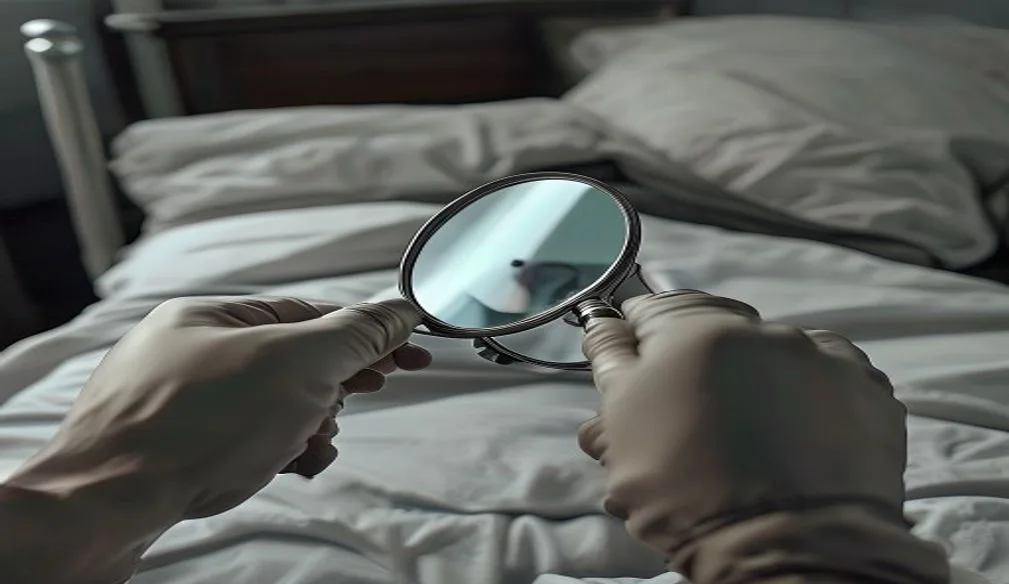
Inspect your luggage thoroughly with flashlight and magnification if available. Check every seam, zipper track, pocket, and interior corner. Wipe hard surfaces with appropriate cleaning materials.
Upon arrival home, bypass your bedroom entirely. Proceed directly to your laundry area or garage. Remove and seal travel clothing, then run through a hot dryer cycle before washing. Vacuum luggage interiors using HEPA filtration and crevice attachments, disposing of the vacuum bag or canister contents immediately in outdoor waste.
Building a Defensive Travel Routine
Prevention becomes automatic through repetition. What I tell clients is this: establish non-negotiable habits that persist even when tired or rushed.
Keep luggage elevated on inspected racks or hard surfaces, never on carpet. Live from sealed packing cubes rather than unpacking into drawers. Complete room inspection before sitting on beds or opening luggage. Treat all returning clothing with heat regardless of observed signs. Store travel luggage in sealed containers between trips.
These protocols have kept me bed bug free through hundreds of nights in accommodations ranging from remote hostels to international business hotels. The investment of minutes prevents the investment of weeks in remediation.
Common Misconceptions That Increase Risk
After two decades consulting on bed bug issues, I encounter the same dangerous assumptions repeatedly. Cleanliness does not prevent infestation. Bed bugs follow blood, not dirt. Luxury properties harbor them as readily as budget alternatives.
Visibility is unreliable. adult bed bugs are detectable, but nymphs are translucent and minute. Eggs are smaller still, glued to surfaces and easily overlooked. Waiting to see live bugs means missing early infestation signs.
Bite reactions vary enormously. Some individuals show no visible response whatsoever. Others develop delayed reactions hours or days after feeding. Absence of bites proves nothing. Presence of bites, if noticed, confirms only that feeding occurred, not where or when.
Addressing Reader Concerns
Can bed bugs infest vehicles? Cars experience temperature extremes that limit stable infestation, but transporting contaminated luggage can introduce temporary harborage. Vacuum thoroughly after any suspected exposure, paying attention to seat seams and storage compartments.
Do detection devices help travelers? Passive monitors like interceptor cups require extended placement time, impractical for short stays. Active detectors using heat or CO2 attraction exist but are bulky and expensive for personal travel. Visual inspection remains the practical standard.
How long can bugs survive in stored luggage? adult bed bugs persist months without feeding under favorable temperatures. Eggs last longer still. This survival capability makes post-travel heat treatment essential regardless of apparent cleanliness.
Is public transportation a significant risk? Less common than hotel acquisition, but possible. Bed bugs prefer stationary hosts and extended contact. For long journeys on fabric seating, keep bags on your lap and inspect clothing upon arrival.
Your protection depends on systematic execution. Practice the room inspection until it requires under three minutes. Maintain your packing protocols consistently. The brief discipline of prevention eliminates the extended burden of elimination.
Frequently Asked Questions
What are signs of bed bugs in luggage after travel?
After travel, check luggage and nearby areas for bed bug signs such as tiny brown spots (fecal marks), pale shed skins, small eggs or eggshells, and live or flattened bugs. Early detection can help prevent establishing an infestation in your home.
How can I reduce the chance of bringing bed bugs home from travel?
Travel smart habits can lower the risk of picking up bed bugs and spreading them to your home.
- Inspect hotel rooms for live bugs, shed skins, or dark spots on mattresses and furniture.
- Keep luggage on a luggage rack away from beds and walls; consider using a hard-shell case.
- Wash and dry travel clothes on high heat as soon as possible after returning home.
- Store luggage in a sealed area for several weeks if you suspect exposure.
Early detection and careful storage help with prevention and make follow-up easier if needed.
What are practical DIY bed bug prevention steps?
Simple, low-risk habits can reduce the chance of bed bugs entering your home or spreading.
Practical prevention tips
- Inspect secondhand furniture thoroughly or before bringing it indoors.
- Use protective encasements on mattresses and box springs and seal cracks near baseboards.
- Reduce clutter where bed bugs can hide, and vacuum regularly with a sealed bag.
- Be cautious when traveling; inspect hotel rooms and keep luggage off floors and beds.
These are prevention strategies, not treatments; consult a professional if you suspect an infestation.
Can bed bugs travel on my luggage after a trip?
Yes, bed bugs can hide in luggage, bags, and personal items after visiting a hotel or public space. This is a common way they move between locations.
- Inspect seams, pockets, and corners of your luggage.
- Keep bags on luggage racks or hard surfaces.
- Wash and dry travel clothes on high heat when you return home.
These steps help lower the chance of bed bugs spreading into your home.