As a seasoned expert in pest control, I've seen my fair share of bed bug infestations, and I can attest that heat treatment is one of the most effective methods for eliminating these pesky creatures. In this article, I'll guide you through the process of heat treatment for bed bugs, providing you with a comprehensive understanding of how to prepare, execute, and follow up on this treatment method. By the end of this article, you'll be equipped with the knowledge to tackle bed bug infestations head-on and restore your home to its former comfort and tranquility. I've worked with numerous clients who have successfully eliminated bed bugs using heat treatment, and I'm confident that you can achieve the same results with the right guidance.
Early Action: Preparing for Heat Treatment
Before diving into the heat treatment process, it's essential to take some preliminary steps to ensure the treatment's success. Here are some crucial actions to take within the first 24 hours:
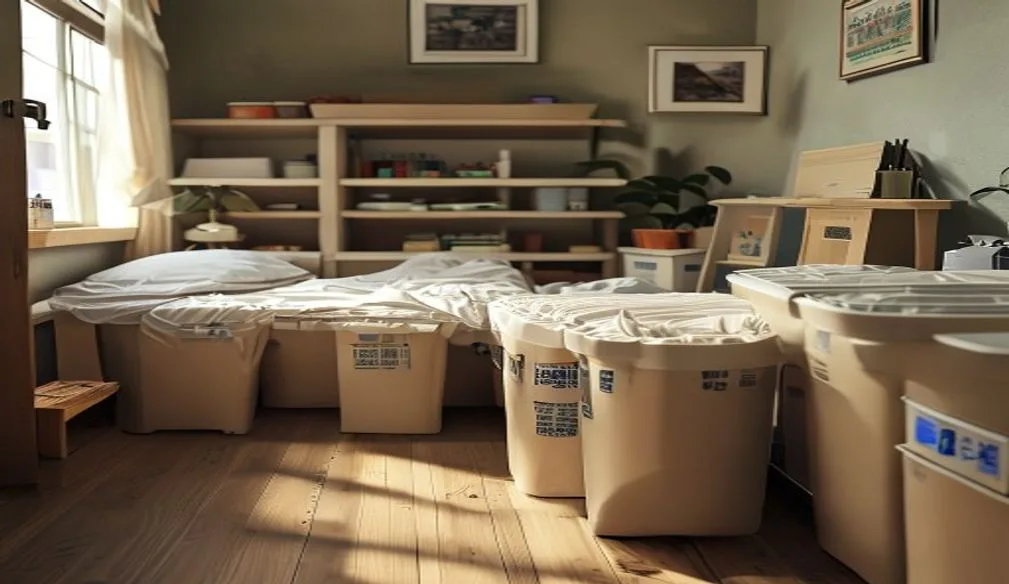
- Wash and dry all bedding, clothing, and towels in hot water (at least 120°F) and high heat to kill bed bugs and their eggs. This is a critical step, as it helps to reduce the number of bed bugs and prevents them from spreading to other areas.
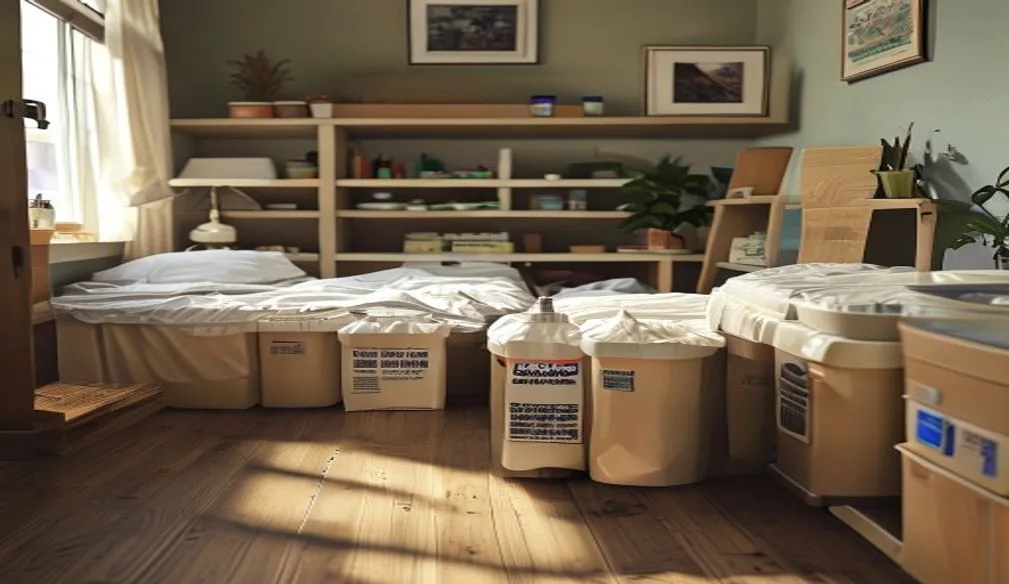
- Dry clean or seal in plastic bags any non-washable items, such as stuffed animals or curtains, for at least 6 months. This will help to prevent bed bugs from hiding in these items and reduce the risk of re-infestation.
- Vacuum all floors, especially around beds and furniture, using a vacuum cleaner with a hose attachment and a disposable bag. Dispose of the bag after each use to prevent bed bugs from escaping. I recommend using a vacuum cleaner with a HEPA filter, as it can help to trap bed bugs and prevent them from spreading.
- Remove any clutter, including boxes, papers, and clothing, to reduce the number of places bed bugs can hide. This will also make it easier to inspect for bed bugs and treat the area effectively.
Understanding Heat Treatment
Heat treatment, also known as thermal remediation, involves using specialized equipment to heat a room or entire building to a temperature that is lethal to bed bugs. The goal is to reach a temperature of at least 120°F (49°C) and maintain it for several hours to ensure that all bed bugs and their eggs are killed. This method is particularly effective because bed bugs are susceptible to heat and cannot survive at high temperatures. In my experience, heat treatment is often more effective than chemical treatments, as it can reach all areas of a room or building, including cracks and crevices where bed bugs like to hide.
I often see homeowners struggling to eliminate bed bugs using chemical treatments alone. What they miss most is the importance of heat treatment in conjunction with other methods, such as sealing cracks and crevices, and using mattress encasements. By combining these approaches, you can create a comprehensive treatment plan that addresses the root causes of the infestation. For example, I worked with a client who had been trying to eliminate bed bugs using chemical treatments for months, but to no avail. After using heat treatment in conjunction with sealing cracks and crevices, they were finally able to eliminate the infestation.
How to Perform Heat Treatment
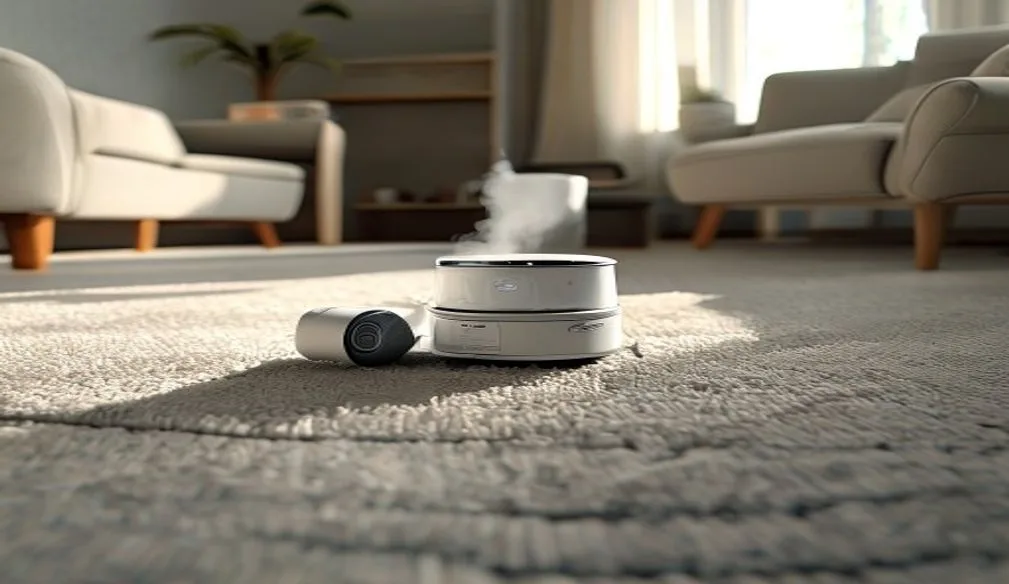
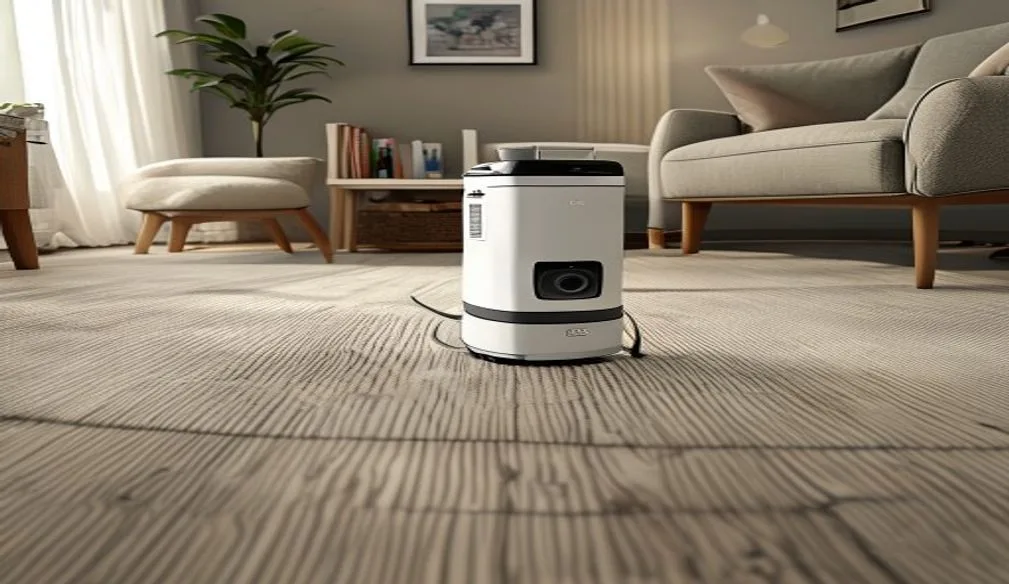
To perform heat treatment, you'll need specialized equipment, such as a thermal remediation unit or a steam cleaner. These devices are designed to heat a room or area to a high temperature, typically between 120°F (49°C) and 140°F (60°C), and maintain it for several hours. It's essential to follow the manufacturer's instructions and take necessary safety precautions to avoid injury or damage to property. I recommend consulting with a licensed pest control professional if you're unsure about how to proceed or need guidance on using the equipment.
I tell clients to start with a thorough inspection of their home to identify areas where bed bugs are most active. This helps us target the treatment more effectively and reduce the risk of re-infestation. Additionally, it's crucial to seal any cracks and crevices around windows, doors, and baseboards to prevent bed bugs from escaping or re-entering the treated area. I also recommend using mattress encasements and bed bug-proof box spring covers to prevent bed bugs from hiding in these areas.
| Equipment | Description |
|---|---|
| Thermal Remediation Unit | A device designed to heat a room or area to a high temperature, typically between 120°F (49°C) and 140°F (60°C), and maintain it for several hours. |
| Steam Cleaner | A device that uses steam to kill bed bugs and their eggs. It's often used in conjunction with a thermal remediation unit to ensure that all areas of a room or building are treated. |
When to Call a Licensed Professional
While heat treatment can be an effective method for eliminating bed bugs, it's not always a DIY-friendly solution. If you're dealing with a severe infestation or are unsure about how to proceed, it's recommended to call a licensed pest control professional. They will have the necessary equipment, expertise, and experience to safely and effectively perform heat treatment and ensure that the infestation is fully eliminated. I've seen many cases where homeowners have tried to tackle bed bug infestations on their own, only to end up making the problem worse. By hiring a licensed professional, you can ensure that the job is done correctly and that you're protected from potential risks and liabilities.
Frequently Asked Questions
Here are some common questions and concerns that homeowners may have when considering heat treatment for bed bugs:
- Q: Is heat treatment safe for my family and pets? A: Yes, when performed correctly, heat treatment is a safe and non-toxic method for eliminating bed bugs. However, it's essential to follow the manufacturer's instructions and take necessary safety precautions to avoid injury or damage to property.
- Q: How long does heat treatment take? A: The duration of heat treatment can vary depending on the severity of the infestation and the size of the area being treated. Typically, treatment can take several hours to several days.
- Q: Can I use heat treatment in conjunction with other methods? A: Yes, heat treatment can be used in conjunction with other methods, such as sealing cracks and crevices, using mattress encasements, and applying chemical treatments. In fact, combining these approaches can be more effective than using heat treatment alone.
- Q: How do I know if heat treatment is working? A: You can monitor the treatment's progress by checking for signs of bed bugs, such as live bugs, eggs, or shed skins. You can also use a bed bug detector or hire a licensed professional to inspect the area and confirm that the treatment is working.
Next Steps
Now that you've learned about heat treatment for bed bugs, it's time to take action. If you're dealing with a bed bug infestation, start by preparing your home for treatment, using the steps outlined in the "Early Action" section. If you're unsure about how to proceed or need professional help, don't hesitate to call a licensed pest control professional. Remember, heat treatment is just one part of a comprehensive treatment plan, and it's essential to combine it with other methods to ensure that the infestation is fully eliminated.
In my experience, the key to successful bed bug treatment is persistence and patience. It may take several treatments and a combination of methods to fully eliminate the infestation. But with the right approach and a little bit of know-how, you can restore your home to its former comfort and tranquility, bed bug-free. I recommend keeping a journal or log to track your progress, including the dates and times of treatments, as well as any signs of bed bugs or other pests. This will help you stay organized and ensure that you're taking the necessary steps to eliminate the infestation.
As a final note, I want to emphasize the importance of follow-up and maintenance. After completing heat treatment, it's essential to monitor the area for signs of bed bugs and take steps to prevent re-infestation. This may include sealing cracks and crevices, using mattress encasements, and applying chemical treatments as needed. By taking a proactive and comprehensive approach to bed bug treatment, you can ensure that your home remains bed bug-free and that you and your family can enjoy a comfortable and peaceful living space.
Frequently Asked Questions
What should I do before a professional heat treatment?
Preparation is key to effective heat treatment. Remove or securely bag items that could be damaged by heat, and follow all instructions provided by your pest control company.
Typical steps include decluttering, washing and drying fabrics on high heat, and keeping treated areas accessible. Do not apply DIY pesticides before heat treatment, as they can be dangerous and reduce effectiveness.
How can I confirm bed bugs are gone after treatment?
Use a combination of monitoring methods over several weeks.
- Place interceptors on bed legs and check for trapped insects.
- Inspect common hiding spots with a flashlight and magnifier if available.
- Look for new cast skins, tiny dark spots (fecal stains), or live bugs.
Continue monitoring and follow up with your pest professional if signs return.
How long does professional heat treatment take?
Professional heat treatments for bed bugs usually require several hours to raise room temperatures to levels that affect all life stages. You should plan for limited access during the service and follow any pre- and post-treatment guidance provided by the pest management professional.
How do I prepare for a professional bed bug treatment?
Follow these steps to help a pest professional be effective and safe.
- Wash and dry infested clothing and linens on the hottest settings allowed.
- Declutter floors and surfaces to reduce hiding spots.
- Seal items you cannot treat in labeled plastic bags until they can be inspected or treated.
Discuss any health concerns or special needs with your pest control provider before treatment.