When faced with a bed bug infestation, it's crucial to weigh the costs and effectiveness of DIY treatments versus professional extermination services. The financial difference between these two approaches can be substantial, ranging from a few hundred to several thousand dollars. However, the decision should not be based solely on cost, as ineffective DIY methods can lead to prolonged infestations, increased expenses, and potential health risks. As a field specialist with over 20 years of experience in pest management, I've seen numerous cases where homeowners have wasted money on ineffective store-bought products, only to end up paying more for emergency professional remediation.
Immediate Action: First 24 Hours
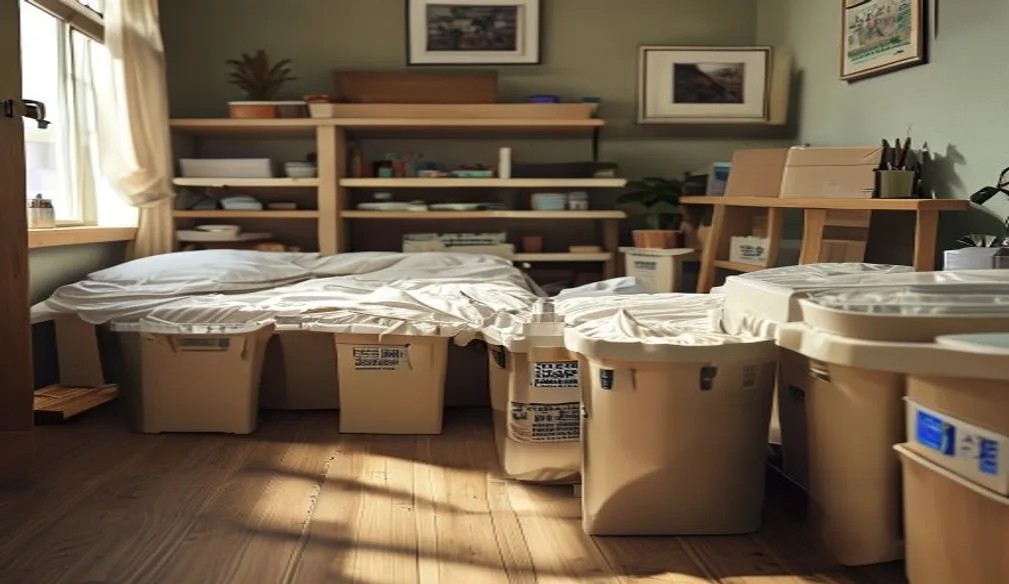
To tackle a bed bug infestation effectively, it's essential to take immediate action. Here's a step-by-step guide for the first 24 hours:- Wash and dry all bedding, clothing, and fabrics in hot water (at least 120°F) and high heat for at least 45 minutes to kill bed bugs and their eggs.
- Dry clean or seal in plastic bags any non-washable items for at least 6 months.
- Vacuum all carpets, rugs, and upholstered furniture, especially around beds and couches, using a vacuum cleaner with a hose attachment and a disposable bag. Dispose of the bag immediately after use.
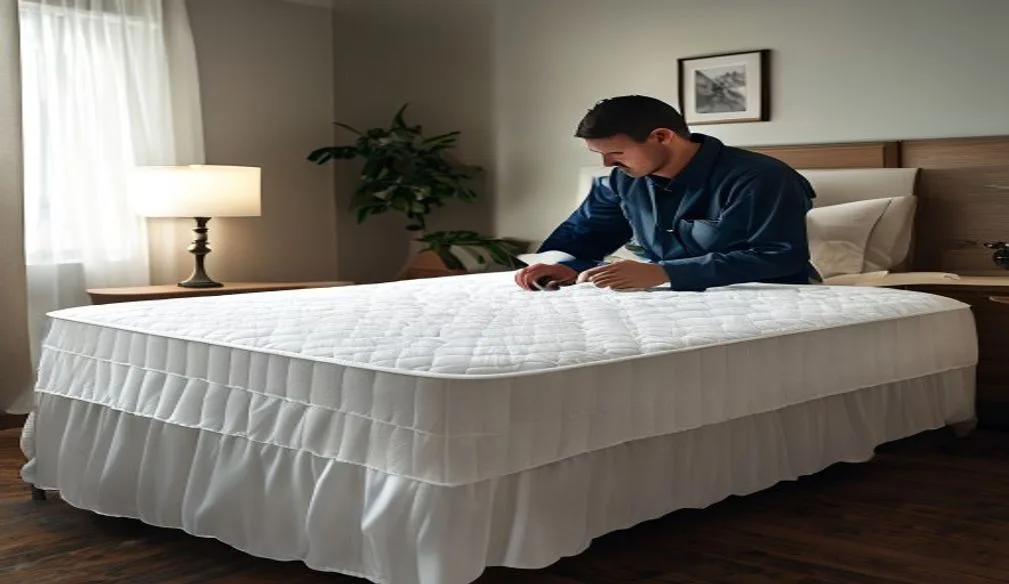
- Inspect all rooms, especially around beds, for signs of bed bugs, such as live bugs, shed skins, and dark fecal spots.
- Call a licensed exterminator if you find multiple bugs, eggs, or signs of infestation in multiple rooms.
Understanding Bed Bug Biology and Behavior
Bed bugs are notorious for their ability to hide, making them difficult to detect and eliminate. adult bed bugs are approximately 4-5 mm long, flat, and oval-shaped, while their eggs are about 1 mm long, pearl-white, and cemented to surfaces with a strong adhesive. Bed bugs can survive for months without feeding, and their eggs can hatch in as little as 6-10 days. Understanding their biology and behavior is crucial for effective treatment and prevention.Bed Bug Life Cycle
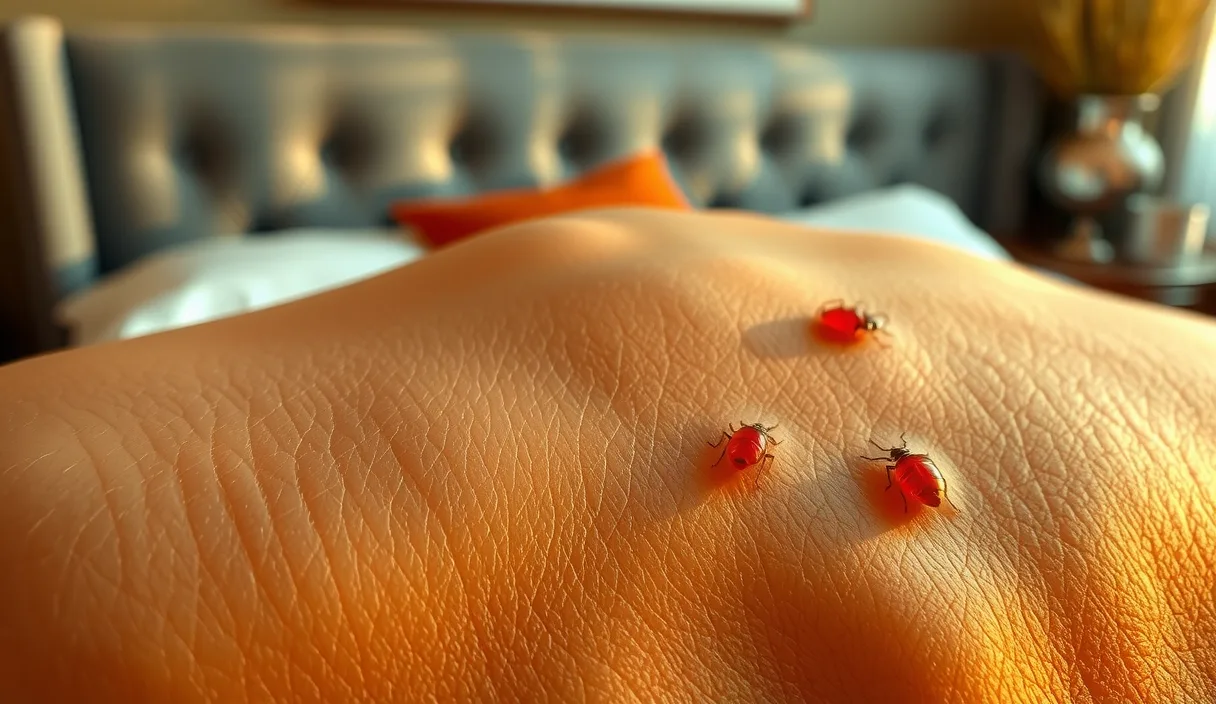
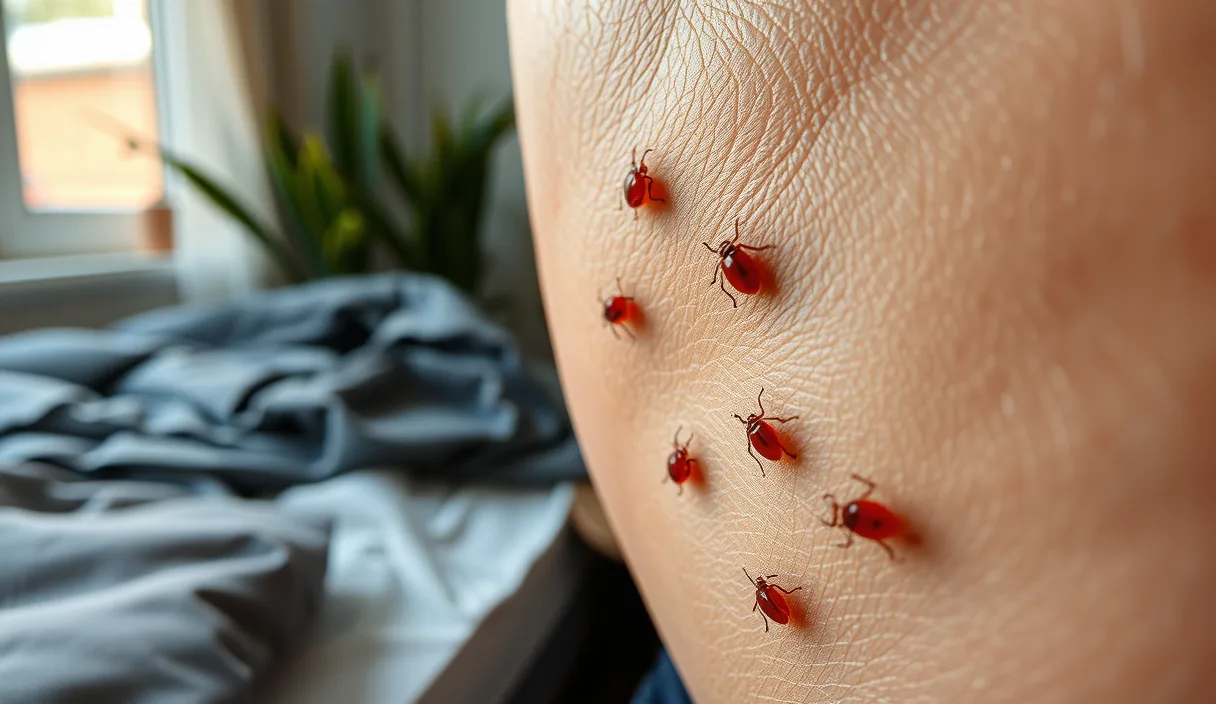
The bed bug life cycle consists of seven stages: egg, six nymphal stages, and adult. Female bed bugs can lay up to 500 eggs in their lifetime, which can lead to a rapid infestation if left unchecked. Bed bugs feed on human blood, and their bites can cause itching, redness, and swelling.Bed Bug Hiding Places
Bed bugs can hide in various locations, including:- Mattress seams and crevices
- Box spring and bed frame
- Headboards and nightstands
- Upholstered furniture, especially couches and chairs
- Behind wallpaper and baseboards
- In electrical outlets and switch plates
Professional Bed Bug Treatment Options
Professional bed bug treatment options vary in cost and effectiveness. The most common methods include:- Chemical spray treatments: $300 to $600 per room, with most infestations requiring two to three visits.
- Heat treatment: $1,000 to $2,500 per room for whole-structure heat, which raises the temperature to around 120°F (50°C) sustained for several hours, killing all life stages, including eggs.
- Steam and vacuum combination: $200 to $500 per room, often used as a supplement to chemicals or heat.
When to Call a Licensed Professional
It's essential to call a licensed professional if:- You find multiple bugs, eggs, or signs of infestation in multiple rooms.
- You've tried DIY methods without success.
- You live in a multi-unit building, and the infestation has spread to adjacent units.
- You're unsure about the severity of the infestation or the best course of treatment.
Frequently Asked Questions
Here are some common questions and concerns about bed bug treatment:- Q: Can I get rid of bed bugs on my own? A: While it's possible to eliminate a small infestation on your own, it's often challenging and time-consuming. Professional treatment is usually more effective and efficient.
- Q: How long does it take to get rid of bed bugs? A: The duration of treatment depends on the severity of the infestation and the method used. Professional treatment can take anywhere from a few days to several weeks.
- Q: Can bed bugs transmit diseases? A: Bed bugs are not known to transmit diseases, but their bites can cause itching, redness, and swelling.
- Q: How can I prevent bed bugs from entering my home? A: To prevent bed bugs from entering your home, inspect second-hand furniture and items carefully, use a mattress cover, and seal any cracks or crevices around windows and doors.
- Q: Can I use DIY products to prevent bed bugs? A: While DIY products can help prevent bed bugs, they are not a substitute for professional treatment. Regular inspections and maintenance are crucial to preventing infestations.
Common Mistakes to Avoid
When dealing with bed bugs, it's essential to avoid common mistakes that can make the problem worse:- Throwing away infested furniture without sealing it in plastic, which can spread bed bugs throughout your home and neighborhood.
- Stopping treatment too early, as bed bug eggs can hatch up to two weeks after the last treatment.
- Hiring an unlicensed exterminator, which can lead to ineffective treatment and potential health risks.
Conclusion and Next Steps
In conclusion, getting rid of bed bugs requires a comprehensive approach that includes understanding their biology and behavior, using effective treatment methods, and preventing re-infestation. By following the steps outlined in this article and seeking professional help when necessary, you can eliminate bed bugs from your home and prevent future infestations. Remember to always prioritize your health and safety, and don't hesitate to seek help if you're unsure about the best course of treatment.Frequently Asked Questions
What should I do before a professional heat treatment?
Preparation is key to effective heat treatment. Remove or securely bag items that could be damaged by heat, and follow all instructions provided by your pest control company.
Typical steps include decluttering, washing and drying fabrics on high heat, and keeping treated areas accessible. Do not apply DIY pesticides before heat treatment, as they can be dangerous and reduce effectiveness.
How do I prepare for a professional bed bug treatment?
Follow these steps to help a pest professional be effective and safe.
- Wash and dry infested clothing and linens on the hottest settings allowed.
- Declutter floors and surfaces to reduce hiding spots.
- Seal items you cannot treat in labeled plastic bags until they can be inspected or treated.
Discuss any health concerns or special needs with your pest control provider before treatment.
How long does professional heat treatment take?
Professional heat treatments for bed bugs usually require several hours to raise room temperatures to levels that affect all life stages. You should plan for limited access during the service and follow any pre- and post-treatment guidance provided by the pest management professional.
How do I prepare my home before professional treatment?
Preparing your home helps improve treatment effectiveness and safety. Follow these steps before a scheduled visit.
- Launder bedding, clothing, and linens in hot water and dry on high heat when possible.
- Reduce clutter and seal items in clear plastic bags to limit hiding spots.
- Vacuum floors, baseboards, and furniture, then dispose of the bag or canister contents in a sealed outdoor bin.
- Avoid applying insecticides on your own unless specifically instructed by the professional.
Discuss any concerns or mobility or scent sensitivities with your pest control provider so they can tailor the plan.