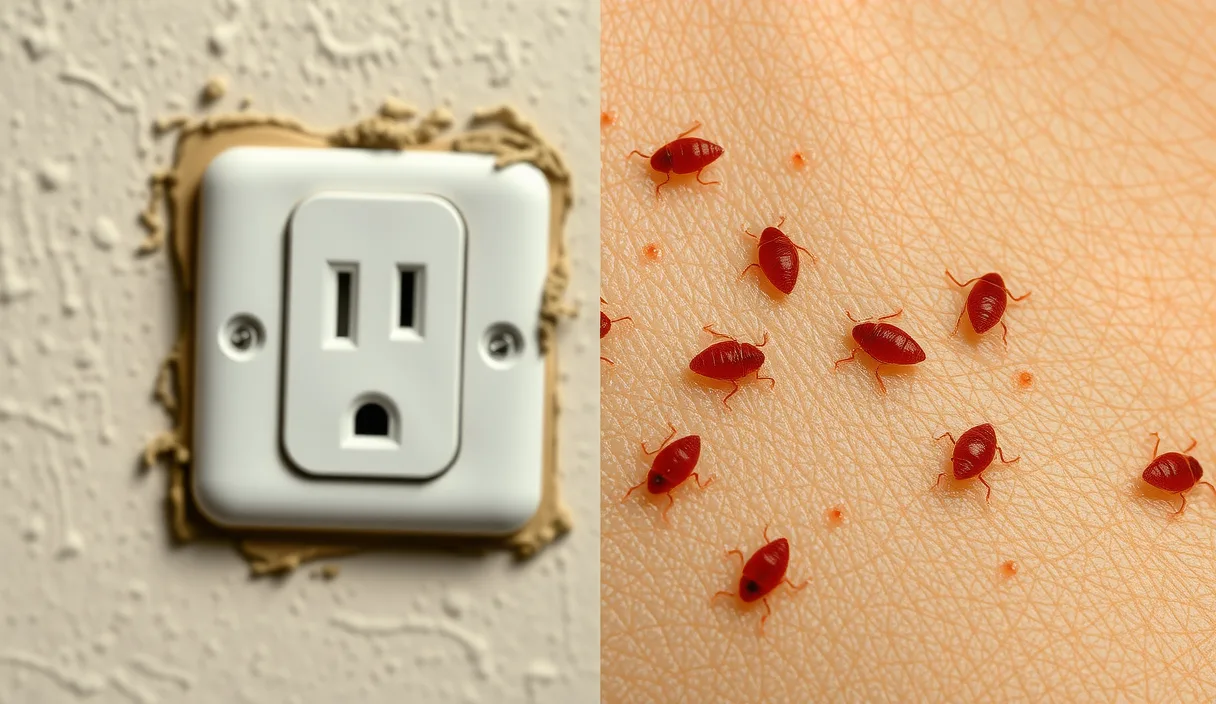
Bed bugs are small, elusive, and excellent at hiding, which makes early identification challenging for most people. This visual guide walks you through exactly what to look for, where to search, and how to distinguish bed bugs from common look-alikes. You will learn to spot the subtle signs of an infestation before it becomes a full-blown problem.
Primary Visual Signs of Bed Bug Activity
Instead of searching for the bugs themselves, which are often hidden deep in cracks, focus on the evidence they leave behind. These signs are more visible and persist even when the insects are not active.
Fecal Spots
Bed bug droppings are liquid and consist of digested blood. They appear as small, dark, rust-colored or black spots on surfaces. Unlike dry droppings from other insects, these spots soak into fabric, creating a stain that resembles a fine-tip marker bleed. On hard surfaces like wood or plastic, they form small, raised dots that smear when wiped with a damp cloth. Common locations include mattress seams, box spring fabric, headboard crevices, and behind picture frames near the bed.
Shed Skins (Exuviae)
As bed bugs grow, they molt their outer exoskeleton five times before reaching adulthood. These shed skins are translucent, pale yellow or tan, and perfectly shaped like a hollow bed bug shell. They are often found clustered near hiding spots, especially in mattress piping, box spring corners, and under furniture legs. Finding multiple shed skins of different sizes indicates an active, growing infestation.
Eggs and Egg Casings
Bed bug eggs are tiny, about 1 millimeter long, and pearly white in color. They are glued to surfaces in small clusters, often in hidden crevices. Empty egg casings are translucent and resemble tiny white grains of salt. Because they are cemented firmly, they do not blow away or brush off easily. Look for them in the same areas as shed skins, particularly in seams and under folds.
Live Bed Bugs
adult bed bugs are about the size of an apple seed, 4 to 5 millimeters long, with a flat, oval body. They are reddish-brown after feeding and lighter brown when unfed. Nymphs (young bed bugs) are much smaller, about the size of a pinhead, and are nearly colorless or pale yellow until they feed. Bed bugs move slowly and do not jump or fly. They crawl steadily and prefer to hide in groups.
Musty Odor
A large infestation produces a distinct, sweet, musty smell often described as resembling rotting raspberries or coriander. This odor comes from pheromones released by the bugs. If you notice this smell in a room, especially near the bed, the infestation is likely well-established and requires professional treatment.
Top Hiding Spots: Where to Look First
Bed bugs are nocturnal and hide within 3 to 6 feet of their feeding source, which is typically the bed. A systematic inspection of these specific areas will yield the best results.
- Mattress and Box Spring Seams: Run a flashlight along the piping and seams. Look for dark fecal spots, shed skins, and eggs. Lift the mattress and inspect the underside and the box spring fabric, especially where it is stapled to the frame.
- Headboard and Bed Frame: Remove the headboard and inspect the back side, screw holes, and any joints. Bed bugs often hide in the wood cracks and behind the headboard against the wall.
- Baseboards and Wall Trim: Inspect where the baseboard meets the floor and any gaps or cracks. Use a credit card to slide into crevices and dislodge hidden bugs or debris.
- Electrical Outlets and Switch Plates: Remove outlet covers near the bed. Bed bugs can hide inside the wall void and travel through electrical boxes. Look for dark spots or bugs inside the box. Use caution and avoid touching wires.
- Furniture Joints and Crevices: Check nightstands, dressers, and chairs near the bed. Inspect under drawers, inside drawer glides, and in any cracks or joints.
- Curtains and Upholstery: Look at the top pleats of curtains where they meet the rod, and along the seams of upholstered furniture. Bed bugs can climb fabric and hide in folds.
Bed Bug vs. Common Look-Alikes
Many insects are mistaken for bed bugs, leading to unnecessary panic and expense. The table below compares bed bugs with the most common imposters at a visible scale.
Feature Bed Bug Carpet Beetle Flea Booklouse Shape Flat, oval, lentil-like Round, dome-shaped, bristly Thin, vertically flat Long, slender, soft-bodied Size 4-5 mm (adult) 2-4 mm 1-3 mm 1-2 mm Color Reddish-brown (fed), light brown (unfed) Brown, black, or mottled with scales Dark reddish-brown Pale brown or grayish Movement Slow, steady crawler Slow crawler, can fly Fast, jumps on hosts Fast crawler, does not bite Bite Pattern Linear clusters (breakfast, lunch, dinner) No bites; bristles cause rash Random clusters on ankles and legs No bites Habitat Cracks and crevices near bed Windowsills, carpets, stored fabrics Pet bedding, carpets, upholstery Damp areas, paper products, stored food How to Perform a 10-Minute Bed Bug Inspection
Follow these steps methodically. Work in good light, preferably with a flashlight held parallel to surfaces to cast shadows on eggs and shed skins.
- Strip the bed: Remove all bedding and place it in a sealed plastic bag. Do not shake the bedding to avoid spreading bugs.
- Inspect the mattress: Examine all seams, tufts, and edges. Use a flashlight to look for dark spots, shed skins, and eggs. Run your fingers along the piping to feel for bumps or debris.
- Check the box spring: Flip the mattress and inspect the box spring fabric. Pay close attention to the corners and where the fabric is stapled. Look under the box spring if possible.
- Examine the headboard and bed frame: Remove the headboard and inspect the back. Check all screw holes, joints, and crevices. Slide a credit card into gaps to dislodge hidden bugs.
- Inspect surrounding furniture: Check nightstands, dressers, and chairs within 6 feet of the bed. Look inside drawers, under drawer glides, and behind furniture.
- Check baseboards and outlets: Run a flashlight along baseboards. Remove outlet covers carefully and inspect the interior. Use a vacuum attachment to clean any debris.
- Look for other signs: Smell for a musty odor. Check for small blood spots on sheets or pillowcases. Look for tiny, dark fecal spots on walls or furniture.
Why bed bug bites Appear Delayed
A common point of confusion is why bites appear days after exposure. Bed bug saliva contains an anesthetic and an anticoagulant. Your immune system may not react immediately, and the bite reaction can take anywhere from a few hours to 14 days to manifest. This delay means that the rash you see today may have been caused by a feeding that occurred over a week ago. Additionally, 30% to 50% of people show no visible reaction to bed bug bites at all, making visual signs even more critical for detection.
Frequently Asked Questions
Do bed bugs only live in dirty houses?
No. Bed bugs are hitchhikers, not scavengers. They feed on blood, not crumbs or garbage. Infestations occur in clean homes, five-star hotels, hospitals, and offices equally. Clutter can provide more hiding spots, but cleanliness does not prevent an infestation.
Can I see bed bug eggs?
Yes, but they are very small—about 1 millimeter, the size of a grain of salt. They are pearly white and glued to surfaces in clusters. A flashlight and a magnifying glass can help. Eggs are most often found in mattress seams, box spring fabric, and behind headboards.
How long can bed bugs live without feeding?
Under normal room conditions, adult bed bugs can survive for 2 to 3 months without a blood meal. In cooler temperatures, they can live up to a year. This longevity makes them resilient and difficult to eliminate by simply leaving a room empty.
Can I get rid of bed bugs myself?
Small infestations caught early can sometimes be managed with thorough cleaning, heat treatment of bedding (wash at 60°C or 140°F and dry on high heat for at least 30 minutes), and careful use of approved insecticides. However, moderate to large infestations almost always require professional pest control. Heat treatments, steam, and targeted chemical applications are most effective when performed by a licensed technician.
What should I do if I find a bed bug?
Do not panic. Capture the bug in a sealed plastic bag or container for identification. Inspect the surrounding area thoroughly. Wash all bedding and clothing in hot water and dry on high heat. Vacuum the mattress, box spring, and surrounding areas. Contact a professional pest control company for an inspection and treatment plan. Avoid using foggers or bug bombs, which often spread the infestation rather than eliminate it.
Next Steps: Confirming and Acting
If you have found any of the visual signs described in this guide, you are dealing with an active infestation. The most reliable next step is to contact a licensed pest control professional who can perform a thorough inspection and recommend a treatment plan. Do not attempt to treat a large infestation with over-the-counter products alone, as this often drives the bugs deeper into hiding and makes professional treatment more difficult and expensive. Document what you have found with photos, and keep samples for identification. Early action is the key to minimizing the scope and cost of treatment.
Related guides — different questions
These articles cover overlapping topics but answer different questions. Pick the one that matches your situation.
- Early warning signs of bed bug infestation
Read if: Something feels wrong but you have not spotted a bug yet.
- How to identify bed bug eggs on white sheets
Read if: You are inspecting bedding tonight with a flashlight.
- How to Find Bed Bugs: Step-by-Step Bedroom Search Guide
Read if: You searched “how to find bed bugs” and need a room-by-room inspection checklist.
Frequently Asked Questions
How do I identify bed bug bites vs other insect bites?
Bed bug bites often appear in a line or cluster, are intensely itchy, and may take a few days to show. Unlike flea bites, which are mainly around the ankles, bed bugs can occur on any exposed skin.
Common signs include small red bumps, possible swelling, and a central puncture mark. If you suspect bed bugs, capture a specimen or photograph bites and contact a pest professional for confirmation.
What are signs of bed bugs in luggage after travel?
After travel, check luggage and nearby areas for bed bug signs such as tiny brown spots (fecal marks), pale shed skins, small eggs or eggshells, and live or flattened bugs. Early detection can help prevent establishing an infestation in your home.
How can I identify an active bed bug infestation early?
Look for small blood spots on sheets, dark speck-like droppings, and tiny pale eggs or shed skins. A musty sweet odor can also signal a larger infestation.
How can I confirm bed bugs are gone after treatment?
Use a combination of monitoring methods over several weeks.
- Place interceptors on bed legs and check for trapped insects.
- Inspect common hiding spots with a flashlight and magnifier if available.
- Look for new cast skins, tiny dark spots (fecal stains), or live bugs.
Continue monitoring and follow up with your pest professional if signs return.