Bed bug bites can trigger itchy, swollen welts that make sleep miserable — even after the bugs themselves are gone. Hydrocortisone cream is one of the most common over-the-counter options Americans reach for, but it is not always the right first choice. In my years covering bed bug bite relief for homeowners, I have seen people use the wrong product, apply it too often, or treat bites that need medical attention instead.
This guide explains when hydrocortisone cream helps bed bug bites, how to apply 1% OTC hydrocortisone safely, who should avoid it, and what to use when swelling or itch is severe. This is educational content only — not medical advice. If bites look infected, spread rapidly, or you have trouble breathing, contact a clinician right away.
What Hydrocortisone Does for Bed Bug Bites
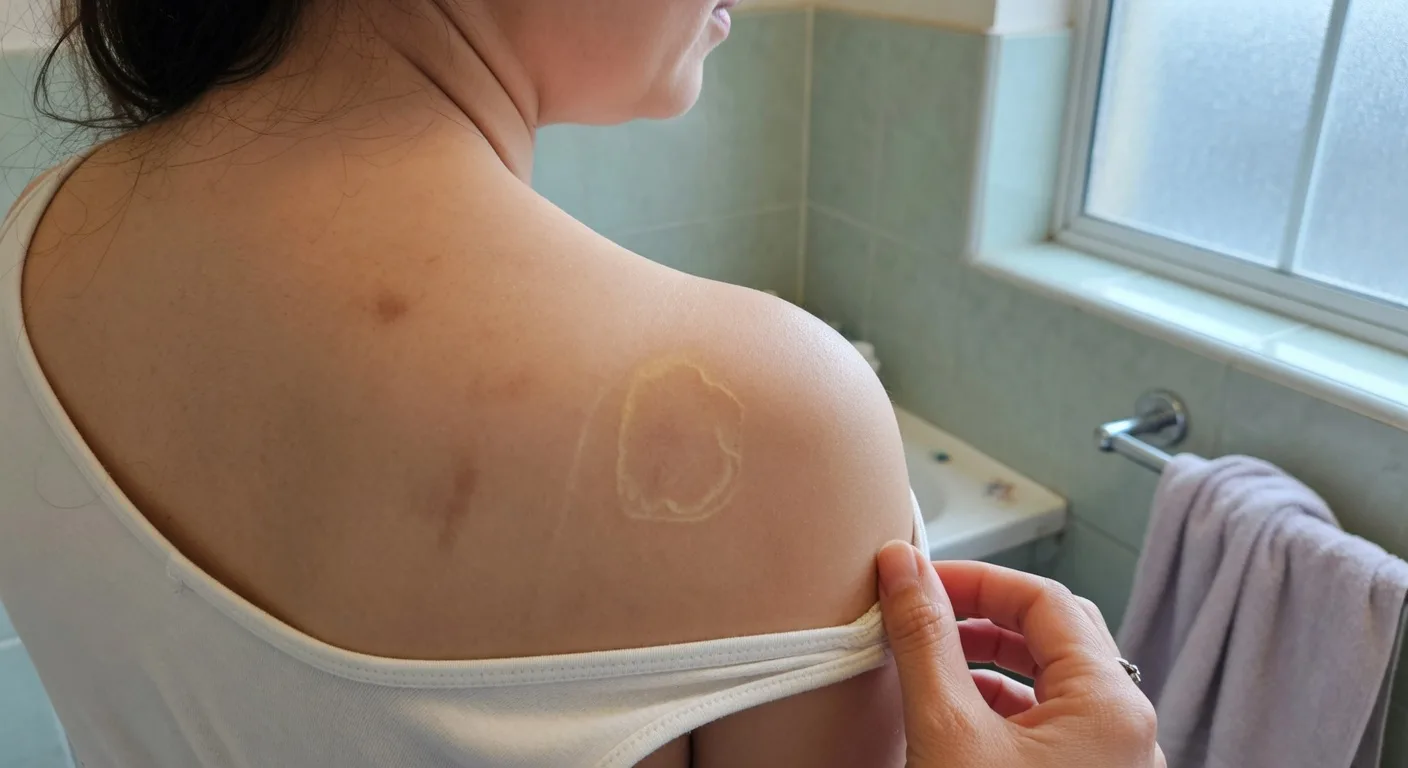
Hydrocortisone is a mild corticosteroid. On skin, it reduces inflammation — the redness and swelling around a bite — and can calm itch indirectly by lowering the local immune response. Bed bug saliva triggers histamine release; hydrocortisone does not block histamine the way antihistamine creams do, but it can shrink inflamed welts that feel hot and puffy.
It works best when:
- Bites are raised and swollen but skin is intact (no open scratches)
- Itching is moderate and localized to a few welts
- Reaction flares 24–72 hours after bites appear
It is less helpful when itch is the only symptom and swelling is minimal — in that case, a topical antihistamine or calamine may work faster.
1% Hydrocortisone Cream: How to Apply
Most US drugstores sell 1% hydrocortisone without a prescription. Follow the label and these practical steps:
- Clean gently. Wash the area with mild soap and cool water. Pat dry — do not rub inflamed skin.
- Thin layer only. Apply a pea-sized amount spread thinly over the welt and a small margin around it. More cream does not work better and increases side effects.
- Frequency. Typically 1–3 times daily for up to 7 days on small areas, unless your pharmacist or doctor says otherwise.
- Do not cover tightly. Avoid occlusive bandages over steroid cream unless directed — trapped moisture can irritate skin.
- Wash hands after application unless treating hand bites.
Stop if skin thins, burns, or develops new rash. Do not use on face, groin, or armpits without professional guidance.
Hydrocortisone vs Other Bed Bug Bite Creams
Choosing the right topical depends on your main symptom:
- Swelling and angry red welts: 1% hydrocortisone is a reasonable first try for adults on arms, legs, or torso.
- Intense itch, minimal swelling: Diphenhydramine (Benadryl) cream or oral antihistamine at night may help more.
- Broken skin from scratching: Skip steroids until skin heals; use plain petroleum jelly or antibiotic ointment if recommended, and see a clinician if oozing or warmth develops.
- Prefer non-drug options: Cool compresses, oatmeal baths, and aloe can support comfort while you treat the infestation.
Who Should Not Use Hydrocortisone on Bites
- Infants under 2 unless a pediatrician approves — their skin absorbs more medication.
- Pregnant or breastfeeding individuals — ask a clinician before regular use on large areas.
- People with diabetes, poor circulation, or immune suppression — skin infections can progress quickly; get bites checked if they worsen.
- Large body areas — steroids over big patches increase absorption risk. Many small bites across the body need professional guidance, not repeated OTC steroid use.
- Signs of infection: yellow crust, spreading redness, fever, or pus — these need medical care, not more hydrocortisone.
Children and Bed Bug Bite Relief
Children often react more visibly to bed bug bites than adults. For toddlers and older kids, cool compresses and oral antihistamines (dosed by weight per pediatric guidance) are usually preferred over steroid creams on large areas. If you use 1% hydrocortisone on a child, limit to a small number of welts, short duration (2–3 days), and never on the face without a doctor’s OK.
How Long Until Bites Improve?
Most bed bug bite welts fade within 1–2 weeks whether you treat them or not. Hydrocortisone may shorten the worst swelling phase by a few days. If bites look worse after 3 days of OTC care, or new welts keep appearing nightly, the infestation is still active — topical cream will not fix that. You need inspection and treatment of the source.
When to See a Doctor
Contact a healthcare provider if you notice:
- Signs of skin infection (warmth, pus, red streaks)
- Severe swelling of lips, eyes, or joints
- Difficulty breathing or widespread hives (possible allergic reaction)
- Bites that blister extensively or scar
- Repeated nightly bites despite cleaning and vacuuming — you may need professional pest help
Bottom Line
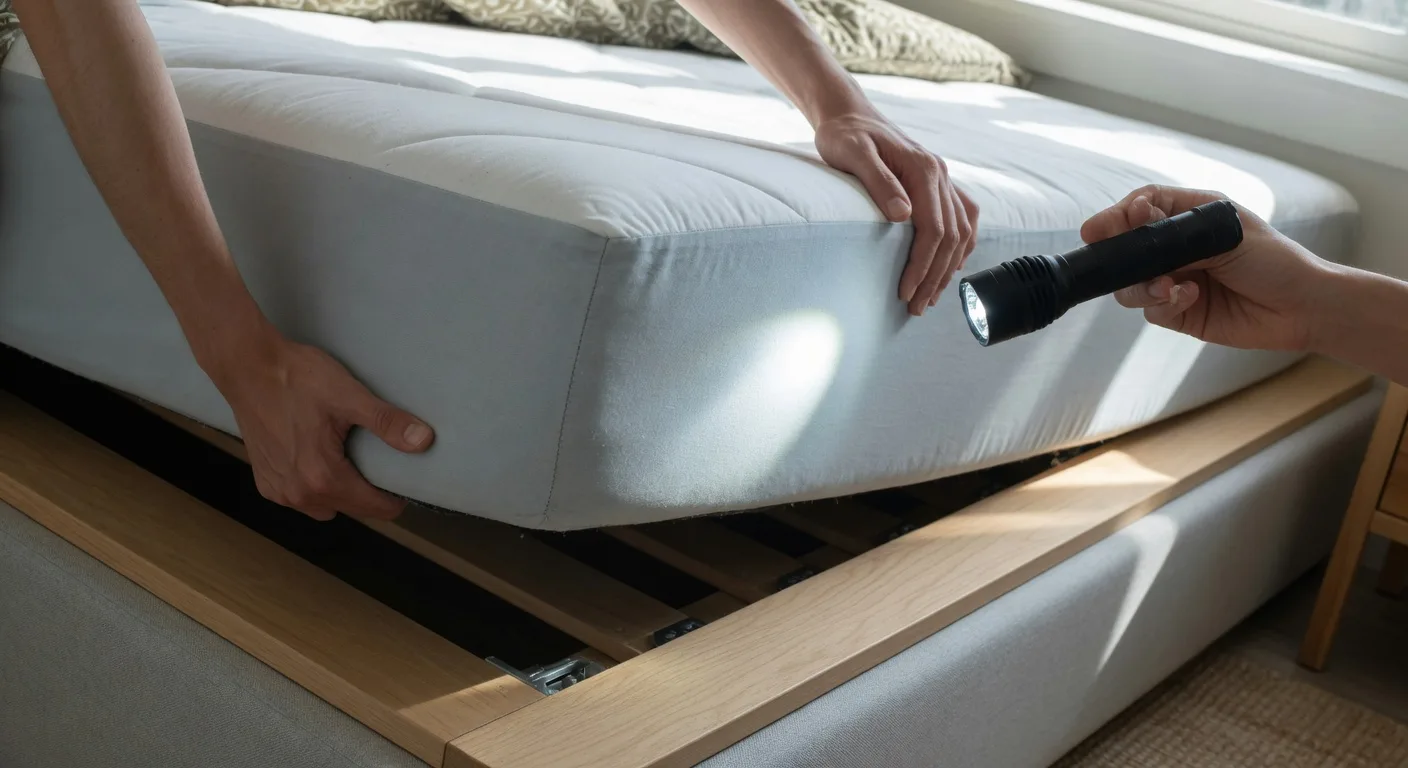
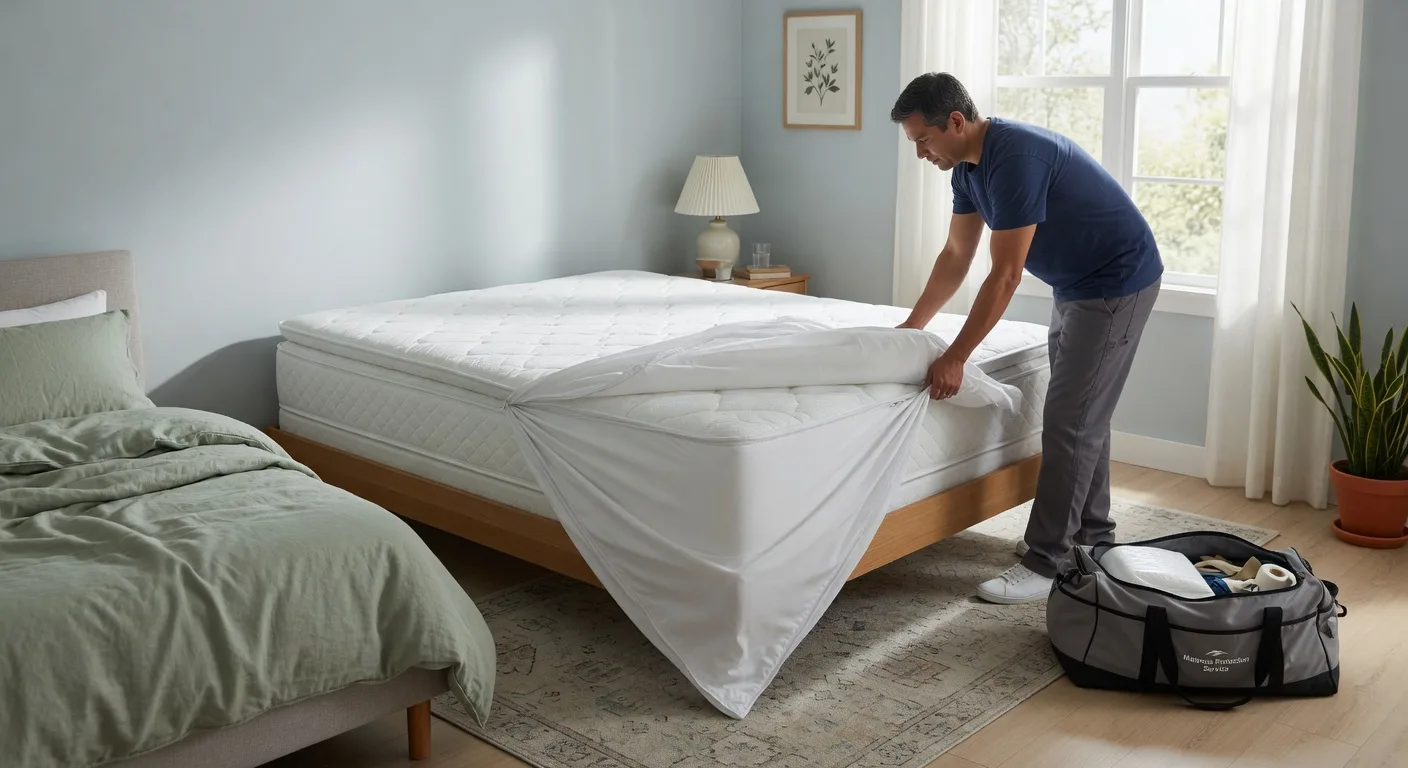
Hydrocortisone cream can ease swelling and secondary itch from bed bug bites when used sparingly on intact skin for a short period. It treats the symptom, not the infestation. Pair bite relief with a thorough search for bed bugs in your bedroom, and treat confirmed infestations with an integrated plan — encasements, vacuuming, heat or professional treatment as appropriate.
Related guides — different questions
These articles cover overlapping topics but answer different questions. Pick the one that matches your situation.
- How to stop bed bug bites from itching naturally
Read if: Confirmed bites are itching and disrupting sleep tonight.
- Best cream for bed bug bites swelling relief
Read if: You need short-term swelling relief for adult bite reactions.
- What do bed bug bites look like on dark skin
Read if: Standard “red bump” photos do not match what you are seeing on dark skin.
- How to tell difference between bed bug bites and flea bites
Read if: You are unsure whether fleas or bed bugs caused the bites.
Frequently Asked Questions
How can I reduce bed bug bites while I sleep?
Reducing bites during sleep focuses on limiting contact and creating barriers, not on eliminating the population.
- Use a certified bed bug-proof mattress and box spring encasements.
- Move your bed away from walls and remove clutter near the bed.
- Wear long sleepwear and use extra layers to limit exposed skin.
These methods may lessen bites but should complement, not replace, professional treatment.
How do I identify bed bug bites vs other insect bites?
Bed bug bites often appear in a line or cluster, are intensely itchy, and may take a few days to show. Unlike flea bites, which are mainly around the ankles, bed bugs can occur on any exposed skin.
Common signs include small red bumps, possible swelling, and a central puncture mark. If you suspect bed bugs, capture a specimen or photograph bites and contact a pest professional for confirmation.
How can I reduce bed bug bites while sleeping?
To reduce the chance of bed bug bites while sleeping, use a protective mattress and box-spring encasements labeled for bed bugs, remove clutter near the bed, and avoid placing clothing or bags on beds or upholstered furniture. These steps can limit harborage and make inspections easier.
What are the typical signs of bed bug bites on skin?
Bites often appear as small, red, itchy welts in a line or cluster. Reactions vary, so confirm with physical signs of bed bugs and professional guidance.