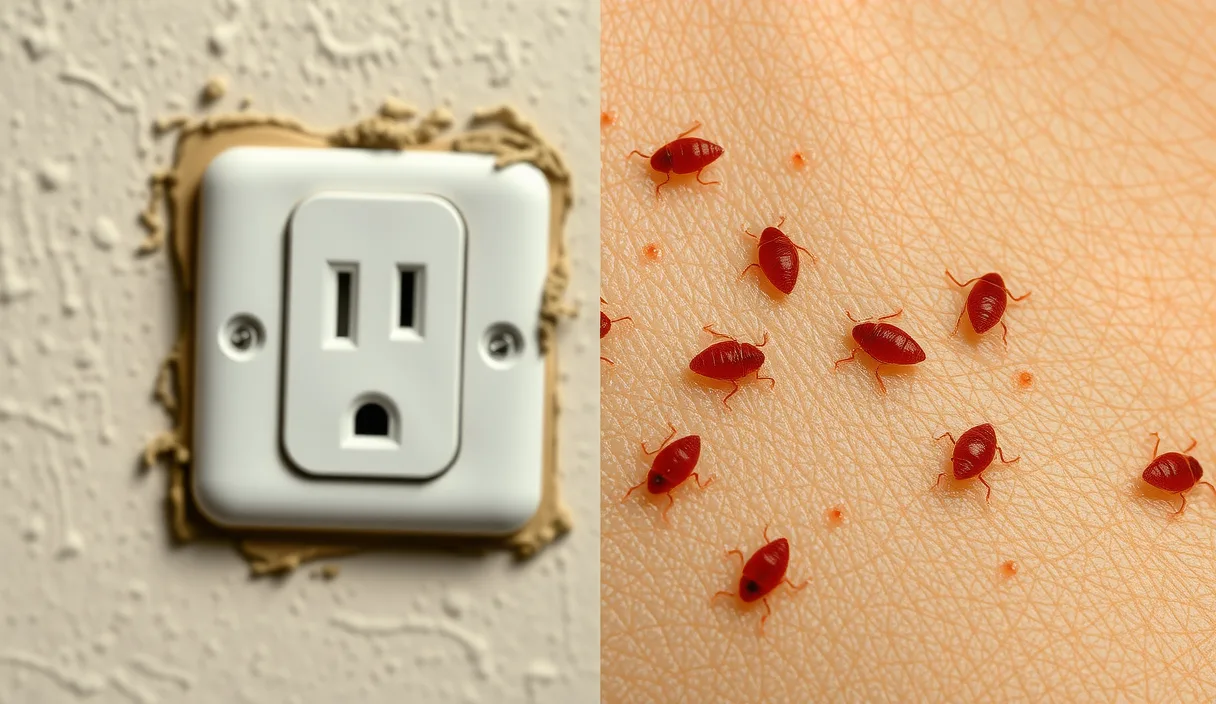
Bed bug waste on walls and baseboards can be a significant indicator of an infestation, and identifying it correctly is crucial for effective treatment. In my years reporting on bed bug identification for US homeowners, I've seen many cases where people mistake other substances for bed bug waste — leading to delayed action or unnecessary panic. This guide covers what bed bug waste looks like on walls and baseboards, how to test spots you find, and sensible next steps if you suspect an infestation.
Immediate Action: First 24 Hours
If you suspect a bed bug infestation, it's essential to act quickly to prevent the situation from worsening. Here's what to do tonight and in the first 24 hours:
- Wash and dry all bedding, clothing, and fabrics in hot water (at least 120°F) and high heat for at least 45-60 minutes to kill bed bugs and their eggs.
- Dry clean or seal in plastic bags any non-washable items that may have come into contact with bed bugs.
- Vacuum all carpets, rugs, and upholstered furniture, especially around beds and couches, using a vacuum cleaner with a hose attachment and a disposable bag.
- Inspect all rooms, paying attention to areas around beds, couches, and other furniture, for signs of bed bugs, such as live bugs, eggs, and shed skins.
- Use a mattress encasement to cover your mattress and box spring, which can help trap bed bugs and prevent them from escaping.
- Seal any cracks and crevices around windows, doors, and baseboards to prevent bed bugs from escaping or re-infesting the area.
Characteristics of Bed Bug Waste
Bed bug waste, also known as frass, is a dark brown or black substance that resembles tiny spots or specks. It's often found in areas where bed bugs are present, such as on walls, baseboards, and bedding. Bed bug waste is caused by the bed bug's digestive system, which breaks down blood into a dark, tar-like substance. This waste can be difficult to distinguish from other substances, such as dirt, ink, or mold, but it has a distinctive appearance and texture.
In my field work, I often see homeowners mistaking bed bug waste for other substances, such as coffee stains or ink spills. However, bed bug waste has a characteristic appearance that can be identified with careful inspection. It's essential to examine the substance closely, looking for the following characteristics:
- Color: Dark brown or black
- Texture: Tiny spots or specks
- Location: Areas around beds, couches, and other furniture
- Odor: Sweet, musty smell
- Shape: Irregular, scattered spots or specks
- Size: Typically smaller than a pinhead
Detection Methods
Detecting bed bug waste requires a thorough inspection of the affected area. Here are some steps to follow:
- Use a flashlight to illuminate the area, as bed bug waste can be difficult to see in low light.
- Examine the area carefully, looking for tiny spots or specks of dark brown or black substance.
- Check for other signs of bed bugs, such as live bugs, eggs, and shed skins.
- Use a magnifying glass or handheld lens to get a closer look at the substance.
- Inspect the area at different times of day, as bed bugs are most active at night.
- Use a bed bug detector or monitoring device to help detect the presence of bed bugs.
When to Call a Licensed Professional
If you suspect a bed bug infestation, it's essential to call a licensed pest control professional for treatment. Bed bugs can be difficult to eliminate, and DIY treatments often fail to address the root of the problem. A licensed professional will be able to:
- Confirm the presence of bed bugs
- Identify the extent of the infestation
- Develop a treatment plan tailored to your specific situation
- Use specialized equipment and techniques to eliminate the infestation
- Provide guidance on how to prevent re-infestation
I tell clients to start with a thorough inspection and to not hesitate to call a professional if they're unsure about the presence of bed bugs or the effectiveness of their treatment efforts.
Frequently Asked Questions
Here are some common questions I receive from homeowners about bed bug waste and infestations:
- Q: Can I get rid of bed bugs on my own? A: While it's possible to take steps to eliminate bed bugs, it's often difficult to completely get rid of an infestation without professional help.
- Q: How long does it take to get rid of bed bugs? A: The length of time it takes to eliminate bed bugs depends on the severity of the infestation and the effectiveness of the treatment plan.
- Q: Can I use DIY treatments, such as essential oils or diatomaceous earth, to get rid of bed bugs? A: While some DIY treatments may help, they are often not enough to completely eliminate an infestation and may not be effective in the long term.
- Q: How can I prevent bed bugs from coming back? A: To prevent bed bugs from coming back, it's essential to take steps to prevent re-infestation, such as sealing cracks and crevices, using mattress encasements, and regularly inspecting for signs of bed bugs.
- Q: What are the health risks associated with bed bugs? A: Bed bugs can cause skin irritation, allergic reactions, and anxiety, but they are not known to transmit diseases.
- Q: Can bed bugs infest other areas of my home, such as my kitchen or bathroom? A: Yes, bed bugs can infest other areas of your home, especially if they are not treated promptly and effectively.
What homeowners miss most is the importance of sustained heat in killing bed bug eggs and embryos. Washing alone may not dislodge cemented eggs, and it's crucial to use a dryer on high heat for an extended period to ensure that all eggs are killed.
Comparison of Treatment Methods
Here's a comparison of different treatment methods for bed bug infestations:
| Effectiveness | Cost | |
|---|---|---|
| Professional treatment | High | Variable |
| DIY treatment | Low to moderate | Low to moderate |
| Heat treatment | High | High |
| Cold treatment | Low to moderate | Low to moderate |
| Chemical treatment | High | Variable |
In my experience, a combination of professional treatment and heat treatment is often the most effective way to eliminate a bed bug infestation. It's essential to work with a licensed pest control professional to determine the best treatment plan for your specific situation.
Additionally, it's crucial to take steps to prevent re-infestation, such as sealing cracks and crevices, using mattress encasements, and regularly inspecting for signs of bed bugs. By taking a proactive approach to bed bug control, you can help prevent infestations and reduce the risk of re-infestation.
It's also important to note that bed bugs can be a significant problem in multi-unit buildings, such as apartments and condominiums. If you live in a multi-unit building and suspect a bed bug infestation, it's essential to contact your landlord or property manager to report the issue and request treatment.
Furthermore, bed bugs can be a problem in other types of buildings, such as hotels, hospitals, and office buildings. If you work in or visit a building that has a bed bug infestation, it's essential to take steps to prevent bringing bed bugs into your home, such as inspecting your luggage and clothing carefully and washing and drying your clothing as soon as possible.
Related guides — different questions
These articles cover overlapping topics but answer different questions. Pick the one that matches your situation.
- How to identify bed bug feces on walls
Read if: You see dark spots or stains on a wall or baseboard and need to confirm droppings.
- How to Identify Bed Bugs on Walls: Fecal Spots and Smear Test Guide
Read if: You want a room-by-room wall checklist, not just photos of droppings.
- How to Tell If Black Spots Are Bed Bug Feces or Mold
Read if: You cannot tell whether black marks on a wall are droppings or mold growth.
Frequently Asked Questions
What does a bed bug infestation smell like?
Heavy infestations may produce a sweet, musty odor described as similar to berries or coriander. This scent comes from scent glands and is more noticeable when bugs are disturbed or clustered.
What do bed bug bites typically look like and how can I tell them apart?
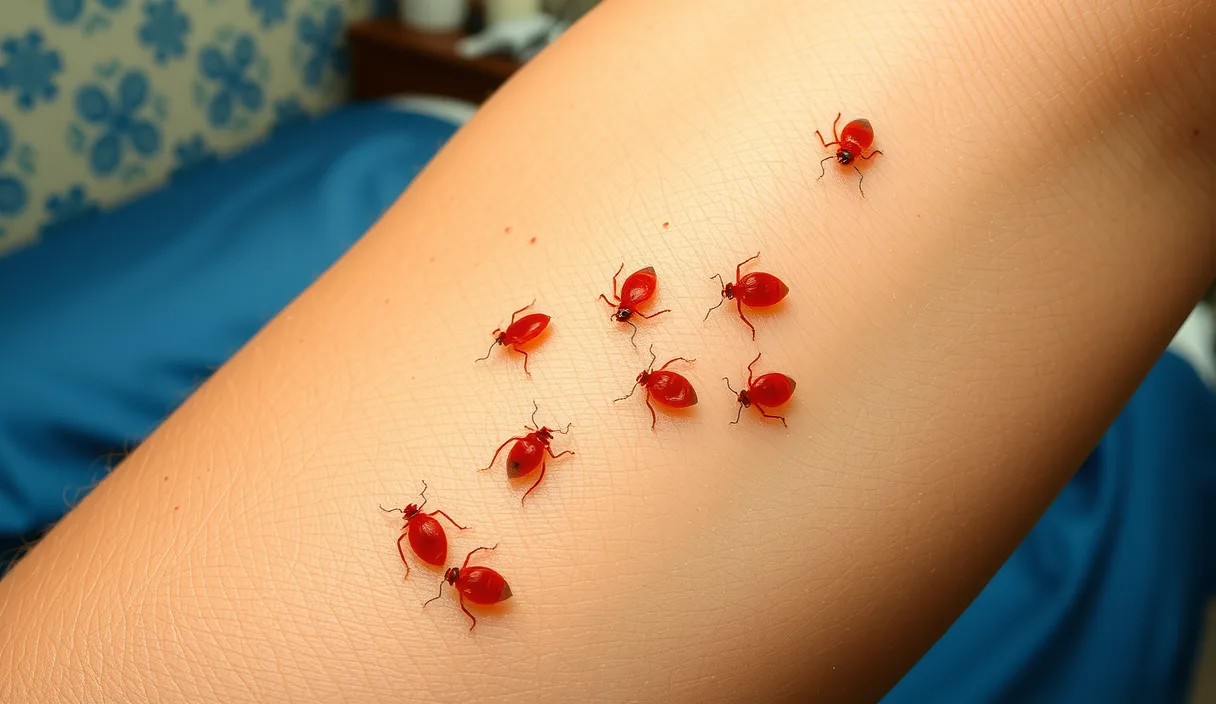
Bed bug bites often appear as small, red, itchy bumps, usually in lines or clusters, but reactions vary. Other insects or skin conditions can look similar, so it’s best to consult a healthcare provider for an accurate assessment.
- Common signs include raised welts, mild swelling, and itchiness.
- Bites may appear on exposed skin, especially around arms, neck, or face during sleep.
- Track new patterns and avoid scratching to lower infection risk.
Only a qualified professional can confirm bed bugs through inspection and evidence, not bite appearance alone.
What are signs of bed bugs in luggage after travel?
After travel, check luggage and nearby areas for bed bug signs such as tiny brown spots (fecal marks), pale shed skins, small eggs or eggshells, and live or flattened bugs. Early detection can help prevent establishing an infestation in your home.
What are the typical signs of bed bug bites on skin?
Bites often appear as small, red, itchy welts in a line or cluster. Reactions vary, so confirm with physical signs of bed bugs and professional guidance.