On white sheets, bed bug eggs appear as tiny, oval, whitish specks. They are roughly the size of a pinhead or a grain of salt. Each egg has a slight sheen, like a tiny pearl, and is attached firmly to the fabric fibers. Freshly laid eggs are translucent white, while older eggs may appear slightly yellowish or develop a dark spot (the developing embryo's eye) after a few days.
Because the eggs are cemented in place, they do not move when you blow on them or lightly brush the sheet. You have to look closely—often within an inch of your face—to see them clearly. A magnifying glass or a smartphone camera with a macro lens helps enormously.
Where to look for bed bug eggs on sheets
Bed bug eggs are not scattered randomly. They are laid in clusters near where the bugs hide and feed. On white sheets, concentrate your inspection on these areas:
- Seams and hems — The folded edges of fitted sheets and flat sheets are prime hiding spots. Run your fingers along the seam; if you feel tiny bumps, inspect that spot closely.
- Tags and labels — Fabric tags are often left undisturbed and provide a perfect crevice for egg-laying.
- Under the mattress corners — Where the sheet tucks under the mattress, especially near the head of the bed.
- Near blood spots or fecal stains — Small reddish-brown smears on the sheet indicate a feeding site; eggs are often nearby.
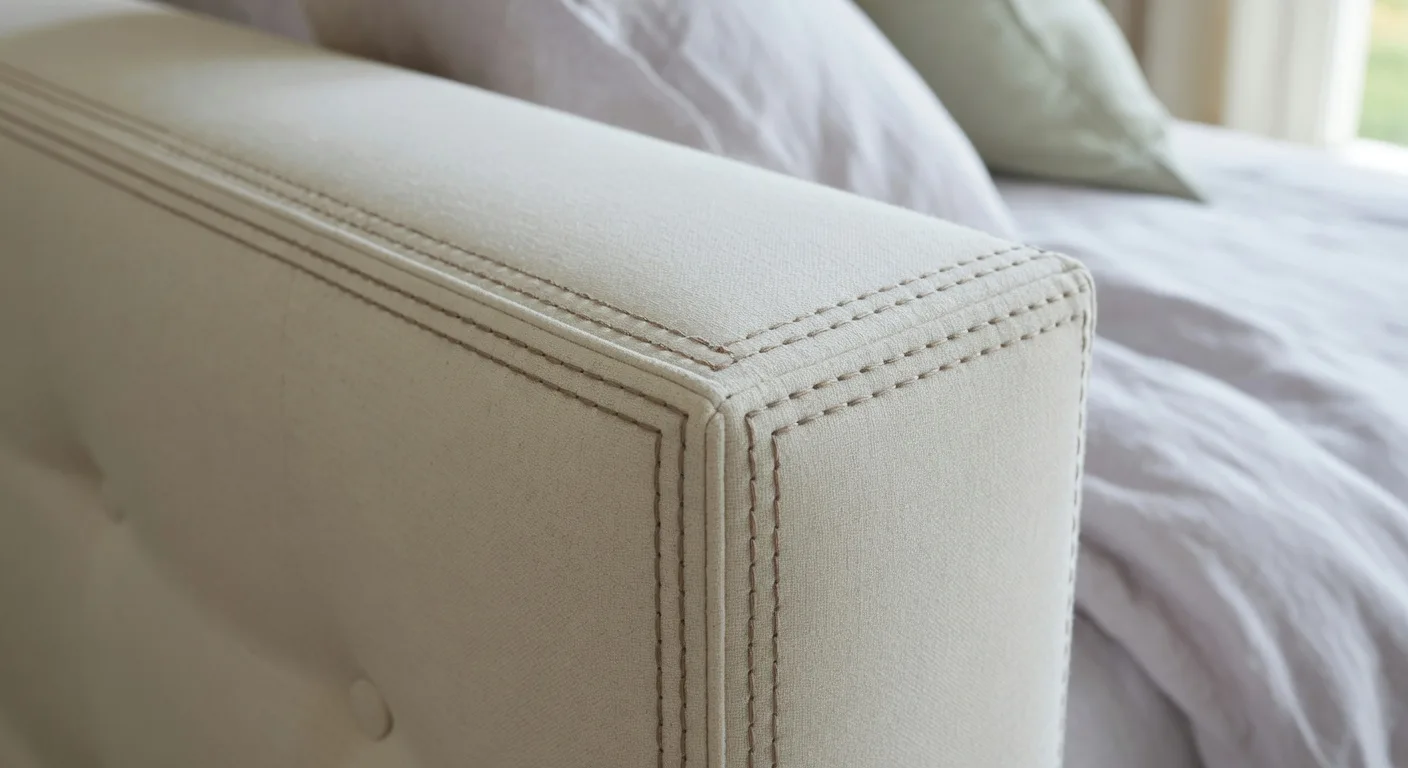
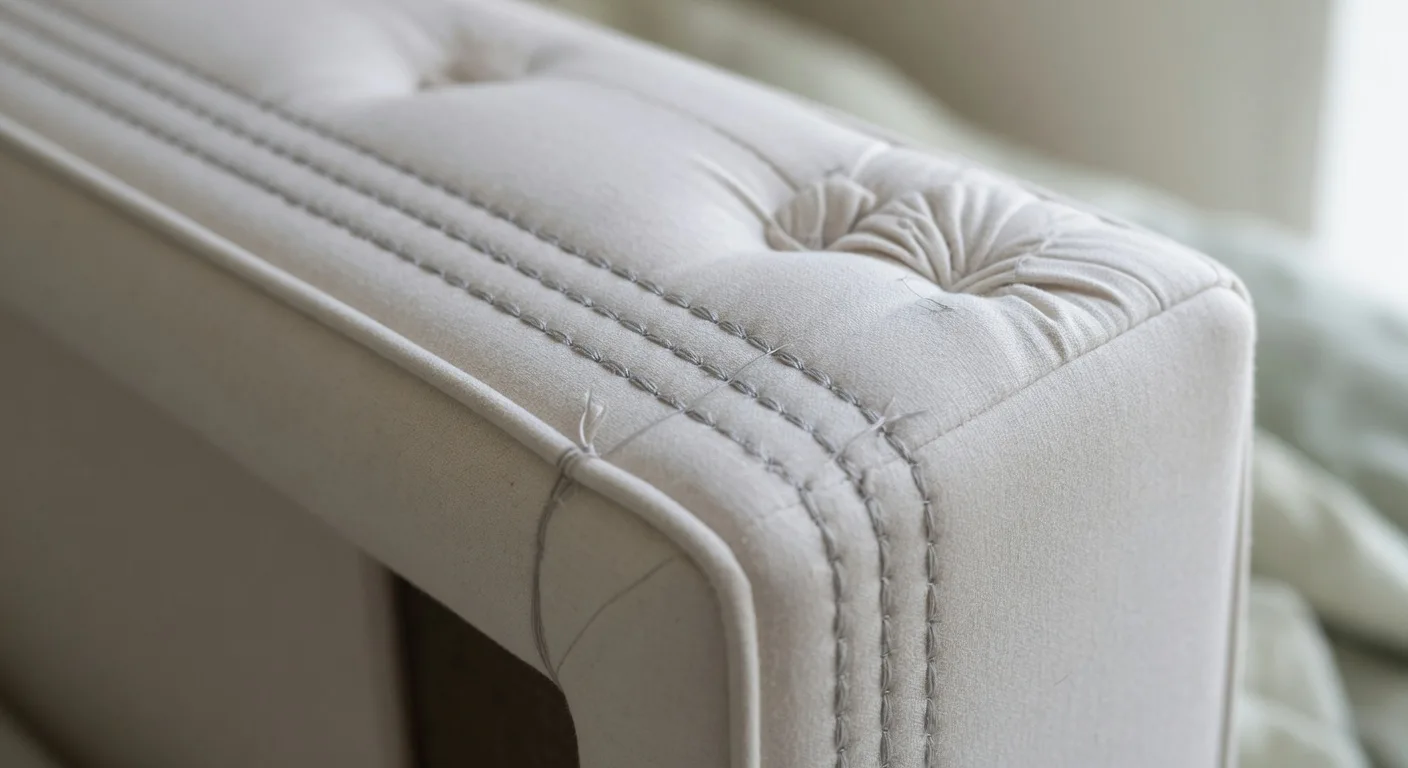
- Pleats and gathers — Decorative stitching or elastic bands on fitted sheets create hiding spots.
How to distinguish bed bug eggs from common lookalikes
White sheets can show many small white specks that are not bed bug eggs. Here is a table comparing the most common lookalikes you will encounter:
Appearance Likely identity Key difference from bed bug eggs Tiny white balls, loosely sitting on fabric Fabric pilling (lint balls) Pilling is soft, fuzzy, and brushes off easily. Bed bug eggs are hard, smooth, and stuck fast. White powdery flakes or crusty spots Dried laundry detergent residue Detergent flakes crumble when touched and dissolve in water. Bed bug eggs do not dissolve or crumble. Small white or yellowish beads, often near a seam Glue or adhesive residue from manufacturing Adhesive spots are usually flat, shiny, and irregularly shaped. Bed bug eggs are uniformly oval and raised. White or gray fuzzy clumps Lint or dust bunnies Lint is soft, irregular, and not attached to fabric. Eggs are single, hard ovals cemented in place. White mold or mildew spots Fungal growth from moisture Mold spreads in patches, has a musty smell, and often appears on damp sheets. Eggs are individual, dry, and odorless. Small skin flakes or dead skin cells Normal human shedding Skin flakes are papery thin, irregular, and lift off easily. Eggs are thick, round, and firmly attached. Testing what you find: the toothpick test
If you spot a suspicious white speck on your white sheet, do not assume it is a bed bug egg. Perform this simple test:
- Try to flick it off — Use a fingernail or the edge of a credit card. A bed bug egg will not come off easily. It feels like a tiny bump glued to the fabric. Lint, detergent, and skin flakes will flick away.
- Try to roll it — Press the tip of a toothpick or a needle against the speck. A bed bug egg is hard and does not flatten or crumble. It feels like a tiny plastic bead.
- Look for a cap — Bed bug eggs have a small operculum (a lid) at one end. Under magnification, you might see a faint line or a slightly different texture at one pole. No other household speck has this structure.
- Squish test — If you press firmly with a fingernail, a fresh bed bug egg will pop with a slight wet sound. Old eggs may be dried out and crush into a powder. Detergent flakes just crumble dryly.
Why washing alone does not remove bed bug eggs
Many people assume that throwing sheets in the washing machine will solve the problem. This is a dangerous misconception. Bed bug eggs are cemented to fabric fibers with a strong, waterproof adhesive. The agitation and water of a standard wash cycle rarely dislodge them. Even if the eggs are knocked off, they may survive in the wash water and reattach to other laundry.
Heat is what kills bed bug eggs, not water or soap. To reliably kill eggs on sheets, you must use a dryer on high heat (at least 120°F / 50°C) for a minimum of 45 to 60 minutes after the wash cycle. The sustained high temperature denatures the proteins inside the egg, killing the embryo. Simply washing in hot water is not enough because the water cools quickly and may not reach all parts of the fabric.
What to do if you find bed bug eggs on white sheets
Finding eggs means an active infestation. Follow these steps immediately:
- Do not move the sheets to another room — You will spread eggs and bugs. Bag the sheets in a sealed plastic bag before carrying them.
- Dry the sheets on high heat first — Put the bagged sheets directly into the dryer on the highest setting for at least 60 minutes. This kills all life stages. Then wash normally, then dry again on high heat.
- Inspect the mattress and box spring — Eggs on sheets usually mean the mattress itself is infested. Check seams, tufts, and the underside of the mattress.
- Vacuum thoroughly — Use a vacuum with a HEPA filter and a crevice tool. Vacuum the mattress seams, bed frame, headboard, and baseboards. Dispose of the vacuum bag immediately in a sealed outdoor trash can.
- Call a licensed pest control professional — DIY methods rarely eliminate a full infestation. A professional will use a combination of heat treatment, steam, and targeted insecticides to reach eggs hidden deep in cracks.
Frequently asked questions about bed bug eggs on white sheets
Can you see bed bug eggs with the naked eye?
Yes, but barely. At 1 mm, they are at the limit of human vision. On white sheets, you need good lighting and close inspection. Many people mistake them for lint or dirt until they look very closely.
Do bed bug eggs glow under blacklight?
How long do bed bug eggs take to hatch?
At room temperature (70–80°F), bed bug eggs hatch in about 6 to 10 days. Higher temperatures speed up hatching; cooler temperatures slow it down. Eggs can remain viable for up to two weeks if conditions are cool.
Can bed bug eggs survive the washing machine?
Yes. The adhesive holds them to fabric through agitation, and the water temperature is usually not high enough or sustained long enough to kill the embryo. The dryer is the critical step.
What temperature kills bed bug eggs?
Sustained heat above 120°F (50°C) kills bed bug eggs. In a dryer, this means running on high heat for at least 45 minutes after the load is dry. Steam cleaning also works if the surface reaches that temperature for several minutes.
Are bed bug eggs always on sheets?
No. Females lay eggs in any crack or crevice near a host. Common locations include mattress seams, box spring fabric, bed frame joints, behind headboards, inside nightstand drawers, and along baseboards. Sheets are just one possible location.
How many eggs does a bed bug lay at once?
A female bed bug lays about 1 to 5 eggs per day, and up to 500 in her lifetime. Eggs are laid singly or in small clusters, not in large masses like some insects.
Your next practical step
If you have found suspicious white specks on your white sheets, do not panic. Perform the toothpick test described above. If the specks are firmly attached, oval, and hard, treat them as bed bug eggs. Immediately bag the sheets, dry them on high heat for one hour, and schedule a professional inspection of your bedroom. Early detection and correct heat treatment are the only reliable ways to stop an infestation before it spreads. Do not rely on washing alone, and do not assume a few specks are harmless lint until you have confirmed what they are.
Frequently Asked Questions
How do I identify bed bug bites vs other insect bites?
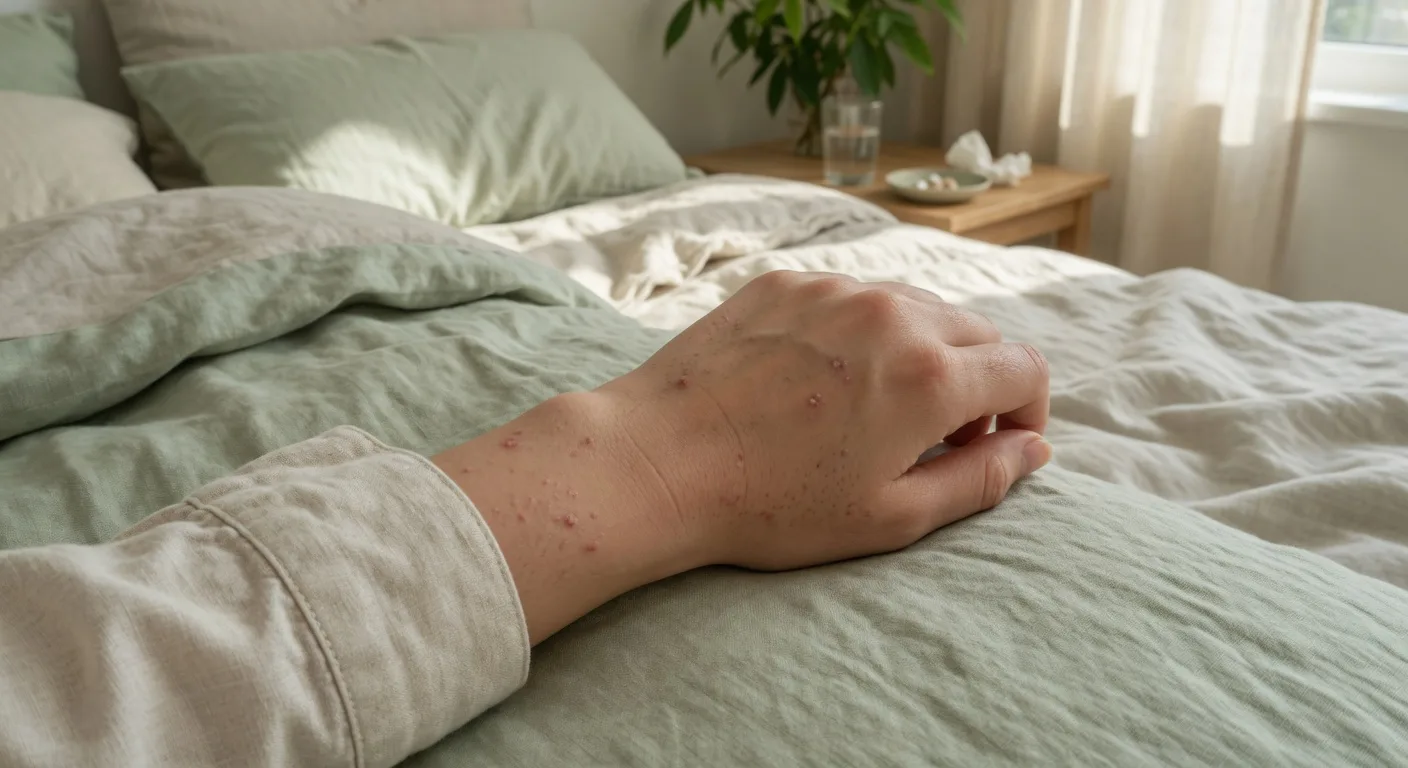
Bed bug bites often appear in a line or cluster, are intensely itchy, and may take a few days to show. Unlike flea bites, which are mainly around the ankles, bed bugs can occur on any exposed skin.
Common signs include small red bumps, possible swelling, and a central puncture mark. If you suspect bed bugs, capture a specimen or photograph bites and contact a pest professional for confirmation.
What does a bed bug infestation smell like?
Heavy infestations may produce a sweet, musty odor described as similar to berries or coriander. This scent comes from scent glands and is more noticeable when bugs are disturbed or clustered.
What are signs of bed bugs in luggage after travel?
After travel, check luggage and nearby areas for bed bug signs such as tiny brown spots (fecal marks), pale shed skins, small eggs or eggshells, and live or flattened bugs. Early detection can help prevent establishing an infestation in your home.
What do bed bug bites typically look like and how can I tell them apart?
Bed bug bites often appear as small, red, itchy bumps, usually in lines or clusters, but reactions vary. Other insects or skin conditions can look similar, so it’s best to consult a healthcare provider for an accurate assessment.
- Common signs include raised welts, mild swelling, and itchiness.
- Bites may appear on exposed skin, especially around arms, neck, or face during sleep.
- Track new patterns and avoid scratching to lower infection risk.
Only a qualified professional can confirm bed bugs through inspection and evidence, not bite appearance alone.
How can I identify an active bed bug infestation early?
Look for small blood spots on sheets, dark speck-like droppings, and tiny pale eggs or shed skins. A musty sweet odor can also signal a larger infestation.