Quick answer: Can bed bugs live inside memory foam
Bed bugs cannot live inside solid memory foam. They lack the mouthparts to burrow or tunnel into the foam itself. However, bed bugs can and do infest a memory foam mattress by hiding in seams, zippers, tufts, piping, and the space between the mattress and its foundation. The foam core is not the problem; the fabric surfaces and structural gaps are. Understanding this distinction helps you target inspection and treatment correctly.
Why bed bugs cannot live inside memory foam
Memory foam is a dense, viscoelastic polymer with mostly closed cells. It has no continuous air channels that an insect could occupy. Bed bugs are flat, parasitic insects that require cracks and gaps roughly 2 mm to 6 mm wide to hide and lay eggs. They cannot chew, drill, or bore into intact foam. Even if a bug crawls onto the surface, it remains on top unless the foam is crumbling or severely degraded. In that case, the bugs occupy surface fissures rather than living inside the foam itself. Therefore, the foam core is not a habitat for bed bugs.
Where bed bugs actually hide in a memory foam mattress
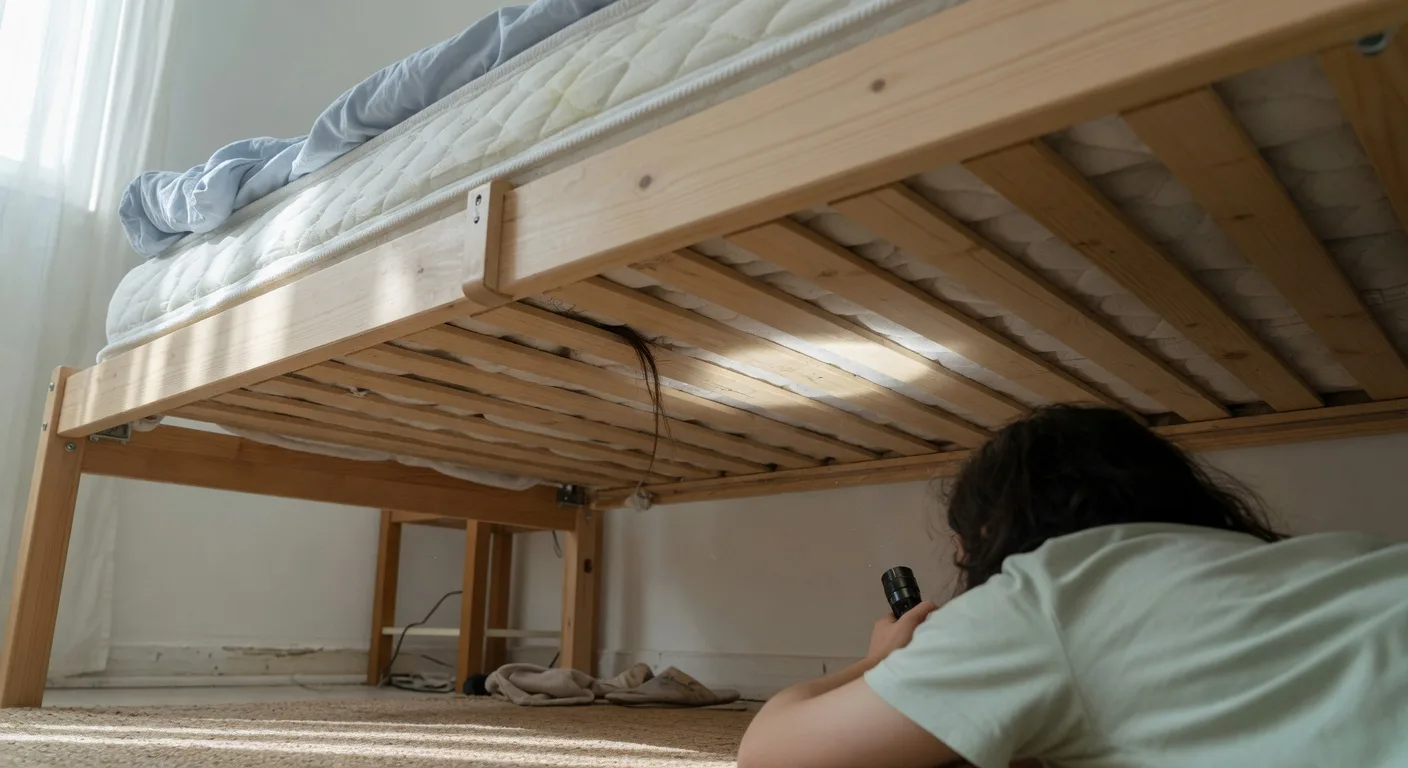
Although the foam is not a living space, the mattress as a whole offers many harborage sites. Inspect these areas methodically:
- Seams and stitching: The fabric cover is sewn at the edges and across quilted sections. Needle holes and folded edges create narrow gaps.
- Zipper tracks and covers: Removable, zippered covers trap bugs along the zipper teeth and inside the fabric channel.
- Tufts and buttons: Decorative tufts pull fabric tight, forming tiny crevices around each point.
- Edge piping: The reinforced border where foam meets fabric often has a small gap.
- Between the mattress and box spring/foundation: Bed bugs commonly live under the mattress, on the box spring, or within the bed frame.
- Under the cover: Bugs can rest between the foam and a loose cover, but they still cannot penetrate the foam.
Step-by-step visual inspection checklist
Use a bright LED flashlight and a magnifying glass. Examine each area slowly and probe gently with a credit card or thin tool.
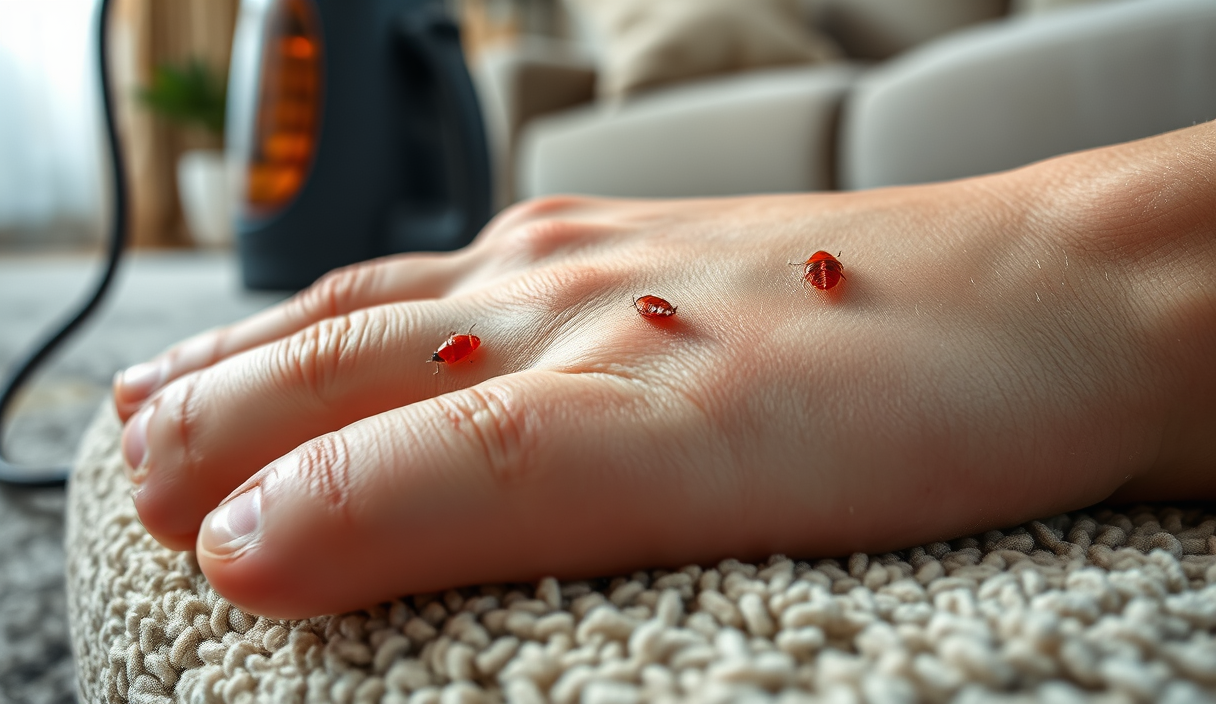
- Look for live bugs (rusty reddish-brown, about the size of an apple seed).
- Check for dark fecal spots that streak or bleed into the fabric.
- Find pale, translucent shed skins (exuviae) in folds.
- Spot tiny white eggs (about 1 mm) glued to fibers.
- Identify small rusty red smears from crushed bugs.
Inspect multiple locations and repeat inspections every 2–3 days. Bed bugs can be elusive, and a single check often misses harborages.
Can bed bugs infest a memory foam topper
Memory foam toppers are thinner and often have less robust covers than full mattresses. The same rule applies: bugs cannot live inside the foam. However, toppers are more likely to have loose covers or be placed atop an infested box spring. Inspect the cover seam, zipper, and the interface between the topper and the underlying surface. Treat the topper as you would a mattress—focus on the fabric, not the foam.
Treatment options for memory foam mattresses
Since you cannot treat the inside of the foam, all efforts must target the surface and the surrounding room.
Heat treatment
Bed bugs die at sustained temperatures above 118°F (48°C) within 90 minutes. Memory foam can typically tolerate up to about 140°F (60°C) briefly, but exceeding that risks damage. Professional whole-room heat treatment is the most reliable option. Portable heaters for luggage or small items are not suitable for a full mattress. Avoid steam cleaners directed at the foam—steam temperatures and moisture can warp or ruin the foam and may void warranties.
Encasement
A bed bug proof encasement is the single most effective defense for a memory foam mattress. These zippered covers are woven tightly enough that bed bugs cannot bite through or escape. Once encased, bugs trapped inside die without a blood meal (they can survive 2–6 months depending on temperature). The encasement also blocks new bugs from colonizing the mattress. Choose a product specifically labeled for bed bugs with a secure zipper closure.
Vacuuming
Use a vacuum with a crevice tool on seams, edges, and around the bed frame. Immediately seal the vacuum bag in a plastic bag and discard it outside. Vacuuming removes live bugs, eggs, and debris, but it alone will not eliminate a full infestation.
Chemical sprays
Use only insecticides labeled for bed bugs and for application on mattresses. Products containing permethrin or certain pyrethroids can be applied to seams and fabric only—never spray the foam core. Allow the mattress to dry fully before remaking the bed. Do not use foggers or bug bombs; they fail to reach crevices and pose unnecessary health and fire risks.
Diatomaceous earth
Food-grade diatomaceous earth can be applied to cracks and voids in the bed frame and box spring. It is a desiccant that damages the bug’s waxy cuticle, leading to dehydration. Do not dust the mattress surface, as inhalation and skin irritation are concerns. Use it in voids, along baseboards, and behind furniture, not on the foam.
Prevention strategies for memory foam mattresses
Prevention is far simpler than eradication. Implement these measures before an infestation occurs:
- Install a bed bug proof encasement on both the mattress and box spring before use.
- Keep the mattress at least 2 inches away from walls and headboards.
- Use bed bug interceptor cups under each bed leg.
- Reduce clutter around the bed to eliminate alternative hiding spots.
- Thoroughly inspect secondhand mattresses, toppers, and furniture before bringing them indoors.
- When traveling, examine hotel mattress seams and headboards. Keep luggage on a raised rack, away from the bed and walls.
Common myths about bed bugs and memory foam
| Myth | Fact |
|---|---|
| Bed bugs can live deep inside memory foam. | Bed bugs cannot burrow into solid foam. They hide in seams and on surfaces. |
| Throwing away the mattress solves the problem. | Bed bugs spread to nearby furniture and baseboards. Discarding the mattress without broader treatment often makes infestations worse. |
| Memory foam is inherently resistant to bed bugs. | The foam is not a food source, but the mattress cover and structure still provide hiding places. |
| Freezing the mattress kills bed bugs. | Effective freezing requires sustained temperatures below 0°F (-18°C) for multiple days. Home freezers are too small and foam can be damaged by moisture. |
| Rubbing alcohol kills bed bugs instantly. | Alcohol can kill on contact but evaporates quickly. It is flammable, can harm foam and fabric, and is not a reliable treatment. |
When to call a professional
If you see multiple live bugs, numerous eggs, or heavy fecal staining, a do it yourself approach is rarely enough. Bed bugs reproduce quickly—a single female can lay 200 to 500 eggs in her lifetime. Professionals have access to commercial-grade heat equipment, high-powered steamers, and residual insecticides unavailable to consumers. They can also inspect adjoining rooms and treat the entire structure. For a memory foam mattress, the safest and most effective strategy combines an encasement with professional heat treatment.
Frequently asked questions
Can bed bugs live in a memory foam pillow
No. Bed bugs cannot live inside the foam of a pillow. They can hide in the pillow cover’s seams and zipper. Encase the pillow in a bed bug proof cover to prevent harborage.
How long can bed bugs survive on a memory foam mattress without feeding
Adult bed bugs can live 2 to 6 months without a blood meal, depending on temperature and humidity. Nymphs die sooner, usually within weeks. An encasement traps them and starves them over time.
Will washing the mattress cover kill bed bugs
Washing in hot water (at least 120°F or 49°C) and drying on high heat for 30 minutes kills bed bugs and eggs on the cover. The adhesive that cements eggs to fabric may require scrubbing to dislodge. Always dry on high heat; the dryer is more effective at killing eggs than the washer alone.
Can bed bugs climb up a memory foam mattress
Yes. Bed bugs can climb fabric, wood, and metal. They use sheets, bed skirts, or the bed frame to reach the mattress surface. Interceptor cups on bed legs can block their climb.
Should I throw away my memory foam mattress if I find bed bugs
Not necessarily. If the infestation is caught early and the mattress is in good condition, encasement plus professional treatment can often save it. Discard only if the mattress is heavily infested, torn, or the foam is degraded. Follow local disposal regulations to avoid spreading bugs to others.
In summary, bed bugs cannot live inside memory foam, but they will exploit every seam, zipper, and edge of the mattress. Focus your inspection and treatment on the fabric components and the surrounding environment. A bed bug proof encasement is your strongest defense. If the infestation is extensive, hire a licensed pest control professional who understands the limitations of treating foam mattresses. Avoid unproven home remedies and rely on targeted, evidence-based actions to eliminate bed bugs from your memory foam mattress.
Frequently Asked Questions
How long do bed bugs live without a blood meal?
Bed bugs can survive several months without feeding, though many live closer to 5–6 weeks under typical home conditions. Factors like temperature, humidity, and life stage influence their survival time.
How can I safely reduce bed bugs at home without chemicals?
Use non-chemical methods as part of an integrated approach and consult a licensed pest professional for assessment.
- Heat: Wash and dry infested items on the highest heat settings recommended for the fabrics.
- Vacuuming: Carefully vacuum cracks and crevices, then dispose of the bag or canister contents in a sealed outdoor bin.
- Barrier methods: Use mattress and box spring encasements labeled for bed bugs to reduce harborage and make detection easier.
These steps can help manage bed bugs, but they are generally most effective when combined with professional guidance.
How can I confirm bed bugs are gone after treatment?
Use a combination of monitoring methods over several weeks.
- Place interceptors on bed legs and check for trapped insects.
- Inspect common hiding spots with a flashlight and magnifier if available.
- Look for new cast skins, tiny dark spots (fecal stains), or live bugs.
Continue monitoring and follow up with your pest professional if signs return.
Are bed bugs active during the day?
Bed bugs are primarily nocturnal and prefer to feed at night. However, they can become active during the day if hungry, crowded, or if their nighttime host schedule changes.