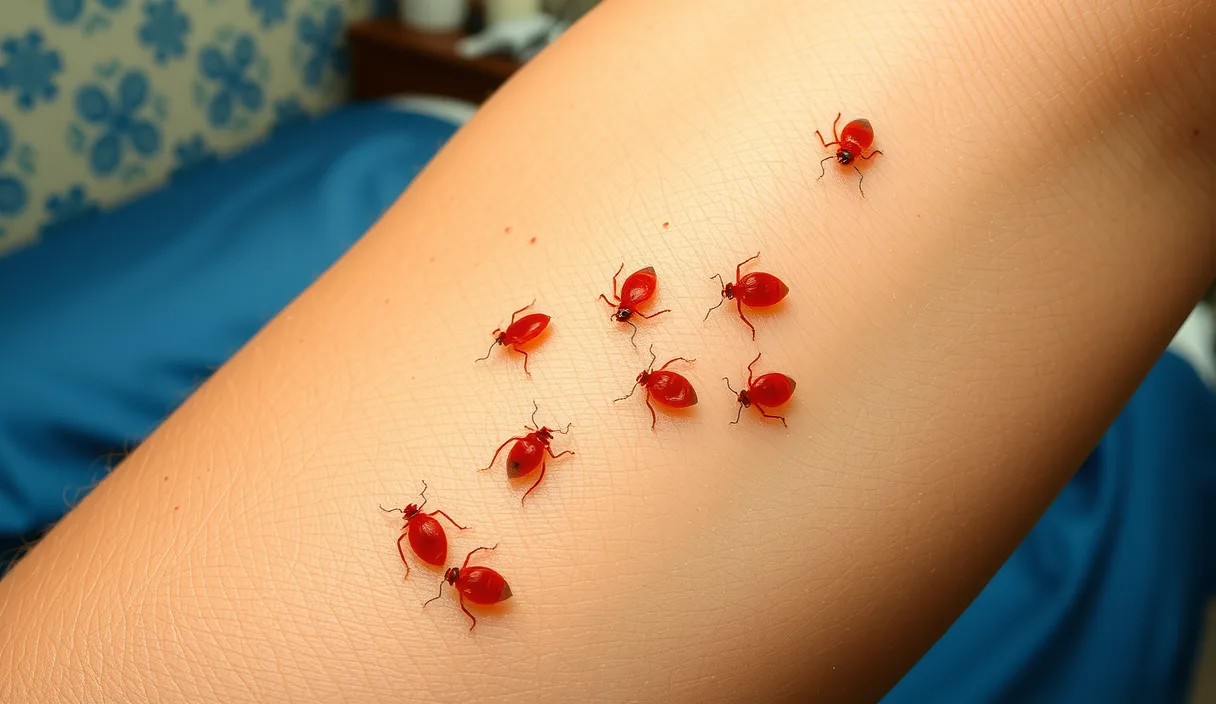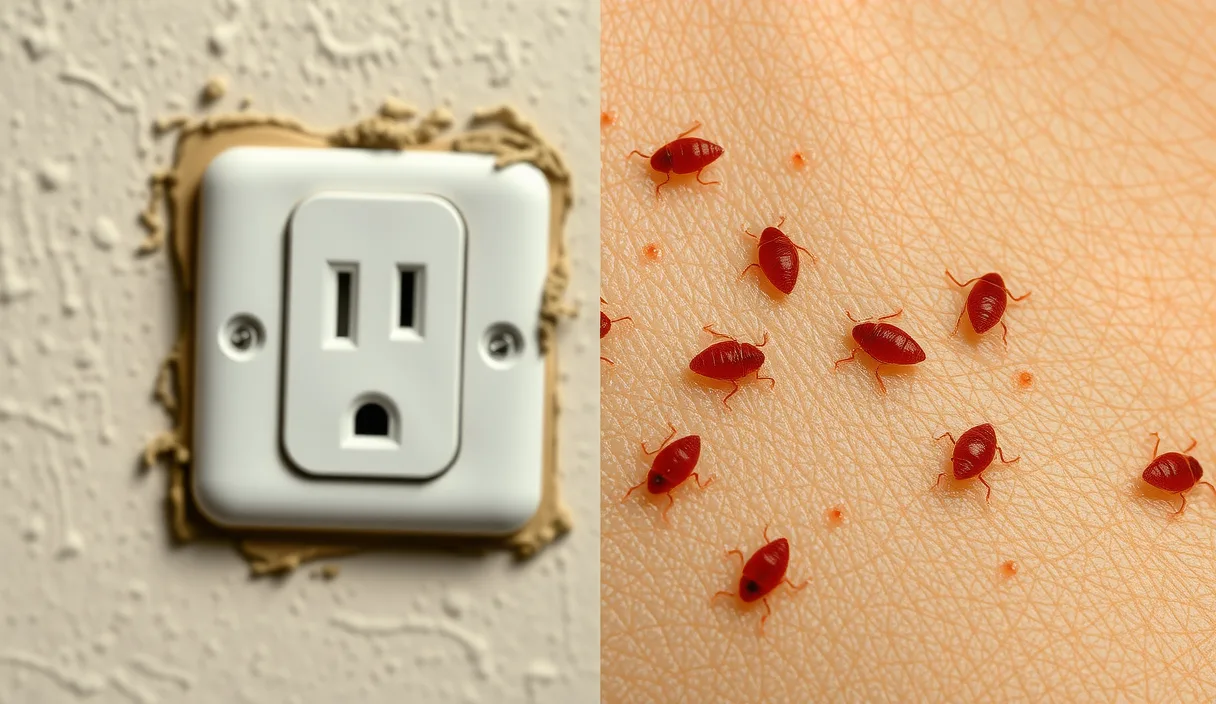
When dealing with black spots in your home, it's essential to determine whether they are bed bug feces or mold to take the appropriate action. Bed bug feces are typically small, dark spots that can be found near areas where bed bugs are present, such as mattresses, box springs, and headboards. On the other hand, mold can appear as black spots or patches and can be found in areas with high humidity, such as bathrooms and basements. To differentiate between the two, look for the presence of other signs of bed bugs, such as live bugs, shed skins, or eggs, and check for a sweet, musty odor, which is often associated with bed bugs.
Immediate Action: What to Do Tonight
If you suspect that you have bed bugs or mold in your home, it's crucial to take immediate action to prevent further infestation or growth. Here's a checklist of steps to take tonight:
- Wash and dry all bedding, including sheets, blankets, and comforters, in hot water and high heat to kill any bed bugs or eggs that may be present.
- Dry clean or seal in plastic bags any non-washable items, such as stuffed animals or curtains, to prevent bed bugs from escaping or spreading.
- Vacuum all carpets, rugs, and upholstered furniture, especially in areas where bed bugs are suspected, using a vacuum cleaner with a hose attachment and a disposable bag to prevent bed bugs from escaping.
- Check for any signs of mold, such as black spots or patches, and take steps to reduce humidity in the area, such as using a dehumidifier or improving ventilation.
Identifying Bed Bug Feces
Bed bug feces are small, dark spots that can be found near areas where bed bugs are present. They are typically around 1-2 mm in diameter and can be found in clusters or lines. Bed bug feces can be mistaken for mold or other substances, but they have a distinctive appearance and odor. To identify bed bug feces, look for the following characteristics:
- Small, dark spots or stains that are around 1-2 mm in diameter.
- A sweet, musty odor that is often associated with bed bugs.
- A tendency to appear in clusters or lines, especially in areas where bed bugs are present.
Identifying Mold
Mold can appear as black spots or patches and can be found in areas with high humidity, such as bathrooms and basements. To identify mold, look for the following characteristics:
- Black or greenish patches or stains that can appear on walls, ceilings, or floors.
- A musty, earthy odor that is often associated with mold.
- A tendency to appear in areas with high humidity, such as bathrooms, basements, or areas with poor ventilation.
Differences Between Bed Bug Feces and Mold
While both bed bug feces and mold can appear as black spots, there are several key differences between the two. Bed bug feces are typically smaller and more clustered than mold, and they have a distinctive sweet, musty odor. Mold, on the other hand, can appear as larger patches or stains and has a musty, earthy odor. Additionally, bed bug feces are often found near areas where bed bugs are present, while mold is typically found in areas with high humidity.
When to Call a Licensed Professional
If you are unsure whether the black spots in your home are bed bug feces or mold, or if you have a large infestation or growth, it's best to call a licensed professional for assistance. A pest control professional can help identify the source of the problem and provide effective treatment options. Additionally, if you have a mold growth that is larger than 10 square feet, it's recommended to call a licensed mold remediation professional to ensure safe and effective removal.
Prevention and Treatment
To prevent bed bugs and mold from infesting your home, it's essential to take proactive steps. For bed bugs, this includes:
- Inspecting second-hand furniture and items before bringing them into your home.
- Using a mattress cover and washing and drying bedding regularly.
- Sealing any cracks or crevices around windows, doors, and baseboards to prevent bed bugs from entering.
For mold, this includes:
- Reducing humidity in your home by using a dehumidifier or improving ventilation.
- Fixing any water leaks or condensation issues to prevent moisture from accumulating.
- Regularly cleaning and disinfecting surfaces to prevent mold growth.
FAQ
Here are some frequently asked questions about bed bug feces and mold:
- Q: How can I get rid of bed bugs? A: To get rid of bed bugs, wash and dry all bedding, vacuum all carpets and upholstered furniture, and use a pest control professional if necessary.
- Q: How can I prevent mold growth? A: To prevent mold growth, reduce humidity in your home, fix any water leaks or condensation issues, and regularly clean and disinfect surfaces.
- Q: What are the health risks associated with bed bugs and mold? A: Bed bugs can cause allergic reactions, skin irritation, and anxiety, while mold can cause respiratory problems, allergic reactions, and infections.
- Q: Can I use DIY methods to get rid of bed bugs and mold? A: While DIY methods can be effective for small infestations or growths, it's often best to call a licensed professional for assistance, especially for large or persistent problems.
- Q: How can I distinguish between bed bug feces and mold? A: Bed bug feces are typically smaller and more clustered than mold, and they have a distinctive sweet, musty odor. Mold, on the other hand, can appear as larger patches or stains and has a musty, earthy odor.
| Bed Bug Feces | Mold | |
|---|---|---|
| Appearance | Small, dark spots or stains | Black or greenish patches or stains |
| Odor | Sweet, musty | Musty, earthy |
| Location | Near areas where bed bugs are present | Areas with high humidity |
| Size | Typically 1-2 mm in diameter | Can appear as larger patches or stains |
Related guides — different questions
These articles cover overlapping topics but answer different questions. Pick the one that matches your situation.
- How to identify bed bug feces on walls
Read if: You see dark spots or stains on a wall or baseboard and need to confirm droppings.
- How to Identify Bed Bugs on Walls: Fecal Spots and Smear Test Guide
Read if: You want a room-by-room wall checklist, not just photos of droppings.
- What Does Bed Bug Waste Look Like on Walls and Baseboards?
Read if: You searched “what does bed bug waste look like” and need a photo-based answer.
Frequently Asked Questions
What do bed bug bites typically look like and how can I tell them apart?
Bed bug bites often appear as small, red, itchy bumps, usually in lines or clusters, but reactions vary. Other insects or skin conditions can look similar, so it’s best to consult a healthcare provider for an accurate assessment.
- Common signs include raised welts, mild swelling, and itchiness.
- Bites may appear on exposed skin, especially around arms, neck, or face during sleep.
- Track new patterns and avoid scratching to lower infection risk.
Only a qualified professional can confirm bed bugs through inspection and evidence, not bite appearance alone.
How do I identify bed bug bites vs other insect bites?
Bed bug bites often appear in a line or cluster, are intensely itchy, and may take a few days to show. Unlike flea bites, which are mainly around the ankles, bed bugs can occur on any exposed skin.
Common signs include small red bumps, possible swelling, and a central puncture mark. If you suspect bed bugs, capture a specimen or photograph bites and contact a pest professional for confirmation.
How can landlords prevent and manage bed bug infestations?
Landlords can reduce risks with clear lease clauses, routine inspections in high-turnover units, and prompt response to reports. Use integrated pest management and choose licensed professionals for inspections and treatments.
Document conditions before and after tenancy, communicate prevention steps to tenants, and coordinate with neighbors in multi-unit buildings to limit spread.
How do I prepare for a professional bed bug treatment?
Follow these steps to help a pest professional be effective and safe.
- Wash and dry infested clothing and linens on the hottest settings allowed.
- Declutter floors and surfaces to reduce hiding spots.
- Seal items you cannot treat in labeled plastic bags until they can be inspected or treated.
Discuss any health concerns or special needs with your pest control provider before treatment.