Bed bugs are resilient pests. They hide in cracks and crevices, come out at night to feed, and can survive months without a meal. Essential oils like tea tree, peppermint, and lavender contain compounds that can repel or kill bed bugs on direct contact. However, these oils do not penetrate bed bug eggs. The eggs are cemented to surfaces with a strong adhesive and require sustained high heat (120°F / 50°C for 60–90 minutes) to be killed. Spraying alone will not eliminate an infestation—it must be part of a multi-step approach. Understanding this behavior is critical because bed bugs are masters of concealment. They often hide in mattress seams, behind headboards, inside electrical outlets, and under baseboards. A spray can only reach what you see, so thorough inspection and preparation are essential before any treatment.
How Essential Oils Work Against Bed Bugs
The active compounds in certain essential oils—such as terpenes—can disrupt the bed bug's nervous system, leading to paralysis or death when applied directly. Some oils also act as repellents, discouraging bed bugs from crossing treated areas. Laboratory studies have shown that high concentrations (5–10%) of oils like clove, rosemary, and eucalyptus can kill bed bugs on contact. But in real-world conditions, bed bugs often hide in protected spots where spray cannot reach. Therefore, the spray is best used as a spot treatment on visible bugs and as a barrier on mattress seams, bed frames, and baseboards. It is important to note that essential oils work primarily through direct contact. They do not have residual activity like synthetic pesticides, meaning they dry and lose effectiveness within hours. Reapplication is necessary for continued protection.
Key Active Compounds in Essential Oils
- Terpenes: Found in tea tree, eucalyptus, and clove oils. These compounds can penetrate the insect's exoskeleton and cause neurotoxicity.
- Menthol: Present in peppermint oil. It acts as a strong irritant and repellent, making bed bugs avoid treated areas.
- Linalool: Common in lavender and cinnamon. It has both repellent and insecticidal properties at high concentrations.
- Eugenol: Found in clove and cinnamon leaf oils. This compound is particularly effective against nymphs (young bed bugs) but can cause skin irritation in humans.
Natural Bed Bug Spray Recipe with Essential Oils
Below is a field-tested recipe. Use a dark glass spray bottle to protect the oils from light degradation. Plastic bottles can also work, but glass is preferred because essential oils can degrade certain plastics over time. Always label the bottle clearly and store it away from children and pets.
Ingredients
- 10 oz (300 ml) distilled water
- 1 tablespoon (15 ml) rubbing alcohol (70% isopropyl) – helps disperse oils and speeds drying
- 30–40 drops total of essential oils from the list below
- 1 teaspoon (5 ml) liquid castile soap or mild dish soap – acts as an emulsifier
Directions
- Combine the rubbing alcohol and castile soap in the spray bottle. This helps the oils mix evenly with water.
- Add the essential oils. Swirl gently to mix. Avoid shaking vigorously at this stage to prevent excessive foaming.
- Add distilled water. Close the bottle and shake well before each use. Shake for 10–15 seconds to ensure the oils are suspended.
Recommended Essential Oil Blend
| Drops | Properties | |
|---|---|---|
| Tea tree | 15 | Antimicrobial, contact killer |
| Peppermint | 10 | Strong repellent, irritant |
| Lavender | 10 | Calming scent, repellent |
| Clove or cinnamon leaf | 5 | High potency against nymphs |
Note: Clove and cinnamon can cause skin irritation. Wear gloves when spraying. Do not use on upholstery without testing an inconspicuous spot first. If you have sensitive skin or respiratory issues, consider reducing the clove drops to 3 and increasing lavender to 12 for a milder blend.
Limitations and Safety Considerations
Essential oil sprays are not a standalone solution. Bed bugs have developed resistance to many synthetic pesticides, and oils alone cannot break a heavy infestation. The spray may kill bugs it directly hits, but hidden bugs, eggs, and resistant strains will survive. Always combine with:
- Thorough vacuuming and steam cleaning – vacuum all cracks, crevices, and furniture surfaces. Dispose of the vacuum bag immediately in a sealed plastic bag.
- Encase mattresses and box springs – use bed bug-proof encasements to trap bugs inside and prevent new ones from entering.
- Launder bedding on high heat (dryer for 60+ minutes at high setting) – washing alone may not kill eggs, but the heat from the dryer does.
- Apply diatomaceous earth in cracks – use food-grade diatomaceous earth in wall voids and behind baseboards. Wear a mask to avoid inhaling the fine dust.
Safety: Keep spray away from pets—especially cats, who cannot metabolize some essential oils. Avoid spraying directly on bedding where humans sleep. Do not ingest. If skin irritation occurs, rinse with water and discontinue use. Also, avoid spraying near open flames or heat sources, as rubbing alcohol is flammable until it evaporates completely.
How to Use the Spray Effectively
To maximize the spray's effectiveness, follow these application tips:
- Inspect first: Use a flashlight and magnifying glass to identify all hiding spots. Look for dark spots (feces), shed skins, and live bugs.
- Spot-treat visible bugs: Spray directly on any bed bug you see. The oil mixture will kill it within minutes if it makes direct contact.
- Create barriers: Spray along mattress seams, bed frame joints, and baseboards. This creates a repellent zone that discourages bugs from crossing.
- Reapply every 2–3 days: Oils evaporate quickly, so reapply until you no longer see signs of activity. Continue for at least two weeks after the last sighting.
- Combine with mechanical methods: Use a stiff brush to scrub mattress seams and furniture cracks before spraying. This dislodges eggs and exposes hidden bugs.
Frequently Asked Questions
Does the spray kill bed bug eggs?
No. The eggs are glued to surfaces and require sustained heat above 120°F to be killed. Wash and dry infested bedding on high heat for at least 60 minutes. Steam cleaning at 130°F can also kill eggs on contact.
Can I use this spray on my skin?
No. This spray is for surfaces only. Undiluted essential oils can cause burns or allergic reactions. If you need a personal repellent, use a product specifically formulated for skin, such as those containing DEET or picaridin.
How long does the spray last?
After drying, the repellent effect may fade within a day. Reapply every 2–3 days until you no longer see activity. In high-humidity environments, the spray may degrade faster, so reapplication every 24 hours may be necessary.
Will the spray stain fabrics?
Some oils (clove, cinnamon) can leave light stains. Always test on a hidden area first. Use a minimal amount of soap to avoid residue. For light-colored fabrics, consider using a blend without clove or cinnamon, such as tea tree and lavender only.
Can I use this spray on my mattress?
Yes, but sparingly. Spray only the seams and edges, not the sleeping surface. Allow the mattress to dry completely (about 30 minutes) before making the bed. Use a mattress encasement to protect the surface and trap any bugs inside.
Is this spray safe for children?
Essential oils can be irritating to young children, especially those with asthma or allergies. Keep children away from treated areas until the spray is completely dry. For nurseries, consider using a milder blend with only lavender and peppermint, and test a small area first.
When to Call a Professional
If you see bed bugs in multiple rooms, have a large population, or the DIY methods haven't worked after three weeks, call a licensed pest control operator. Professionals use heat treatments, steam, and targeted insecticides that are more likely to eliminate the entire colony. A natural spray can help reduce numbers but cannot fully eradicate a mature infestation. Use it as a supplement, not a cure. Signs that you need professional help include: finding bed bugs in non-bedroom areas (living room, office), seeing them during the day (indicating a large population), or experiencing bites every night despite treatment. Professional heat treatment typically raises the entire room to 135°F for several hours, killing all life stages, including eggs. This is the most reliable method for severe infestations.
Frequently Asked Questions
How long do bed bugs live without a blood meal?
Bed bugs can survive several months without feeding, though many live closer to 5–6 weeks under typical home conditions. Factors like temperature, humidity, and life stage influence their survival time.
How can I safely reduce bed bugs at home without chemicals?
Use non-chemical methods as part of an integrated approach and consult a licensed pest professional for assessment.
- Heat: Wash and dry infested items on the highest heat settings recommended for the fabrics.
- Vacuuming: Carefully vacuum cracks and crevices, then dispose of the bag or canister contents in a sealed outdoor bin.
- Barrier methods: Use mattress and box spring encasements labeled for bed bugs to reduce harborage and make detection easier.
These steps can help manage bed bugs, but they are generally most effective when combined with professional guidance.
How do I identify bed bug bites vs other insect bites?
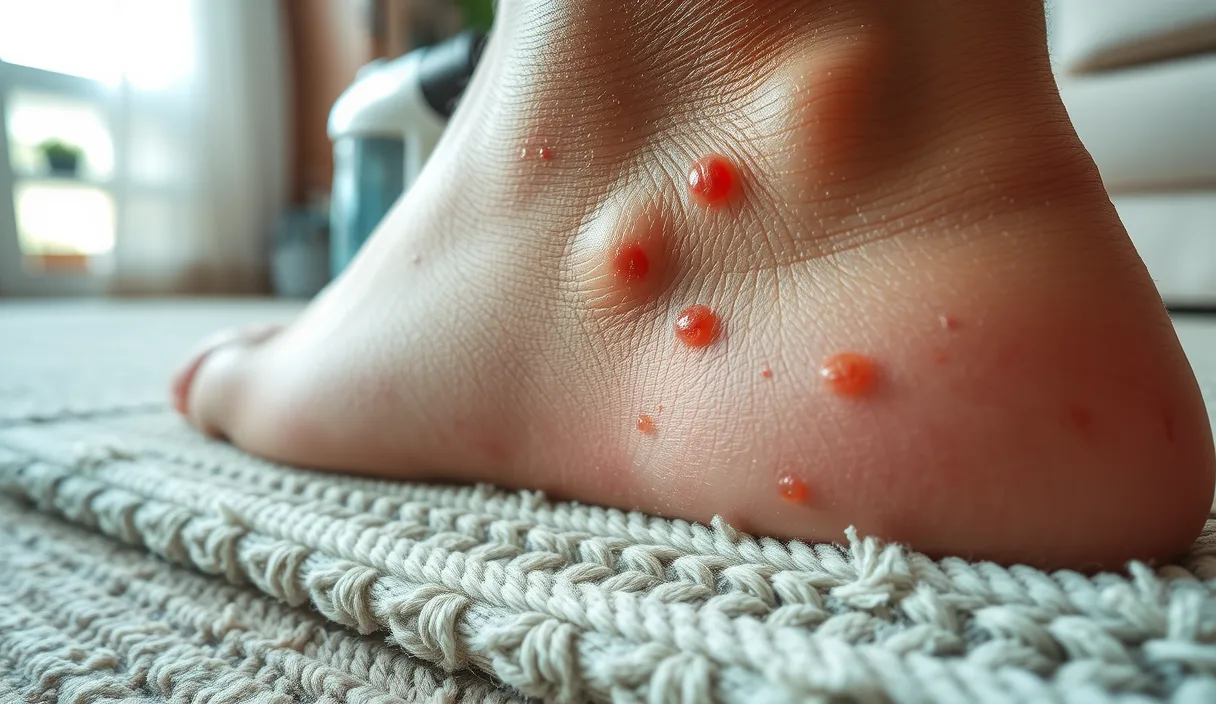
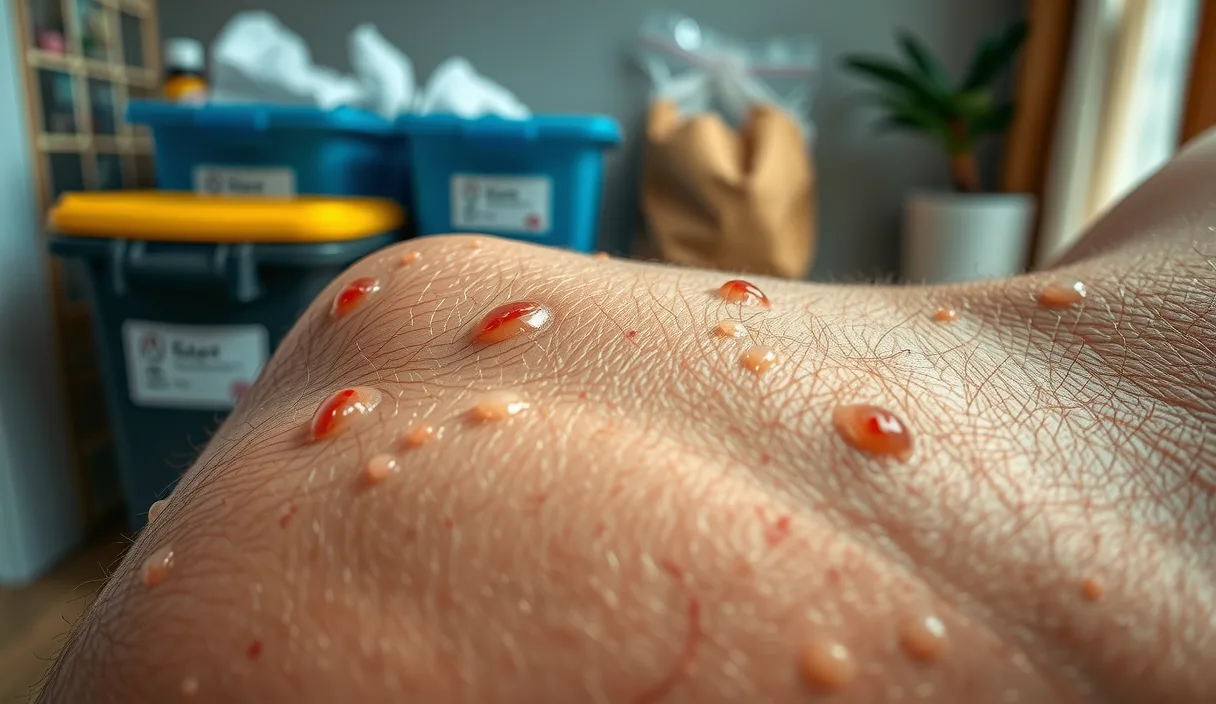
Bed bug bites often appear in a line or cluster, are intensely itchy, and may take a few days to show. Unlike flea bites, which are mainly around the ankles, bed bugs can occur on any exposed skin.
Common signs include small red bumps, possible swelling, and a central puncture mark. If you suspect bed bugs, capture a specimen or photograph bites and contact a pest professional for confirmation.
How can landlords prevent and manage bed bug infestations?
Landlords can reduce risks with clear lease clauses, routine inspections in high-turnover units, and prompt response to reports. Use integrated pest management and choose licensed professionals for inspections and treatments.
Document conditions before and after tenancy, communicate prevention steps to tenants, and coordinate with neighbors in multi-unit buildings to limit spread.