Bed bugs remain a persistent threat in hotels regardless of star rating or geography. This checklist gives you a systematic inspection method you can complete in under ten minutes before settling into any room. I developed this protocol over years of advising travelers and property managers on prevention strategies that actually work.
Why the First Ten Minutes Matter
Once you place luggage on a bed or upholstered chair, you risk transferring hitchhikers to your belongings. Bed bugs do not jump or fly, but they crawl quickly when disturbed and squeeze into the thinnest gaps. I always tell clients to treat the entry period as critical: keep bags on hard surfaces, inspect first, then relax.
Your phone flashlight suffices for most inspections, though a dedicated light with a narrow beam helps illuminate deep crevices. Dark-adapt your eyes by dimming room lights for thirty seconds before starting. This simple step reveals shadows and movement you would otherwise miss.
The Mattress and Foundation System
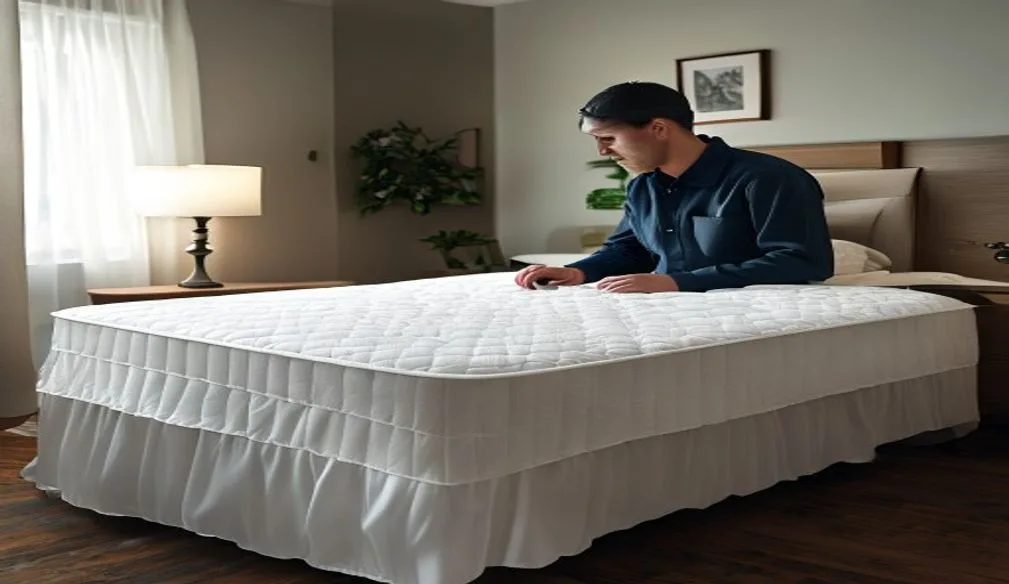
Strip the bed completely. Run your light along every seam and tag on the mattress surface, paying special attention to corners where blood-fed adult bed bugs cluster. What you seek: live insects (reddish-brown, apple-seed-sized), shed translucent skins, tiny white eggs cemented to fabric, and dark fecal spots that smear when dampened.
Lift the mattress and examine the box spring or platform base. The fabric underside often tears at corners, exposing the wooden framework beneath. Bed bugs favor these intersecting planes where wood meets fabric. In my field work, I have found heavy infestations concentrated where the dust cover fabric staples have loosened, creating perfect harborage.
Probe any tears in the fabric with a credit card edge or similar thin rigid tool. Eggs adhere with a cement-like secretion; mechanical dislodging reveals hidden populations. Do not rely on visual scanning alone.
Headboard Architecture and Bed Frame Joints
Wall-mounted headboards detach with varying difficulty. If you cannot remove yours, inspect the visible perimeter where it meets the wall, particularly near electrical outlets that provide warmth and access corridors. Freestanding headboards offer easier examination of rear surfaces and leg bases.
Metal frames resist infestation better than wood, but screw holes, caster sockets, and weld seams still harbor bugs. Wooden slats and corner posts demand careful attention to grain cracks and finish imperfections. I often see travelers neglect the bed frame entirely, assuming the mattress holds all risk. This assumption costs them.
Secondary Furniture and Room Perimeter
upholstered chairs and sofas receive the same seam-and-crease treatment as beds. Remove cushions, inspect zipper tracks, and examine the skirt fabric where it meets flooring. Bed bugs traverse carpeted areas readily; ground-contact fabric edges serve as highways.
Nightstands and dressers require drawer removal. Inspect the void left behind, particularly the rear panel where manufacturers staple thin fiberboard. Lamp bases, clock housings, and telephone cradles accumulate warmth and offer concealment. What I tell clients: if an object has a seam, gap, or hollow interior, check it.
Window treatments complete the perimeter survey. Pull drapes fully open and examine pleat gathers at the rod attachment. Hem bottoms touching carpet or baseboards warrant particular scrutiny. Bed bugs climb vertical fabric surfaces when seeking harborage or hosts.
Evidence Interpretation: What You Are Actually Seeing
| Appearance | Significance | |
|---|---|---|
| Live adult | 5–7 mm, reddish-brown, oval, wing pads visible but non-functional | Confirms active infestation; one female can lay 200–500 eggs lifetime |
| Fecal spotting | Dark pinpricks, often linear clusters; smears rust-colored when moistened | Indicates feeding activity; fresh spots suggest recent presence |
| Shed skins | Translucent, empty exoskeletons, progressively larger toward adult size | Documents molting and population growth over time |
| Eggs and eggshells | 1 mm, pearly white, often in adhesive clusters | Proof of breeding; difficult to remove without mechanical scraping |
| blood smears | Rusty or dark streaks on sheets from crushed fed bugs | Suggests sleeping host has already been bitten |
Fresh fecal spotting has a distinctive glossy appearance under direct light. Dried spots matte and embed into fabric weave. I teach travelers to carry a small spray bottle of water: a light mist on suspect spots reveals the characteristic smear pattern that distinguishes bed bug feces from mold, dirt, or other debris.
When Evidence Appears: Your Response Protocol
Finding any sign triggers immediate action. Do not attempt treatment yourself. Bed bugs exhibit documented resistance to many conventional approaches, and improper disturbance scatters populations into wall voids and adjacent rooms, complicating professional remediation.
Photograph all evidence with your phone, including surrounding context for scale. Notify front desk management and request immediate room relocation to a non-adjacent floor, preferably distant from the original room. Inspect the replacement room using this same checklist before transferring belongings.
Document your notification in writing: email yourself with hotel name, room number, date, time, staff member name, and photographic evidence. This record proves invaluable if you later discover infestation transfer to your home and need to establish timeline and liability.
Post-Travel Containment Measures
Even negative inspections warrant precautionary steps upon return. Unpack directly into your washing machine, not onto furniture or floors. Launder all fabric items in hot water and dry on high heat for minimum forty-five minutes. Sustained temperatures above 60°C (140°F) kill all life stages, though eggs require longer exposure than adult bed bugs due to thermal mass and adhesive attachment.
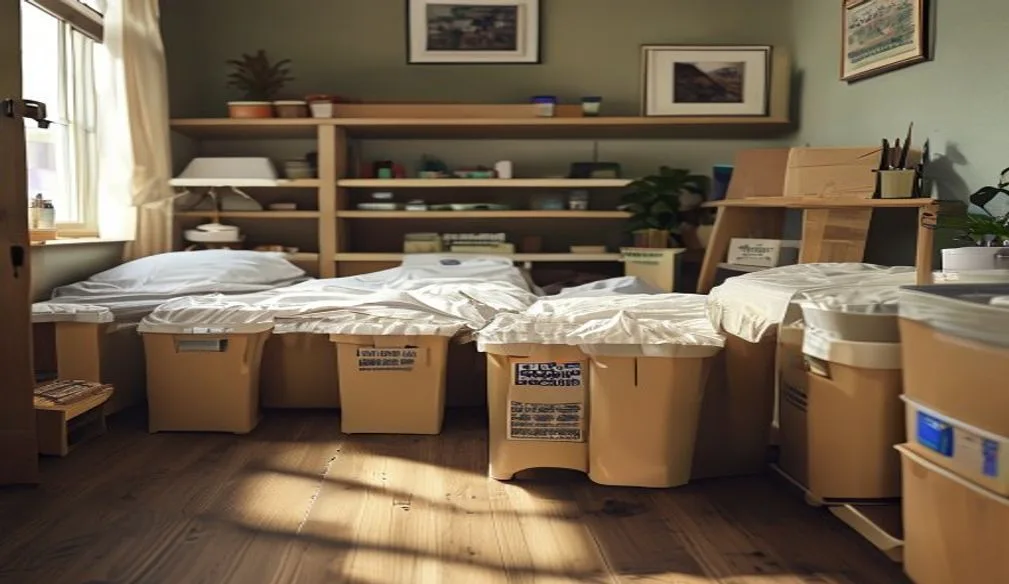
Vacuum luggage thoroughly, paying attention to zipper tracks, pocket interiors, and wheel housings. Wipe hard-shell surfaces with isopropyl alcohol on a cloth. Store luggage sealed in plastic bins or heavy contractor bags for two weeks if space permits; this isolation period traps any surviving hitchhikers without host access.
I have seen too many travelers skip these steps, assuming their careful hotel inspection guaranteed safety. Bed bugs are remarkably adept at concealment. One missed egg behind a luggage tag suffices to establish home infestation. The fifteen minutes of post-trip processing prevents months of remediation.
Recognizing Bites and When to Seek Medical Evaluation
bed bug bites typically appear as clustered or linear red welts on exposed skin: arms, shoulders, neck, face. Reactions vary dramatically by individual sensitivity, from invisible to pronounced swelling. Some people develop delayed reactions appearing days after feeding.
The bites themselves pose no disease transmission risk—bed bugs are not vectors for human pathogens. However, secondary infection from scratching and significant allergic reactions require medical attention. Consult a healthcare provider if you experience extensive swelling, blistering, or signs of infection such as warmth, pus, or spreading redness. I am not qualified to recommend specific treatments; a clinician evaluates your symptoms and medical history appropriately.
Building Your Travel Inspection Kit
Minimal preparation suffices for effective inspection. Pack a small flashlight with focused beam, a credit card or hotel key card for crevice probing, a spray bottle for fecal spot testing, and a sealable plastic bag for any specimens you collect. A smartphone camera documents findings for professional identification if needed.
Some travelers prefer white sheets or pillowcases packed specifically for inspection contrast, laying them across suspect surfaces to spot dark signs more readily. I find this unnecessary for most situations but valuable when inspecting rooms with dark patterned upholstery that camouflages spotting.
The investment in these simple tools and this systematic approach protects not only your immediate travel experience but your home environment. Bed bug elimination from residential spaces typically requires professional intervention costing thousands of dollars and disrupting daily life for weeks. Ten minutes of disciplined inspection prevents this outcome.
Frequently Asked Questions
What are signs of bed bugs in luggage after travel?
After travel, check luggage and nearby areas for bed bug signs such as tiny brown spots (fecal marks), pale shed skins, small eggs or eggshells, and live or flattened bugs. Early detection can help prevent establishing an infestation in your home.
How can I reduce the chance of bringing bed bugs home from travel?
Travel smart habits can lower the risk of picking up bed bugs and spreading them to your home.
- Inspect hotel rooms for live bugs, shed skins, or dark spots on mattresses and furniture.
- Keep luggage on a luggage rack away from beds and walls; consider using a hard-shell case.
- Wash and dry travel clothes on high heat as soon as possible after returning home.
- Store luggage in a sealed area for several weeks if you suspect exposure.
Early detection and careful storage help with prevention and make follow-up easier if needed.
Can bed bugs travel on my luggage after a trip?
Yes, bed bugs can hide in luggage, bags, and personal items after visiting a hotel or public space. This is a common way they move between locations.
- Inspect seams, pockets, and corners of your luggage.
- Keep bags on luggage racks or hard surfaces.
- Wash and dry travel clothes on high heat when you return home.
These steps help lower the chance of bed bugs spreading into your home.
How can you find bed bugs during an inspection?
Use a bright flashlight and a credit card to scrape along mattress seams where bugs hide flat. Search cracks in bed frames, outlet plates, and carpet edges near the bed.
Signs include rusty blood spots on sheets, pepper-like fecal dots, and a sweet musty odor in heavy infestations. If you are unsure, a licensed pest inspector can confirm with trained eyes and tools.