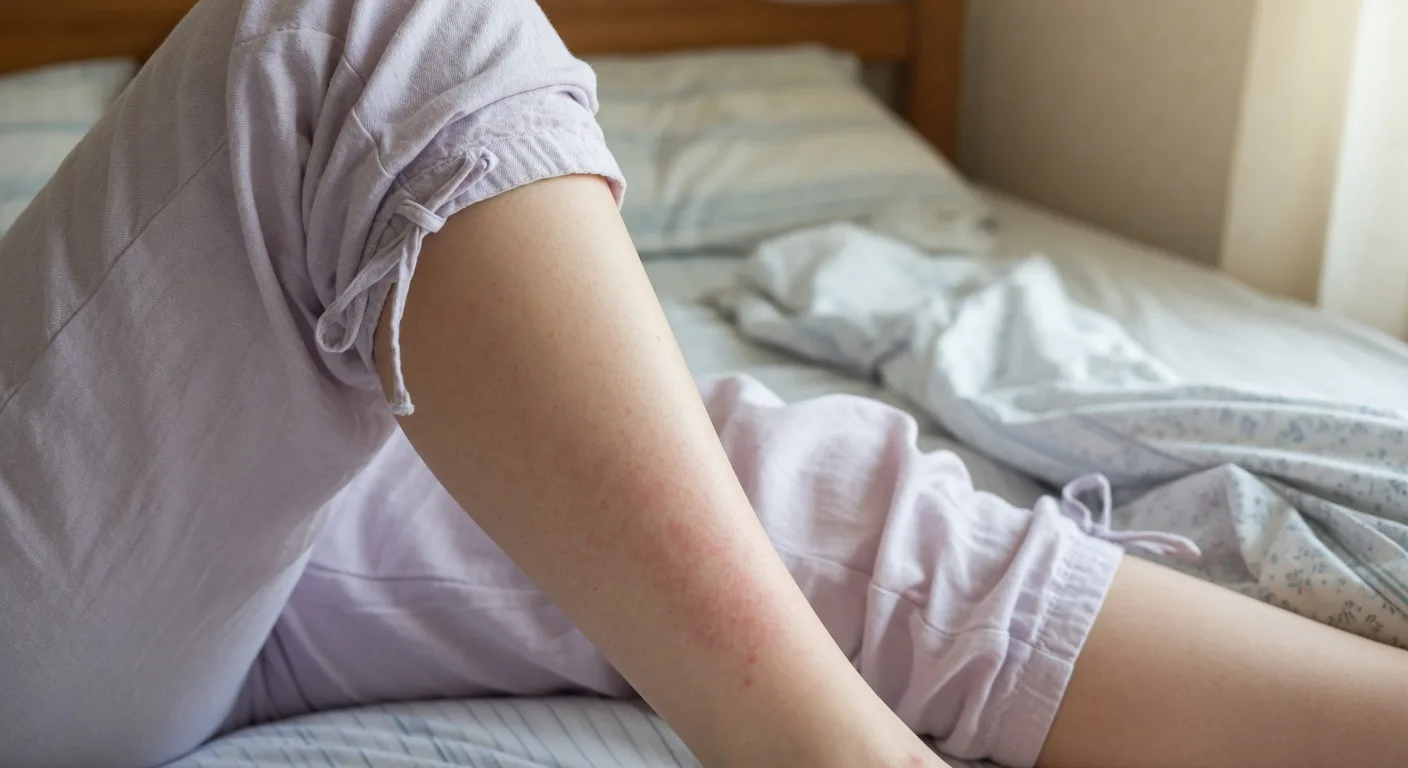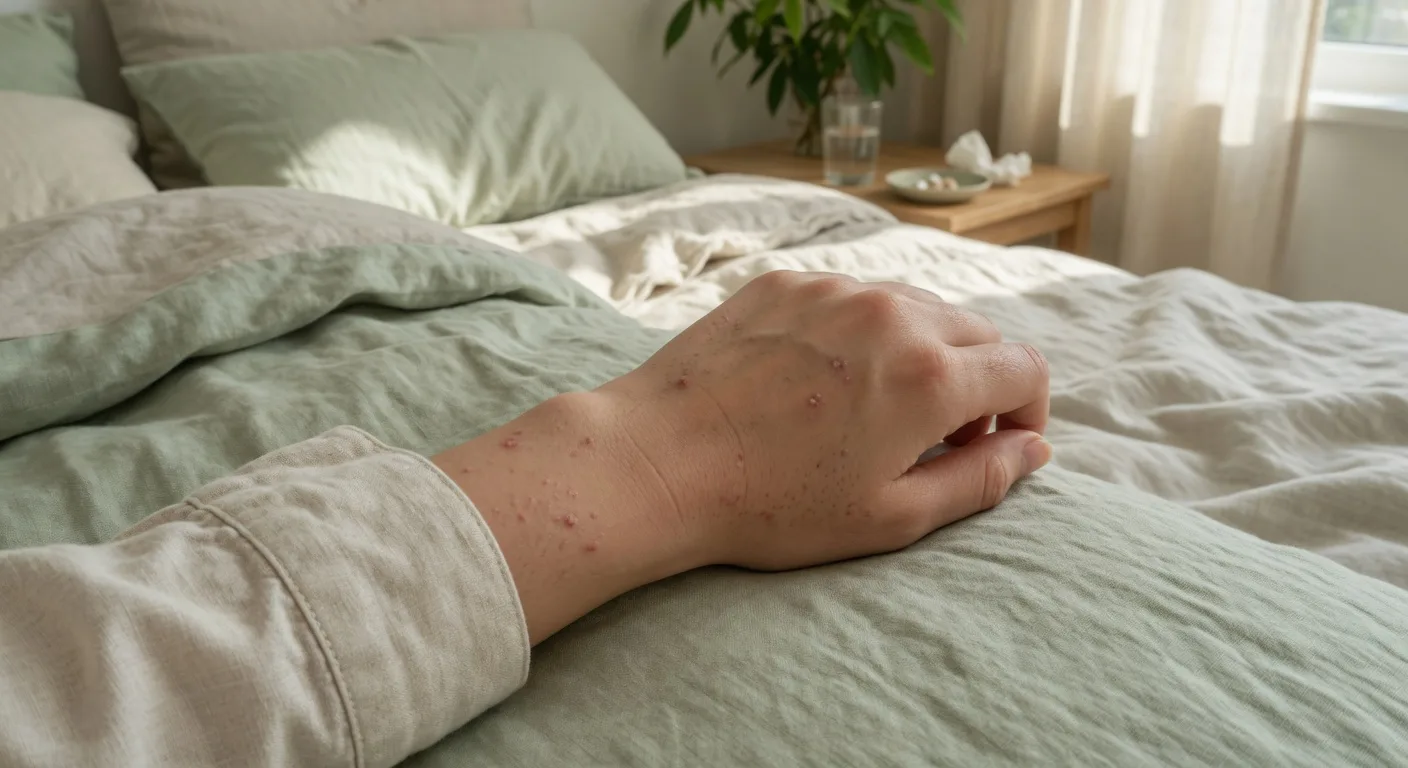
Bed bug bites and flea bites can look remarkably similar, which often leads to confusion and delayed treatment. Both appear as small, red, itchy bumps, but knowing the subtle differences between them is essential for effective pest control. This article provides a field-tested method to distinguish between the two based on bite patterns, timing, location on the body, and the physical evidence left behind in your home.
Understanding the Bite Patterns
The most reliable way to tell the difference between bed bug bites and flea bites is to examine the pattern and grouping of the welts. Each pest has a distinct feeding behavior creates a distinct signature on the skin.
Bed Bug Bite Patterns
Bed bugs are nocturnal feeders that typically bite in a linear or clustered pattern. When a bed bug feeds, it often probes the skin multiple times in a row before settling on a blood vessel. This results in a series of three to five bites in a straight or zigzag line, often described as "breakfast, lunch, and dinner." The bites are usually flat or slightly raised and can appear as small, red welts. Some people develop a delayed reaction, with bites becoming intensely itchy several days after the bite occurs.
Flea Bite Patterns
Fleas are more erratic feeders. They jump from host to host and bite randomly, often creating a scattered pattern of scattered, isolated bumps. Flea bites are typically smaller than bed bug bites and have a red halo around a central puncture point. The bites are intensely itchy almost immediately after the bite occurs. You will rarely see a line of three bites with fleas; instead, you will see random, single bites grouped around the ankles and lower legs.
CharacteristicBed Bug BitesFlea BitesPatternLinear or clustered (rows of 3-5)Random, scattered, single bumpsSizeSmall to medium, flat or raised weltsVery small, pinpoint, with a red haloOnset of ItchingDelayed (hours to days after bite)Immediate (seconds to minutes)Common LocationUpper body: face, neck, arms, handsLower body: ankles, feet, lower legs Location on the Body
Where the bites appear on your body is one of the strongest clues. Bed bugs tend to bite exposed skin while you sleep, which means the face, neck, arms, and hands are the most common targets. If you wake up with a line of bites on your back or legs, that is still possible, but the upper body is the primary zone. Fleas, on the other hand, are ground-level jumpers. They typically target the ankles, feet, and lower legs. If you have pets that sleep in your bed, fleas may occasionally bite higher up, but the lower extremities remain the most consistent location.
Timing of the Bites
Timing is another critical differentiator. Bed bugs are strictly nocturnal. If you are getting bitten during the day while sitting on a couch or at a desk, it is almost certainly not bed bugs. Fleas are active at any time of day, especially if you have pets or if there is a heavy infestation in carpeting. If you notice new bites appearing after sitting on a rug or after your pet has been indoors, fleas are the likely cause.
Physical Evidence in Your Home
Bites alone are not enough to confirmatory. You must look for physical evidence of the pests leave behind. This is where many people make mistakes, so pay close attention to what you actually find versus what you imagine you see.
Signs of Bed Bugs
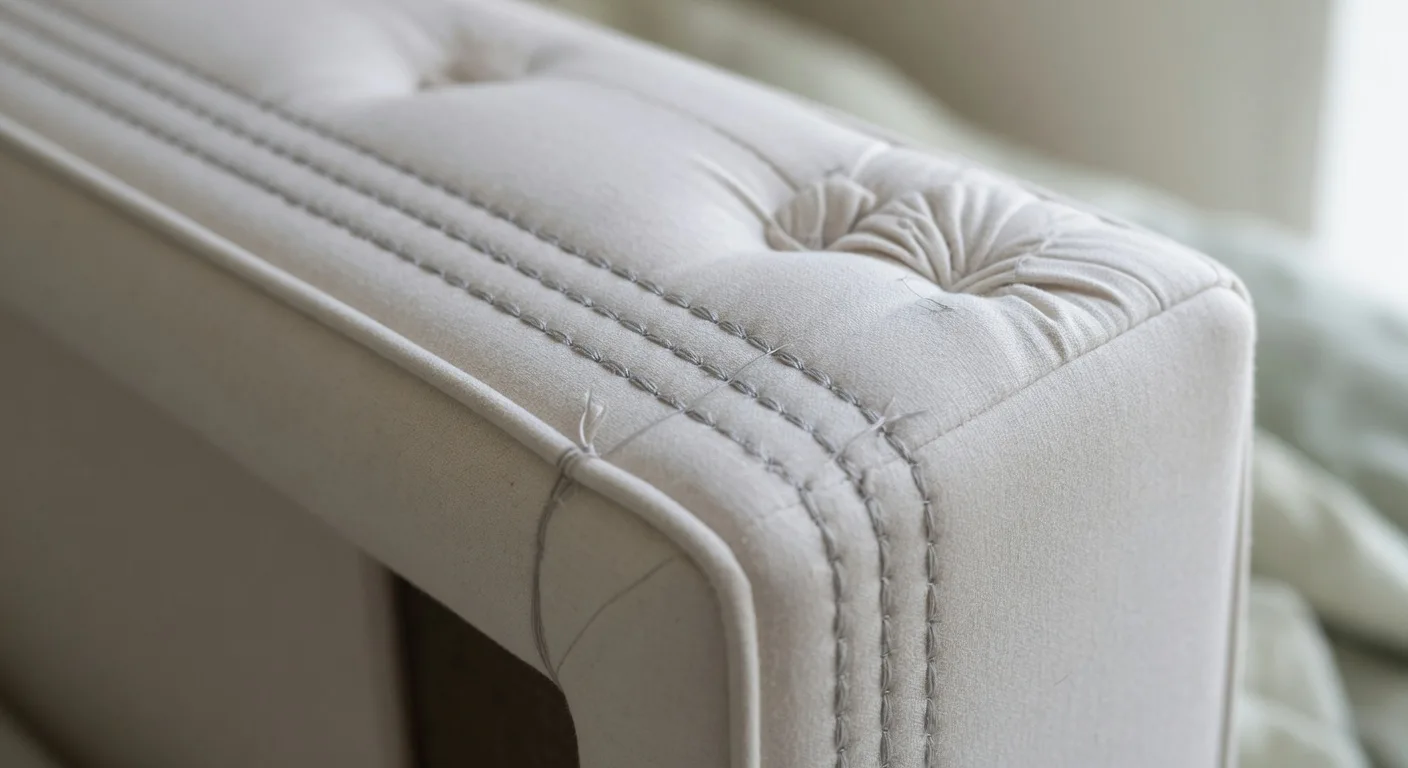
- Live bed bugs: Adult bed bugs are about the size of an apple seed, reddish-brown, and oval-shaped. You may find them in mattress seams, seams of mattresses, box springs, bed frames, or behind loose wallpaper.
- Fecal spots: Small, dark, rust-colored stains on sheets or mattress seams. These are digested blood and look like a dot made by a fine-tipped marker.
- Eggs and eggshells: Bed bug eggs are about 1 mm long, pearl-white, and cemented to fabric or wood. They do not brush off easily. You may also find translucent empty eggshells after nymphs hatch.
- Blood smears: Tiny spots of blood spots on your sheets from crushed, engorged bugs.
Signs of Fleas
- Flea dirt: Small, black, pepper-like specks on pet bedding, carpets, or in the fur of your pet. If you place these specks on a damp paper towel, they will turn reddish-brown (digested blood).
- Live fleas: Fleas are dark brownish-black, very small (about 1/16 inch), and move extremely fast. They are difficult to catch. You may see them jumping on your pet or on light-colored carpets.
- Pet scratching: If your dog or cat is scratching excessively, especially around the tail base and back, fleas are the most likely cause. Bed bugs rarely infest pets.
- Flea eggs: These are tiny, white, oval, and not sticky. They often fall off the pet into the environment and are often found in pet resting areas.
Common Lookalikes You Should Not Confuse
Many people mistake non-pest marks for bed bug or flea evidence. Here are the most common false positives:
- Lint and fabric pilling: Small balls of fiber on sheets look like eggs but are not sticky and will roll off easily. Bed bug eggs are cemented and require force to remove.
- Dried detergent clumps: White flakes from laundry detergent can look like eggs or nymphs. They dissolve in water; bed bug evidence does not.
- Mold or mildew spots: Dark spots on mattresses in humid environments can be mistaken for fecal matter. Mold is fuzzy or powdery; bed bug fecal spots are flat and stain the fabric.
- Glue or adhesive residue: Old glue from mattress tags or repairs can look like eggs. It is usually hard and non-porous, while eggs are soft and slightly translucent.
- Skin flakes: Dead skin cells are common in beds. They are irregularly shaped and much larger than bed bug eggs.
What To Do Next Based on Your Findings
Once you have identified which pest is likely responsible, take immediate action. Here is a practical action plan for each scenario.
If You Suspect Bed Bugs
Do not panic. Bed bugs are not known to transmit disease, but they cause significant stress and skin reactions. Your first step is to confirm the infestation by finding live bugs or consistent evidence. If you find them, you have two options:
- Professional treatment: A licensed pest control operator can use heat treatment, steam, or targeted insecticides. This is the most reliable method for moderate to heavy infestations.
- DIY approach: For mild infestations, you can use a combination of thorough vacuuming, steam cleaning, encasements for mattresses and box springs, and laundering all bedding and clothing on high heat. Bed bug eggs are cemented to fabric, so washing alone may not dislodge them. You must use a dryer on high heat (typically above 120°F / 50°C) for at least 45–60 minutes to kill eggs and adults.
If You Suspect Fleas
Fleas are more common in homes with pets, but they can infest any home if brought in from outside. The treatment approach is different from bed bugs:
- Treat your pets: Use a veterinarian-recommended flea control product (topical, oral, or collar). This is the most critical step.
- Clean the environment: Vacuum all carpets, rugs, and upholstery thoroughly. Dispose of the vacuum bag immediately. Wash pet bedding in hot water.
- Consider foggers or sprays: For heavy infestations, use an insect growth regulator (IGR) combined with an adulticide. Follow all label instructions carefully.
- Outdoor management: Keep your yard free of debris and treat shaded areas where pets rest.
Frequently Asked Questions
Can I have both bed bugs and fleas at the same time?
Yes, it is possible, though uncommon. If you have pets and a bed bug infested mattress, you may see bites from both. In such cases, look for separate evidence of each pest. Bites alone cannot confirm a dual infestation; you must find live bugs or flea dirt.
Why do some people react to bites and others get bitten?
Both bed bugs and fleas are attracted to carbon dioxide and body heat, not blood type. However, individual reactions to bites vary greatly. Some people have no visible reaction, while others develop large, itchy welts. This is why one person in a household may have bites while another does not.
Can bed bug bites spread disease?
Current scientific evidence indicates that bed bugs do not transmit diseases to humans. Their primary impact is through allergic reactions, secondary skin infections from scratching, and psychological distress.
How long do flea bites last?
Flea bites typically resolve within one to two weeks if you are not re-bitten. The itching can be intense for the first few days. Over-the-counter antihistamines and topical corticosteroid creams can help manage symptoms. If you develop signs of infection (increasing redness, warmth, or pus), see a doctor.
Do bed bug eggs fluoresce under UV light?
What temperature kills bed bug eggs?
Sustained heat above 120°F (50°C) kills all life stages, including eggs. This is why a clothes dryer on high heat for at least 45–60 minutes is effective for small items. Heat treatment of an entire room requires professional equipment to ensure uniform temperature penetration.
Final Practical Steps
Start by documenting the bite pattern and location. Then, conduct a thorough inspection of your sleeping area and pet resting areas. If you find live pests or clear evidence, follow the treatment plan appropriate for that pest. If you are unsure after your inspection, call a licensed pest control professional for a consultation. They can confirm the species and recommend a targeted treatment plan. Do not waste money on foggers or sprays for the wrong pest; it will only delay effective treatment and allow the infestation to grow.
Frequently Asked Questions
How do I identify bed bug bites vs other insect bites?
Bed bug bites often appear in a line or cluster, are intensely itchy, and may take a few days to show. Unlike flea bites, which are mainly around the ankles, bed bugs can occur on any exposed skin.
Common signs include small red bumps, possible swelling, and a central puncture mark. If you suspect bed bugs, capture a specimen or photograph bites and contact a pest professional for confirmation.
What does a bed bug infestation smell like?
Heavy infestations may produce a sweet, musty odor described as similar to berries or coriander. This scent comes from scent glands and is more noticeable when bugs are disturbed or clustered.
What are signs of bed bugs in luggage after travel?
After travel, check luggage and nearby areas for bed bug signs such as tiny brown spots (fecal marks), pale shed skins, small eggs or eggshells, and live or flattened bugs. Early detection can help prevent establishing an infestation in your home.
What do bed bug bites typically look like and how can I tell them apart?
Bed bug bites often appear as small, red, itchy bumps, usually in lines or clusters, but reactions vary. Other insects or skin conditions can look similar, so it’s best to consult a healthcare provider for an accurate assessment.
- Common signs include raised welts, mild swelling, and itchiness.
- Bites may appear on exposed skin, especially around arms, neck, or face during sleep.
- Track new patterns and avoid scratching to lower infection risk.
Only a qualified professional can confirm bed bugs through inspection and evidence, not bite appearance alone.
How can I identify an active bed bug infestation early?
Look for small blood spots on sheets, dark speck-like droppings, and tiny pale eggs or shed skins. A musty sweet odor can also signal a larger infestation.