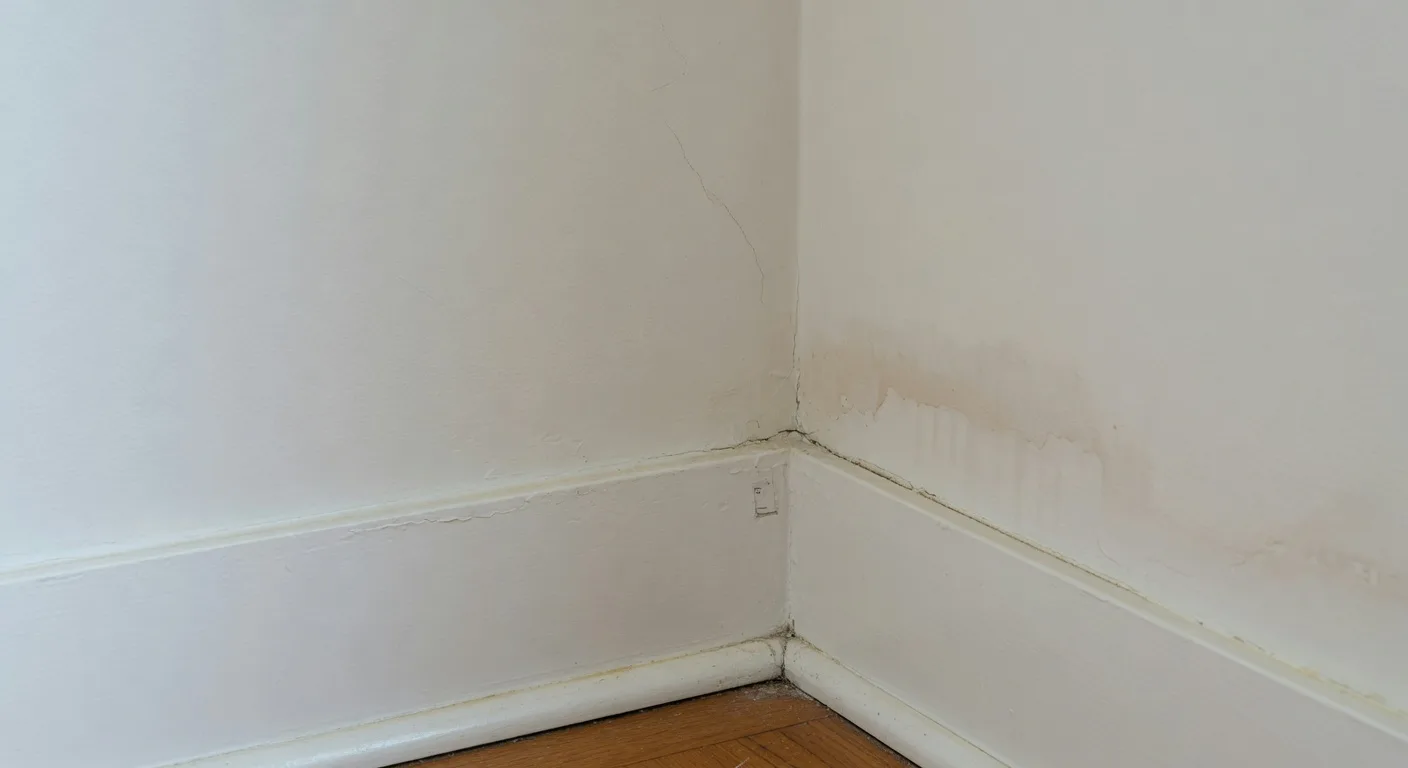
Bed bug droppings on walls are one of the earliest and most reliable signs of an infestation, but they are also among the most commonly misidentified household stains. These small, dark spots are digested blood excreted after a bed bug feeds, and their unique composition and behavior on different wall surfaces set them apart from dirt, mold, paint flaws, and other blemishes. Correctly identifying them is essential for prompt, effective treatment and avoiding costly false alarms.
Visual and Tactile Characteristics of Bed Bug Feces on Walls
Bed bug fecal spots are small—typically 1 to 2 mm in diameter, about the size of a pinhead or a period at the end of a sentence. They are round or slightly irregular in shape and often appear in clusters, linear streaks, or dotted lines along baseboards, edges, and seams where the bugs travel.
Color
Fresh droppings are dark reddish-black or almost black, resembling a tiny drop of dried ink. This color comes from the iron in digested hemoglobin. As the feces age and oxidize, they may fade to a rusty brown or dark brown. The color is a strong clue but not definitive—other stains can be dark too. The key is to also evaluate texture and smear behavior.
Texture
When fresh, the feces are slightly sticky and will smear if touched with a damp cloth. Once fully dry, they become crusty and may flake off, but the stain often remains embedded in the surface. This crusty texture is distinct from the powdery feel of mold, the greasy feel of dirt, or the flaky feel of dried detergent. On porous surfaces like drywall or unpainted wood, the liquid portion soaks in quickly, leaving a permanent-looking stain that may be impossible to remove without repainting. On painted walls, the spots often sit on the surface and can be wiped away, though a faint shadow may linger.
Smear Test (Confirmation)
The most reliable way to confirm bed bug feces is the smear test. Dampen a white paper towel or cotton swab with water and gently rub the spot. If it smears into a reddish-brown streak, it is digested blood—bed bug feces. If it smears black, grey, or not at all, it is likely dirt, mold, or paint. The reddish-brown color is the trademark of digested blood. Repeat on multiple spots for consistency.
Distinguishing Feces from Common Wall Stains
Many everyday wall marks can be mistaken for bed bug droppings. The table below compares the most frequent lookalikes so you can rule out false alarms and focus your inspection where it matters.
| Appearance | How to Tell It Apart | |
|---|---|---|
| Dried detergent or soap residue | White, grey, or light-colored spots, often flaky | Bed bug feces are dark; detergent is pale. Rub with a damp finger—detergent dissolves or smears white; feces leave a reddish-brown smear. |
| Mold or mildew spots | Black or greenish-black, often fuzzy or clustered near moisture | Mold is slightly raised and fuzzy under magnification. Bed bug feces are flat, crusty, and never fuzzy. Mold smells earthy; bed bug stains have no odor unless infestation is heavy. |
| Dirt or dust clumps | Grey or brown, loosely attached | Dirt usually brushes off easily. Bed bug feces are cemented by dried blood and require more effort to remove; they leave a stain behind. |
| Fabric pilling or lint | Small, fluffy balls, often light in color | Pilling is fibrous and soft. Bed bug droppings are hard, crusty, and not fuzzy. A touch test resolves confusion. |
| Glue or adhesive residue | Clear, yellow, or white, often shiny | Adhesive is sticky when fresh, hardens translucent. Bed bug feces are opaque and dark. |
| Skin flakes (human or pet) | Thin, translucent, irregular shapes | Skin flakes are light and brittle; they do not smear dark. Bed bug feces are dense and dark. |
| Paint splatter or texture | Small raised bumps, often same color as wall | Paint spots are hard and do not smear. Bed bug feces are softer and will smear with moisture. |
Rule of thumb: If a dark spot smears reddish‑brown when wiped with a damp paper towel, it is almost certainly bed bug feces. If it smears white, grey, or not at all, it is something else.
Where to Look for Fecal Stains on Walls
Bed bugs are nocturnal and prefer to travel along edges and seams. Fecal spots accumulate where they rest, hide, or travel. Knowing the hot spots makes inspection faster and more thorough.
- Behind headboards and bed frames. The wall directly behind the bed is the most common location. Check the entire area, especially near the top of the baseboard and along the bottom edge of the headboard. Remove the headboard if possible to inspect the back side.
- Along baseboards. Bed bugs often follow baseboards as highways. Look for a line of small dark dots where the baseboard meets the wall or the floor. Pay special attention to corners and where the baseboard meets the floor.
- Near electrical outlets and switch plates. Bugs can squeeze through tiny gaps around outlet covers. Check the wall around outlets, especially in bedrooms. Remove the cover plate if safe and inspect the interior—you may find droppings inside the box.
- Under window sills and behind curtains. Curtain folds provide cover, and the wall beneath sills may harbor droppings. Check the seam where the sill meets the wall.
- Inside picture frames and behind loose wallpaper. Any crack or crevice near a sleeping area can collect feces. Remove pictures from the wall and inspect the back of the frame and the wall behind it.
- On the ceiling above the bed. In heavy infestations, bugs may climb up and leave spots on the ceiling, particularly near light fixtures or smoke detectors. Use a flashlight to scan the ceiling from multiple angles.
- Behind furniture that is against the wall. Sofas, nightstands, dressers, and desks all create hiding spots. Pull furniture away from the wall and inspect the wall surface that was hidden.
Use a bright flashlight and inspect at an angle—the spots can be very small and may blend into dark paint or wallpaper. A magnifying glass helps confirm size and texture. If you find one spot, search the entire room systematically because bed bugs rarely leave only a single sign.
How to Confirm It’s Bed Bug Feces (Beyond the Smear Test)
Visual inspection is the first step, but two simple tests can give you a definitive answer. These tests are safe for most surfaces when done carefully.
The Water Drop Test
Place a single drop of water on the spot. If it beads up and does not absorb, the spot is likely on the surface (painted or varnished). If the water absorbs quickly and darkens the area, the spot has soaked into a porous surface like drywall. Bed bug feces on drywall will absorb water and darken, while dirt may simply wash away. This test helps differentiate between surface-level soiling and blood-based stains that have soaked in.
The Bleach Test (for porous, non-painted surfaces only)
On unpainted wood or bare drywall, you can apply a tiny drop of household bleach to the spot (test an inconspicuous area first for colorfastness). Bed bug feces contain iron, which may react with bleach and produce a slight fizzing or lightening. Caution: Bleach can damage paint and fabric; use only on surfaces that can tolerate it. This test is less reliable than the smear test and should be used only as a secondary check. Never mix bleach with other cleaners.
Observing the Pattern
Bed bug feces are rarely random. They appear in trails, clusters, or concentrations near bed frames, baseboards, and upholstered furniture. If the spots are scattered without an obvious pattern and are not associated with sleeping areas, other causes like mold or dirt are more likely.
Why Accurate Identification Matters
Misidentifying bed bug feces can lead to two costly mistakes. First, ignoring real signs because you think they are just dirt allows the infestation to grow. Second, treating a phantom problem (e.g., mistaking mold for bed bugs) wastes money on unnecessary pesticides and causes unnecessary stress. Accurate identification saves time, money, and emotional energy.
Bed bug populations double roughly every 16 days under favorable conditions. A single female can lay 200–500 eggs in her lifetime. Early detection of fecal spots on walls gives you a head start before the bugs spread to other rooms or furniture. The sooner you confirm the problem, the more treatment options you have, and the lower the cost.
Once you confirm the presence of bed bug feces, the next step is a thorough inspection of the entire room—mattress seams, box springs, furniture joints, and baseboards. If you find live bugs, eggs, or additional droppings, professional treatment is strongly recommended. Over‑the‑counter sprays often fail to reach hidden bugs and can drive them deeper into the walls, making the infestation harder to treat later.
Frequently Asked Questions
Can bed bug feces be mistaken for blood spots?
Yes. Fresh blood from a crushed bug or from a bite may appear as a small red spot. However, blood dries to a darker, crusty spot that looks similar to feces. The smear test still works: if it smears red, it could be blood; if it smears reddish‑brown and is crusty, it is likely feces. The location matters—blood spots are random, while feces tend to appear in clusters along travel routes.
Do bed bug feces smell?
Individual spots have no noticeable odor. However, a heavy infestation produces a musty, sweet, “buggy” smell from the bugs’ scent glands. If you smell that odor along with seeing dark spots, the infestation is likely advanced. The smell is often described as similar to wet coriander, almonds, or moldy raspberries.
How long do bed bug feces last on walls?
They can remain visible for years if not cleaned. The stain may fade slightly but often becomes permanent on porous surfaces. Cleaning with soap and water can remove fresh spots, but old stains may require repainting. Sunlight exposure can also fade the stain over time but rarely eliminates it completely.
Can I remove bed bug feces from painted walls?
Yes. Use a mild detergent and warm water with a soft cloth. Gently scrub the spot—do not scrub hard enough to remove the paint. For stubborn stains, a mixture of baking soda and water can act as a mild abrasive. After cleaning, rinse and dry. If the stain has soaked into the paint, you may need to touch up with paint. Avoid using bleach or harsh chemicals that can damage the paint finish.
Should I use bleach to clean bed bug feces?
Bleach can damage paint and fabrics. It is not recommended for routine cleaning. Use it only for the identification test on a small, hidden area. For cleaning, stick to soap and water or a commercial stain remover. If you must use bleach for disinfection, dilute it heavily and test on an inconspicuous area first.
How can I tell if the spots are from bed bugs or other insects?
Cockroach droppings are similar but tend to be larger, more elongated, and have ridges. Flea dirt is smaller and often found on pet bedding or carpets. Spider droppings are typically white or grey. If you see spots that are consistently dark, round, and clustered along edges, bed bugs are the most likely culprit. A pest professional can identify the species from a sample.
Will cleaning the feces remove the bed bugs?
No. Cleaning removes the visible sign but does not kill the bugs. The bugs are hiding in cracks, crevices, and furniture. Cleaning is only a first step but must be followed by treatment. Vacuuming can remove some bugs and eggs, but not all, and eggs are glued to surfaces.
Next Steps After Identifying Feces on Walls
If you have found and confirmed bed bug feces on your walls, do not delay action. Start by containing the area: avoid moving items from the infested room to other parts of the house. Vacuum the walls carefully with a HEPA filter vacuum, then dispose of the vacuum bag in a sealed plastic bag. Wash all bedding and clothing in hot water and dry on high heat for at least 45 minutes—the heat kills all life stages, including eggs that are cemented to fabric. For walls, vacuuming and cleaning will remove feces but not the bugs themselves.
Contact a licensed pest control professional who specializes in bed bugs. They will conduct a full inspection and recommend treatment—typically heat treatment, steam, or targeted insecticides. Do not attempt to fog the room yourself; foggers are ineffective and can spread the infestation to adjacent rooms. Professional treatment is the most reliable way to eliminate bed bugs completely.
After treatment, monitor the walls weekly for new spots. A reappearance of feces indicates that some bugs survived or that new ones have arrived. Keep interceptors under bed legs and continue inspecting baseboards for at least three months after treatment. Remember: bed bug feces on walls is a clear indicator that bugs are living nearby. Act quickly, and you can stop the problem before it spreads to every room.
Frequently Asked Questions
How do I identify bed bug bites vs other insect bites?
Bed bug bites often appear in a line or cluster, are intensely itchy, and may take a few days to show. Unlike flea bites, which are mainly around the ankles, bed bugs can occur on any exposed skin.
Common signs include small red bumps, possible swelling, and a central puncture mark. If you suspect bed bugs, capture a specimen or photograph bites and contact a pest professional for confirmation.
How can I identify an active bed bug infestation early?
Look for small blood spots on sheets, dark speck-like droppings, and tiny pale eggs or shed skins. A musty sweet odor can also signal a larger infestation.
How can landlords prevent and manage bed bug infestations?
Landlords can reduce risks with clear lease clauses, routine inspections in high-turnover units, and prompt response to reports. Use integrated pest management and choose licensed professionals for inspections and treatments.
Document conditions before and after tenancy, communicate prevention steps to tenants, and coordinate with neighbors in multi-unit buildings to limit spread.
How do I prepare for a professional bed bug treatment?
Follow these steps to help a pest professional be effective and safe.
- Wash and dry infested clothing and linens on the hottest settings allowed.
- Declutter floors and surfaces to reduce hiding spots.
- Seal items you cannot treat in labeled plastic bags until they can be inspected or treated.
Discuss any health concerns or special needs with your pest control provider before treatment.
How long do bed bugs live without a blood meal?
Bed bugs can survive several months without feeding, though many live closer to 5–6 weeks under typical home conditions. Factors like temperature, humidity, and life stage influence their survival time.