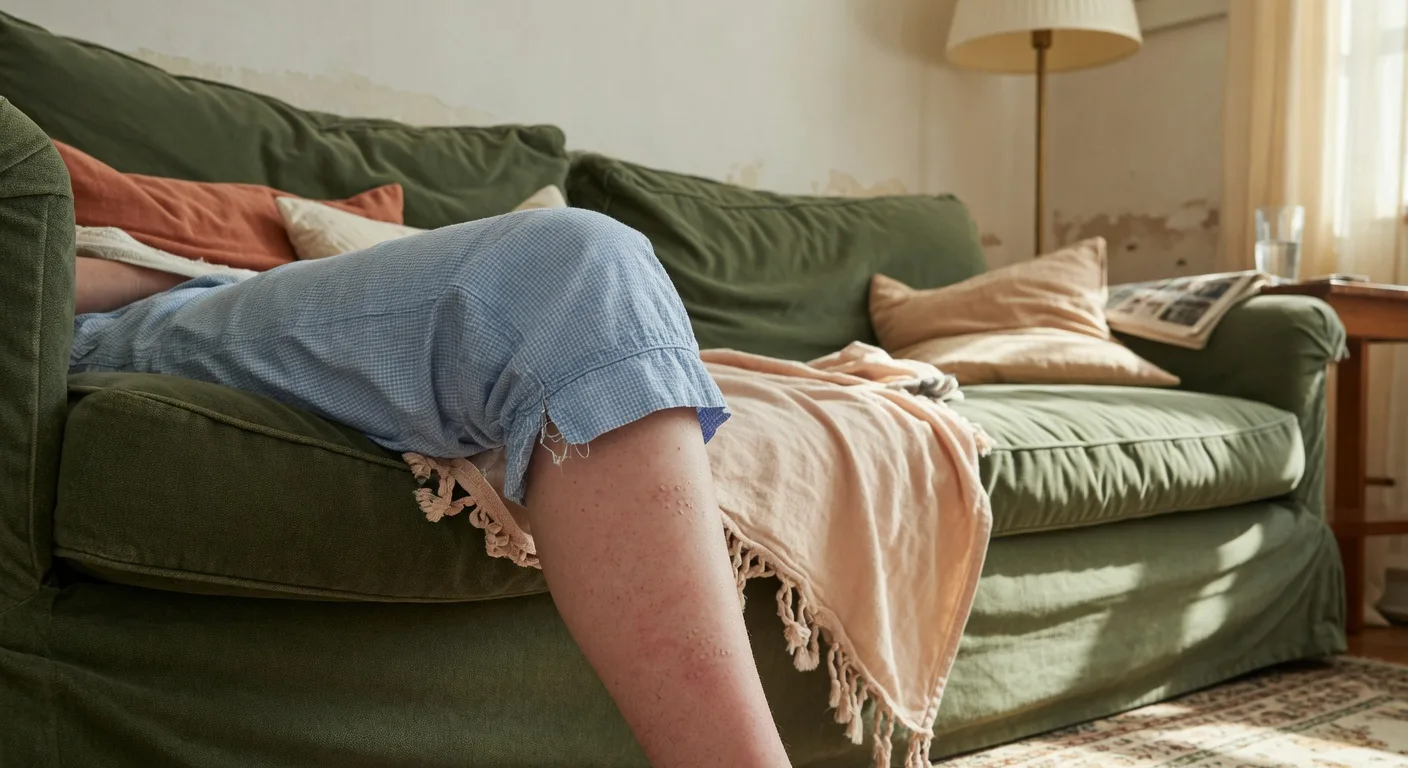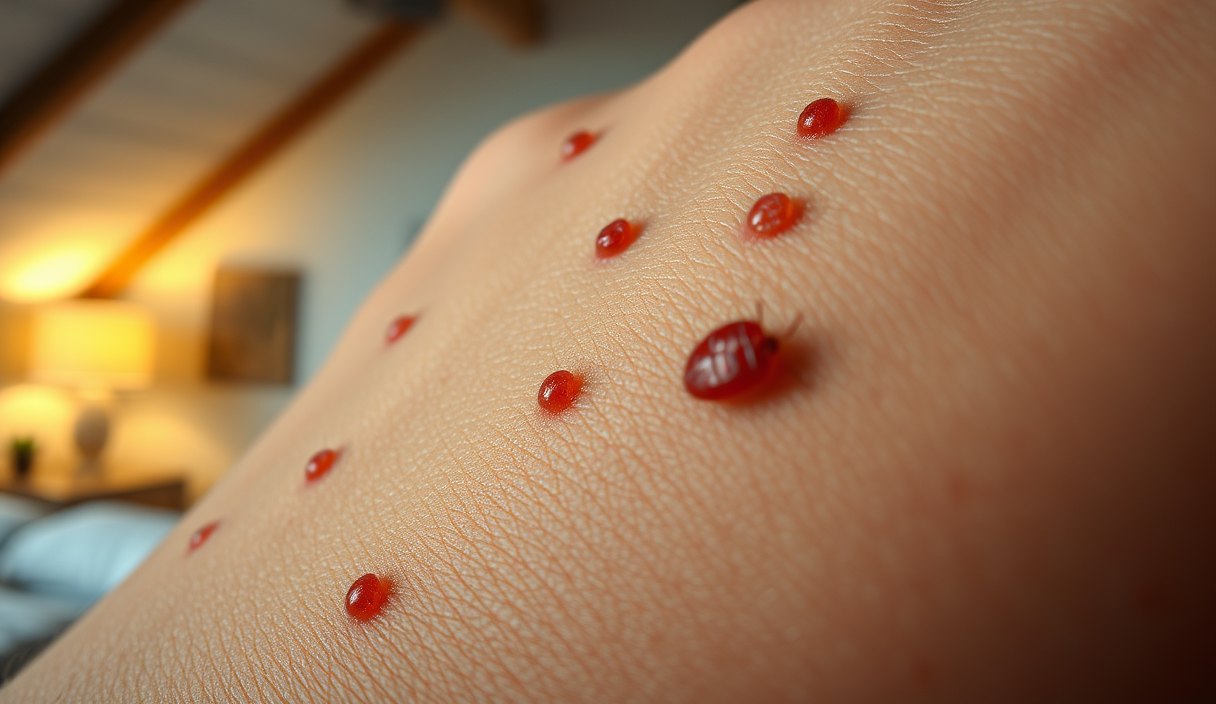
When bed bugs bite, they inject a mixture of anticoagulants and anesthetic compounds through their mouthparts. This saliva prevents blood clotting while you sleep, allowing the insect to feed undisturbed. The human immune system often reacts to these foreign proteins, triggering localized inflammation, redness, itching, and swelling. The severity of swelling varies widely between individuals — some people show no visible reaction, while others develop raised, angry welts that can last over a week. Choosing the best cream for bed bug bites swelling relief depends largely on the intensity of your reaction and the state of your skin after the bite.
Swelling occurs because histamine and other inflammatory mediators rush to the bite site. This response is your body trying to neutralize the foreign proteins. While the itching can drive you to scratch, breaking the skin opens the door to bacterial infection, which complicates treatment. The goal of any topical cream is twofold: reduce the inflammatory swelling and calm the itch so you avoid secondary infection.
Topical Antihistamine Creams for Immediate Swelling Reduction
Antihistamine creams work by blocking histamine receptors directly in the skin. This stops the chain reaction that causes blood vessels to leak fluid into surrounding tissue, which is the primary driver of visible swelling. For mild to moderate bed bug bite reactions, a 1% diphenhydramine cream (the active ingredient in many over-the-counter antihistamine topicals) can provide noticeable relief within 15 to 30 minutes after application.
These creams are best applied in a thin layer directly to each raised welt. Do not use them on broken or scratched skin, as systemic absorption increases and can cause drowsiness or skin irritation. For most adults, applying the cream three to four times daily for the first 48 hours is sufficient to bring down the bulk of the swelling. If you have sensitive skin, look for formulations without added fragrances or dyes, which can exacerbate irritation.
Keep in mind that antihistamine creams address the symptom — the swelling — but they do not kill bacteria or speed wound healing. They are a first-line tool for comfort, not a cure for the underlying bite.
Corticosteroid Creams: The Standard for Moderate to Severe Swelling
For bites that produce significant swelling — where the welt feels warm, firm, and measures more than a centimeter across — a low-potency corticosteroid cream is often the most effective option. Hydrocortisone 1% is widely available without a prescription and works by suppressing the local immune response that drives inflammation. This reduces swelling, redness, and itching simultaneously.
Apply a pea-sized amount to each affected area and rub it in gently. Do not cover the area with bandages or plastic wrap unless directed by a physician, as occlusion increases steroid absorption and can thin the skin over time. Limit use to no more than seven consecutive days on any single bite site. Prolonged use of corticosteroids on the face, armpits, or groin area carries a higher risk of skin thinning, so exercise caution around those regions.
If over-the-counter hydrocortisone does not control swelling after three days of consistent application, or if the swelling worsens, consult a healthcare provider. They may prescribe a stronger mid-potency corticosteroid such as triamcinolone 0.1% for a short course.
When to Choose Antihistamine vs. Corticosteroid Creams
| Best Cream Type | Active Ingredient Example | Expected Onset | |
|---|---|---|---|
| Mild redness, slight bump, minimal itch | Antihistamine cream | Diphenhydramine 1% | 15–30 minutes |
| Moderate swelling, firm welt, persistent itch | Low-potency corticosteroid | Hydrocortisone 1% | 1–2 hours |
| Severe swelling, blistering, spreading redness | Prescription corticosteroid | Triamcinolone 0.1% | Several hours (doctor guidance required) |
Calcineurin Inhibitors: A Non-Steroidal Alternative
For individuals who cannot tolerate corticosteroids — due to skin atrophy, rosacea, or perioral dermatitis — calcineurin inhibitor creams such as pimecrolimus 1% or tacrolimus 0.03% offer a steroid-free option. These prescription-only medications work by blocking T-cell activation, which reduces the inflammatory cascade responsible for swelling and itching.
These creams are particularly useful for bites on the face, neck, or other thin-skinned areas where steroid risks are higher. They do not cause skin thinning, even with repeated use. However, they are more expensive than over-the-counter options and require a doctor's visit. A thin layer applied twice daily for one to two weeks is typical for bed bug bite flare-ups. Some patients report a mild burning sensation during the first few applications, which usually subsides as the skin adjusts.
Soothing Ingredients That Complement Medicated Creams
While medicated creams target the immune response directly, supportive ingredients can accelerate comfort and skin repair. Look for products that combine active anti-inflammatory agents with:
- Pramoxine hydrochloride: A topical anesthetic that numbs nerve endings, providing fast itch relief without the drowsiness associated with diphenhydramine.
- Colloidal oatmeal: Forms a protective barrier over the skin and contains avenanthramides, compounds that reduce inflammation and soothe irritated tissue.
- Aloe vera gel: Provides cooling and mild anti-inflammatory effects. Use pure gel, not products with added alcohol or fragrance.
- Calendula extract: A plant-based anti-inflammatory that may reduce redness and promote wound healing in minor bites.
Apply these soothing agents between medicated cream applications, or use them on bites that are already scratched open. Never apply a medicated cream over broken skin without consulting a pharmacist or doctor first.
Common Mistakes That Worsen Swelling
Even the best cream for bed bug bites swelling relief will fail if you undermine its effects with poor habits. Avoid these common errors:
- Scratching the bite before applying cream: Scratching releases more histamine, increasing swelling. If you have already scratched, clean the area with mild soap and water, pat dry, and apply a cold compress for 10 minutes before using any topical.
- Using multiple active creams simultaneously: Layering antihistamine cream with corticosteroid cream on the same spot can cause excessive absorption and skin irritation. Stick to one active ingredient per application session.
- Applying heat: Heat increases blood flow to the area, which worsens swelling. Use cool compresses, not hot water or heating pads.
- Ignoring signs of infection: If swelling increases after 48 hours of treatment, or if the area becomes hot, oozes yellow fluid, or develops red streaks, stop all topical creams and see a doctor. You may need oral antibiotics.
When Topical Creams Are Not Enough
In some cases, topical treatments alone cannot control the swelling. This is more common in individuals with a history of allergic reactions or with multiple bites clustered in one area. If you have more than 20 bites, or if swelling spreads beyond the bite site (for example, swelling of an entire hand or foot), oral antihistamines such as cetirizine or loratadine may be necessary. A short course of oral prednisone might be prescribed for severe, widespread reactions.
Remember that treating the bites does nothing to eliminate the bed bug infestation. Continued exposure to new bites will keep your immune system activated, making it seem like creams are not working. Effective pest control — typically involving heat treatment, thorough vacuuming, and professional insecticide application — is the only way to stop new bites and allow your skin to heal completely.
Frequently Asked Questions About Bed Bug Bite Swelling Creams
Can I use antibiotic ointment instead of anti-inflammatory cream?
Antibiotic ointments like bacitracin or neomycin are designed to prevent or treat bacterial infection, not reduce swelling. If the bite is unbroken and clean, an antibiotic ointment will do nothing for the inflammation. Use an anti-inflammatory cream for swelling, and only switch to an antibiotic if the skin becomes broken or shows signs of infection.
How long does it take for swelling to go down after applying cream?
With an antihistamine cream, you may see visible reduction in swelling within 30 minutes. Corticosteroid creams take longer — typically one to two hours for the full effect. Maximum improvement usually occurs after 24 to 48 hours of consistent application.
Is it safe to use hydrocortisone on bed bug bites on a child?
For children over two years old, hydrocortisone 1% can be used sparingly for no more than seven days. Avoid use on the face or diaper area without pediatrician guidance. For younger children, stick to antihistamine creams or simple soothing lotions with colloidal oatmeal.
Can I use the same cream on all my bites at once?
Yes, but apply a thin layer to each individual bite. Do not glob the cream over a large area of healthy skin. Total daily application should not exceed the amount recommended on the product label.
What if the swelling does not go down after a week?
Persistent swelling beyond one week suggests either an ongoing allergic reaction, secondary infection, or continued exposure to new bites. Consult a healthcare provider. They may prescribe a stronger topical or oral medication, and you should verify that your sleeping area is free of bed bugs.
Your next practical step is to assess the severity of your bite reactions, choose the appropriate cream type from the table above, and apply it consistently while addressing any active infestation in your home. If swelling is accompanied by difficulty breathing, dizziness, or widespread hives, seek emergency medical attention immediately — these are signs of a systemic allergic reaction, not a localized bite response.
Frequently Asked Questions
How do I identify bed bug bites vs other insect bites?
Bed bug bites often appear in a line or cluster, are intensely itchy, and may take a few days to show. Unlike flea bites, which are mainly around the ankles, bed bugs can occur on any exposed skin.
Common signs include small red bumps, possible swelling, and a central puncture mark. If you suspect bed bugs, capture a specimen or photograph bites and contact a pest professional for confirmation.
How can I reduce bed bug bites while sleeping?
To reduce the chance of bed bug bites while sleeping, use a protective mattress and box-spring encasements labeled for bed bugs, remove clutter near the bed, and avoid placing clothing or bags on beds or upholstered furniture. These steps can limit harborage and make inspections easier.
What are the typical signs of bed bug bites on skin?
Bites often appear as small, red, itchy welts in a line or cluster. Reactions vary, so confirm with physical signs of bed bugs and professional guidance.
How can I reduce bed bug bites while I sleep?
Reducing bites during sleep focuses on limiting contact and creating barriers, not on eliminating the population.
- Use a certified bed bug-proof mattress and box spring encasements.
- Move your bed away from walls and remove clutter near the bed.
- Wear long sleepwear and use extra layers to limit exposed skin.
These methods may lessen bites but should complement, not replace, professional treatment.
What do bed bug bites typically look like and how can I tell them apart?
Bed bug bites often appear as small, red, itchy bumps, usually in lines or clusters, but reactions vary. Other insects or skin conditions can look similar, so it’s best to consult a healthcare provider for an accurate assessment.
- Common signs include raised welts, mild swelling, and itchiness.
- Bites may appear on exposed skin, especially around arms, neck, or face during sleep.
- Track new patterns and avoid scratching to lower infection risk.
Only a qualified professional can confirm bed bugs through inspection and evidence, not bite appearance alone.