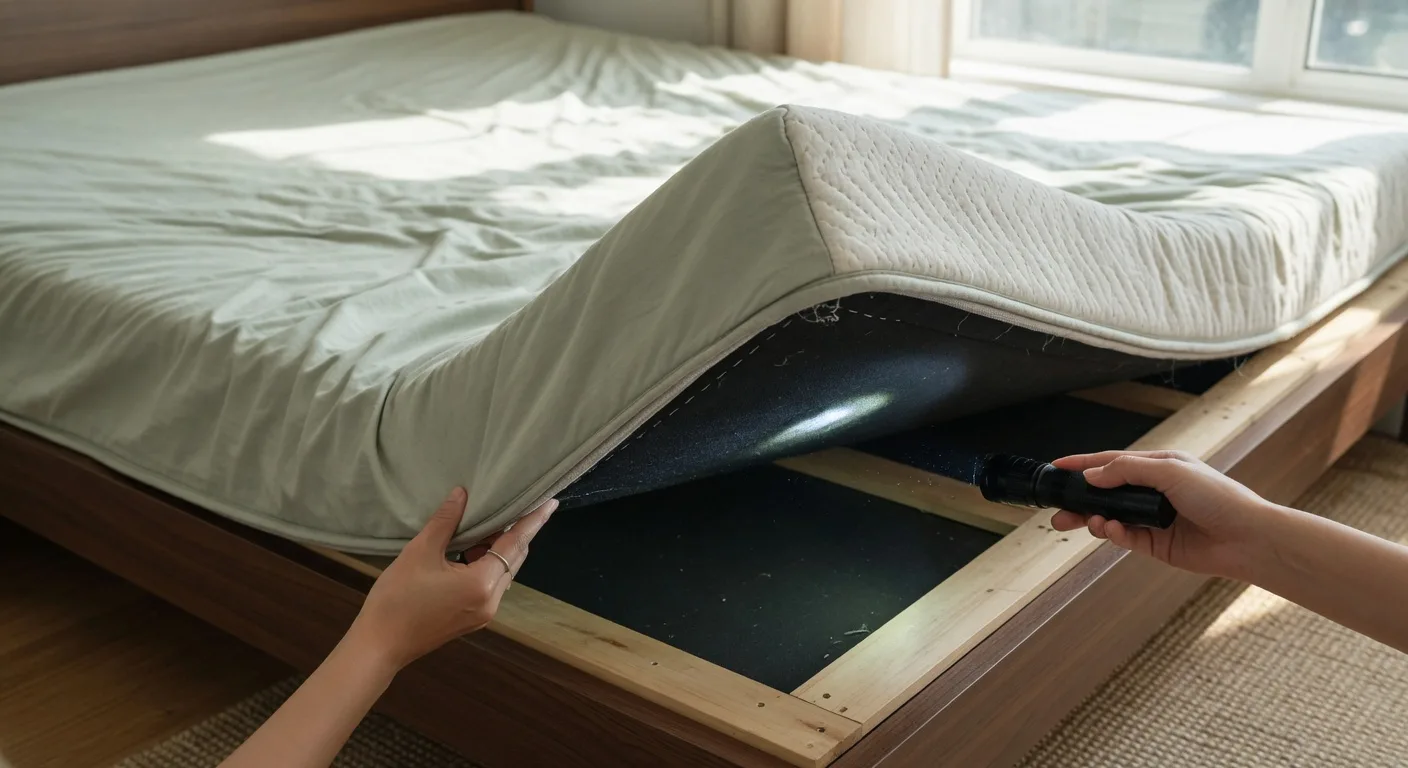
Used furniture is one of the most common entry points for bed bugs into a home. Before you bring any secondhand mattress, sofa, or wooden frame inside, you must inspect it with the same diligence a pest control professional would use. Use a bright flashlight and a magnifying glass. Focus on seams, tufts, crevices, and underneath cushion zippers. Look for live bugs, shed skins, tiny dark spots (fecal matter), or rust-colored blood stains. If you see any sign, reject the item immediately. Even if it looks clean, quarantine it in a sealed plastic bag or bin for several days in a hot garage or direct sunlight before bringing it into living areas.
Use Protective Encasements on Mattresses and Box Springs
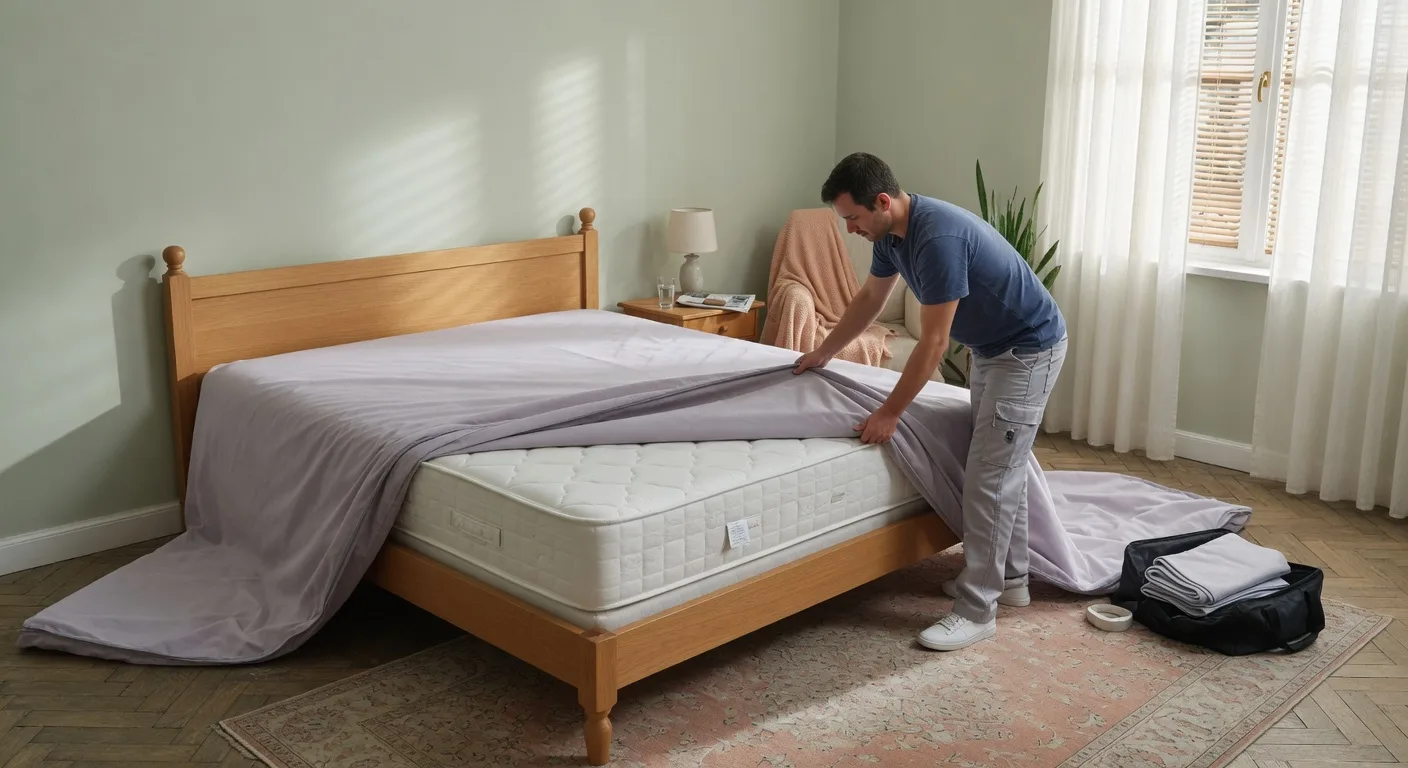
High-quality, bed-bug-proof encasements are a critical barrier. These are not standard mattress protectors; they are specifically designed with zippers that lock and fabric that bed bugs cannot bite through or escape from. Install encasements on both the mattress and the box spring. This traps any existing bugs inside, where they will eventually starve, and prevents new bugs from colonizing the mattress. Choose encasements labeled as “bed bug proof” with reinforced zipper seams. Inspect the encasement monthly for tears or holes, and repair or replace immediately if damaged.
Reduce Clutter in Sleeping Areas
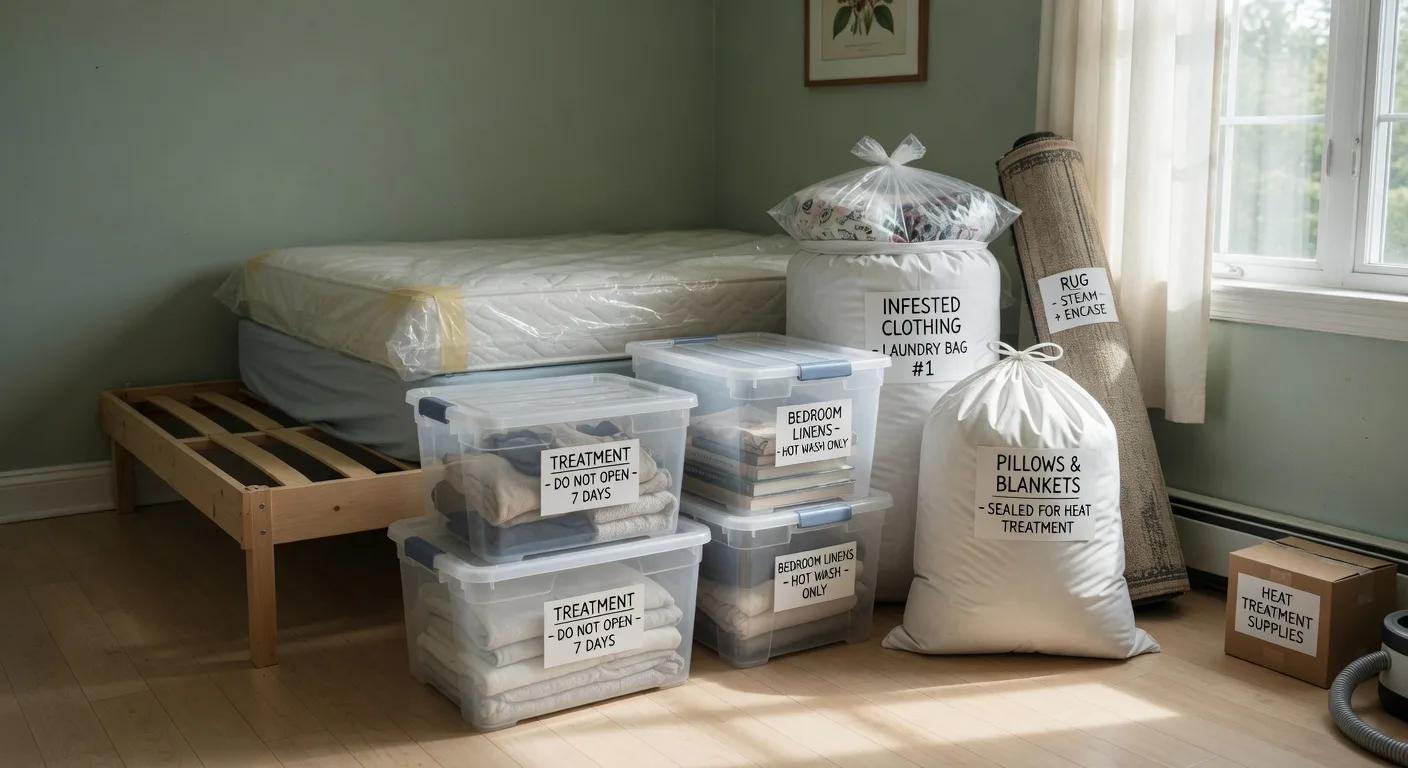
Bed bugs are expert hitchhikers that thrive in hiding places. The fewer places they have to hide near your bed, the easier it is to spot an infestation early. Remove unnecessary items from under the bed, inside nightstands, and along baseboards. Store clothing, shoes, and linens in sealed plastic bins rather than cardboard boxes. Keep laundry off the floor. If you travel frequently, keep luggage on a hard-surfaced luggage rack away from the bed and walls. Clutter provides harborage, making detection and treatment far more difficult.
Vacuum Regularly and Dispose of Bag Carefully
Vacuuming is a mechanical control that physically removes bed bugs, eggs, and debris. Use a vacuum with a HEPA filter and a crevice tool. Vacuum mattress seams, box springs, bed frames, baseboards, and furniture crevices weekly. After each use, immediately remove the vacuum bag, seal it in a plastic bag, and dispose of it in an outdoor trash bin. If you have a bagless vacuum, empty the canister into a sealed plastic bag and clean the canister with hot soapy water. Never leave the vacuum contents inside the house, as live bugs can crawl out.
Wash and Dry Bedding on High Heat
Heat is one of the most reliable non-chemical methods to kill bed bugs. Wash all bedding, linens, curtains, and clothing that may have been exposed in hot water (at least 120°F or 49°C). Then dry them on the highest heat setting for at least 30 minutes. The dryer alone, with sustained heat above 120°F, kills all life stages including eggs. If you suspect an item might be infested, place it directly in the dryer on high heat for 30 minutes before washing. This prevents spreading bugs through the wash cycle. Do not overload the dryer; allow airflow for even heat distribution.
Seal Cracks and Crevices
Bed bugs can travel through wall voids, electrical outlets, and gaps in baseboards. Use caulk to seal cracks in walls, baseboards, and around pipes. Install outlet covers and seal gaps around electrical boxes with foam sealant or caulk. Pay special attention to areas where plumbing or wiring enters the room. This physical exclusion makes it harder for bed bugs to move between units in apartment buildings or to spread from adjacent rooms. It also reduces potential harborage sites.
Inspect Hotel Rooms Before Unpacking
When traveling, the first 10 minutes in a hotel room can prevent a month of bed bug problems. Place your luggage in the bathroom or on a hard surface like a tile floor before inspecting. Pull back the sheets and inspect mattress seams, headboard crevices, and behind picture frames. Use a flashlight to check for dark spots or live bugs. If you find any signs, request a different room not adjacent to the infested one. When returning home, unpack directly into the washing machine and dry on high heat. Never bring luggage into your bedroom until it has been inspected or heat-treated.
Use Interceptors Under Bed Legs
Bed bug interceptors are simple plastic cups that fit under the legs of your bed frame. They create a physical barrier that traps bed bugs attempting to climb up from the floor. Place one under each bed leg. The smooth interior walls prevent bugs from climbing out once they fall in. Check interceptors weekly. If you find bugs trapped, you have an early warning of an infestation. Interceptors are inexpensive and highly effective as a monitoring tool. They also protect the bed from being re-infested from the floor.
Be Cautious with Shared Laundry Facilities
Shared laundry rooms in apartment buildings or dormitories can be a vector for bed bugs. Bed bugs can hide in laundry carts, on folding tables, or in other people’s clothing. Use your own laundry bag or basket, not communal ones. Transfer clothes directly from the washer to the dryer without placing them on shared surfaces. Dry on high heat for at least 30 minutes. If possible, use a dryer at home or a laundromat with individual machines that you can inspect. Avoid leaving laundry unattended in the laundry room.
Know When to Call a Licensed Professional
Despite your best prevention efforts, an infestation can still occur. If you see live bugs, multiple bites, or signs of infestation in more than one room, do not attempt DIY treatments alone. over-the-counter foggers and sprays are often ineffective and can cause bugs to scatter, making the problem worse. A licensed pest control professional can perform a thorough inspection, identify the species and extent of the infestation, and apply targeted treatments such as heat treatment, steam, or approved insecticides. Early professional intervention is the most cost-effective and reliable way to eliminate bed bugs.
Frequently Asked Questions
Can bed bugs survive in the washing machine?
Washing alone, even in hot water, may not kill all bed bugs if the water temperature does not reach at least 120°F and maintain contact. The dryer on high heat for 30 minutes is the most reliable method.
How long can bed bugs live without feeding?
adult bed bugs can survive without a blood meal for several months under cool conditions, but they die faster at higher temperatures. This is why heat treatment is effective.
Do bed bug sprays work?
Some sprays labeled for bed bugs can be effective when applied directly, but they do not kill eggs and may not reach hidden bugs. Professional treatments are more reliable.
Can I get bed bugs from a used car?
Yes, bed bugs can hide in car seats and upholstery. Inspect used cars thoroughly, especially seams and under seats. Heat treatment in a hot car (above 120°F for several hours) can kill them.
Are bed bugs a sign of poor hygiene?
No. Bed bugs are not attracted to dirt or filth. They are attracted to warmth, carbon dioxide, and blood. They can infest the cleanest homes and hotels.
Prevention Method Effectiveness Cost Ease of Use Mattress encasements High Moderate Easy Vacuuming Moderate Low Easy High-heat drying Very High Low Easy Hotel room inspection High Free Moderate Professional inspection Very High High Requires scheduling Sealing cracks Moderate Low Moderate Bed bug interceptors High Low Easy Implementing these ten proven strategies consistently will dramatically reduce your risk of a bed bug infestation. Stay vigilant, especially after travel or acquiring used items. Early detection and prompt action are your best allies. If you suspect an infestation, contact a licensed pest control professional immediately for a thorough inspection and treatment plan.
Frequently Asked Questions
How can landlords prevent and manage bed bug infestations?
Landlords can reduce risks with clear lease clauses, routine inspections in high-turnover units, and prompt response to reports. Use integrated pest management and choose licensed professionals for inspections and treatments.
Document conditions before and after tenancy, communicate prevention steps to tenants, and coordinate with neighbors in multi-unit buildings to limit spread.
What are practical DIY bed bug prevention steps?
These low-risk habits can reduce the chance of bed bugs spreading in your home.
- Inspect secondhand furniture thoroughly before bringing it indoors.
- Use a protective encasement on mattresses and box springs and zip pillow protectors.
- Reduce clutter where bed bugs can hide and vacuum floors regularly.
Combine prevention with early detection; consider professional help if you find signs.
What are signs of bed bugs in luggage after travel?
After travel, check luggage and nearby areas for bed bug signs such as tiny brown spots (fecal marks), pale shed skins, small eggs or eggshells, and live or flattened bugs. Early detection can help prevent establishing an infestation in your home.
How can I reduce the chance of bringing bed bugs home from travel?
Travel smart habits can lower the risk of picking up bed bugs and spreading them to your home.
- Inspect hotel rooms for live bugs, shed skins, or dark spots on mattresses and furniture.
- Keep luggage on a luggage rack away from beds and walls; consider using a hard-shell case.
- Wash and dry travel clothes on high heat as soon as possible after returning home.
- Store luggage in a sealed area for several weeks if you suspect exposure.
Early detection and careful storage help with prevention and make follow-up easier if needed.