A professional bed bug inspection in 2026 typically runs between $150 and $400 for a standard home, though several variables can push that figure higher or lower. Understanding what drives these costs helps you budget realistically and recognize when a quote seems suspiciously low or inflated. Below is a detailed breakdown of current pricing structures, inspection methods, and what you should expect from a qualified technician.
Current Price Ranges by Property Type
Inspection costs scale with the complexity of the job. A studio apartment takes far less time than a sprawling four-bedroom house with finished basements and multiple floors. In my field work, I've seen inspectors quote $100 for a quick visual sweep of a single room, while multi-unit commercial buildings can run into the thousands. Here's how 2026 rates typically break down:
| Inspection Method | Typical Cost Range | |
|---|---|---|
| Studio or 1-bedroom apartment | Visual inspection only | $100 – $200 |
| 2-3 bedroom house | Visual + canine detection | $250 – $400 |
| 4+ bedroom or multi-story home | Comprehensive canine sweep | $350 – $600+ |
| Commercial (hotel, office per room) | Visual or canine (per unit) | $75 – $150 per room |
These figures reflect standard urban and suburban markets. What I tell clients in high-cost metropolitan areas like Manhattan or San Francisco is to expect a 25-35% premium above these baselines. Rural markets sometimes dip below $100 for basic visual inspections, though the trade-off is often fewer specialized technicians available within reasonable travel distance.
What Drives Price Variations
Inspection Method: Visual Versus Canine
The single biggest cost differentiator is whether a dog team gets involved. Visual inspections rely on a technician's trained eye, flashlight, and probing tools to find live bugs, shed skins, fecal spotting, and eggs. A thorough visual inspection for a two-bedroom home should consume 45 to 90 minutes. Canine inspections deploy scent-detection dogs that can sweep the same space in minutes, with handlers charging premium rates for the specialized training and certification involved.
Dogs excel at pinpointing harborage areas early in infestations when visual signs remain sparse. However, they are not infallible. Environmental distractions, residual odors from previous treatments, or handler cues can produce false alerts. Reputable companies use dogs as a screening tool, then confirm hits with visual inspection. I often see bundled pricing where the canine sweep runs $200-$300 and visual confirmation adds another $100-$150.
Property Characteristics
Square footage matters, but layout matters more. A 2,000-square-foot ranch with open floor plans inspects faster than a 1,400-square-foot Victorian with nooks, original plaster, and built-in cabinetry. Clutter is the silent cost driver. Rooms packed with storage boxes, under-bed items, and floor-draped clothing force inspectors to move objects or declare areas inaccessible. Some companies charge preparation fees of $75-$150 if they must clear space themselves.
Multi-unit buildings introduce logistical complexity. Inspecting a single apartment in a 50-unit complex requires coordination with management, potential access to adjacent units, and documentation that satisfies landlord-tenant regulations. Property managers negotiating bulk inspections for entire buildings often secure per-unit rates of $60-$100, well below individual pricing.
Geographic and Travel Factors
Technicians based in your immediate service area typically include travel in their base quote. When you live outside standard zones, expect travel fees of $25-$75 added to the inspection cost. Remote rural properties sometimes face minimum charges that make small inspections economically marginal. I recommend calling local companies first; their technicians know regional building stock and common infestation pathways better than national chains dispatching from distant hubs.
What Thorough Inspection Actually Includes
A legitimate bed bug inspection is methodical, not a hurried walkthrough. The technician should begin with an occupant interview covering recent travel, secondhand furniture acquisitions, bite patterns, and any visual observations you've made. This informs where they concentrate effort.
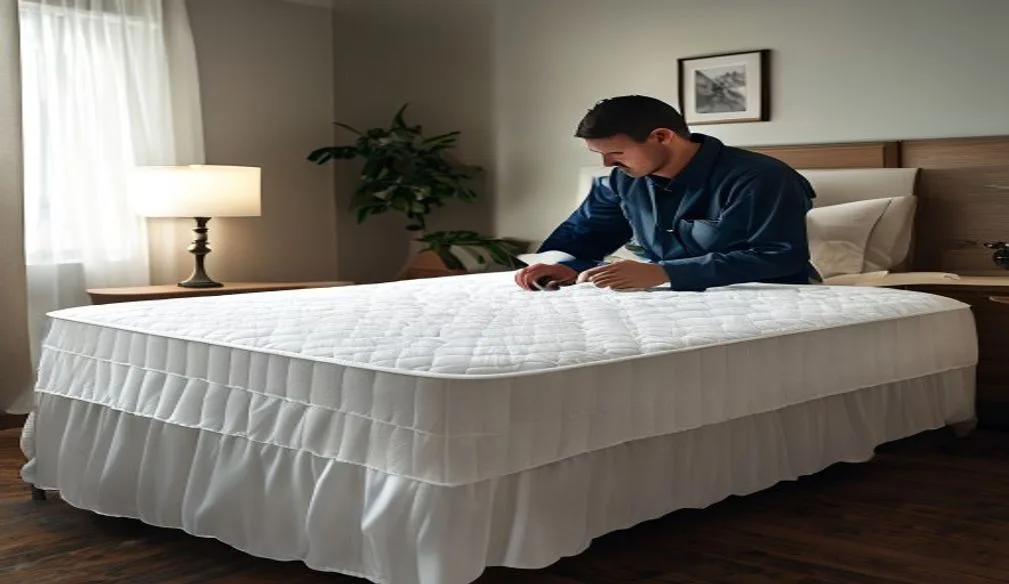
The physical examination proceeds systematically through sleeping and resting areas. Mattress seams receive close scrutiny with magnification, since eggs and early instar nymphs are nearly impossible to spot with the naked eye alone. Box springs are examined at corners and along the fabric decking where staples create harborage. Headboards, especially those mounted to walls, are checked front and back. Nightstands, dressers, and upholstered furniture within six feet of sleep areas get inspected for fecal spotting and shed skins.
Baseboards, electrical outlet covers, and carpet perimeters complete the perimeter sweep. Technicians use thin metal blades or credit cards to probe cracks and crevices in wood joints. I tell clients to be wary of any inspection concluding in under twenty minutes for a standard bedroom. Proper documentation includes written findings, photographs of confirmed evidence, and a clear statement of whether live bugs, viable eggs, or indicative signs were located.
Hidden Costs and Follow-Up Services
The base inspection fee is rarely the complete picture. Travel surcharges apply outside service zones. Same-day or emergency inspections, sometimes requested by landlords or travelers discovering bugs late at night, carry premiums of 50-100% above standard rates.
Post-treatment verification inspections represent another common expense. After heat treatment or professional intervention, many companies recommend a follow-up inspection two to four weeks later to confirm elimination. Some include one re-inspection in treatment packages; others charge $75-$150 separately. Clarify this before signing any service agreement.
Preparation services exist for those unable to ready their space. Stripping beds, bagging linens, and moving furniture away from walls falls to occupants in most contracts. If mobility limitations or time constraints prevent this, technicians will do it for added fees typically ranging $100-$200 per room.
Selecting a Qualified Inspector
Not every pest control operator possesses genuine bed bug expertise. I often see generalists claiming capability while missing subtle signs that specialists catch routinely. Verify credentials directly: state licensing, specific bed bug training certificates, and for canine teams, third-party certification from organizations maintaining rigorous standards.
Experience volume matters significantly. Ask how many bed bug inspections the company performs monthly. Technicians handling ten weekly develop pattern recognition that occasional practitioners lack. Request references from recent residential clients, not just commercial accounts with different priorities.
Written guarantees protect your investment. Reputable inspectors stand behind their findings with warranty language covering accuracy. Some offer treatment discounts if bugs are discovered within a defined period after a negative inspection. This aligns their incentives with thoroughness rather than speed.
Free Inspections: Understanding the Trade-Off
Some companies advertise free inspections as loss leaders to secure treatment contracts. These can be legitimate, but the business model creates pressure dynamics worth recognizing. Technicians may be incentivized to find problems where none exist, or to escalate minor issues into major treatment recommendations. I advise clients who choose free inspections to obtain a second opinion before committing to expensive heat treatment or other interventions. Compare the free inspection's thoroughness against paid alternatives: time spent, documentation quality, and willingness to explain findings without immediate sales pressure.
Self-Inspection Feasibility and Limitations
Homeowners can conduct preliminary checks using flashlights, magnification, and stiff cards for crevice probing. This works for obvious infestations with visible bugs or heavy fecal spotting. Early-stage infestations, however, often escape untrained detection. A single fertile female and her offspring can establish a growing population while producing minimal visible evidence. Professional inspection becomes cost-effective insurance when bites appear, travel history suggests exposure, or secondhand furniture enters the home. The $150-$300 inspection fee pales against the expense and disruption of treating a fully established infestation months later.
Insurance and Payment Realities
Standard homeowners and renters insurance policies exclude bed bug inspections and treatments, classifying them as preventable maintenance issues rather than sudden damage. Landlord policies vary by jurisdiction and endorsement. Expect out-of-pocket payment for inspection services. Some companies offer payment plans for bundled inspection-treatment packages, though this binds you to their treatment pricing before competitive comparison.
After the Inspection: Documentation and Next Steps
Regardless of findings, demand written documentation. Positive reports should specify infestation extent, harborage locations, and recommended treatment approaches with cost estimates. Negative reports provide baseline documentation valuable for landlord disputes, warranty claims, or future reference if problems emerge. I recommend photographing the inspector's findings yourself when possible, creating independent records beyond company-generated reports.
If bed bugs are confirmed, obtain treatment estimates from at least two licensed providers before proceeding. Early intervention costs less than delayed response. If the inspection is negative despite persistent bites, consider dermatological evaluation for alternative explanations including allergic reactions, scabies, or other arthropod exposures. A quality inspector will acknowledge diagnostic uncertainty rather than forcing bed bug attribution.
Frequently Asked Questions
How can you find bed bugs during an inspection?
Use a bright flashlight and a credit card to scrape along mattress seams where bugs hide flat. Search cracks in bed frames, outlet plates, and carpet edges near the bed.
Signs include rusty blood spots on sheets, pepper-like fecal dots, and a sweet musty odor in heavy infestations. If you are unsure, a licensed pest inspector can confirm with trained eyes and tools.
What does a bed bug infestation smell like?
Heavy infestations may produce a sweet, musty odor described as similar to berries or coriander. This scent comes from scent glands and is more noticeable when bugs are disturbed or clustered.
How long does professional heat treatment take?
Professional heat treatments for bed bugs usually require several hours to raise room temperatures to levels that affect all life stages. You should plan for limited access during the service and follow any pre- and post-treatment guidance provided by the pest management professional.
What does bed bug poop look like on walls?
Bed bug poop on walls looks like tiny dark dots or short streaks—often black, brown, or rust-colored. Spots are usually pinhead size and may smear when wiped with a damp cloth.
Check along baseboards, outlet covers, and behind headboards. A positive smear test (rusty streak) strongly suggests fecal stains, not ordinary dirt.