Heat treatment and integrated pest management (IPM) represent the two most reliable, non-chemical frameworks for clearing a bed bug infestation in 2026. Heat works through thermal lethality — raising ambient air past the threshold these insects can survive — while IPM layers physical removal, encasements, monitoring devices, and humidity control into a sequenced program. In my two decades of field work, the cases that resolve cleanly almost always combine professional heat with disciplined IPM steps before and after the heat event.
What Professional Heat Treatment Actually Does
Professional thermal remediation uses industrial electric or propane heaters paired with high-velocity fans to push the entire room — walls, floors, furniture cores, and air — past the lethal threshold for every life stage. The goal is sustained heat, not a brief spike. Wireless thermal sensors placed inside mattress cores, behind baseboards, and inside wall voids confirm that lethal temperatures reach the deep harborage sites where bed bugs hide.
What I tell clients is that one properly executed heat cycle eliminates adult bed bugs, nymphs, and eggs simultaneously. No follow-up sweep is required for survivors because thermal lethality is a physical mechanism — it doesn't depend on insect metabolism, resistance status, or behavioral avoidance. I've watched thermal probes register lethal readings inside solid wood bed frames and behind electrical plates where no surface treatment could reliably reach.
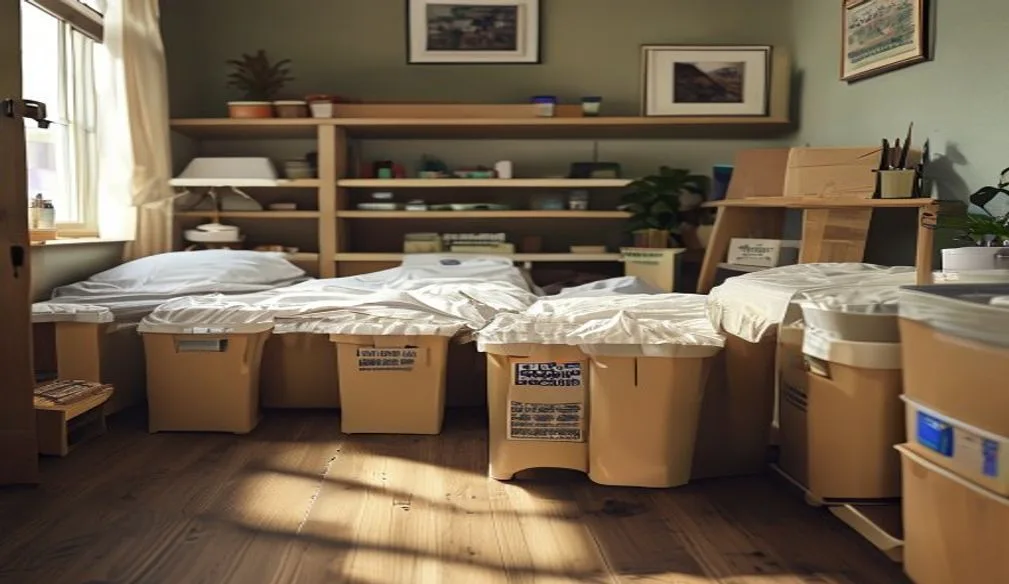
Active heating typically runs six to eight hours. Preparation is heavy: heat-sensitive items (aerosols, candles, wax art, musical instruments, certain electronics, medications) must be removed or relocated to a climate-controlled space. Professional crews provide a written checklist because thermal damage to property is a real liability when protocols slip. Multi-unit buildings add coordination overhead — heat migrates through shared assemblies, and treating one unit while neighbors remain infested usually fails.
Why IPM Belongs Before, During, and After Heat
Heat alone is powerful, but the cases that hold long-term results are wrapped in IPM. In my inspections, the homes that stay clear after a heat job are the ones where the residents reduced clutter, isolated luggage and laundry, and installed encasements before the crew arrived. The homes that bounce back are the ones where someone brought in a second-hand headboard two months later.
A practical IPM sequence looks like this. First, declutter the sleeping area — fewer objects means fewer places for insects to hide and fewer items that absorb heat and slow the thermal rise. Second, launder and heat-dry all bedding, curtains, and washable clothing on the hottest dryer cycle the fabric allows; the dryer is the single most reliable piece of equipment a homeowner owns for killing bed bugs and eggs on fabric. Third, vacuum mattress seams, box springs, baseboards, and surrounding floors with a sealed-bag vacuum, then dispose of the bag in an outdoor bin immediately. Vacuuming doesn't eliminate an infestation, but it drops population pressure before the heat event and improves airflow during it.
Monitoring devices — passive interceptors under bed legs and furniture feet — should be installed before treatment and kept in place for at least a year afterward. Interceptors don't kill; they detect. They tell you whether new insects are arriving from external sources or whether the heat job actually held. I often see clients remove interceptors after two months because nothing shows up. That's a mistake. The absence of captures today doesn't predict the absence of captures next quarter.
Mattress and Box Spring Encasements as Long-Term Insurance
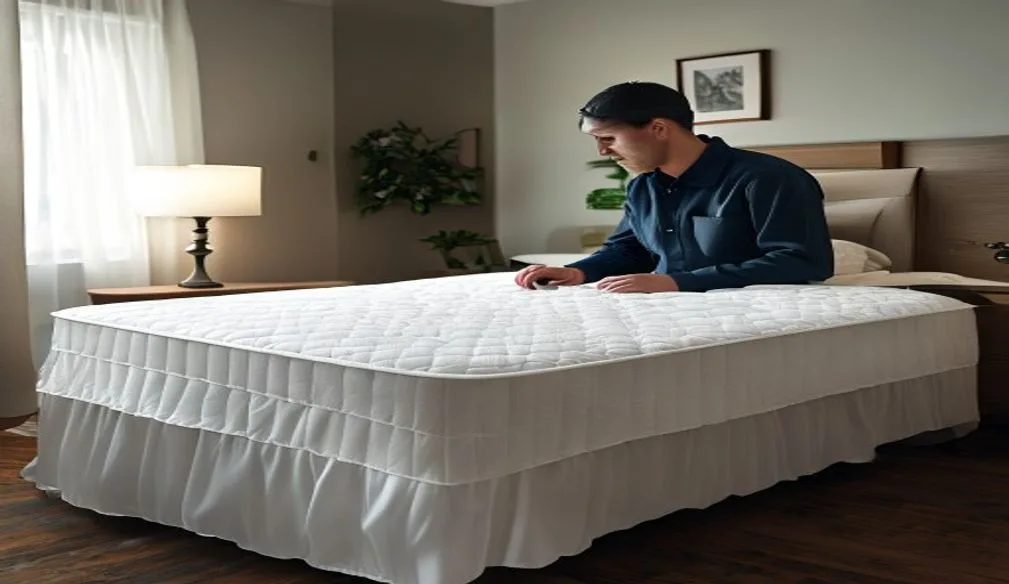
Encasements are the most underrated tool in the IPM kit. A certified bed-bug-proof encasement fully seals the mattress and box spring, locking any surviving insects inside where they eventually die without feeding. The encasement also creates a smooth, light-colored surface that makes future inspections faster — anything moving on the outside is visible against the fabric.
What homeowners miss most is duration. Encasements should remain in place for at least 18 months — the longest a bed bug can survive without a blood meal under cool, stable indoor conditions. Pulling the encasement off after three months because the bed "looks fine" defeats the purpose. If insects were sealed inside, they may still be alive.
Encasements also block new harborage. A bare mattress offers hundreds of seams, tufts, and folds where a single fertilized female can establish a colony. The encasement collapses that geography into a single sealed surface. In my field work, I've watched follow-up inspections go from hour-long searches of mattress seams to five-minute wipe-downs of an encased surface — and the inspection results are more reliable, not less.
Steam as a Bridge Method
Dry steam — applied with a professional-grade unit delivering high-temperature vapor at the nozzle — kills bed bugs and eggs on direct contact. Steam belongs in the IPM layer that runs immediately before professional heat, not as a replacement for it. Its job is to reduce initial population in spots that heat will later reach anyway, and to clean upholstered furniture, mattress surfaces, and baseboard junctions where clutter might otherwise insulate insects from the thermal wave.
Steam has limits. It only kills what the wand touches. It doesn't reach inside wall voids, behind electrical plates, or deep into furniture cores. Used as a standalone solution, it almost always fails on established infestations. Used as a pre-heat bridge — particularly on fabric surfaces and cluttered zones — it improves heat penetration and shortens the time the heaters need to run.
Humidity, Airflow, and the Indoor Environment
Bed bugs thrive in stable indoor climates — moderate temperature, moderate humidity, plenty of harborage. They don't survive well above roughly 120°F, and they don't tolerate sustained high heat in confined spaces. They also don't do well in very dry conditions, though humidity control alone is not a reliable elimination method.
What humidity and airflow management actually contribute is prevention. Running a bedroom fan, opening closet doors, and keeping ambient humidity moderate (roughly 40–50%) reduces the microclimates where bed bugs settle. Sealing cracks around baseboards, behind switch plates, and along pipe penetrations removes harborage sites that no heat job can fully address if the structure is full of voids.
I often see clients focus on the treatment and ignore the building. A heat job in a home with extensive wall voids, peeling baseboards, and stored clutter under every bed will technically succeed — the heat reaches the lethal threshold — but the post-treatment environment is just as hospitable as the pre-treatment environment. Sealing, decluttering, and airflow adjustments are what protect the investment.
Travel Hygiene and Reintroduction Prevention
Most infestations don't start in the home — they arrive in luggage, on used furniture, or through adjacent units in multi-family housing. Post-treatment prevention is therefore mostly a behavioral program.
Travel protocols that work: hard-sided luggage when possible; luggage kept on a rack away from the bed and walls in hotels; everything worn or packed laundered on hot cycles immediately on return; suitcase inspected with a flashlight before being brought inside. Second-hand furniture — particularly upholstered pieces, bed frames, and mattresses — should be treated as contaminated until proven otherwise. A visual inspection under good lighting catches most problems; an encasement or professional steam pass catches the rest.
When a Licensed Professional Becomes Essential
Some situations are not appropriate for homeowner-led work. Multi-unit residential buildings where adjacent units may be infested require coordinated management — a single treated unit in an untreated building usually re-infests within weeks. Severe infestations that have spread beyond the bed into living rooms, closets, and storage areas exceed the practical reach of household equipment. Recurrent infestations following previous treatment attempts usually indicate either an external source or a missed harborage that needs professional mapping.
Households with immunocompromised residents, elderly individuals, or infants warrant extra caution around any treatment method, and a licensed pest management professional can advise on preparation, reentry timing, and follow-up. What I tell clients in these situations is to skip the DIY phase entirely and start with a professional inspection. Accurate identification — distinguishing bed bugs from bat bugs, swallow bugs, or carpet beetles, which require different management — and a written treatment plan save time and money.
Comparing Heat and IPM Layers at a Glance
| What it does | Where it works best | Limits | |
|---|---|---|---|
| Professional heat treatment | Raises whole-room temperature past lethal threshold for all life stages | Single-family homes, single units with full preparation | Heat-sensitive items; multi-unit coordination |
| Hot dryer cycles | Kills bed bugs and eggs on washable fabrics | Bedding, clothing, soft toys, curtains | Only treats items placed in the dryer |
| Vacuuming with sealed disposal | Removes visible insects and eggs from surfaces | Mattress seams, baseboards, surrounding floors | Misses hidden harborages; doesn't substitute for heat |
| Encasements | Seals mattress and box spring; traps or excludes insects | Long-term prevention and post-treatment insurance | Doesn't eliminate existing infestations on its own |
| Steam application | Kills on direct contact with high-temperature vapor | Upholstered furniture, mattress surfaces, baseboard junctions | Only kills what the wand touches |
| Monitoring interceptors | Detects movement under bed and furniture legs | Pre- and post-treatment verification | Doesn't kill; requires long placement period |
Putting the Pieces Together
The cases that resolve cleanly in my practice follow a recognizable pattern. A professional confirms the species and maps the harborage. The homeowner declutters, runs laundry on hot cycles, and vacuoms thoroughly. A licensed crew performs the heat treatment with sensors confirming lethal temperatures in every monitored zone. Encasements go on the mattress and box spring immediately after reentry. Interceptors stay under the bed legs for a year. Travel and second-hand furniture protocols become routine.
What I want every reader to take away is this: heat is the elimination event, IPM is the system that makes the elimination last. Neither works as well alone as they do together. If budget forces a choice, spend on the professional heat and the encasements, then build the rest of the IPM layer over time. Skipping the heat and relying only on encasements and interceptors leaves the active infestation in place. Skipping the IPM and relying only on heat leaves the home just as vulnerable to the next introduction.
For anyone dealing with an active infestation, the next step is a professional inspection — not a purchase. A licensed pest management professional can confirm what you're dealing with, map where the insects are hiding, and recommend a heat-and-IPM plan sized to your specific home and infestation level. If bites are causing skin reactions, severe itching, or signs of infection, see a medical professional for evaluation; this article is not a substitute for clinical advice.
Frequently Asked Questions
How can I confirm bed bugs are gone after treatment?
Use a combination of monitoring methods over several weeks.
- Place interceptors on bed legs and check for trapped insects.
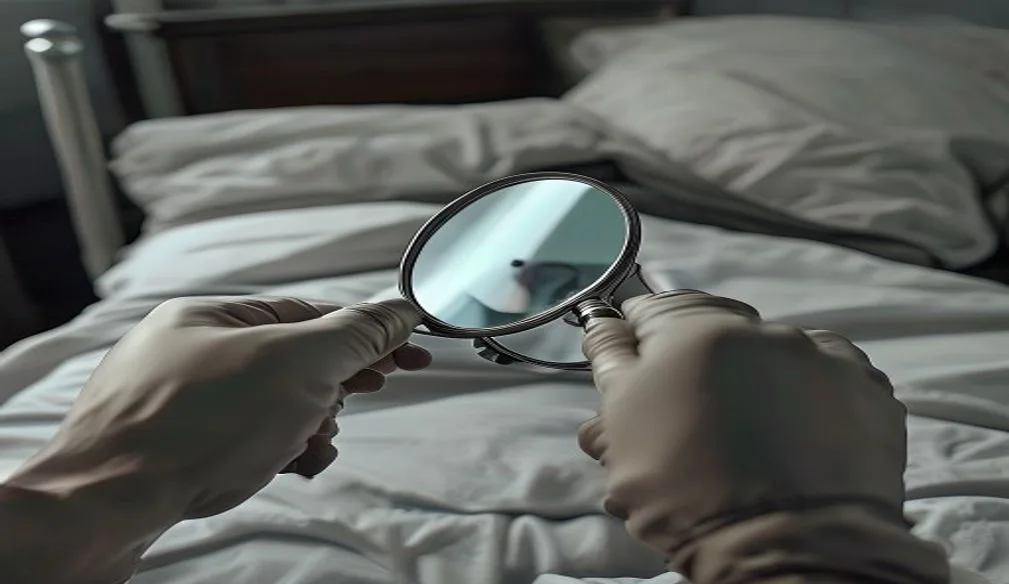
- Inspect common hiding spots with a flashlight and magnifier if available.
- Look for new cast skins, tiny dark spots (fecal stains), or live bugs.
Continue monitoring and follow up with your pest professional if signs return.
What should I do before a professional heat treatment?
Preparation is key to effective heat treatment. Remove or securely bag items that could be damaged by heat, and follow all instructions provided by your pest control company.
Typical steps include decluttering, washing and drying fabrics on high heat, and keeping treated areas accessible. Do not apply DIY pesticides before heat treatment, as they can be dangerous and reduce effectiveness.
What are signs of bed bugs in luggage after travel?
After travel, check luggage and nearby areas for bed bug signs such as tiny brown spots (fecal marks), pale shed skins, small eggs or eggshells, and live or flattened bugs. Early detection can help prevent establishing an infestation in your home.
How can I reduce the chance of bringing bed bugs home from travel?
Travel smart habits can lower the risk of picking up bed bugs and spreading them to your home.
- Inspect hotel rooms for live bugs, shed skins, or dark spots on mattresses and furniture.
- Keep luggage on a luggage rack away from beds and walls; consider using a hard-shell case.
- Wash and dry travel clothes on high heat as soon as possible after returning home.
- Store luggage in a sealed area for several weeks if you suspect exposure.
Early detection and careful storage help with prevention and make follow-up easier if needed.