A box spring encasement works as a physical barrier that traps bed bugs already inside while blocking new ones from entering. The best encasements combine a tight weave fabric, reinforced seams, and a locking zipper system that holds up to years of use without tearing or gaping. I have inspected thousands of encasements in the field, and the difference between a temporary fix and genuine protection always comes down to construction quality and proper installation.
Why Box Springs Need Specialized Protection
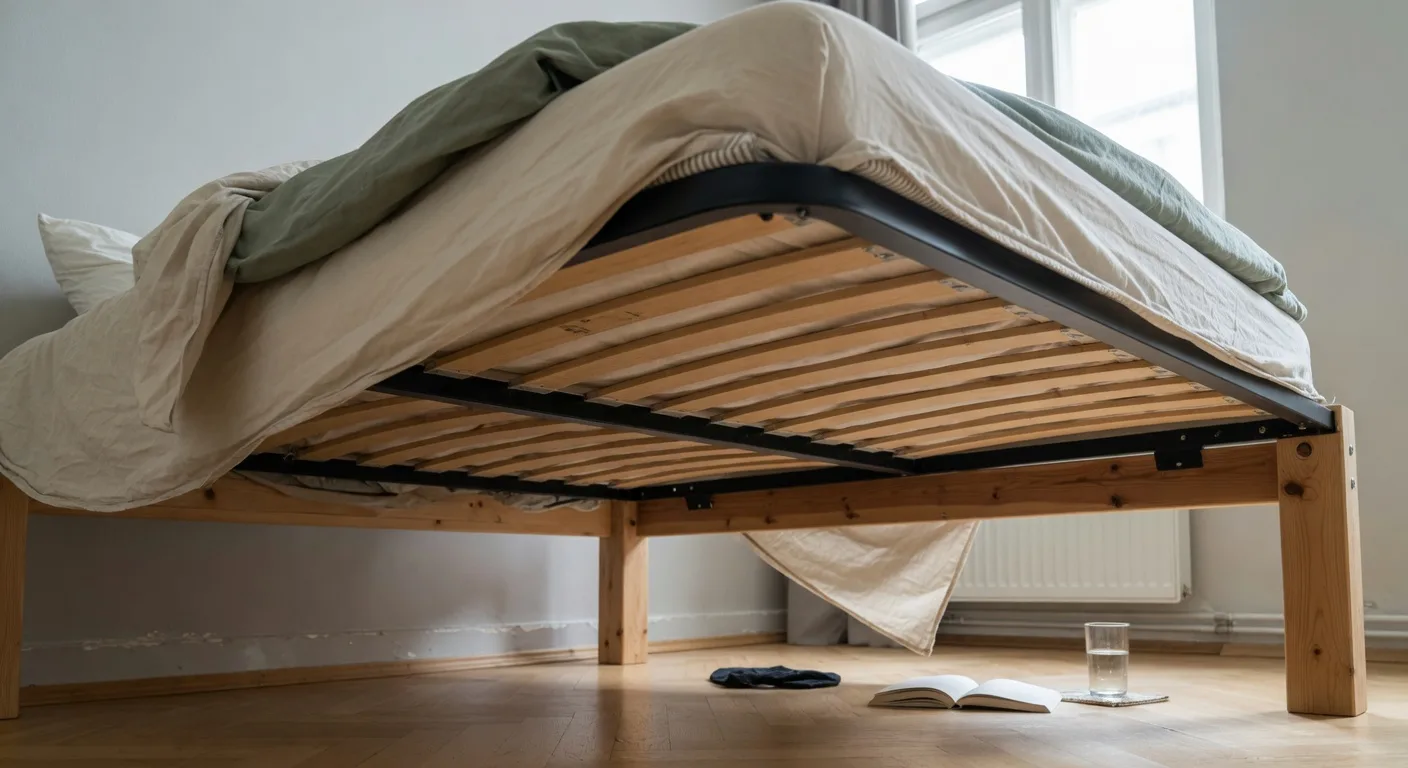
Box springs present unique challenges that mattresses do not. The internal wooden frame creates hollow channels where bed bugs travel and cluster. Fabric bottoms, often stapled loosely, sag and touch the floor or bed frame, creating bridge points. Corner protectors and stapled edges offer dozens of entry points that standard mattress encasements cannot address.
In my field work, I have pulled back fabric corners to find hundreds of bed bugs clustered along the internal slats. A mattress encasement leaves this entire reservoir untouched. The box spring's vertical orientation also means gravity works against loose-fitting covers—any gap at the bottom becomes a highway for bugs climbing from floor to bed.
What I tell clients is simple: encase the box spring first. It takes longer to install properly, but eliminating this hiding spot collapses the infestation's core structure faster than treating the mattress alone.
Fabric Engineering That Actually Blocks Bed Bugs
Bed bug nymphs measure roughly one millimeter across—small enough to push through gaps in loosely woven fabric. adult bed bugs cannot bite through any intact fabric, but they exploit tears, zipper gaps, and seam holes with precision. The best box spring encasements use a fabric with a pore size below 10 microns, achieved through either a dense polyester knit or a polyurethane membrane bonded to a textile backing.
Membrane-backed fabrics offer waterproofing as a side benefit, which matters for box springs since liquid stains void most warranties. However, membrane layers can trap heat and moisture against the wood frame. In humid climates, I have seen mold develop inside membrane encasements installed on damp box springs. Breathable tight-weave polyester avoids this risk but sacrifices waterproofing.
The trade-off depends on your environment. Coastal apartments with poor ventilation need breathability. Urban units with radiator heat and dry air can tolerate membrane-backed covers without condensation issues.
Zipper and Seam Construction Standards
The zipper represents the most common failure point. Standard zippers leave a track gap where bed bugs squeeze through—adult bed bugs can flatten to the thickness of a credit card. Quality encasements use three specific features: interlocking metal or molded plastic teeth that mesh completely, a zipper slider with a locking mechanism that prevents accidental opening, and a fabric flap that folds over the closed zipper to create a secondary barrier.
Seams require either double-needle stitching with reinforcement tape or heat-sealed bonding. I have examined encasements where single-stitched seams separated within six months of normal bed movement. Heat-sealed seams eliminate stitch holes entirely but demand precise manufacturing—poor heat control creates weak points that crack under flex stress.
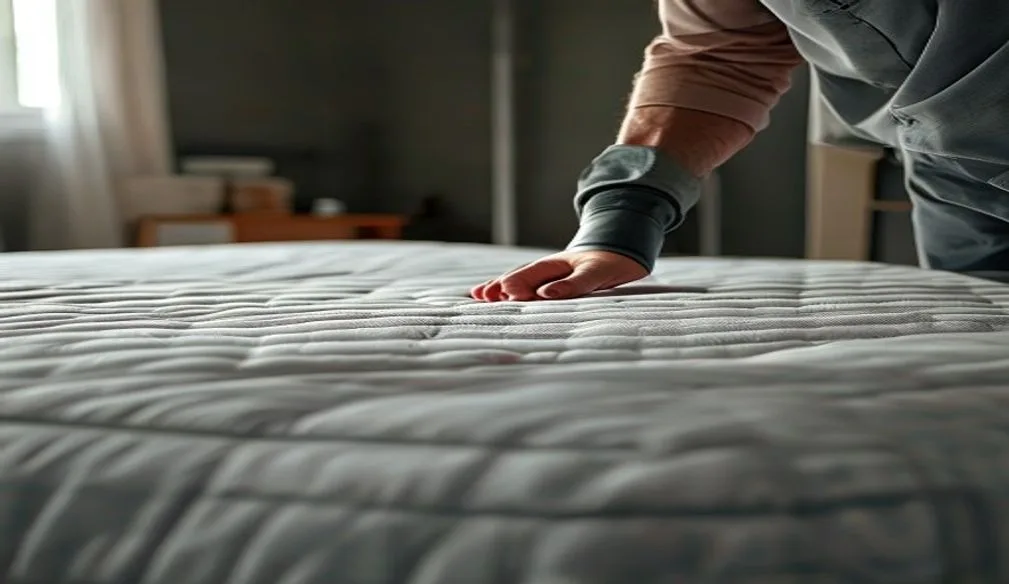
Installation testing matters. Before trusting any encasement, I run my fingernail along every seam and zipper track, applying moderate pressure. Any gap, however small, will eventually admit bed bugs. Reputable manufacturers welcome this scrutiny and publish seam-strength specifications.
Measuring and Fitting for Zero Gaps
Box spring dimensions vary more than mattress standards suggest. Heights range from five to nine inches. Corner profiles differ between manufacturers—some are squared, others rounded. A loose encasement wrinkles at the corners, creating fabric pockets where bed bugs hide and breed. An overly tight fit strains seams and zippers, causing premature failure.
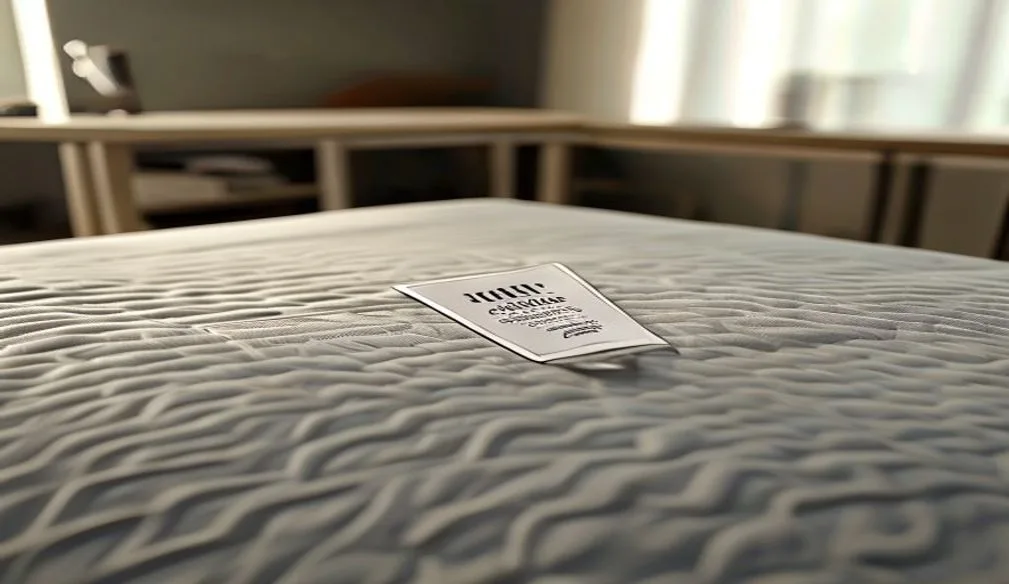
Measure height at all four corners, not just one. Old box springs sag; new ones may have padding that compresses over time. Add one inch to your height measurement for encasements that include internal padding or quilted layers. Width and length should match your mattress size exactly—twin, full, queen, king, or California king—with no "universal fit" claims trusted.
What homeowners miss most is the bottom profile. Some encasements wrap entirely underneath; others stop at the lower edge with a skirt. Full enclosure provides better protection but complicates installation on heavy box springs. I recommend full enclosure for active infestations, partial skirt-style for preventive use in low-risk situations.
Installation Without Contamination
Installing an encasement on an already-infested box spring requires technique. Bed bugs scatter when disturbed, and a clumsy installation spreads them to walls, carpet, and nearby furniture. The process demands preparation before the encasement ever touches the bed.
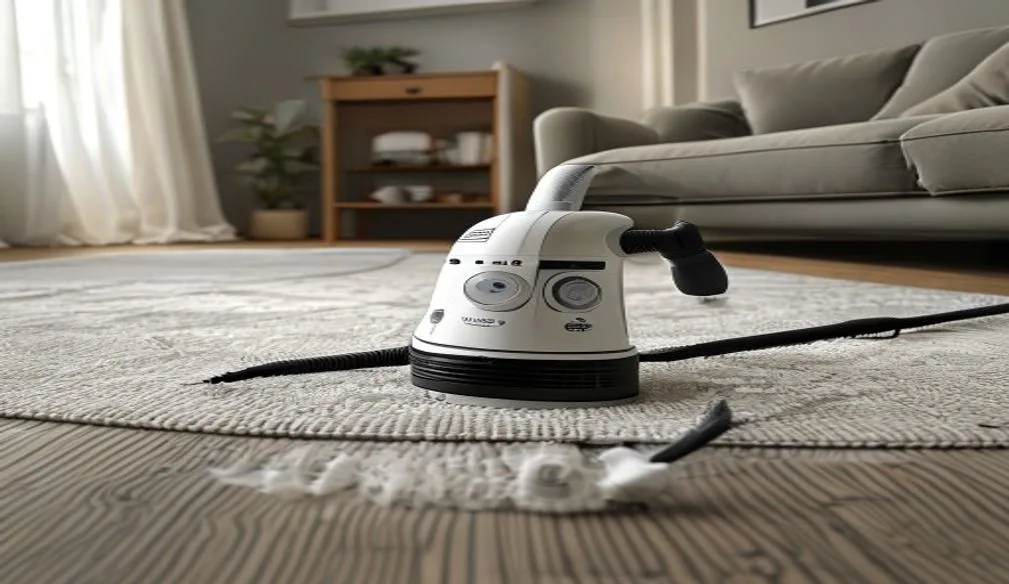
Move the box spring away from walls and other furniture. Vacuum all surfaces—top, sides, bottom, and internal frame if accessible—using a hose attachment with a brush head. Dispose of the vacuum bag or empty the canister immediately into a sealed plastic bag taken outside. This step reduces the bug count going into the encasement, shortening the starvation timeline for trapped insects.
Encase during daylight with good visibility. Bed bugs hide deeper in darkness; bright light keeps them stationary. Work the encasement over the box spring like a sock, keeping the fabric taut to avoid trapping bugs in folds. Seal the zipper completely, then run a credit card along the track to verify closure. Install bed bug interceptor traps under each leg before returning the bed to position—these capture any bugs that escaped during installation or climb from the floor later.
Long-Term Monitoring and Maintenance
An encasement works only while intact. I inspect client installations at three months, six months, and annually thereafter. Look for these specific failure modes: zipper slider migration from vibration, seam separation at stress points, fabric abrasion from bed frame contact, and zipper track damage from repeated opening for inspections.
Most encasements remain sealed for 12 to 18 months—the minimum time for trapped bed bugs to starve. Opening earlier risks re-infestation. If you must open the encasement for moving or bed replacement, do so outdoors or in a garage, away from sleeping areas. Inspect the interior immediately upon opening; live bugs indicate either a seal failure or an impossibly long survival period that warrants professional assessment.
Washing instructions vary by material. Tight-weave polyester typically tolerates warm water and low-heat drying. Membrane-backed fabrics require cooler temperatures to preserve the urethane layer. Never use bleach or fabric softeners—both degrade bed bug-proof properties. When in doubt, spot-clean only and rely on the encasement's surface barrier function rather than frequent laundering.
When Professional Intervention Becomes Necessary
Encasements manage existing infestations but do not eliminate them alone. I recommend professional pest management when bed bugs appear on the encasement surface within two weeks of installation—this indicates a heavy initial population or active bugs elsewhere in the room. Multiple rooms showing signs, electrical outlet infestations, or bugs in upholstered furniture also exceed what encasements can address.
Tenant-landlord situations complicate the timeline. In my experience, property managers sometimes delay professional treatment, hoping encasements will suffice. This rarely works. Document encasement installation dates, inspection findings, and any visible bugs. This record supports requests for comprehensive treatment and protects against deposit disputes.
The encasement remains valuable even with professional help. It isolates the box spring during chemical or heat treatment, prevents re-infestation between visits, and provides visual confirmation of treatment success—no new bugs on the surface means the surrounding environment is clearing.
Practical Questions From the Field
Can bed bugs escape through the fabric itself?
No, if the encasement meets pore-size specifications. Bed bugs cannot chew through fabric. Escape requires an actual hole, tear, or zipper gap. I have seen bugs trapped inside encasements for 14 months, alive but unable to feed. Starvation eventually kills them.
Should I encase a new box spring preventively?
Yes, if you live in multi-unit housing, travel frequently, or have had previous infestations. The cost of a quality encasement is minor compared to treatment expenses. Install before any signs appear—once bugs are present, installation becomes more complex and risky.
Do encasements affect bed comfort?
Properly fitted encasements do not change mattress feel. The box spring's rigidity masks any minor fabric texture. Poorly fitted encasements bunch or slide, creating lumps that telegraph through the mattress. Measure carefully and choose encasements designed specifically for box springs rather than adapted mattress covers.
How do I know if my encasement has failed?
Visible bed bugs on the exterior surface after installation indicate either a pre-existing population you missed or a seal breach. Inspect the zipper track, seam intersections, and any repair patches. A single live bug on the surface warrants complete re-inspection of the installation. Multiple bugs suggest the encasement was compromised during fitting or has a manufacturing defect.
Frequently Asked Questions
How can I safely reduce bed bugs at home without chemicals?
Use non-chemical methods as part of an integrated approach and consult a licensed pest professional for assessment.
- Heat: Wash and dry infested items on the highest heat settings recommended for the fabrics.
- Vacuuming: Carefully vacuum cracks and crevices, then dispose of the bag or canister contents in a sealed outdoor bin.
- Barrier methods: Use mattress and box spring encasements labeled for bed bugs to reduce harborage and make detection easier.
These steps can help manage bed bugs, but they are generally most effective when combined with professional guidance.
How can I confirm bed bugs are gone after treatment?
Use a combination of monitoring methods over several weeks.
- Place interceptors on bed legs and check for trapped insects.
- Inspect common hiding spots with a flashlight and magnifier if available.
- Look for new cast skins, tiny dark spots (fecal stains), or live bugs.
Continue monitoring and follow up with your pest professional if signs return.
How long do bed bugs live without a blood meal?
Bed bugs can survive several months without feeding, though many live closer to 5–6 weeks under typical home conditions. Factors like temperature, humidity, and life stage influence their survival time.
Are bed bugs active during the day?
Bed bugs are primarily nocturnal and prefer to feed at night. However, they can become active during the day if hungry, crowded, or if their nighttime host schedule changes.