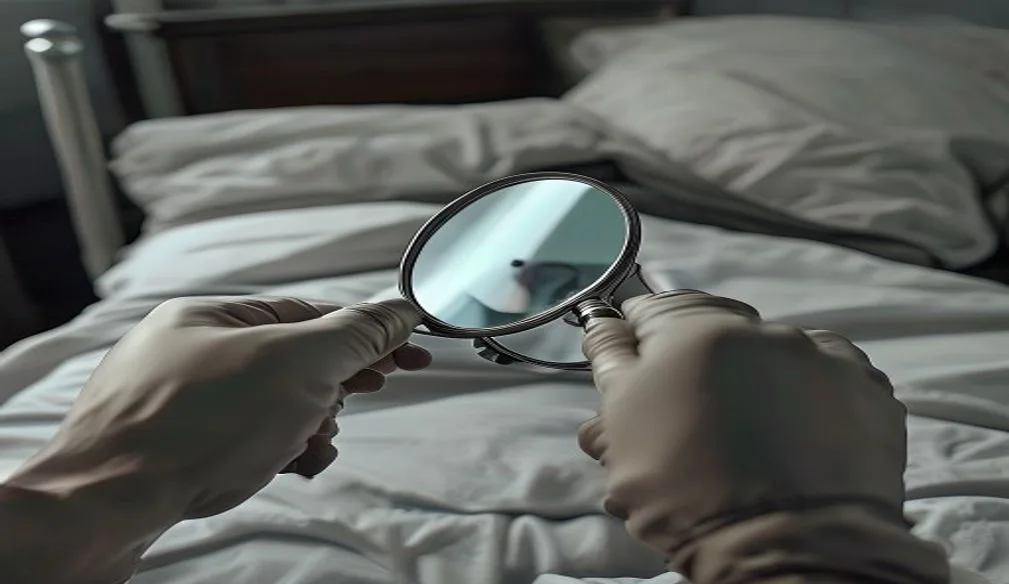
When dealing with a bed bug infestation, one of the most pressing questions is how long it will take for professional treatment to eliminate the problem. The answer can vary significantly depending on several factors, including the severity of the infestation, the size of the property, and the treatment methods employed. As a pest control specialist with over two decades of experience, I've seen firsthand how these factors can influence the duration of treatment. In my field work, I often see that the key to successful eradication lies in a combination of thorough preparation, effective treatment strategies, and patient follow-up.
Immediate Action: First 24 Hours
Upon discovering bed bugs, it's essential to act swiftly to prevent the infestation from spreading. Here are the immediate steps you should take:
- Wash and dry all bedding, clothing, and linens on high heat for at least 45 minutes to kill bed bugs and their eggs.
- Vacuum all carpets, rugs, and upholstered furniture, especially around beds and sofas, using a vacuum cleaner with a hose attachment. Immediately dispose of the vacuum bag or empty the canister after each use to prevent bed bugs from escaping.
- Seal any cracks and crevices around windows, doors, and moldings to prevent bed bugs from escaping or re-infesting the treated area.
- Contact a licensed pest control professional to schedule an inspection and treatment.
Understanding Bed Bug Treatment Methods
Professional bed bug treatments can vary in duration and effectiveness based on the methods used. It's crucial to understand the different approaches and what each entails.
Chemical Spray Treatments
Chemical spray treatments are a common method for eliminating bed bugs. The application process typically takes 30 to 60 minutes per room, depending on the size and complexity of the area. However, this method usually requires a follow-up treatment 10 to 14 days later to ensure that any newly hatched bed bugs are eliminated. The entire process, from initial treatment to final follow-up, can span several weeks.
Heat Treatment
Whole-structure heat treatment is a highly effective method that involves heating the entire home to a lethal temperature for bed bugs, typically between 120°F and 135°F (50°C to 57°C), and maintaining this temperature for several hours. This method can be more time-intensive, requiring significant preparation and a dedicated crew. The actual heating process usually takes 6 to 8 hours, followed by a cooling-down period. Despite the time and effort, heat treatment can often eliminate an entire infestation in one day.
Steam Treatment
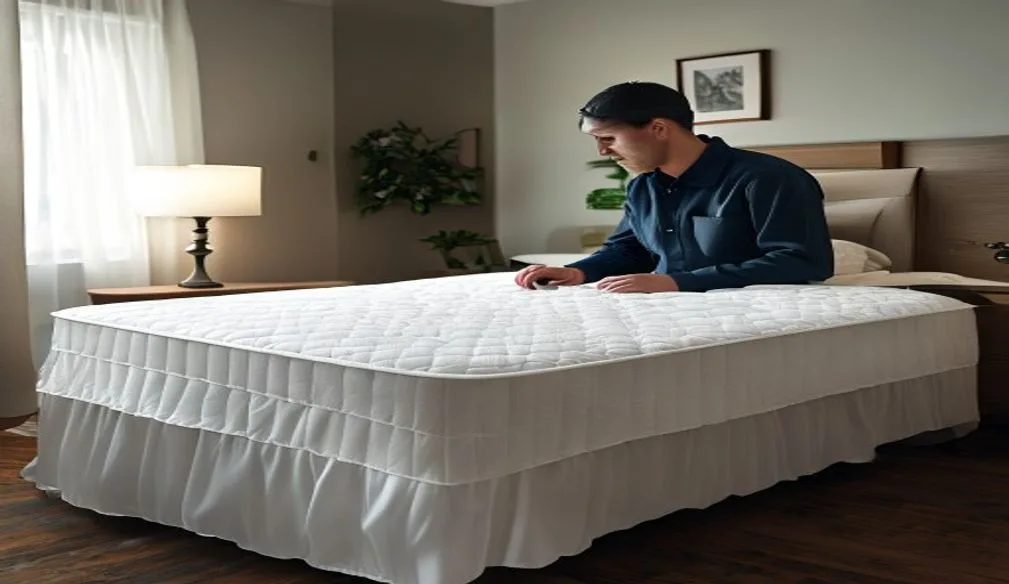
Steam treatment is often used as a supplement to chemical or heat treatments. It involves applying steam directly to mattresses, box springs, and furniture crevices to kill bed bugs and their eggs on contact. Treating a single mattress and box spring can take 20 to 30 minutes. While steam treatment is effective, it is rarely used as a standalone solution for whole-home infestations.
Vacuuming and Physical Removal
Vacuuming is an essential step in the treatment process, as it physically removes bed bugs, eggs, and debris. For a moderate-sized room, vacuuming can take 15 to 30 minutes. It's crucial to use a vacuum cleaner with a hose attachment and to dispose of the vacuum bag or empty the canister after each use to prevent bed bugs from escaping.
Factors Influencing Treatment Duration
The duration of bed bug treatment can be influenced by several factors, including the severity of the infestation, the size and layout of the property, clutter, and the need for follow-up treatments.
Severity of Infestation
A light infestation with a few bed bugs in one room can be resolved faster than a heavy, established infestation spread across multiple rooms or floors. Heavy infestations often require multiple treatments and a longer total timeline.
Size and Layout of the Property
The size and layout of the property can significantly impact the treatment duration. A single-bedroom apartment is much faster to treat than a three-story house. Multi-unit buildings, such as apartment complexes, present additional challenges because bed bugs can travel between units, potentially adding days or weeks to the treatment schedule.
Clutter and Preparation
Preparation is key to successful treatment. Homeowners must wash and dry all clothing and linens on high heat, move furniture, and clear floors to give technicians full access. Incomplete preparation can lead to rescheduling, adding significant time to the treatment process.
Number of Follow-Up Treatments
Most reputable companies include at least one follow-up inspection and treatment in their service plan. The interval between treatments is typically 10 to 14 days. If live bed bugs are found at the follow-up, additional treatments may be necessary, extending the overall treatment cycle to 3 to 6 weeks.
Typical Timeline for a Standard Treatment Plan
| Duration | Key Actions | |
|---|---|---|
| Initial Inspection | 1–3 hours | Full home assessment, identification of harborages |
| Preparation (by homeowner) | 1–2 days | Laundry, decluttering, moving furniture |
| First Treatment | 2–6 hours | Spray, steam, vacuum, or heat application |
| Wait Period | 10–14 days | Monitor for activity, eggs hatch |
| Second Treatment | 1–3 hours | Target newly hatched nymphs, re-treat harborages |
| Final Inspection | 1–2 hours | Confirm no live bugs, provide clearance |
What to Expect During the Treatment Day
On the day of treatment, the technician will arrive with specialized equipment. For chemical treatments, they will wear protective gear and apply products in a systematic pattern. You and your family, including pets, will need to vacate the home for several hours—typically 4 to 6 hours for chemical treatments, and longer for heat treatments. The technician will provide a re-entry time. After treatment, you may notice a slight odor from the products, which should dissipate within a few hours. You should not clean or wipe down treated surfaces for at least two weeks, as the residual product continues to kill bugs that emerge from eggs.
Why Multiple Treatments Are Often Necessary
How to Speed Up the Process
While you cannot rush the technician's work, you can ensure you do not cause delays. Complete all preparation steps exactly as instructed. Wash and dry all bedding, clothing, and linens on high heat for at least 45 minutes. Vacuum thoroughly and discard the vacuum bag outdoors. Reduce clutter to give the technician full access. Communicate openly about any areas you suspect are infested. The more cooperative you are, the more efficient the treatment will be.
Frequently Asked Questions
Can bed bugs be eliminated in one day?
Yes, a professional whole-home heat treatment can often eliminate an infestation in a single day. However, this requires extensive preparation and a full day of work. Chemical treatments almost always require at least two visits over two to four weeks.
How long after treatment can I return home?
For chemical treatments, re-entry is typically allowed after 4 to 6 hours, once the spray has dried. For heat treatments, you can usually return immediately after the home cools down, which is typically 1 to 2 hours after the heaters are turned off. Always follow your technician's specific instructions.
Do I need to leave during the entire treatment?
Yes. For chemical treatments, you, your family, and your pets must vacate the home during application and for several hours afterward. For heat treatments, it is unsafe to be inside while temperatures are elevated. The technician will advise you on the exact timing.
What happens if I see live bugs after treatment?
Seeing a few live bugs within the first week after treatment is not unusual. These are often bugs that were not directly sprayed and have since emerged from deep cracks or eggs. Contact your pest control company immediately. They will schedule a follow-up treatment. Do not attempt to treat the area yourself with store-bought products, as this can interfere with the professional treatment.
How long until I can sleep in my bed after treatment?
Your Next Step
If you suspect a bed bug infestation, do not wait. The longer you delay, the more time the bugs have to multiply and spread. Contact a licensed pest control professional for an inspection. Ask about their treatment plan, the number of follow-ups included, and their guarantee. A reputable company will provide a clear timeline and work with you to minimize disruption. Your goal is not just a quick treatment, but a complete eradication. Remember, patience and cooperation are key to successfully eliminating bed bugs from your home.
Frequently Asked Questions
How long does professional heat treatment take?
Professional heat treatments for bed bugs usually require several hours to raise room temperatures to levels that affect all life stages. You should plan for limited access during the service and follow any pre- and post-treatment guidance provided by the pest management professional.
What should I do before a professional heat treatment?
Preparation is key to effective heat treatment. Remove or securely bag items that could be damaged by heat, and follow all instructions provided by your pest control company.
Typical steps include decluttering, washing and drying fabrics on high heat, and keeping treated areas accessible. Do not apply DIY pesticides before heat treatment, as they can be dangerous and reduce effectiveness.
How do I prepare for a professional bed bug treatment?
Follow these steps to help a pest professional be effective and safe.
- Wash and dry infested clothing and linens on the hottest settings allowed.
- Declutter floors and surfaces to reduce hiding spots.
- Seal items you cannot treat in labeled plastic bags until they can be inspected or treated.
Discuss any health concerns or special needs with your pest control provider before treatment.
How do I prepare my home before professional treatment?
Preparing your home helps improve treatment effectiveness and safety. Follow these steps before a scheduled visit.
- Launder bedding, clothing, and linens in hot water and dry on high heat when possible.
- Reduce clutter and seal items in clear plastic bags to limit hiding spots.
- Vacuum floors, baseboards, and furniture, then dispose of the bag or canister contents in a sealed outdoor bin.
- Avoid applying insecticides on your own unless specifically instructed by the professional.
Discuss any concerns or mobility or scent sensitivities with your pest control provider so they can tailor the plan.