In my field work across the Northeast, I have seen early detection turn a five-figure remediation into a single afternoon of focused effort. Most people wait until they wake up with bites, but by then the population has usually established multiple harborages. What I tell clients during our first walkthrough is that finding one bug early beats treating a hundred later.
Why Early Detection Changes Everything
Bed bugs reproduce quietly. A single fertilized female can lay two to five eggs daily, and those eggs hatch in about ten days at room temperature. In my experience, the difference between a localized issue and a whole-structure infestation often comes down to whether someone checked the seams of a mattress seam within the first two weeks of introduction. I have walked into apartments where the bugs were confined to a box spring seam, and I have walked into others where they were behind baseboards, inside electrical plates, and inside the couch cushions. The difference was almost always timing.
Tools You Need Before You Start
You do not need specialized equipment, but you do need the right basics. In my kit I always carry a bright LED flashlight with a focused beam, a credit-card-thin plastic scraper or an old hotel key card, a magnifying glass with at least 10x magnification, double-sided tape or clear packing tape for sample collection, and a few zip-top bags for specimens. A headlamp frees both hands when you are peering behind a headboard or under a box spring. I also keep a small handheld steamer in the truck for immediate heat treatment of any live bugs I find during inspection, but a hair dryer on high heat works in a pinch.
- Bright LED flashlight or headlamp
- Thin plastic scraper or old credit card
- 10x magnifying glass
- Clear tape and zip-top bags
Systematic Room-by-Room Inspection
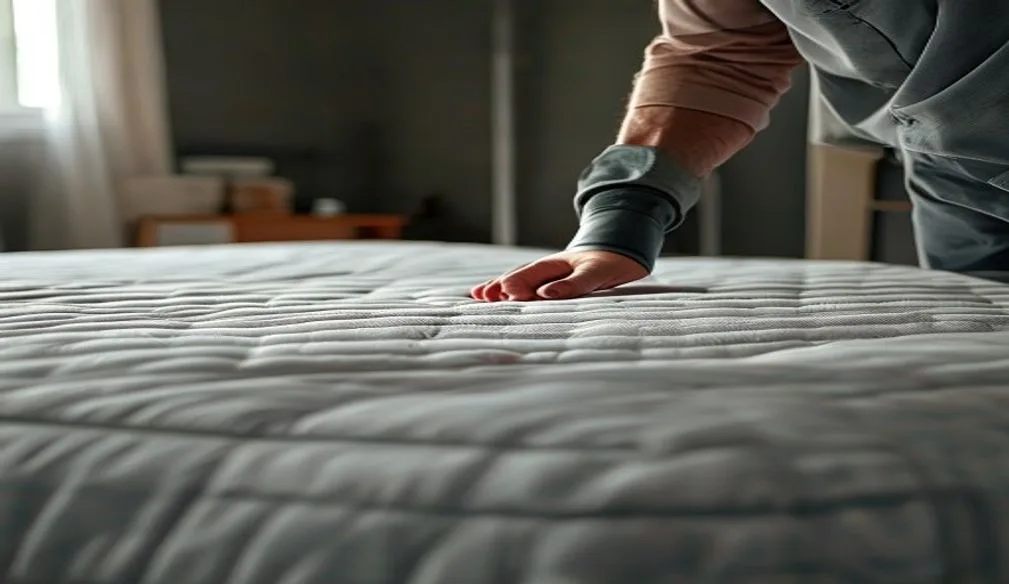
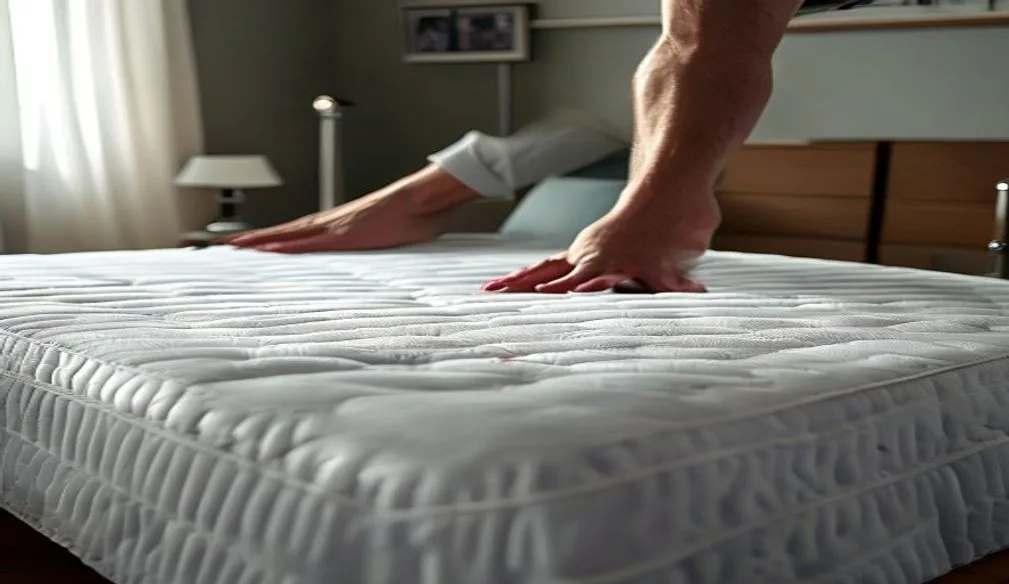
Start in the bedroom because that is where 70 to 80 percent of infestations originate. Strip the bed completely. Run the scraper along every seam, piping, and tuft of the mattress and box spring. Shine the light into the screw holes of the bed frame and along the joints where the rails meet the headboard. I always tell clients to flip the box spring over and shine the light through the dust cover fabric; bugs love the stapled edges underneath. Move to the nightstands next. Pull the drawers out completely and inspect the tracks, the underside of the drawer bottoms, and the back panel of the furniture. Check behind picture frames, under the edge of wall-to-wall carpet, and along the tack strip. Work methodically in a grid pattern so you do not miss a square foot.
Inspecting Furniture and Personal Belongings
Upholstered furniture is the second most common harborage. Remove cushions and inspect every seam, zipper, and welt. Flip the piece over and examine the dust cover stapled to the bottom frame. I have found established colonies living entirely inside the hollow frame rails of a recliner. Books, picture frames, alarm clocks, and phone chargers on nightstands are frequent hiding spots. Do not forget luggage. If you have traveled recently, inspect the seams, pockets, and wheels of your suitcase before you store it in the closet. I once traced an entire infestation to a single backpack that had been set on a hotel bed for twenty minutes.
What Evidence Actually Looks Like
Live bugs are the obvious sign, but they hide well. More often you will find the evidence they leave behind. Fecal spotting looks like tiny black ink dots from a fine-tip marker; they bleed into fabric like a marker dot on a paper towel. Shed skins are translucent, amber-colored exoskeletons that look like empty bug shells. Eggs are pearly white, about the size of a pinhead, and cemented in clusters to rough surfaces. blood spots on sheets are usually rusty red or brown smears from crushed bugs or feeding sites. I always carry a roll of clear tape to lift a few specimens for confirmation; a piece of tape pressed onto a suspect spot and then stuck onto a white index card makes identification much easier under the magnifier.
| Appearance | Common Look-Alikes | |
|---|---|---|
| Fecal spots | Tiny black dots, bleed into fabric | Mold spores, marker dots |
| Shed skins | Translucent amber, hollow, brittle | Carpet beetle larvae skins |
| Eggs | Pearly white, 1mm, cemented in rows | Salt grains, lint |
| blood smears | Rusty red or brown streaks | Scabs, makeup stains |
Overlooked Hiding Spots I Find Every Time
In my twenty years of inspections, three spots consistently surprise homeowners. First, the hollow legs of metal bed frames; bugs crawl up inside and lay eggs in the threaded holes. Second, the recessed area behind the headboard where it mounts to the wall — especially if the headboard is screwed into studs. Third, the gap between the baseboard and the wall where the carpet tucks in. I run my scraper along that gap and tap the baseboard; bugs often fall out onto a white sheet I lay on the floor. Electrical outlet plates and switch covers are another favorite. I remove the plate with a screwdriver and shine the light into the box. If you see fecal spotting on the back of the plate, the wall void is likely infested.
Knowing When to Call a Professional
I have built my reputation on honest assessments. If you find evidence in multiple rooms, inside wall voids, or deep inside furniture frames, self-treatment with vacuums and encasements alone will not eliminate the population. What I tell clients is simple: if you have found bugs on two different pieces of furniture in separate rooms, or if you are seeing bites daily despite encasing the mattress, it is time to bring in a licensed exterminator who can apply heat or targeted treatments to structural voids. There is no shame in calling a pro; the shame is waiting three months and letting the problem spread to the neighbor's unit.
Daily Habits That Prevent Reinfestation
Prevention is mostly about habits. I encase every mattress and box spring in a lab-tested, bite-proof encasement and leave it on for at least eighteen months. I vacuum the bedroom thoroughly once a week, paying special attention to the perimeter edges and under the bed, and I immediately seal the vacuum bag in a plastic bag and take it outside. When I travel, I never put my suitcase on the bed or the luggage rack straps; I use the bathtub or a hard-surface desk. When I return home, the suitcase goes straight into the garage, clothes go into the dryer on high heat for thirty minutes, and the empty suitcase gets a thorough vacuuming before it enters the house. Reducing clutter eliminates hiding spots. Sealing cracks in baseboards and around pipe penetrations with silicone caulk limits movement between units. These habits have kept my own home clear for two decades, and they are the same habits I teach every client who wants to stay clear.
Bed bugs do not discriminate, and they do not go away on their own. The sooner you inspect, the smaller the problem stays. If you are unsure about what you are seeing, bag a sample and have it identified by a professional before you spend a dollar on treatment. In my experience, a confirmed identification saves more money than any product on the shelf.
Frequently Asked Questions
Can bed bugs live on memory foam mattresses?
Yes—bed bugs can live on memory foam mattresses by sheltering in seams, folds, and bed frames. They are not inside the foam block but on surfaces you touch when changing sheets.
Check piping with a flashlight, install a bed-bug-proof encasement, and isolate the bed from walls while you monitor or schedule professional treatment if needed.
Can bed bugs live in a foam mattress?
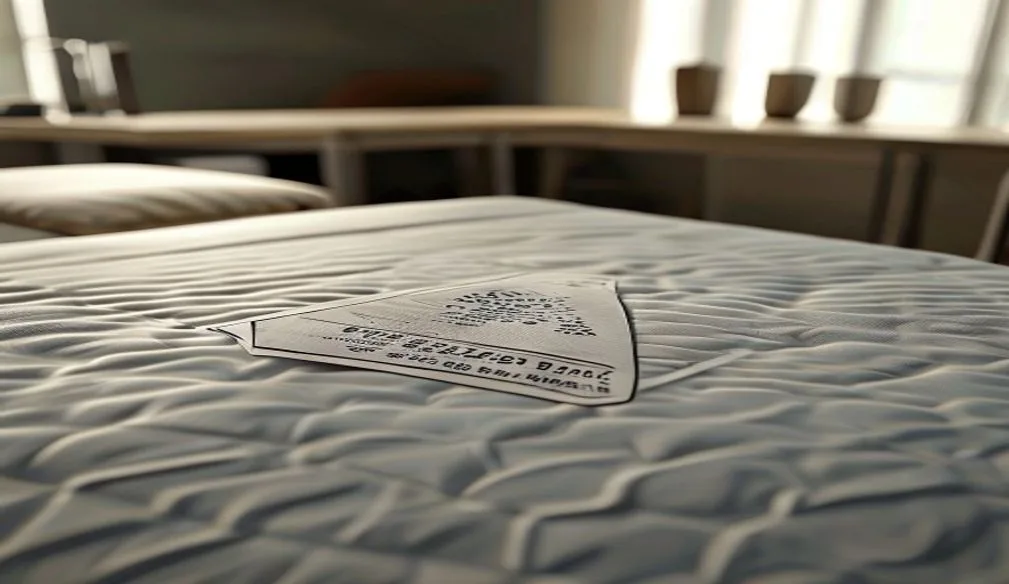
Bed bugs do not burrow inside memory foam, but they readily hide on seams, zippers, labels, and the underside edges where the cover meets the frame.
Foam mattresses still need encasements and seam inspections like any other bed. Focus on tufts, piping, and nearby furniture—not the foam core itself.
can memory foam mattress get bed bugs?
Can you see bed bugs with the naked eye on a mattress? Learn size, color, hiding spots, and early signs before an infestation spreads.
Can you see bed bugs with the naked eye on a mattress?
Yes. Adult bed bugs are about apple-seed size (4–5 mm), reddish-brown, and visible on light-colored mattress fabric when you part the seams with a flashlight.
Nymphs and eggs are harder to spot but still visible as tiny pale insects or white pinhead ovals. Slow, close inspection beats a quick glance—check seams, tags, and box spring corners.