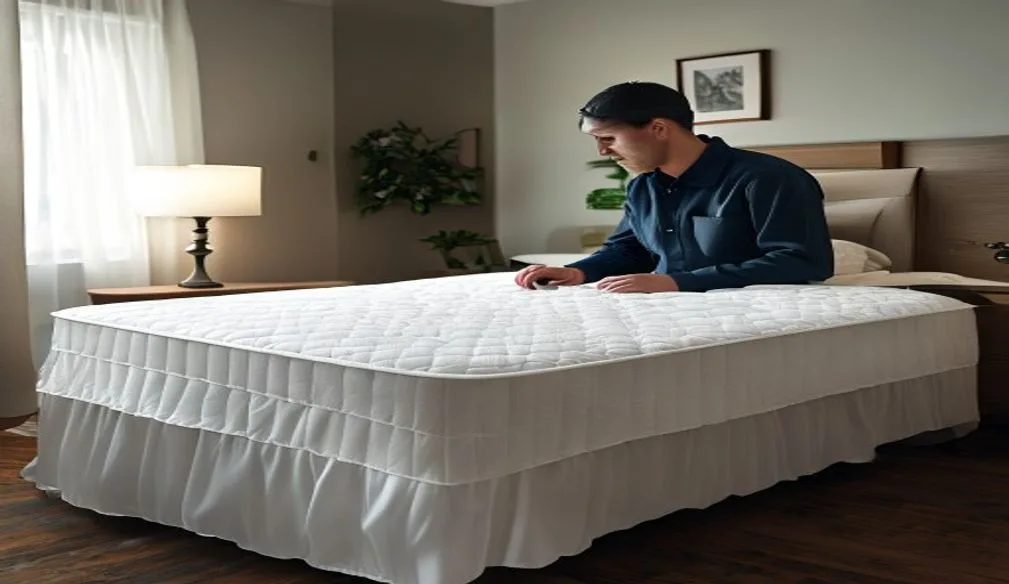
Plain white distilled vinegar will kill bed bugs on direct contact, but only under narrow conditions. The acetic acid disrupts the waxy cuticle that keeps moisture inside the insect, causing rapid dehydration. In my field work, I've seen homeowners spray vinegar enthusiastically, then wonder why live bugs appear days later on the same treated surface. The reality is that vinegar fails where bed bugs hide, and it leaves zero residual protection once the liquid evaporates.
Why Direct Contact Matters More Than Concentration
Bed bugs possess a remarkably thin, water-resistant outer layer. When vinegar pools on this surface, osmotic stress pulls fluids from the body. The bug dies—if fully coated. What I tell clients is simple: a light misting does nothing. You need saturation, and you need the bug exposed, not tucked behind a screw head or inside a box spring corner.
Household vinegar contains roughly 5% acetic acid. Higher concentrations exist—cleaning vinegars at 6%, industrial glacial acetic acid at much higher percentages—but escalation brings problems. Stronger acids damage painted surfaces, corrode metal bed frames, and degrade fabric fibers. I've inspected mattresses ruined by repeated vinegar soaking; the foam cores break down, creating new harborage where bugs thrive undisturbed.
The physics work against you. Surface tension causes vinegar to bead on smooth exoskeletons rather than spread. Bed bugs also exhibit thanatosis—death feigning—when disturbed. A sprayed bug may curl legs, appear dead, then recover hours later as its spiracles clear and moisture balance restores. I often see this misinterpreted as "vinegar doesn't work," when the truth is more frustrating: partial contact produces partial results.
Where Vinegar Fails Completely
Eggs present an insurmountable barrier. The operculum—that tiny cap sealing the egg—resists liquid penetration. Even direct spray cannot reliably reach the developing nymph inside. In my experience, egg mortality from vinegar approaches zero unless the egg is physically crushed during application, which defeats the purpose of a chemical approach.
Harborages defeat vinegar systematically. Bed bugs aggregate in compression zones: mattress tags, electrical outlet plates, carpet tack strips, hollow bed posts. These spaces shield insects from liquid contact. A single surviving female, already fertilized, can restart an infestation within weeks. I've documented cases where homeowners treated visible bugs on mattress surfaces while hundreds remained in adjacent wall voids.
What Actually Works: Heat, Physical Removal, and Exclusion
Integrated Pest Management for bed bugs relies on methods that overcome vinegar's limitations. Heat treatment stands alone in reaching harborages without requiring direct insect contact. Professional thermal remediation raises ambient temperatures to 50°C (122°F) and maintains them long enough to denature proteins throughout the structure. Eggs, nymphs, and adult bed bugs die simultaneously. I recommend professional heat treatment for established infestations; consumer space heaters lack the airflow engineering and temperature monitoring to achieve lethal conditions safely.
Steam offers a middle path. Handheld steamers delivering dry vapor at 100°C (212°F) kill on contact while penetrating fabric folds and frame joints. The key is slow, methodical movement—roughly 30 centimeters per second across seams and crevices. Too fast, and surface temperature drops below lethal thresholds. I've trained clients to use steamers effectively, but emphasize that steam treats only contacted surfaces. Deep harborage still requires complementary methods.
Vacuuming removes bugs mechanically without resistance development. A crevice tool attachment pulls insects from cracks that liquids cannot reach. Immediate disposal—sealed bag, outdoor trash—prevents escape. Mattress encasements then trap any remaining bugs inside, starving them over 12-18 months. What homeowners miss most is encasement quality; cheap vinyl tears at seams, creating new entry points. I specify laboratory-tested encasements with zipper-lock mechanisms and bite-proof fabric.
Practical Response: Tonight and This Week
If you've confirmed bed bugs, prioritize sleep protection and containment. Install encasements on mattress and box spring before any treatment—this prevents bugs from scattering deeper into the structure when disturbed. Launder bedding and recently worn clothing at 60°C (140°F) minimum, then dry on high heat for 30 minutes. The dryer, not the washer, kills eggs through sustained thermal exposure.
Reduce clutter to eliminate harborage. Cardboard boxes, fabric storage bins, and paper stacks provide ideal aggregation sites. Seal these items in heavy plastic for treatment or disposal. Inspect bed frame joints with a flashlight and credit card—slide the edge into cracks to crush and expose hidden bugs. I tell clients to focus inspection within 1.5 meters of the sleep surface; 90% of bugs remain this close despite occasional long-distance dispersal.
Monitor with interceptor traps placed under bed legs. These simple devices exploit bed bug locomotion—climbing up to feed, returning downward afterward. Traps don't eliminate infestation but reveal population trends. Increasing trap counts indicate active breeding; empty traps after treatment suggest successful suppression or, more commonly, bugs relocating to untreated furniture.
Recognizing When Professional Intervention Becomes Necessary
Professional heat treatment costs vary by structure size and infestation extent, but represents the only method with documented single-treatment elimination rates above 90% when properly executed. Chemical-only professional approaches require multiple visits and extensive preparation. I advise clients to obtain written treatment specifications and warranty terms before contracting any service.
Common Questions About Vinegar and Bed Bugs
Does vinegar repel bed bugs from treated areas?
No. The strong odor may cause temporary avoidance behavior, but bed bugs habituate to chemical cues rapidly. I've observed bugs crossing dried vinegar residues within hours of application, showing no behavioral inhibition. Repellency would actually be counterproductive—driving bugs deeper into walls and spreading infestation across rooms.
Can vinegar be combined with other household products for better results?
Mixing vinegar with bleach produces chlorine gas, a respiratory hazard. Combination with baking soda creates neutralization, not enhancement. With hydrogen peroxide, peracetic acid forms—corrosive and unpredictable. I discourage all DIY chemical mixing; the safety risks exceed any theoretical benefit, and bed bug control offers no margin for amateur chemistry errors.
Will vinegar damage my mattress or furniture?
Repeated application degrades polyurethane foam, weakens fabric dyes, and corrodes metal springs. Memory foam mattresses absorb liquid, creating internal moisture that promotes mold growth. Wood finishes may cloud or lift. The damage accumulates invisibly until structural failure or odor problems emerge—often months after the bed bug issue resolves.
How does vinegar compare to other home remedies?
| Contact Kill | Egg Kill | Residual Activity | Harbor Penetration | |
|---|---|---|---|---|
| White vinegar | Partial | None | None | Poor |
| Steam (>100°C) | Yes | Yes | None | Moderate |
| Heat treatment (professional) | Yes | Yes | None | Complete |
| Vacuum + encasement | Physical removal | Physical removal | Starvation barrier | None |
Is any vinegar concentration safe and effective for bed bugs?
No concentration solves the fundamental limitations: no residual activity, no egg penetration, no harbor access. Higher concentrations increase surface damage without proportionally improving insect mortality. In my professional assessment, vinegar belongs in the kitchen, not the pest management toolkit.
Frequently Asked Questions
What are signs of bed bugs in luggage after travel?
After travel, check luggage and nearby areas for bed bug signs such as tiny brown spots (fecal marks), pale shed skins, small eggs or eggshells, and live or flattened bugs. Early detection can help prevent establishing an infestation in your home.
How can I reduce the chance of bringing bed bugs home from travel?
Travel smart habits can lower the risk of picking up bed bugs and spreading them to your home.
- Inspect hotel rooms for live bugs, shed skins, or dark spots on mattresses and furniture.
- Keep luggage on a luggage rack away from beds and walls; consider using a hard-shell case.
- Wash and dry travel clothes on high heat as soon as possible after returning home.
- Store luggage in a sealed area for several weeks if you suspect exposure.
Early detection and careful storage help with prevention and make follow-up easier if needed.
Can bed bugs travel on my luggage after a trip?
Yes, bed bugs can hide in luggage, bags, and personal items after visiting a hotel or public space. This is a common way they move between locations.
- Inspect seams, pockets, and corners of your luggage.
- Keep bags on luggage racks or hard surfaces.
- Wash and dry travel clothes on high heat when you return home.
These steps help lower the chance of bed bugs spreading into your home.
How do you identify bed bugs in luggage after travel?
Empty your bag outdoors or over a light sheet and inspect seams, zippers, pockets, and the luggage liner with a flashlight. Look for live bugs, tiny white eggs, and dark fecal specks.
Vacuum the suitcase, wipe hard surfaces, and store it away from bedrooms until you are sure it is clear. Wash clothes on hot dry if you stayed somewhere with suspected activity.