Choosing a bed bug pest control company requires more than scanning online reviews. You need to verify credentials, understand treatment protocols, and recognize red flags that separate competent operators from quick-buck outfits. This guide walks through the verification steps I use when advising homeowners, the questions that reveal a company's true expertise, and how to interpret inspection reports before signing any contract.
Verifying Licenses, Insurance, and Certifications
General liability insurance protects your property if technicians damage furniture, flooring, or electronics during treatment. Workers' compensation coverage matters too—if a technician gets injured in your home, you don't want that liability landing on your homeowner's policy. Request certificates of insurance directly from the insurance carrier, not just photocopies from the company.
Industry certifications from organizations like the National Pest Management Association (NPMA) or state bed bug working groups indicate ongoing education. Bed bug biology and treatment methods evolve; a technician certified three years ago may not know current integrated pest management protocols. I tell clients to ask when the lead technician last attended bed bug-specific training—not general pest control seminars, but dedicated bed bug workshops or certification programs.
Red Flags in Credential Claims
Be wary of vague language like "fully certified" without naming the certifying body. Some companies display logos of manufacturers whose products they use—that's sales affiliation, not independent professional certification. Another warning sign: reluctance to provide license numbers or insurance documentation. Legitimate operators volunteer this information; evasiveness suggests problems.
Evaluating Inspection Methods and Documentation
A thorough bed bug inspection takes 45 minutes to two hours for a typical apartment or single-family home. Companies quoting 15-minute walkthroughs are cutting corners. The inspection should include visual examination of mattress seams, box springs, bed frames, upholstered furniture, baseboards, electrical outlets, and closet corners—anywhere within five feet of sleeping areas where bed bugs aggregate.
What I look for in inspection reports: detailed room-by-room findings with photographs, identification of life stages present (eggs, nymphs, adult bed bugs), and infestation severity classification. Vague reports stating "bed bugs found" without location specifics or photographic evidence make treatment planning impossible. The best companies use standardized reporting forms that track infestation metrics over time.
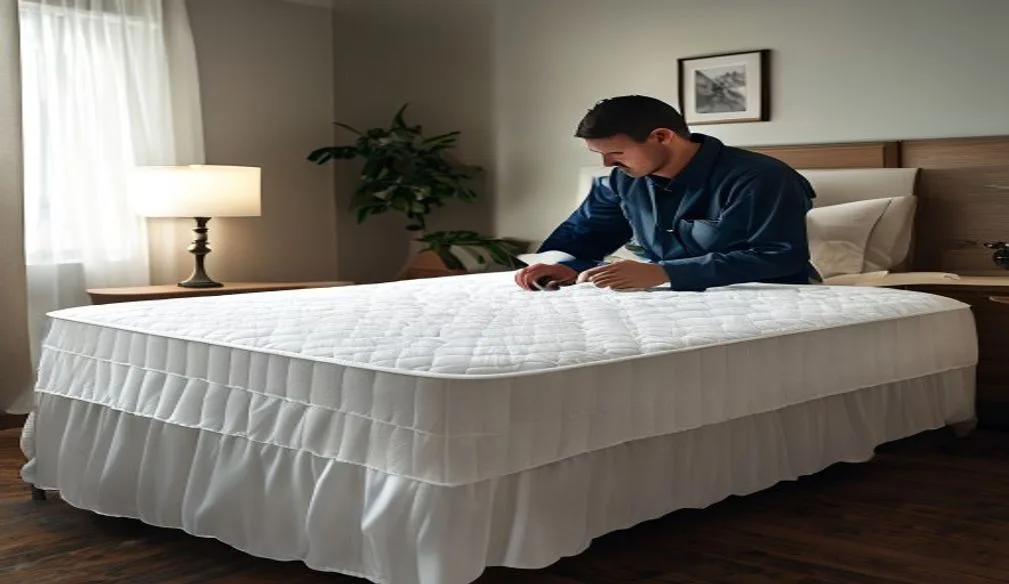
Ask whether the company uses detection tools beyond visual inspection. Mattress encasements with built-in monitoring panels, passive interceptor traps placed under bed legs, and active CO2-baited monitors all supplement human observation. No single detection method catches everything; companies relying solely on flashlight-and-magnifier inspections miss low-level infestations regularly.
Understanding Treatment Approaches and Guarantees
Reputable companies explain multiple treatment options with honest trade-offs, not one-size-fits-all solutions. Heat treatment raises ambient temperatures to 120–135°F throughout the treated space, killing all life stages including eggs. This works fastest for severe, widespread infestations but requires significant preparation—removing heat-sensitive items, ensuring proper airflow, and vacating the premises for 6–8 hours.
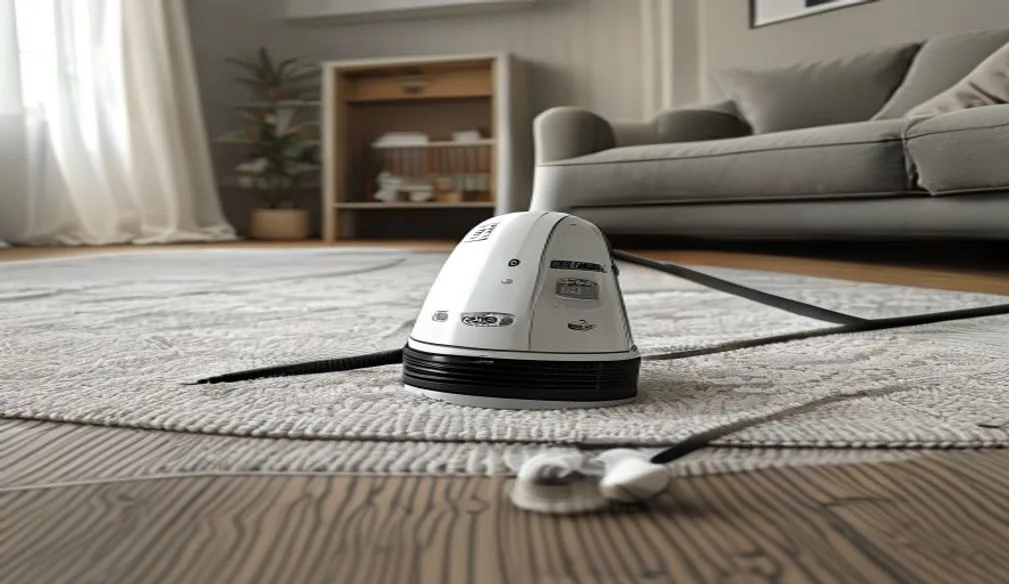
Steam treatment applies localized heat above 200°F directly to infested items. Effective for mattresses, upholstered furniture, and wall voids where whole-room heat penetration is difficult. However, steam leaves no residual protection; bed bugs migrating from untreated areas can re-infest immediately.
Vacuuming and physical removal form the foundation of any integrated approach. HEPA-filtered vacuums with sealed bags capture live bugs, shed skins, and eggs—reducing population pressure before other methods take effect. I often see homeowners skip this step, thinking chemical or heat treatment alone suffices. It doesn't. Physical removal complements every other method.
| Best For | Limitations | |
|---|---|---|
| Whole-room heat | Severe, widespread infestations; multiple rooms | Requires complete prep; no residual protection |
| Steam treatment | Mattresses, furniture, localized clusters | Labor-intensive; misses hidden harborages |
| Physical removal + encasements | Prevention, maintenance, low-level infestations | Slow for established populations; requires consistency |
Guarantee terms reveal company confidence. Look for written warranties specifying retreatment timelines, conditions that void coverage (like bringing in used furniture during the guarantee period), and whether follow-up inspections are included. Avoid companies guaranteeing elimination in one visit—bed bug biology makes this statistically unlikely for moderate-to-severe infestations.
Questions That Separate Experts From Amateurs
During estimate appointments, I advise homeowners to ask specific technical questions. How do you handle eggs cemented to fabric surfaces? (Correct answer: sustained heat or physical removal; washing alone often fails because adhesive keeps eggs attached.) What percentage of your business is bed bugs versus general pest control? (Specialists outperform generalists; bed bugs require different skills than ant or roach treatments.)
Ask about technician experience specifically. A company with 20 years in business may assign your case to someone hired last month. Request the lead technician's bed bug-specific experience level. What training did they complete? How many bed bug cases have they handled in the past year?
Preparation requirements should be detailed and written. Companies handing vague verbal instructions—"just clean up a bit"—create treatment failures when clutter blocks heat penetration or steam access. Written checklists protect both parties and establish clear expectations.
Comparing Estimates and Avoiding Pressure Tactics
Obtain at least three written estimates. Legitimate companies provide itemized quotes breaking out inspection fees, treatment costs, follow-up visits, and guarantee terms. Suspiciously low bids often exclude necessary components—follow-up inspections, mattress encasements, or warranty coverage—then add them later as "discoveries."
High-pressure sales tactics signal desperation. Same-day discounts, scare tactics about infestation spread, or demands for immediate contract signing override your due diligence. Bed bugs don't multiply fast enough to justify bypassing verification steps. Take 24–48 hours to compare credentials, check references, and review contracts.
What homeowners miss most is verifying references from similar situations. Ask for contact information from clients with comparable infestation severity and property type. A company excellent at single-family heat treatments may lack experience with multi-unit apartment protocols where reinfestation risks differ significantly.
Contract Review and Post-Treatment Expectations
Before signing, verify the contract specifies: exact treatment areas, preparation responsibilities assigned to each party, number of scheduled visits, response time for callback service, and conditions for guarantee fulfillment. Vague language like "as needed" for follow-up visits creates disputes later.
Post-treatment, expect detailed documentation of what was treated, what preparation items remain your responsibility, and monitoring protocols. Mattress encasements should stay in place 12–18 months—eggs can hatch, and encasements trap emerging nymphs. Interceptor traps under bed legs continue monitoring for 2–4 weeks minimum, longer in multi-unit buildings.
I tell clients to maintain inspection habits quarterly for the first year after treatment. Early detection of any resurgence—before it reaches the original infestation level—dramatically reduces retreatment complexity and cost. The best pest control relationships are ongoing partnerships, not single transactions.
Frequently Asked Questions
How do I identify bed bug bites vs other insect bites?
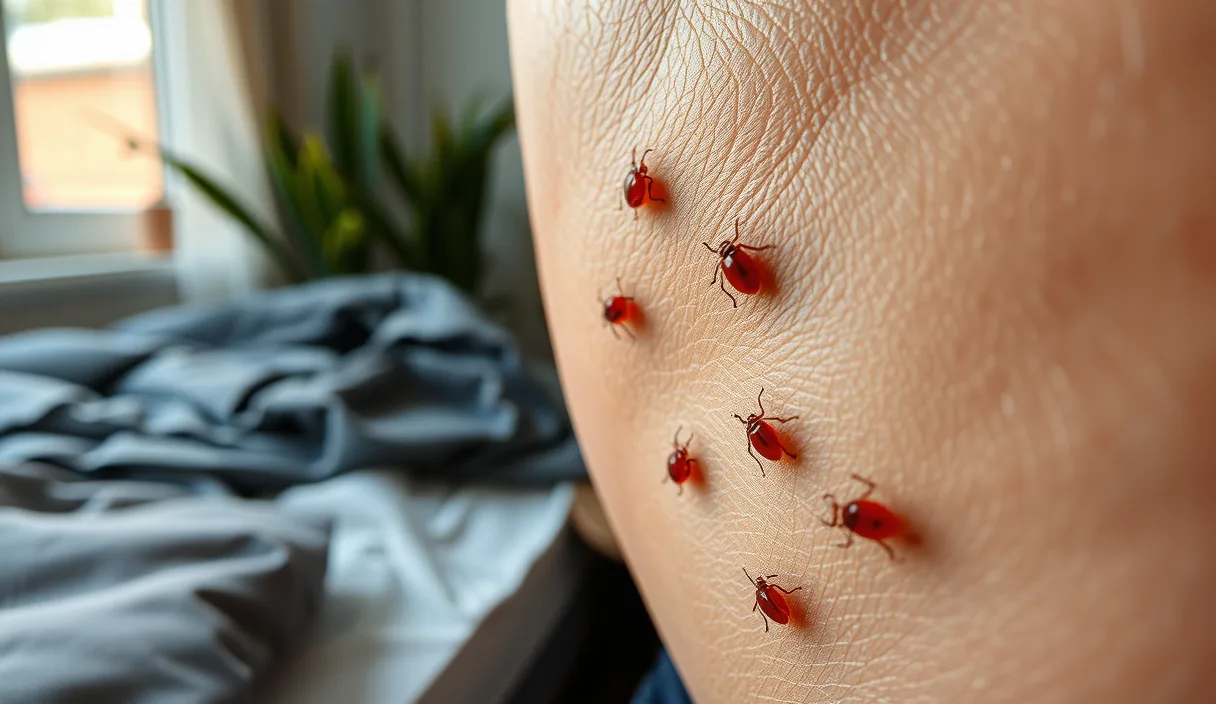
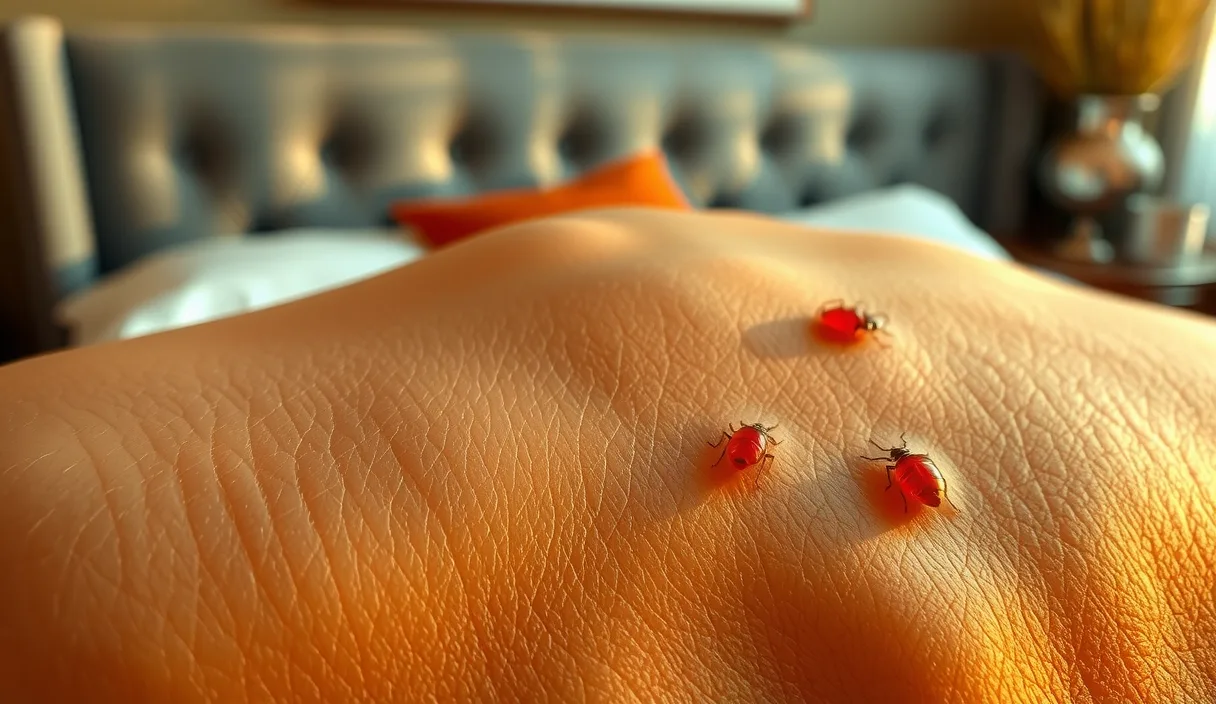
Bed bug bites often appear in a line or cluster, are intensely itchy, and may take a few days to show. Unlike flea bites, which are mainly around the ankles, bed bugs can occur on any exposed skin.
Common signs include small red bumps, possible swelling, and a central puncture mark. If you suspect bed bugs, capture a specimen or photograph bites and contact a pest professional for confirmation.
How can landlords prevent and manage bed bug infestations?
Landlords can reduce risks with clear lease clauses, routine inspections in high-turnover units, and prompt response to reports. Use integrated pest management and choose licensed professionals for inspections and treatments.
Document conditions before and after tenancy, communicate prevention steps to tenants, and coordinate with neighbors in multi-unit buildings to limit spread.
How do I prepare for a professional bed bug treatment?
Follow these steps to help a pest professional be effective and safe.
- Wash and dry infested clothing and linens on the hottest settings allowed.
- Declutter floors and surfaces to reduce hiding spots.
- Seal items you cannot treat in labeled plastic bags until they can be inspected or treated.
Discuss any health concerns or special needs with your pest control provider before treatment.
How long do bed bugs live without a blood meal?
Bed bugs can survive several months without feeding, though many live closer to 5–6 weeks under typical home conditions. Factors like temperature, humidity, and life stage influence their survival time.