If you are dealing with a bed bug infestation, you want solutions that work without spending thousands on professional exterminators. The truth is that many DIY methods fail because they do not address the biology and behavior of these insects. This article covers only DIY bed bug treatments that actually work, based on real-world experience and scientific principles. You will learn which methods kill bed bugs at every life stage, how to apply them safely, and what common mistakes to avoid.
Understanding Bed Bug Heat Tolerance
Heat is the most reliable DIY tool for killing bed bugs, but only if applied correctly. Bed bugs die at temperatures above 120°F (49°C) when exposed for a sustained period. Brief exposure to high heat does not work because the insects can survive short bursts. The key is maintaining lethal temperatures long enough to penetrate their hiding spots.
Using a Clothes Dryer for Bed Bug Elimination
The clothes dryer is one of the most effective DIY tools you own. Bed bugs, eggs, and nymphs all die when subjected to high heat for 45 to 60 minutes. Here is the correct procedure:
- Place infested clothing, bedding, curtains, and plush toys directly into the dryer on the highest heat setting.
- Run the cycle for at least 45 minutes after the load is dry. Do not stop early.
- Transfer items directly from the dryer into sealed plastic bags or bins to prevent re-infestation.
- Washing alone does not reliably kill bed bug eggs. The adhesive that cements eggs to fabric is water-resistant, and cold or warm water does not kill embryos. Heat from the dryer is what destroys them.
For items that cannot go in a dryer, such as delicate fabrics or shoes, consider using a portable heat chamber designed for bed bug treatment. These devices maintain a consistent temperature of 120°F or higher for several hours.
Steam Treatment for Furniture and Mattresses
Steam is another heat-based DIY method that works when done correctly. A steamer that produces dry steam at temperatures above 200°F (93°C) can kill bed bugs on contact. However, steam only kills what it directly reaches. Bed bugs hide deep inside mattress seams, box spring cracks, and furniture joints.
Steam Application Technique
- Use a steamer with a narrow nozzle attachment to direct steam into crevices.
- Move the nozzle slowly, about one inch per second, to ensure the heat penetrates the material.
- Focus on mattress seams, tufts, button areas, and the edges of the box spring.
- Treat the underside of furniture, behind headboards, and along baseboards near the bed.
- Allow treated areas to dry completely before covering with a mattress encasement.
Steam does not leave chemical residues, making it safe for use around children and pets. However, it does not provide any residual protection. Bed bugs that escape the steam can return later.
Mattress Encasements as a Containment Strategy
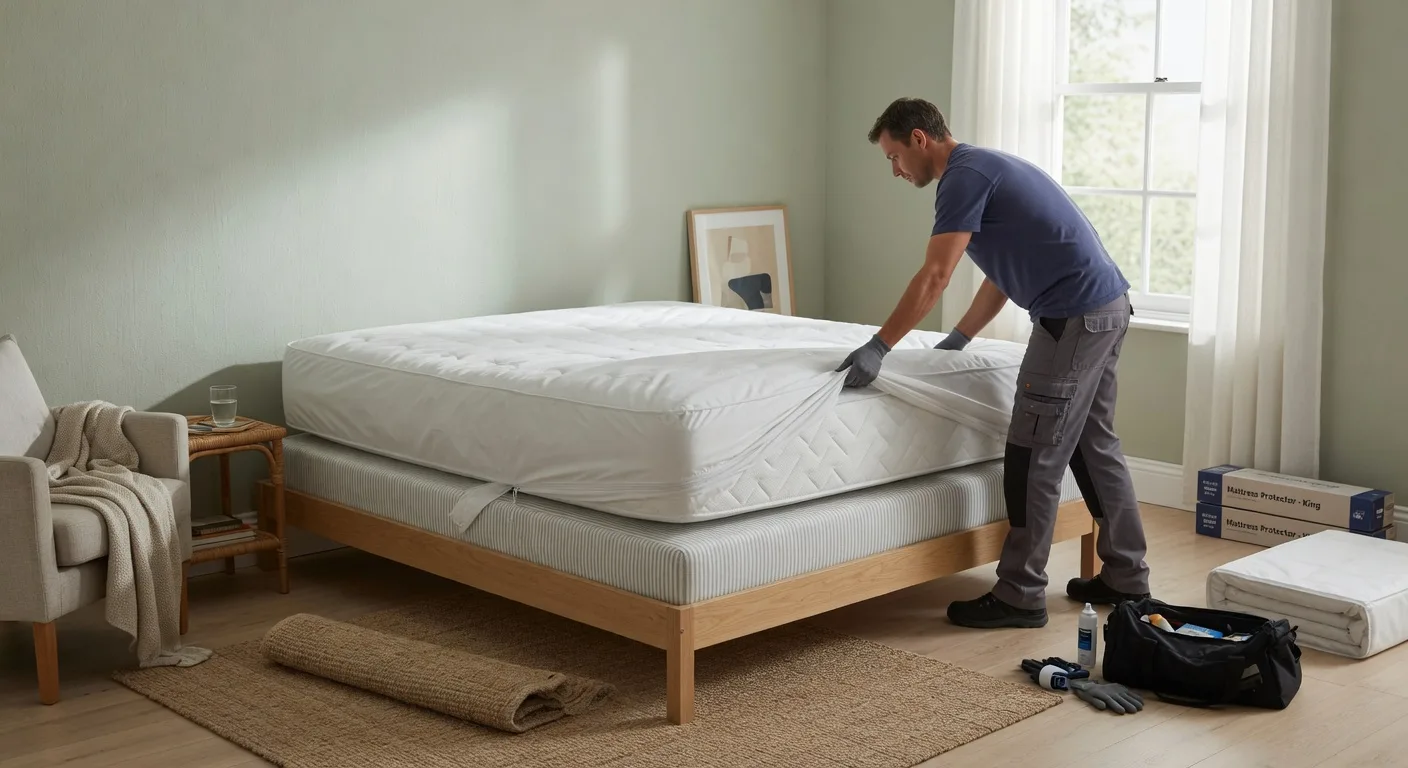
Mattress and box spring encasements are not a treatment by themselves, but they are a critical part of a DIY plan. A properly designed encasement traps existing bed bugs inside the mattress and prevents new ones from entering. The encasement must be bed bug-proof, meaning it has zippers with tight seals and fabric that bed bugs cannot bite through.
How to Use Encasements Correctly
- Select encasements specifically labeled for bed bugs, not general dust mite covers.
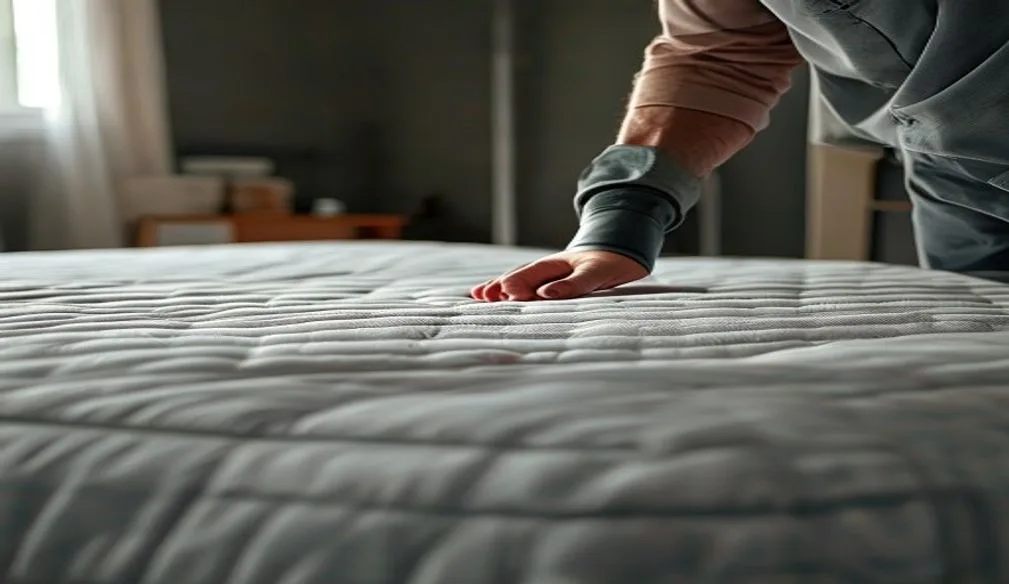
- Inspect the mattress and box spring thoroughly before encasing. Kill any visible bed bugs first.
- Place the encasement over the entire mattress or box spring and zip it shut.
- Leave the encasement in place for at least 18 months. Bed bugs trapped inside can survive up to a year without feeding, but they eventually starve.
- Do not remove the encasement during that time, even if you see no activity. Premature removal can release surviving bugs.
Diatomaceous Earth and Desiccant Dusts
Diatomaceous earth (DE) is a fine powder made from fossilized algae. It kills bed bugs by absorbing the waxy protective layer on their exoskeleton, causing them to dry out and die. This method works slowly, often taking days to weeks, but it can be effective when applied correctly.
Application Guidelines for DE
- Use only food-grade diatomaceous earth. Pool-grade DE is chemically treated and dangerous to inhale.
- Apply a thin, barely visible layer of dust in areas where bed bugs travel: along baseboards, behind headboards, under furniture legs, and inside electrical outlets (remove the cover plate first).
- Do not pile DE in thick mounds. Bed bugs avoid walking through heavy dust. A light dusting is more effective.
- Wear a dust mask during application to avoid inhaling the fine particles.
- Keep DE away from children and pets. While food-grade is less toxic, inhalation can still cause respiratory irritation.
Silica gel dust is a more effective alternative to DE. It works faster and remains effective even in humid conditions. Products like CimeXa are made from amorphous silica gel and are specifically designed for bed bug control.
Vacuuming as a Mechanical Removal Tool
Vacuuming removes live bed bugs, eggs, and shed skins from surfaces. It is not a standalone treatment because it does not kill bed bugs hiding deep inside cracks, but it reduces the population and removes debris that can protect them from other treatments.
Vacuuming Best Practices
- Use a vacuum with a HEPA filter to prevent captured bed bugs from escaping back into the room.
- Vacuum the mattress seams, box spring edges, bed frame joints, headboard, and baseboards.
- Empty the vacuum canister or bag immediately after each use. Seal the contents in a plastic bag and dispose of it in an outdoor trash bin.
- Vacuum daily during active treatment to remove newly hatched nymphs and any bed bugs that survive other methods.
Common DIY Mistakes That Waste Time and Money
Many people attempt DIY treatments that are ineffective or counterproductive. Avoid these common errors:
| Why It Fails | |
|---|---|
| Using bug bombs or foggers | Foggers do not penetrate cracks and crevices where bed bugs hide. They can also scatter bed bugs to other rooms. |
| Applying rubbing alcohol | Alcohol kills bed bugs on direct contact but evaporates too quickly to reach hidden bugs. It is also highly flammable and dangerous indoors. |
| Throwing away furniture prematurely | Discarded furniture can spread bed bugs to neighbors. Treatment is often cheaper and more effective than replacement. |
| Using cold temperatures | Freezing requires sustained temperatures below 0°F (-18°C) for several days. Home freezers rarely achieve this consistently. |
| Over-relying on essential oils | Essential oils like tea tree or lavender have minimal repellent or killing effects. They are not a reliable treatment. |
Inspection and Monitoring After Treatment
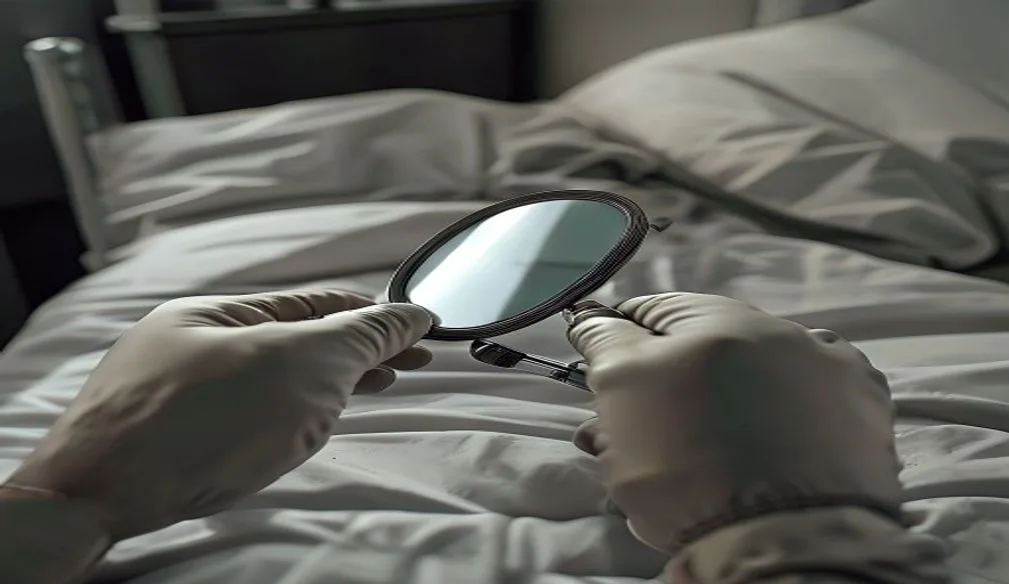
After applying DIY treatments, you must verify that the infestation is eliminated. Bed bugs are skilled at hiding, and a single surviving female can restart the population.
What to Look For
- Live bed bugs: small, reddish-brown, apple-seed-sized insects.
- Fecal spots: dark, rust-colored stains on mattress seams, sheets, and baseboards.
- Shed skins: translucent, empty exoskeletons left behind as nymphs grow.
- Eggs: pearl-white, about 1 mm long, cemented to fabric or wood surfaces. They do not brush off easily and require scraping to remove.
Use interceptors under bed legs to trap bed bugs attempting to climb onto the bed. Check these traps weekly. If you find no bed bugs for two consecutive months, the treatment is likely successful.
When to Call a Professional
DIY treatments work best for small, localized infestations caught early. If you have a large infestation spanning multiple rooms, or if you have tried the methods above for several weeks without success, professional intervention is necessary. Licensed pest control operators have access to industrial-grade heat equipment, targeted insecticides, and canine inspection teams that can locate hidden infestations with high accuracy.
Do not feel that calling a professional is a failure. Bed bugs are among the most difficult household pests to eliminate, and even experienced DIYers sometimes need help.
Frequently Asked Questions
Can I use a space heater to kill bed bugs?
Space heaters are not recommended for whole-room treatment. They cannot raise the temperature of the entire room to a lethal level evenly, and they pose a serious fire risk when left unattended. Professional heat treatment uses specialized equipment to circulate heat safely.
Does washing clothes kill bed bug eggs?
Washing alone does not reliably kill bed bug eggs. The adhesive that cements eggs to fabric resists water, and the water temperature in a standard wash cycle is not high enough to kill embryos. The dryer on high heat for 45 to 60 minutes is the only reliable laundry method for egg destruction.
How long do bed bug eggs take to hatch?
Bed bug eggs hatch in 6 to 10 days at room temperature. Cooler temperatures slow development, while warmer temperatures speed it up. This is why repeated treatments at two-week intervals are necessary to catch newly hatched nymphs.
Can I see bed bug eggs with the naked eye?
Yes, bed bug eggs are visible without magnification. They are about 1 mm long, pearl-white, and usually found in clusters. However, they are easily mistaken for lint, fabric pilling, or dried detergent residue. Close inspection with a bright flashlight helps distinguish them.
Is it safe to sleep in the bed during treatment?
Yes, you should continue sleeping in the treated bed if possible. Bed bugs are attracted to the carbon dioxide you exhale, so keeping the bed as a bait site helps them travel through treated areas. Use mattress encasements and interceptors to protect yourself while treatments take effect.
Frequently Asked Questions
What should I do before a professional heat treatment?
Preparation is key to effective heat treatment. Remove or securely bag items that could be damaged by heat, and follow all instructions provided by your pest control company.
Typical steps include decluttering, washing and drying fabrics on high heat, and keeping treated areas accessible. Do not apply DIY pesticides before heat treatment, as they can be dangerous and reduce effectiveness.
How do I prepare for a professional bed bug treatment?
Follow these steps to help a pest professional be effective and safe.
- Wash and dry infested clothing and linens on the hottest settings allowed.
- Declutter floors and surfaces to reduce hiding spots.
- Seal items you cannot treat in labeled plastic bags until they can be inspected or treated.
Discuss any health concerns or special needs with your pest control provider before treatment.
How can I confirm bed bugs are gone after treatment?
Use a combination of monitoring methods over several weeks.
- Place interceptors on bed legs and check for trapped insects.
- Inspect common hiding spots with a flashlight and magnifier if available.
- Look for new cast skins, tiny dark spots (fecal stains), or live bugs.
Continue monitoring and follow up with your pest professional if signs return.
What are practical DIY bed bug prevention steps?
These low-risk habits can reduce the chance of bed bugs spreading in your home.
- Inspect secondhand furniture thoroughly before bringing it indoors.
- Use a protective encasement on mattresses and box springs and zip pillow protectors.
- Reduce clutter where bed bugs can hide and vacuum floors regularly.
Combine prevention with early detection; consider professional help if you find signs.