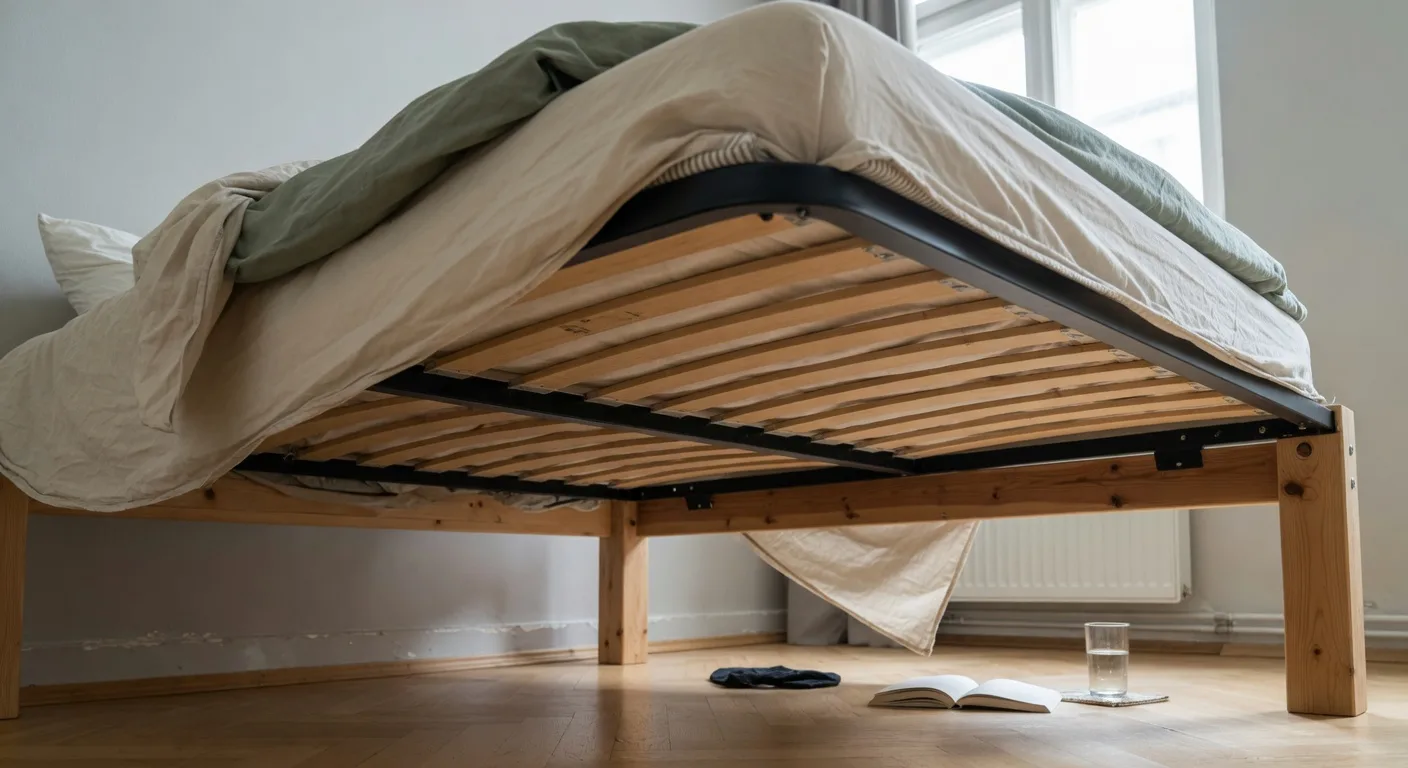
When you're dealing with a bed bug infestation, cleaning the bed frame is not optional — it's a critical step that can determine whether your treatment succeeds or fails. Bed bugs are expert hiders, and the bed frame, with its joints, cracks, screw holes, and fabric-covered panels, offers dozens of harborage sites. A thorough, methodical cleaning of the frame eliminates live bugs, eggs, and the protective residue they leave behind. This article walks you through the complete process, from preparation through final inspection, using techniques that experienced pest control technicians rely on.
Why the bed frame is a primary target
Bed bugs are thigmotactic — they prefer tight, narrow spaces where their bodies are in contact with both surfaces. A bed frame provides exactly this environment. The joints where wood or metal pieces meet, the underside of slats, the corners of headboards, and any fabric covering are all prime real estate. Even a simple metal frame has hollow legs and rivet holes where bugs can hide. If you treat only the mattress and box spring while ignoring the frame, you leave behind a reservoir that will reinfest the bed within days.
Preparation before you start cleaning
Before you touch the bed frame, you must prepare the room and gather your tools. This is not a job you want to do twice because you missed a step.
Clear the area
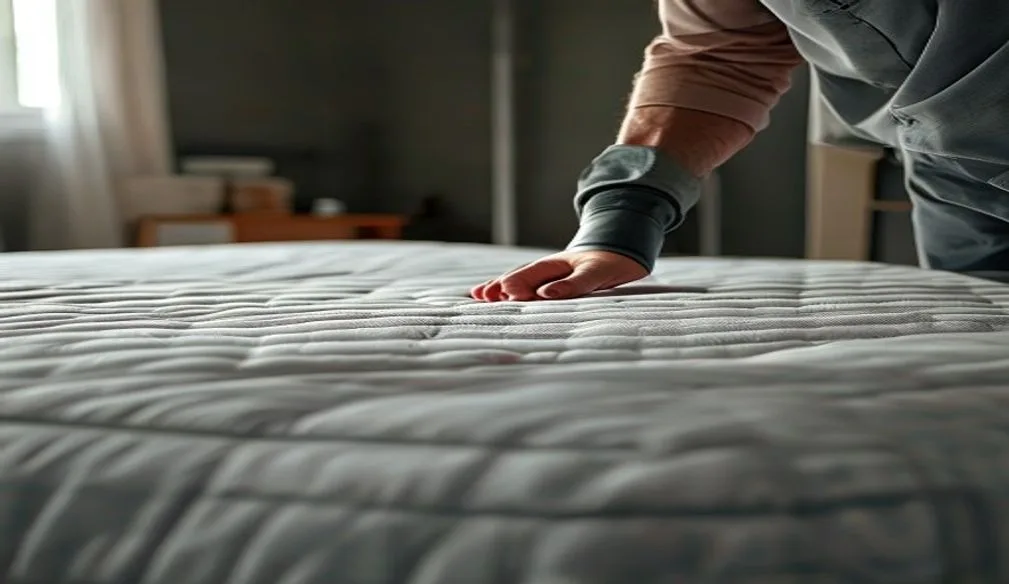
- Strip all bedding and remove the mattress and box spring from the frame. Lean them against a wall in a cleared area of the room, or better yet, move them to a different room if you can.
- Remove any items stored under the bed. Bag them in sealed plastic bags and set them aside for inspection or heat treatment.
- Vacuum the floor around the bed base thoroughly, paying attention to baseboards and corners.
Gather your equipment
- A stiff-bristled brush (small, like a grout brush or an old toothbrush)
- A vacuum cleaner with a crevice tool and a HEPA filter
- Isopropyl alcohol (70% or higher) in a spray bottle — this kills bed bugs on contact and dries quickly
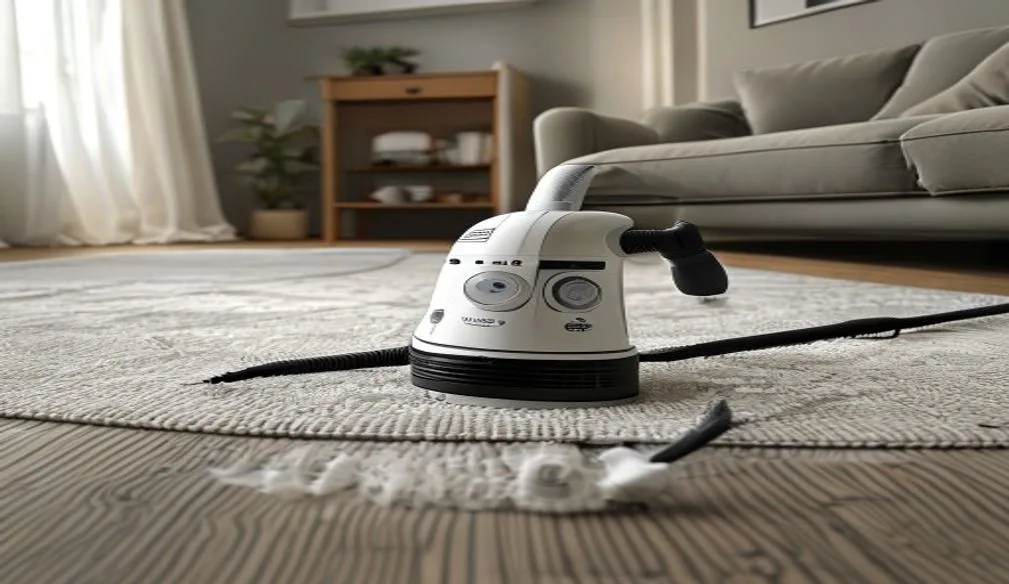
- Steam cleaner capable of reaching 120°F (50°C) at the nozzle — dry steam is best
- Plastic scraper or putty knife for dislodging cemented eggs
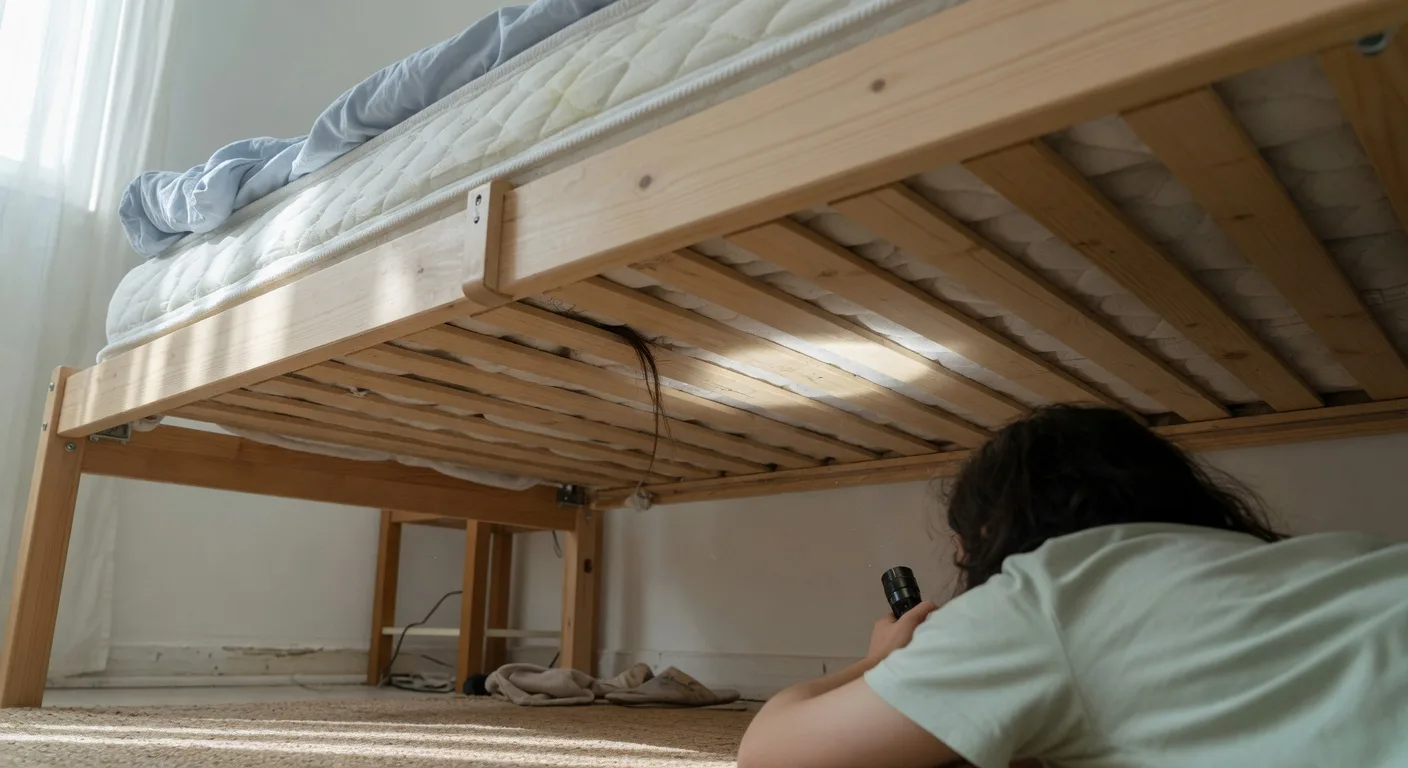
- Flashlight with a bright, focused beam
- Disposable gloves and a respirator or N95 mask if you are sensitive to dust or chemicals
Step-by-step cleaning process for the bed frame
Disassemble the frame as far as possible
You cannot clean a bed frame effectively when it is fully assembled. Remove the headboard, footboard, side rails, slats, and any brackets or bolts. Lay each piece flat on a protected surface so you can access every surface. This is also the time to inspect each component individually — a bug hiding in a bolt hole will stay there if you never expose the hole.
Dry brushing and scraping
Before you apply any liquid or steam, use the stiff brush to scrub every joint, groove, crack, and crevice. This mechanical action dislodges bed bugs, loosens eggs that are cemented in place, and breaks up the sticky residue that bugs leave behind. Pay special attention to:
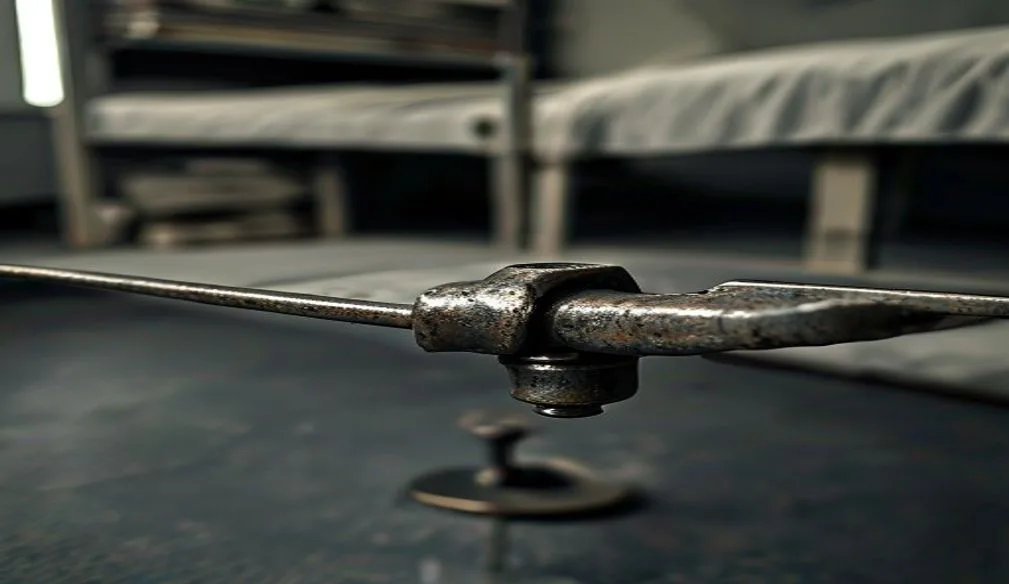
- Mortise and tenon joints on wooden frames
- Metal frame rivets and screw heads
- Fabric or upholstered panels on headboards — brush along the seams and edges
- Slat ends where they rest on the frame ledge
- Any area where two pieces of wood or metal meet
After brushing, use the plastic scraper to gently lift any eggs that are still attached. Bed bug eggs are glued firmly to surfaces with a cement-like substance, so they won't brush off easily. The scraper helps break that bond without damaging the frame finish.
Vacuum everything
Attach the crevice tool to your vacuum and go over every surface you just brushed. Vacuum inside hollow metal legs, along the underside of rails, and into every gap you can reach. The goal is to remove the debris, dead bugs, and loose eggs before you move to wet cleaning. Empty the vacuum canister or discard the bag immediately into a sealed plastic bag and take it outside.
Steam treatment
Steam is one of the most effective non-chemical tools for bed bug elimination. The high temperature kills bugs and eggs on contact, and the moisture helps dissolve the adhesive that holds eggs in place. Use a steamer that produces dry steam at a minimum of 120°F (50°C) at the nozzle. Move the steamer slowly — about one inch per second — along every surface of the frame. Do not rush; the heat needs time to penetrate. Focus on:
- All joints and seams
- Upholstered areas of headboards
- Inside any hollow sections
- Underneath brackets and hardware
Allow the frame to dry completely before reassembling. This usually takes 30 to 60 minutes depending on humidity and ventilation.
Alcohol wipe-down (optional but effective)
After the frame is dry, you can spray isopropyl alcohol onto a clean cloth and wipe down all surfaces. Alcohol kills bed bugs quickly on contact and evaporates without leaving residue. Do not spray alcohol directly onto electrical components or near open flames. This step is especially useful for metal frames where steam may not have reached every hidden crevice.
What to do with fabric-covered bed frames
Many modern bed frames have fabric panels, especially on headboards and footboards. Fabric is a bed bug magnet — the bugs can crawl into the fabric backing and lay eggs in the folds. If the fabric is removable and machine-washable, wash it on hot water and dry on high heat for at least 60 minutes. If it is not removable, use the steamer thoroughly on the fabric side, then vacuum with a brush attachment. In severe infestations, you may need to discard the fabric panel and replace it with a smooth, non-porous material.
Treatment of frame hardware and accessories
Don't forget the small parts. Bolts, screws, brackets, and glide caps can all harbor bed bugs. Remove any hardware that can be taken off. Soak metal hardware in a container of hot water and dish soap for 30 minutes, then scrub with a brush. Plastic parts can be wiped down with alcohol or placed in a freezer at 0°F (-18°C) for four days if heat treatment is not possible. Dry all hardware thoroughly before reassembly.
When to replace the bed frame
Not every bed frame can be saved. If the frame is heavily infested, has deep cracks or crevices that cannot be cleaned, or is made of cheap particleboard that absorbs moisture and bug debris, replacement may be the smarter choice. Signs that a frame should be replaced include:
- Visible bed bug activity inside the frame after two cleaning attempts
- Extensive fabric damage or delamination
- Rust or rot that compromises structural integrity
- Inability to disassemble the frame for thorough cleaning
If you do replace the frame, dispose of the old one in sealed plastic bags or wrap it in plastic sheeting before carrying it out. Do not set it on the curb uncovered — you will spread the infestation to neighbors.
Post-cleaning prevention
Once the frame is clean and dry, take steps to prevent reinfestation. Apply a bed bug-proof encasement to the mattress and box spring. Install interceptor cups under the legs of the bed frame — these trap bugs trying to climb up from the floor. Seal any cracks in the frame with caulk or wood filler, especially on wooden frames. Consider using a bed bug monitoring system that alerts you to early activity.
Common mistakes to avoid
- Using bleach or ammonia: These can damage finishes and do not kill bed bug eggs reliably. They also produce fumes that are dangerous in enclosed spaces.
- Relying only on sprays: Sprays do not penetrate into deep crevices where bugs hide. Mechanical cleaning and heat are far more effective.
- Skipping the underside: Many people clean only the top and sides of the frame. The underside, especially of slats and rails, is a common hiding spot.
- Reassembling too soon: If the frame is still damp from steam or alcohol, you risk trapping moisture that can lead to mold. Let everything dry completely.
| Effectiveness on bugs | Effectiveness on eggs | Drying time | Surface damage risk | |
|---|---|---|---|---|
| Dry brushing and scraping | Moderate (dislodges bugs) | High (breaks adhesive bond) | None | Low |
| Vacuum with crevice tool | High (removes bugs) | Moderate (removes loose eggs) | None | None |
| Steam at 120°F+ | Very high (kills on contact) | Very high (kills embryos) | 30-60 minutes | Low on sealed wood; moderate on fabric |
| Isopropyl alcohol wipe | High (kills on contact) | Low (may not penetrate glue) | 5-10 minutes | Low on metal; may damage some finishes |
| Hot water soak (hardware only) | Very high | Very high | N/A | None on metal |
Frequently asked questions
Can I just spray the bed frame and call it done?
No. Sprays alone rarely eliminate a bed bug infestation because they do not reach bugs hiding deep in cracks or inside hollow frame sections. Mechanical cleaning, heat, and thorough inspection are essential. Sprays can be a useful secondary tool, but they should never be your only method.
How long should I wait before using the bed again after cleaning?
Allow the frame to dry completely — at least one hour after steam cleaning, or 30 minutes after alcohol wiping. Then reassemble the frame, install interceptors, and put the mattress and box spring back with encasements. You can sleep on the bed the same night if everything is dry and properly set up.
Will washing the bedding kill bed bugs on the frame?
Washing bedding is important, but it does nothing for the frame itself. Bed bugs on the frame are not removed by laundering sheets. You must clean the frame separately using the steps above. Washing also may not dislodge eggs that are cemented to fabric — the high heat of a dryer is what kills the embryos.
What temperature kills bed bug eggs on a bed frame?
Sustained heat of 120°F (50°C) or higher kills bed bug eggs. Steam at this temperature works well because it transfers heat directly to the egg surface. Dry heat from a space heater is less effective because it takes longer to penetrate into cracks. The key is sustained temperature — brief exposure may not kill all embryos.
Should I throw away the bed frame after a bed bug infestation?
Not necessarily. Many bed frames can be saved with thorough cleaning. However, if the frame is heavily infested, has deep crevices that cannot be cleaned, or is made of porous material like particleboard, replacement may be more practical. Evaluate the frame after your first cleaning attempt — if you still see signs of bed bugs, consider replacing it.
Your next steps
Cleaning the bed frame is one part of a comprehensive bed bug treatment plan. After you finish, inspect the surrounding area — baseboards, nightstands, and any furniture within a few feet of the bed. Treat those areas with the same thoroughness. Monitor the bed frame weekly for at least a month using interceptors and visual inspections. If you see any new signs of bed bugs, repeat the cleaning process immediately. For severe or recurring infestations, contact a licensed pest control professional who can apply heat treatment or targeted insecticides that are not available to the public.
Frequently Asked Questions
What does a bed bug infestation smell like?
Heavy infestations may produce a sweet, musty odor described as similar to berries or coriander. This scent comes from scent glands and is more noticeable when bugs are disturbed or clustered.
How can landlords prevent and manage bed bug infestations?
Landlords can reduce risks with clear lease clauses, routine inspections in high-turnover units, and prompt response to reports. Use integrated pest management and choose licensed professionals for inspections and treatments.
Document conditions before and after tenancy, communicate prevention steps to tenants, and coordinate with neighbors in multi-unit buildings to limit spread.
How can I identify an active bed bug infestation early?
Look for small blood spots on sheets, dark speck-like droppings, and tiny pale eggs or shed skins. A musty sweet odor can also signal a larger infestation.
How do bed bug interceptors and monitors help manage infestations?
These devices trap bed bugs moving between harborages and beds, helping monitor activity and confirming whether treatments are reducing populations over time.