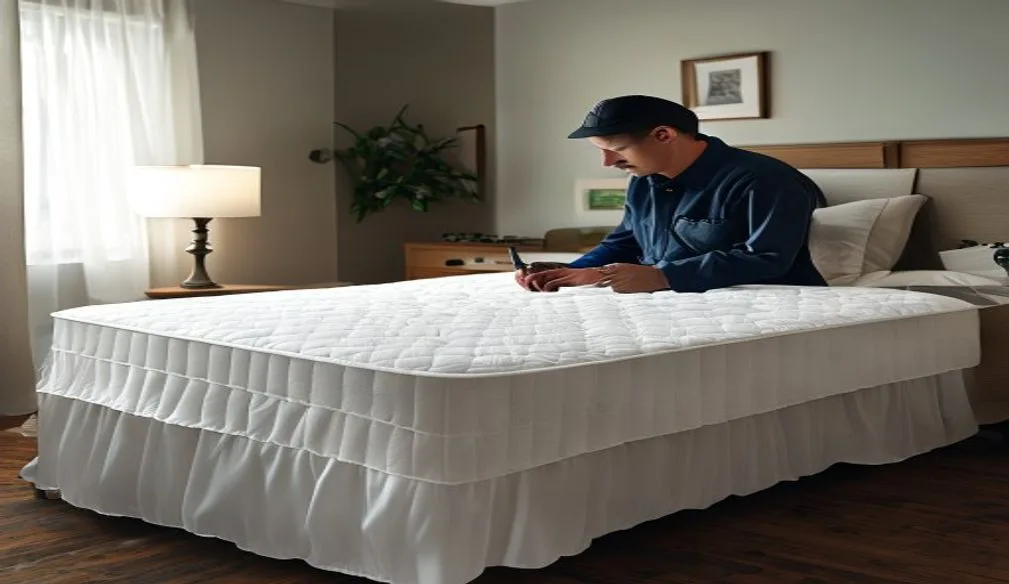
Heat treatment and integrated pest management (IPM) give homeowners a non-chemical path through a bed bug problem, but only when the prep, the monitoring, and the follow-through are done right. After twenty-plus years of clearing units from studios to single-family rentals, I can tell you the homeowners who win the fight treat it like a project, not a panic. The rest throw money at the wrong thing and sleep on the couch for three months.
What "heat treatment" actually means in a home
Whole-room heat treatment is not a space heater, a hair dryer, and a closed bedroom door. Professional heat rigs push air temperature into the 120°F to 135°F range and hold it for several hours, with remote sensors logging real-time readings in multiple spots. The point is to raise the *core* temperature of every object in the room — mattress, box spring, baseboards, dresser interiors, picture frames — past the thermal death point for every life stage.
In my field work, the failures I see all share one cause: cold spots. A baseboard gap behind a dresser, the inside of a wall void, the bottom of a stacked laundry basket. Bugs survive there, hatch weeks later, and the homeowner thinks the heat "didn't work." Heat works. Preparation determines whether it works in *your* room. If you hire a heat contractor, ask to see the post-treatment temperature logs from every probe. A reputable company shares them without being asked.
Heat also has a place in your laundry room that doesn't require a contractor. A household clothes dryer on high heat, run for a full thirty minutes, reliably kills all life stages on washable items. The washer alone rarely holds lethal temperatures long enough — eggs are cemented to fabric and surprisingly tolerant of a cool cycle. The dryer is the workhorse. Bag cleaned items in sealed plastic and keep them isolated until the unit is verified clear.
The IPM framework homeowners can actually run
Integrated pest management is a sequence, not a product. Inspection first, then containment, then mechanical control, then monitoring, then professional verification. Skip a step and the chain breaks. I tell clients to think of it as five phases, each with a clear deliverable.
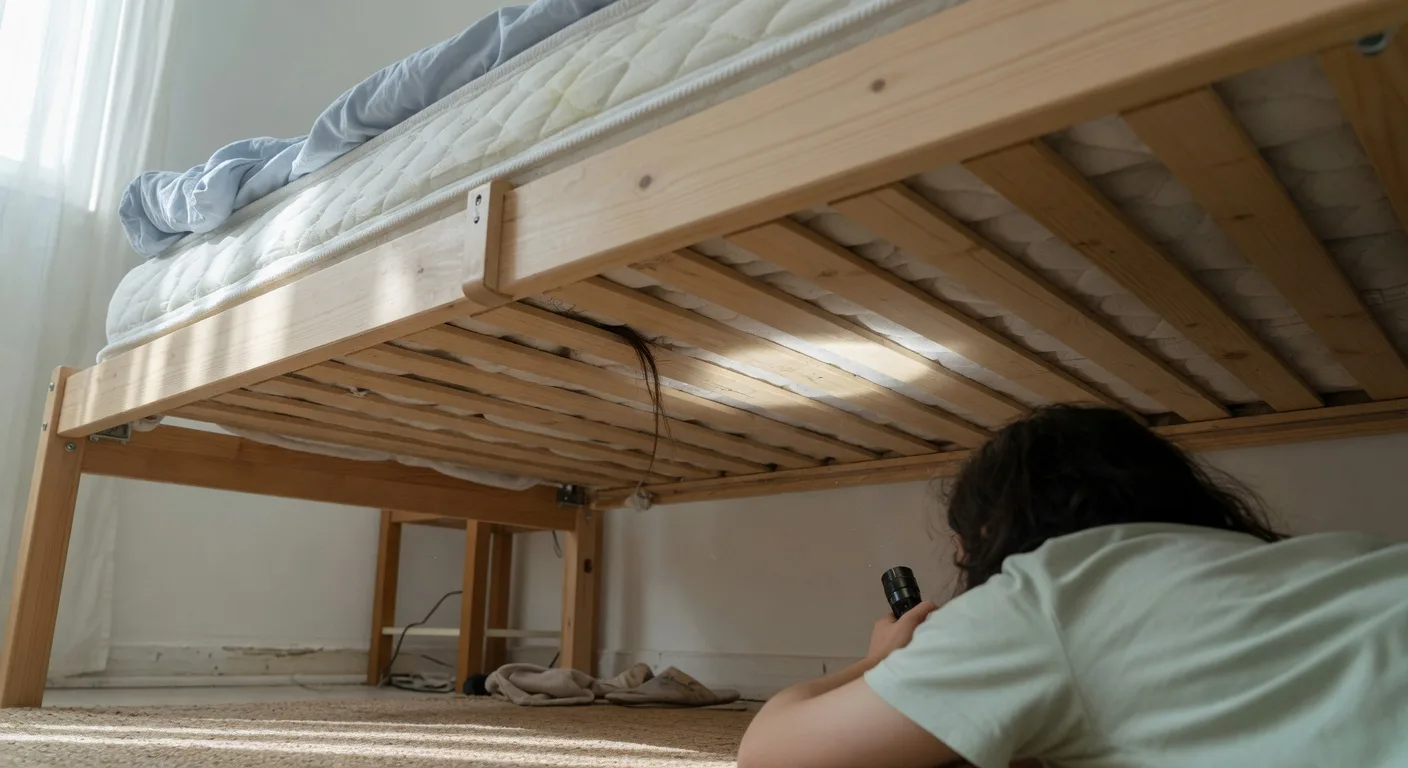
Phase one is inspection. You are looking for physical evidence — fecal spotting on mattress piping, shed skins in box spring corners, live bugs along frame joints, and pearly rice-grain eggs cemented into seams. A flashlight held at a low angle catches fecal spots that disappear under overhead light. A thin card run along piping dislodges bugs hiding in folds. Don't trust bites as your indicator. Skin reactions are unreliable; I've seen heavy infestations with zero visible marks and light infestations where every bite lit up.
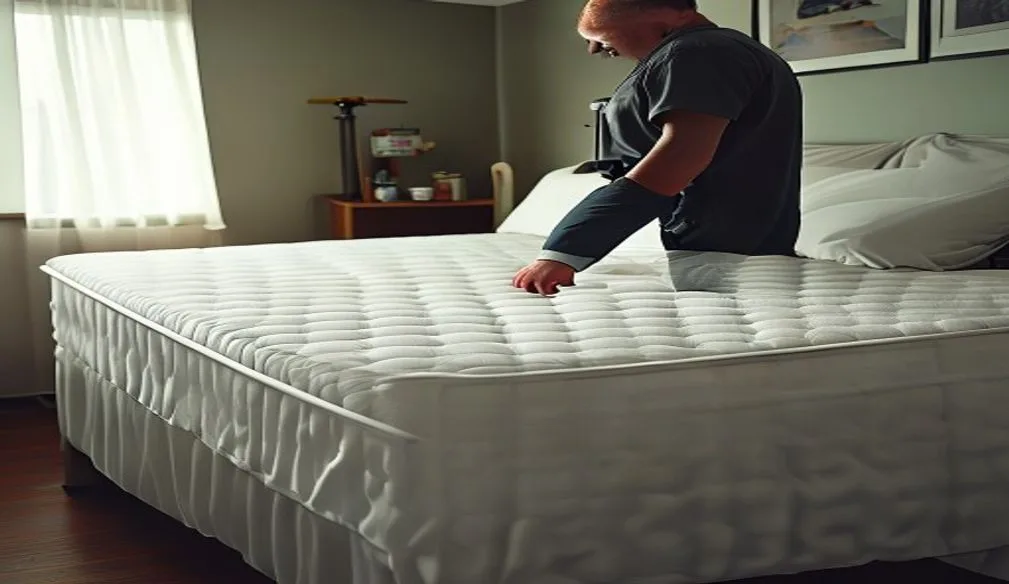
Phase two is containment. Encase the mattress and box spring in a lab-tested, bed-bug-proof cover with a sealed zipper, and leave it on for at least eighteen months. Any bug trapped inside starves; any bug outside can't penetrate the zipper. Vacuum thoroughly with a crevice tool, immediately seal the vacuum bag in a plastic bag, and discard it in an outdoor receptacle. Reduce clutter. Every paper stack and laundry pile is a potential harbor, and clutter is what turns a two-week project into a two-month one.
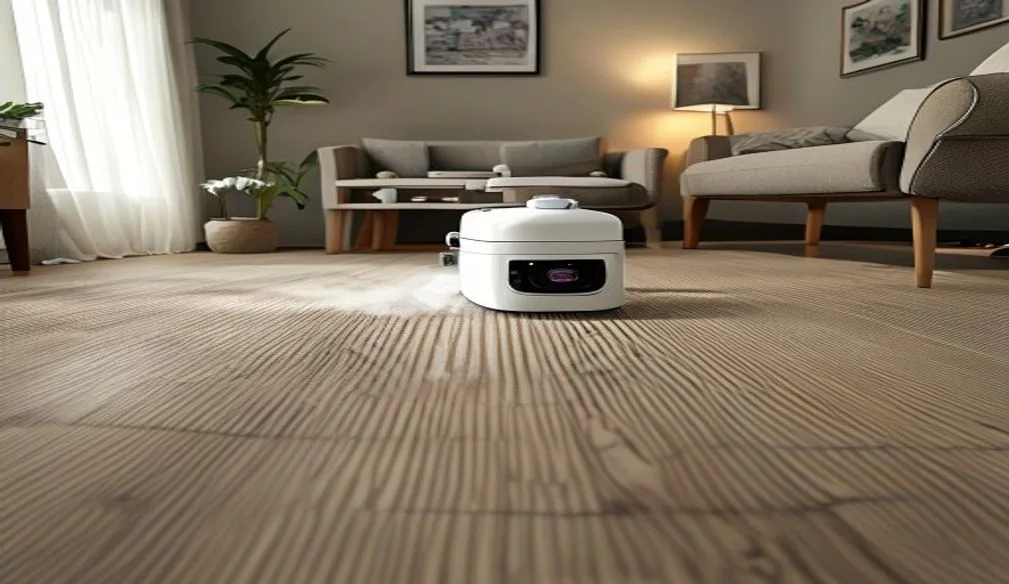
Phase three is mechanical control. Steam from a dry-steam unit kills on contact — move slowly, about one inch per second, and hit every seam, tuft, and staple line. Steam is a contact tool, not a whole-room cure. It doesn't reach inside walls. Use it on the mattress, the box spring, the upholstered headboard, and the visible harbor sites you found in phase one.
Phase four is monitoring. Place climb-up interceptors under every bed leg and sofa leg, and leave them for at least sixty days. Empty them weekly into a white tray so you can see translucent first-instar nymphs against a light background. Passive monitors and CO2-baited traps supplement interceptors in living areas where people sit still.
Phase five is professional verification. Even if you do everything else yourself, a licensed pest management professional should confirm clearance in writing before you consider the unit clear. Ask for their inspection protocol, their re-treatment policy, and whether they use monitors to verify — not just a visual walk-through.
Comparing the non-chemical tools a homeowner can use
| What it kills | Where it works | Main limitation | |
|---|---|---|---|
| Whole-room professional heat | All life stages if core temp is held | Entire room contents | Cold spots behind furniture or in voids |
| Clothes dryer (high heat, 30 min) | All life stages on fabric | Bedding, clothing, curtains, plush items | Only works on items that fit in the dryer |
| Dry steam (contact) | All life stages on direct contact | Mattress seams, box spring, upholstery | No penetration into walls or deep voids |
| Vacuum with crevice tool | adult bed bugs, Nymphs, some eggs | Mattress surface, baseboards, furniture seams | Doesn't reach bugs cemented deep in fabric |
| Mattress/box spring encasement | Trapped bugs starve over months | Mattress and box spring only | Doesn't kill bugs elsewhere in the room |
| Climb-up interceptors | Captures traveling bugs | Under bed and sofa legs | Detection tool, not a control tool |
What I tell clients before the contractor arrives
Preparation is half the job. Pull every piece of furniture away from the walls. Empty dresser drawers and stand them so air can circulate inside. Remove items from closet floors. Take everything off the walls — picture frames, clocks, mirrors. Heat needs airflow, and airflow needs space. Anything that traps a pocket of cool air becomes a survival zone.
Electronics, candles, aerosol cans, and anything heat-sensitive should be removed before the rig runs. Pets, plants, and people should be out of the unit. The contractor will run the cycle, log temperatures, and return for a follow-up inspection. Don't move anything back into place until they've confirmed the room reached target temps in every probe location.
What I often see go wrong: the homeowner stays in the unit during treatment, or moves back in before the follow-up. Both are mistakes. Heat treatment is a one-shot event. A single cool pocket undoes it.
Humidity, airflow, and what they actually do
Bed bugs don't care about humidity the way dust mites do. They tolerate a wide range, and chasing a specific relative humidity number won't solve an infestation. What humidity and airflow *do* affect is the success of heat treatment. Higher humidity helps carry heat into dense materials, which is why professional rigs often introduce moisture as part of the cycle. Airflow matters more — it moves heat into the gaps and voids where bugs hide.
In a home without professional heat, you can still use airflow strategically. Box fans pointed into closets and dresser interiors help steam and dryer-heated air penetrate. Cracks and gaps in baseboards, around electrical plates, and along window frames can be sealed to limit bug travel between rooms. Sealing doesn't kill anything; it slows reinfestation and gives your monitoring tools time to catch survivors.
Monitoring after treatment is non-negotiable
Clearance is a timeline, not a moment. Eggs hatch in six to ten days at room temperature. Nymphs need a blood meal before each of five molts. Sixty days of clean interceptors covers two full generations. Stop at week three and a single missed egg hatch restarts the cycle.
I tell clients to keep interceptors under every bed and sofa leg for the full sixty days, empty them weekly, and photograph anything they catch. A licensed pest professional should perform a follow-up inspection at the end of that window. If interceptors stay clean for sixty days *and* the professional inspection finds no evidence, the unit is clear.
Travel and re-entry habits that prevent reinfestation
Most of the infestations I see started with a suitcase. Hard-shell luggage, kept off the bed and off upholstered furniture, cuts the risk sharply. Use the luggage rack — metal if possible. Pull back the hotel sheets and inspect the mattress piping before you set anything down. Keep worn clothing in sealed plastic bags inside the suitcase until it goes straight into the washer or the dryer at home.
When you return, vacuum the empty suitcase with the crevice tool, seal the vacuum bag, and store the case away from the bedroom. Five minutes of inspection at the hotel saves months of work at home. Price doesn't correlate with cleanliness — I've seen luxury resorts with activity and budget motels that were spotless.
Common mistakes homeowners make with heat and IPM
Throwing out the mattress without encasing the box spring. The box spring is the primary harbor in most of my inspections. Sleeping in another room to "starve them out" — they follow CO2 down the hall. Using a space heater with the door closed and calling it heat treatment. Skipping the sixty-day monitoring window. Each of these turns a manageable project into a multi-month ordeal.
What I tell every client on day one: stay in your bed. You are the monitor. Moving to the couch just expands the infestation. The bugs will find you anywhere you sleep.
When to bring in a licensed professional
If you find live bugs, fecal spotting, or shed skins in more than one room, bring in a licensed pest management professional who specializes in bed bugs and works from an IPM protocol. Ask for their inspection procedure, the number of follow-up visits included, and whether they verify clearance with monitors rather than a quick visual scan. A reputable firm answers all three without hesitation.
If you're a tenant, document everything in writing — photos with timestamps, written requests to management, certified mail receipts. Most jurisdictions require landlords to address infestations promptly, but the clock usually starts when written notice is received. If you're a landlord, the same documentation protects you if the infestation is disputed later.
Questions homeowners ask me most often
How long until I know they're gone? Sixty days of clean interceptors under every bed and sofa leg, plus a professional follow-up inspection. That's the standard I stand by.
Can I combine heat treatment with my own IPM steps? Yes — and you should. The contractor handles the whole-room heat; you handle encasements, laundry, decluttering, and the sixty days of monitoring afterward.
Is whole-room heat safe for my home? When run by a licensed professional with proper prep, yes. Remove heat-sensitive items, aerosols, candles, pets, and people before the cycle starts.
Do encasements really work? Lab-tested covers with sealed zippers work. Cheap vinyl tears. Spend the money on a tested cover and leave it on for eighteen months.
Will they come back after heat treatment? They can, if monitoring stops early or if a neighboring unit is infested. Sixty days of interceptors catches survivors before they restart a population.
Bed bugs are persistent, predictable, and beatable. The homeowners who stay clear share one trait: they stay disciplined through the full monitoring window. Heat and IPM are not a single event — they're a sequence. Run the sequence, and you sleep through the night again.
Frequently Asked Questions
What should I do before a professional heat treatment?
Preparation is key to effective heat treatment. Remove or securely bag items that could be damaged by heat, and follow all instructions provided by your pest control company.
Typical steps include decluttering, washing and drying fabrics on high heat, and keeping treated areas accessible. Do not apply DIY pesticides before heat treatment, as they can be dangerous and reduce effectiveness.
How can I confirm bed bugs are gone after treatment?
Use a combination of monitoring methods over several weeks.
- Place interceptors on bed legs and check for trapped insects.
- Inspect common hiding spots with a flashlight and magnifier if available.
- Look for new cast skins, tiny dark spots (fecal stains), or live bugs.
Continue monitoring and follow up with your pest professional if signs return.
How long does professional heat treatment take?
Professional heat treatments for bed bugs usually require several hours to raise room temperatures to levels that affect all life stages. You should plan for limited access during the service and follow any pre- and post-treatment guidance provided by the pest management professional.
How do I prepare for a professional bed bug treatment?
Follow these steps to help a pest professional be effective and safe.
- Wash and dry infested clothing and linens on the hottest settings allowed.
- Declutter floors and surfaces to reduce hiding spots.
- Seal items you cannot treat in labeled plastic bags until they can be inspected or treated.
Discuss any health concerns or special needs with your pest control provider before treatment.