Steam treatment is one of the most effective non-chemical weapons against bed bugs when applied correctly. The key is delivering lethal heat directly to the insects and their eggs without pushing them deeper into hiding. This article covers the precise temperatures, techniques, and limitations you need to know to use a steam cleaner for bed bug control that actually works.
Why Steam Kills Bed Bugs
Bed bugs die at 118°F (48°C) instantly, but their eggs require a sustained temperature of 122°F (50°C) to prevent hatching. Steam cleaners produce output temperatures typically between 200°F and 240°F (93°C–116°C) at the nozzle, which is more than enough—provided the heat reaches the target surface and stays there long enough.
The critical factor is not the steam temperature at the nozzle but the surface temperature after the steam contacts the material. Thick fabrics, mattress seams, and wooden cracks absorb heat quickly. You must move the steam head slowly—about 1 inch per second—to allow the heat to penetrate. A fast pass will only warm the surface and scatter the bugs.
Choosing the Right Steam Cleaner
Not every steam cleaner works for bed bugs. You need a unit that delivers dry steam (low moisture content) at a sustained high temperature with a continuous flow. Below are the essential specifications:
| Feature | Requirement | Why It Matters |
|---|---|---|
| Steam temperature at nozzle | ≥ 200°F (93°C) | Must exceed kill threshold after contact with surfaces |
| Continuous steam time | ≥ 20 minutes | One treatment pass often takes 15–30 minutes per room |
| Water tank capacity | ≥ 1 liter | Frequent refills break heat consistency |
| Attachments included | Triangular brush, crevice tool, fabric glider | Different surfaces require different heads for even heat distribution |
| Dry steam quality | Low moisture output | Excess water damages electronics, promotes mold, and allows bugs to drown rather than be killed by heat (drowned bugs may survive if water evaporates) |
A consumer-grade handheld steamer with a small tank will not sustain the required temperature for a full room. Look for a commercial or high-end residential unit with adjustable steam flow and a minimum 1.5-bar pressure rating.
Preparation Before Steaming
Steaming is a spot treatment, not a whole-room fog. Proper preparation ensures you hit every hiding place without wasting time or spreading bugs.
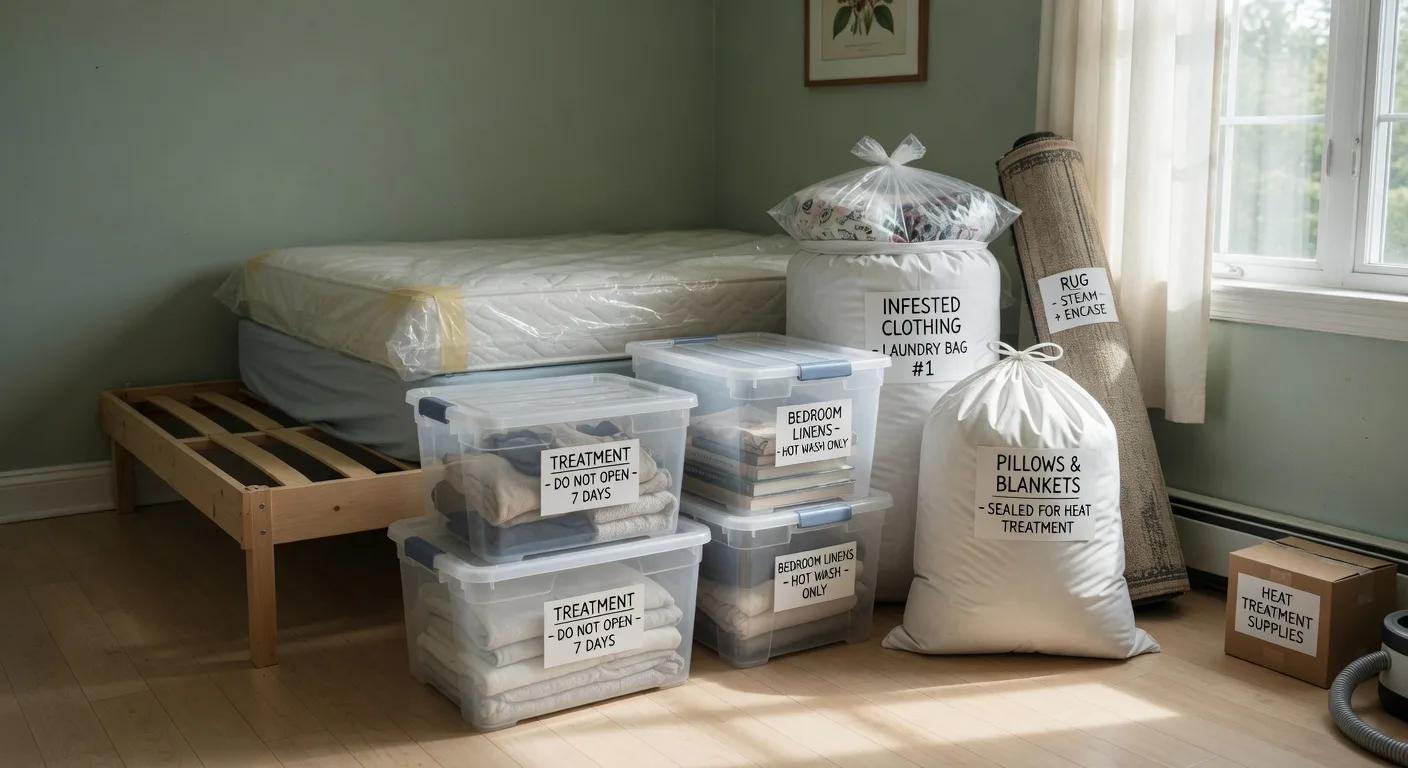
Clear the area
- Remove all bedding, pillows, and loose fabric. Wash them in hot water (≥140°F / 60°C) and dry on high heat for 30 minutes.
- Pull furniture away from walls. Bed bugs often hide behind headboards, baseboards, and nightstands.
- Empty drawers and closets. Steam can warp wood if applied directly to unfinished surfaces, so remove contents first.
Vacuum first
Vacuum all mattresses, box springs, furniture seams, baseboards, and carpet edges. This removes loose bugs, cast skins, and debris that would insulate the steam. Dispose of the vacuum bag immediately in a sealed plastic bag outside your home. Steaming after vacuuming ensures the heat reaches the surfaces without obstruction.
Step-by-Step Steaming Technique
1. Mattress and Box Spring
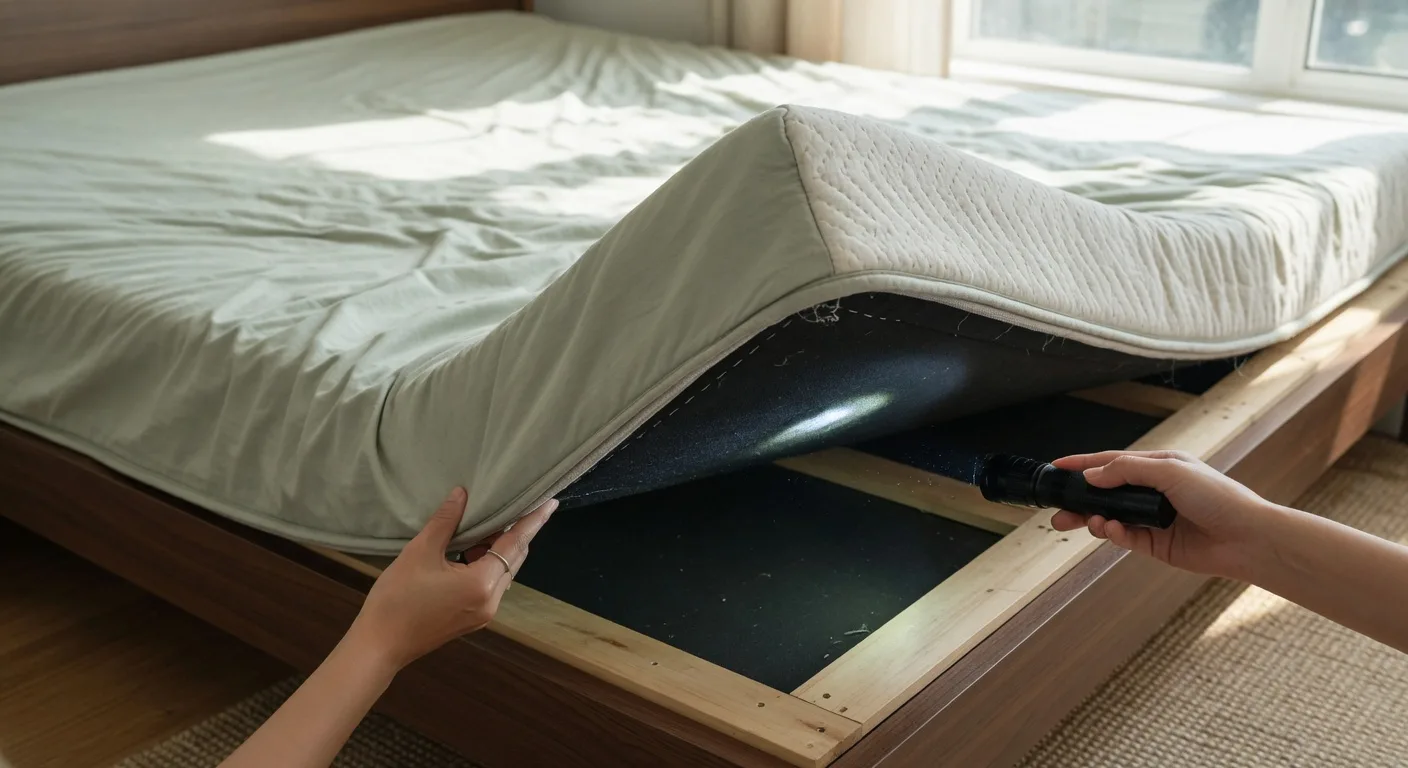
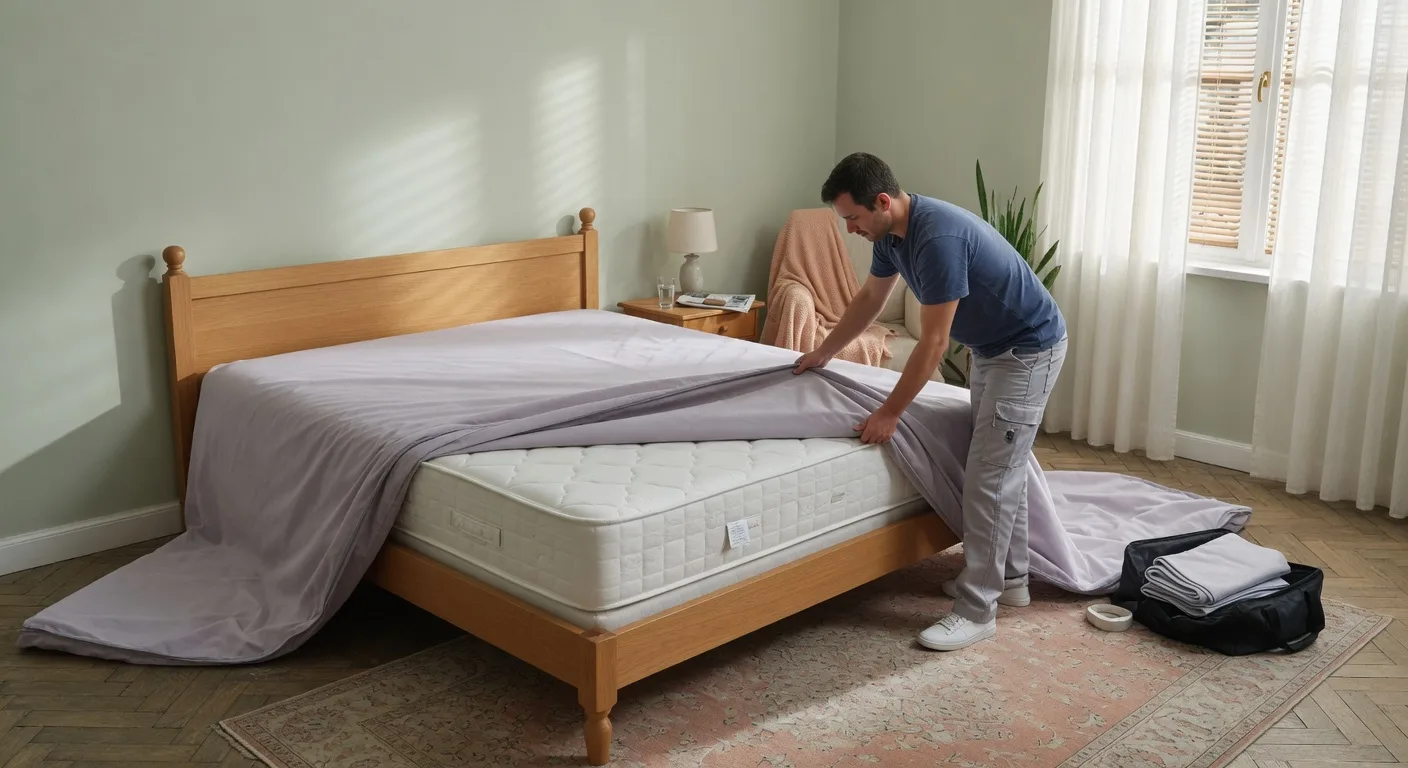
Use the fabric glider attachment to avoid tearing the mattress cover. Work in sections: start at one corner and move the steam head along every seam, tuft, and piping. Keep the head flat against the fabric and move at a rate of about 1 inch per second. For box springs, remove the dust cover if possible and steam the wooden frame slats and crevices. Pay extra attention to the edges where the fabric meets the wood—this is a prime hiding spot.
2. Bed Frame and Headboard
Switch to the triangular brush attachment for flat wooden surfaces. Use the crevice tool for cracks, joints, and screw holes. Steam every joint, bracket, and underside of slats. Bed bugs often congregate in the small gaps where the frame pieces connect. Hold the nozzle steady for 3–5 seconds on each crevice to ensure the heat penetrates.
3. Baseboards and Trim
Run the crevice tool along the top edge of baseboards and the gap between the baseboard and the floor. Move slowly and watch for any gaps or nail holes—these are common harborage sites. If you see bugs emerging from a crack, hold the steam on that spot for 10 seconds to kill them before they scatter.
4. Furniture (Sofas, Chairs, Nightstands)
For upholstered furniture, use the fabric glider on cushions and the crevice tool along seams, zippers, and tufts. Flip cushions and steam the bottom fabric. For wooden furniture, steam all joints, drawer slides, and the underside of drawers. Do not steam electronics, delicate fabrics like silk, or any surface that cannot withstand high heat and moisture.
5. Carpet Edges and Under Furniture
Bed bugs rarely live in the middle of a carpet, but they hide along the edges where the carpet meets the wall. Use the crevice tool to steam the carpet edge and the tack strip. Move furniture away from walls to access these areas.
Critical Limitations of Steam Treatment
Steam is not a standalone solution for a heavy infestation. Here are the hard limits you must respect:
- Cannot treat inside walls or deep cracks. Steam will not penetrate more than a few millimeters into porous materials. Bugs hiding behind wall outlets, inside hollow bed frames, or under thick carpet padding will survive.
- Does not provide residual protection. Once the surface cools, new bugs can walk across it without harm. You must combine steam with other methods such as diatomaceous earth, silica gel, or professional insecticide sprays (applied after the surface dries).
- Moisture risk. Excessive steam can warp wood, delaminate furniture, and promote mold growth. Always use the lowest moisture setting that still delivers lethal heat. Wipe away excess condensation with a dry cloth.
- Cannot treat clothing, books, or electronics. These items require alternative heat treatment (clothes dryer on high for 30 minutes, or a bed bug heat chamber for books).
Safety Precautions
- Wear heat-resistant gloves and long sleeves to avoid burns. Steam at 200°F+ can cause second-degree burns instantly.
- Keep children and pets out of the room during treatment. The steam head and hot surfaces are hazardous.
- Never point the steam nozzle at electrical outlets, switches, or appliances. Moisture and electricity are a lethal combination.
- Allow treated surfaces to dry completely before replacing bedding or using furniture. This usually takes 20–30 minutes with dry steam.
Integrating Steam with a Complete Bed Bug Protocol
Steam is most effective as the second step in a three-step process:
- Preparation and vacuuming – remove debris and reduce bug population.
- Steam treatment – kill visible bugs and eggs on accessible surfaces.
- Residual dust or spray – apply a desiccant dust (diatomaceous earth or silica gel) to cracks and crevices after the surface is dry. This kills any bugs that emerge later from untreated hiding spots.
Repeat the entire cycle every 7–10 days for at least three treatments. Bed bug eggs that survive the first steam pass will hatch in 6–10 days, and the residual dust will catch the nymphs. Without follow-up, a single steam session will not eliminate an established infestation.
FAQ: Common Questions About Steam for Bed Bugs
Can I use a clothes steamer instead of a steam cleaner?
No. Clothes steamers produce lower temperature steam (typically 180°F–200°F) and have small tanks that run out quickly. They also emit high moisture, which can damage furniture. Only use a steam cleaner designed for hard surfaces with attachments for crevices.
How long does it take to steam a single mattress?
Expect 10–15 minutes for a queen-size mattress if you work methodically along every seam and tuft. A rushed job misses bugs.
Will steam kill bed bug eggs?
Yes, if the surface temperature reaches 122°F (50°C) and is held for at least 5 seconds. Because eggs are glued to the fabric, you need direct contact. A slow pass with the steam head ensures the glue melts and the heat penetrates the egg shell.
Can I steam my carpet to kill bed bugs?
Only the edges and areas under furniture. A wall-to-wall carpet steam treatment is not practical because the heat dissipates quickly in the padding. Focus on baseboards, carpet edges, and the perimeter of the room.
What temperature should my steam cleaner reach to kill bed bugs?
At least 200°F (93°C) at the nozzle. After contact with a surface, the temperature drops. You need that margin to still reach 122°F on the target.
Steam is a powerful tool in your bed bug arsenal, but it demands patience and precision. Move slowly, cover every seam, and always follow up with a residual treatment. If after three thorough steam sessions you still see signs of activity, call a licensed pest control professional who can use heat remediation or targeted insecticides that you cannot access.
Frequently Asked Questions
How can I safely reduce bed bugs at home without chemicals?
Use non-chemical methods as part of an integrated approach and consult a licensed pest professional for assessment.
- Heat: Wash and dry infested items on the highest heat settings recommended for the fabrics.
- Vacuuming: Carefully vacuum cracks and crevices, then dispose of the bag or canister contents in a sealed outdoor bin.
- Barrier methods: Use mattress and box spring encasements labeled for bed bugs to reduce harborage and make detection easier.
These steps can help manage bed bugs, but they are generally most effective when combined with professional guidance.
How can I confirm bed bugs are gone after treatment?
Use a combination of monitoring methods over several weeks.
- Place interceptors on bed legs and check for trapped insects.
- Inspect common hiding spots with a flashlight and magnifier if available.
- Look for new cast skins, tiny dark spots (fecal stains), or live bugs.
Continue monitoring and follow up with your pest professional if signs return.
How long do bed bugs live without a blood meal?
Bed bugs can survive several months without feeding, though many live closer to 5–6 weeks under typical home conditions. Factors like temperature, humidity, and life stage influence their survival time.
What are signs of bed bugs in luggage after travel?
After travel, check luggage and nearby areas for bed bug signs such as tiny brown spots (fecal marks), pale shed skins, small eggs or eggshells, and live or flattened bugs. Early detection can help prevent establishing an infestation in your home.