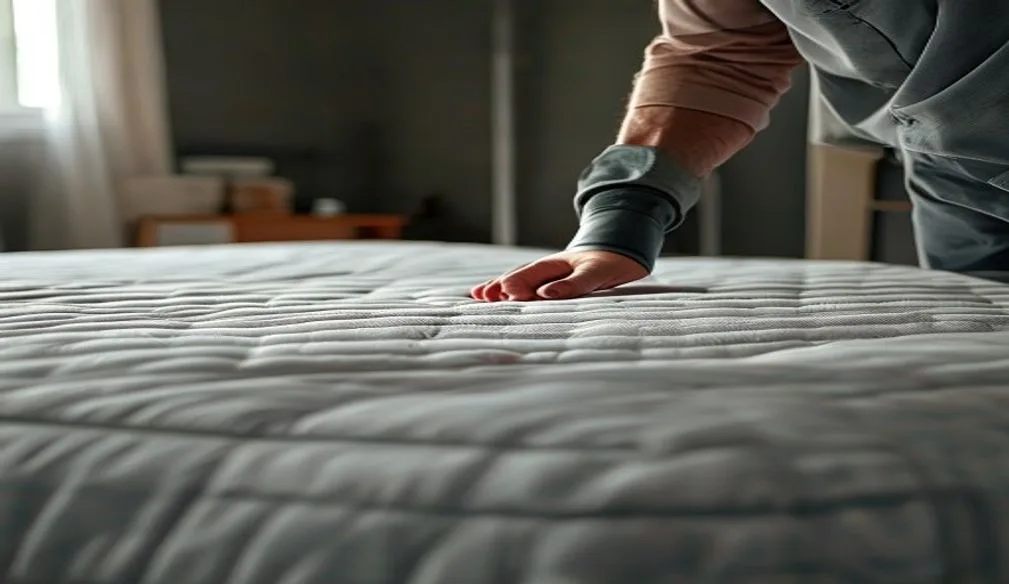
Bed bugs in a mattress can be eliminated without chemicals through sustained heat, physical removal, and strategic containment. The key is combining multiple tactics—no single method works alone. In my field work, I’ve seen homeowners succeed when they treat the mattress as one node in a larger problem, not an isolated target.
Why Chemical-Free Methods Work
Bed bugs lack the behavioral adaptations to escape sustained high heat or complete isolation. They cannot develop resistance to temperatures above 118°F, nor can they chew through quality encasements. What I tell clients is this: your advantage is patience and precision, not speed. Chemical-free control demands more labor upfront but eliminates the risks of misapplication, residue exposure, and the regulatory restrictions that come with EPA-registered pesticides in residential bedrooms.
The biology supports this approach. Bed bugs of all life stages—eggs, five nymphal instars, and adult bed bugs—succumb to heat at roughly the same threshold. Eggs are the most vulnerable to desiccation and temperature extremes. adult bed bugs survive longer without feeding, but they cannot survive trapped inside a sealed encasement for the 12–18 months their starvation tolerance allows.
Heat Application: The Core Tactic
Heat destroys bed bugs through protein denaturation and dehydration. The threshold is firm: 118°F kills eggs; 122°F kills adult bed bugs and Nymphs within minutes. In practice, I recommend targeting 130–140°F at the surface to account for heat loss through fabric layers and mattress depth.
Your clothes dryer is the most reliable heat tool most people already own. Strip the bed completely—sheets, mattress pad, comforter, pillowcases, and any fabric headboard covering. Load the dryer without overfilling; air circulation matters more than raw temperature. Run on the highest heat setting for at least 30 minutes after the load reaches full temperature. I often see people pull items out too soon because they feel hot to the touch. That is insufficient. The core of a thick comforter needs sustained exposure.
Steamers fill gaps the dryer cannot reach. A residential steamer with a focused nozzle, moved slowly across mattress seams and tufts, delivers lethal heat to crevices where bed bugs cluster. What homeowners miss most is speed—rushing the nozzle across the surface leaves survivors. I tell clients to move at roughly one inch per second, with direct contact between the nozzle and fabric. The steam must penetrate, not merely pass over.
Steam Technique for Seams and Tags
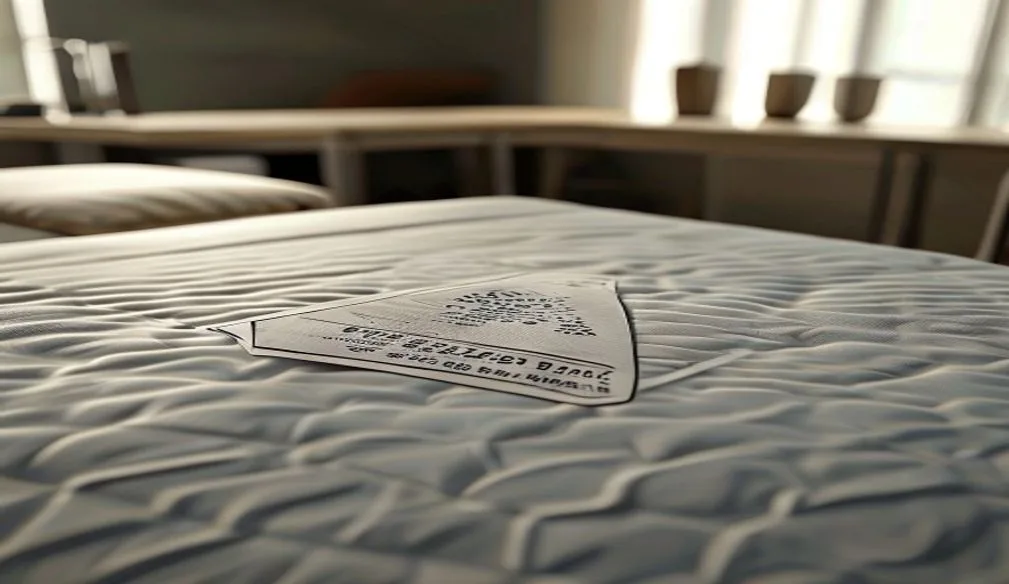
Mattress seams, labels, and corner straps are primary harborages. These areas resist laundering and hide eggs in the stitching. When steaming, angle the nozzle to force vapor into the seam channel, not across it. Work in overlapping passes. The fabric should feel uniformly hot to your hand immediately after the steamer passes—if not, you moved too fast. Allow the mattress to dry completely before re-covering; residual moisture invites mold, trading one problem for another.
Physical Removal and Disposal Protocol
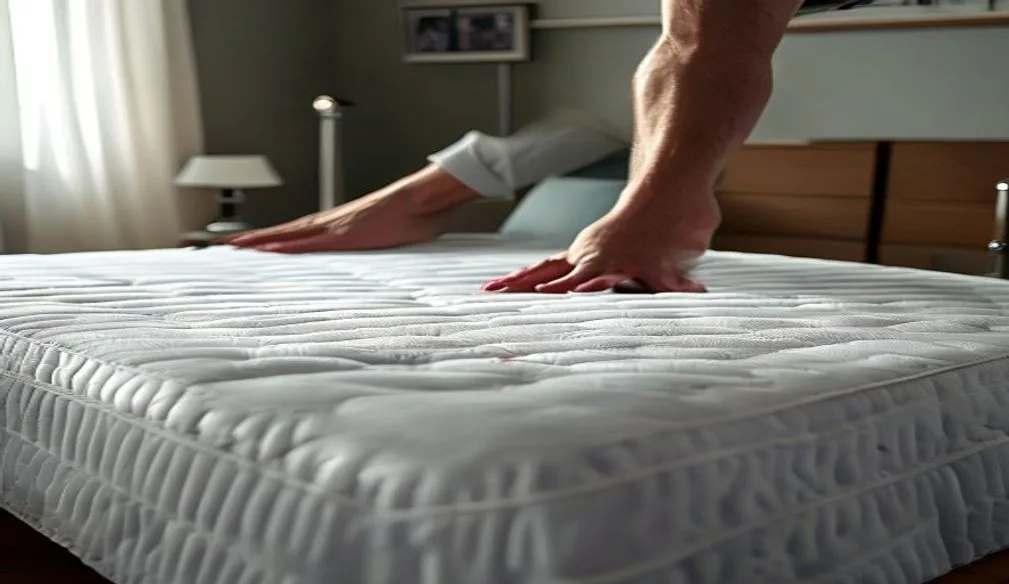
Vacuuming removes visible bugs, shed skins, and egg clusters, but it does not kill. The value is reduction—lowering the population before heat treatment, and removing debris that obscures remaining activity. Use a vacuum with strong suction and a crevice tool attachment. Work systematically: start at the headboard, move down the mattress sides, then the box spring if present. Pay disproportionate attention to corners and the interface between mattress and foundation.
The critical step most skip: immediate disposal of the vacuum contents. Bed bugs survive inside the canister or bag. Seal the contents in a plastic bag and remove it from the home the same day. Do not leave the vacuum sitting with live specimens inside.
Encasements as Containment and Detection
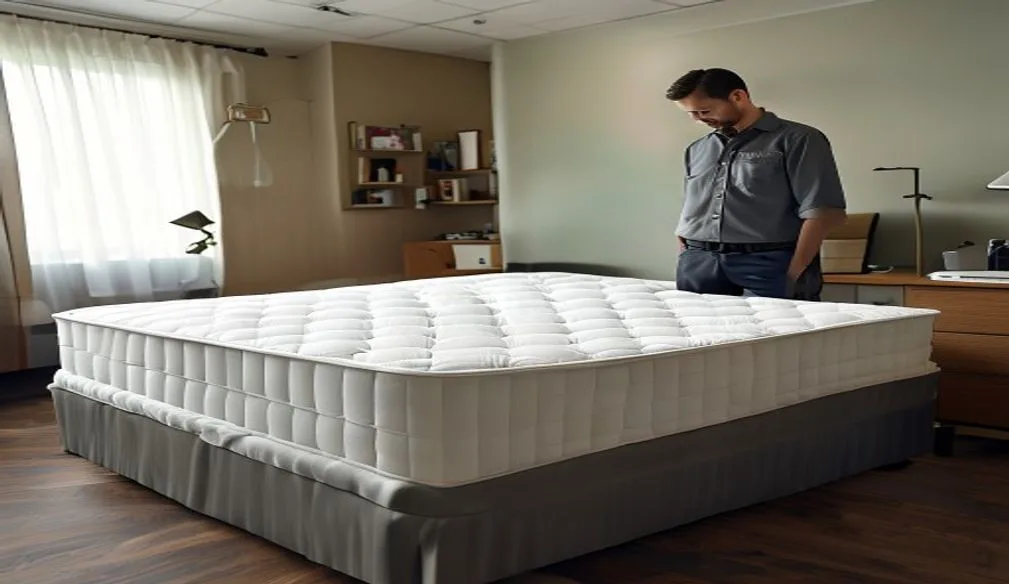
A quality encasement serves two functions. It traps any bugs remaining inside the mattress, cutting them off from blood meals until they starve. Simultaneously, it creates a smooth, light-colored surface where new activity becomes visible immediately.
Installation timing matters. Encase after heat treatment and vacuuming, not before. Trapping live bugs inside with eggs already laid merely delays the problem. I recommend inspecting the encasement monthly for the first year—tears, zipper gaps, or staining on the exterior surface indicate either failure or new introduction.
Select encasements labeled specifically for bed bugs, not generic dust mite covers. The zipper mechanism must have a secure closure or micro-teeth design that nymphs cannot penetrate. Fabric should be bite-proof—bed bugs cannot feed through quality polyurethane laminate or tightly woven polyester.
Freezing: Limited but Specific Applications
Freezing kills bed bugs at 0°F sustained for four days, but this is rarely practical for mattresses. Residential freezers lack the capacity, and mattress materials risk damage from ice crystal formation. Where freezing excels is for smaller items: alarm clocks, books, electronics, and decorative objects that cannot be heated or laundered. Seal items in plastic bags before freezing to prevent moisture damage, and use a thermometer to confirm the freezer maintains 0°F continuously—door openings and defrost cycles often create warm intervals.
Monitoring and Sustained Vigilance
Bed bug elimination without chemicals requires confirmation, not assumption. Interceptors placed under bed legs capture bugs attempting to climb, providing objective evidence of remaining activity or successful clearance. I recommend leaving interceptors in place for at least two weeks after the final treatment step.
Inspection should focus on the same harborages: mattress tags, headboard joints, electrical outlets near the bed, and baseboard crevices. Fresh fecal spotting—small black dots that smear when dampened—or shed skins indicate survival. blood spots on sheets suggest feeding activity, though these can also result from skin irritation or scratching.
In my field work, I’ve observed that re-infestation usually traces to untreated adjacent areas: the box spring, nightstand internals, or wall voids behind the headboard. Treating only the visible mattress surface while ignoring these extensions is the most common reason chemical-free efforts fail.
When Professional Intervention Becomes Necessary
Chemical-free methods have limits. Multi-unit housing with shared walls, severe infestations extending into wall voids, or situations where the occupant cannot perform the physical labor required may warrant professional heat treatment of the entire structure. Whole-room thermal remediation uses specialized equipment to raise ambient temperatures to lethal levels uniformly—something residential tools cannot replicate. This remains non-chemical, but requires licensed technicians and significant cost.
Similarly, if bites persist or skin reactions worsen despite treatment efforts, consult a dermatologist. I do not diagnose medical conditions, but I note that bed bug bite reactions vary widely by individual immune response, and secondary infection from scratching is a genuine risk requiring medical evaluation.
| Target | Time to Efficacy | Key Limitation | |
|---|---|---|---|
| High-heat laundering | Fabrics, bedding | 30+ min at temp | Cannot reach mattress core |
| Steam application | Seams, tufts, surface | Immediate on contact | Requires slow, thorough technique |
| Vacuum removal | Visible bugs, debris | Immediate reduction | Does not kill eggs; disposal critical |
| Encasement | Internal survivors | 12–18 months starvation | Must be bed-bug rated, intact |
| Freezing | Small objects | 4 days at 0°F | Impractical for mattresses |
Success without chemicals demands disciplined execution across all these methods, not selective application. The mattress is where you sleep, but bed bugs do not respect that boundary. Treat the bed as the center of a zone extending two feet in all directions, and verify results through monitoring rather than assumption.
Related guides — different questions
These articles cover overlapping topics but answer different questions. Pick the one that matches your situation.
- How to get rid of bed bugs in mattress naturally
Read if: You want a “natural first” plan before calling an exterminator.
Frequently Asked Questions
How can I safely reduce bed bugs at home without chemicals?
Use non-chemical methods as part of an integrated approach and consult a licensed pest professional for assessment.
- Heat: Wash and dry infested items on the highest heat settings recommended for the fabrics.
- Vacuuming: Carefully vacuum cracks and crevices, then dispose of the bag or canister contents in a sealed outdoor bin.
- Barrier methods: Use mattress and box spring encasements labeled for bed bugs to reduce harborage and make detection easier.
These steps can help manage bed bugs, but they are generally most effective when combined with professional guidance.
Can bed bugs live in a foam mattress?
Bed bugs do not burrow inside memory foam, but they readily hide on seams, zippers, labels, and the underside edges where the cover meets the frame.
Foam mattresses still need encasements and seam inspections like any other bed. Focus on tufts, piping, and nearby furniture—not the foam core itself.
Can bed bugs live on memory foam mattresses?
Yes—bed bugs can live on memory foam mattresses by sheltering in seams, folds, and bed frames. They are not inside the foam block but on surfaces you touch when changing sheets.
Check piping with a flashlight, install a bed-bug-proof encasement, and isolate the bed from walls while you monitor or schedule professional treatment if needed.
Can you see bed bugs with the naked eye on a mattress?
Yes. Adult bed bugs are about apple-seed size (4–5 mm), reddish-brown, and visible on light-colored mattress fabric when you part the seams with a flashlight.
Nymphs and eggs are harder to spot but still visible as tiny pale insects or white pinhead ovals. Slow, close inspection beats a quick glance—check seams, tags, and box spring corners.