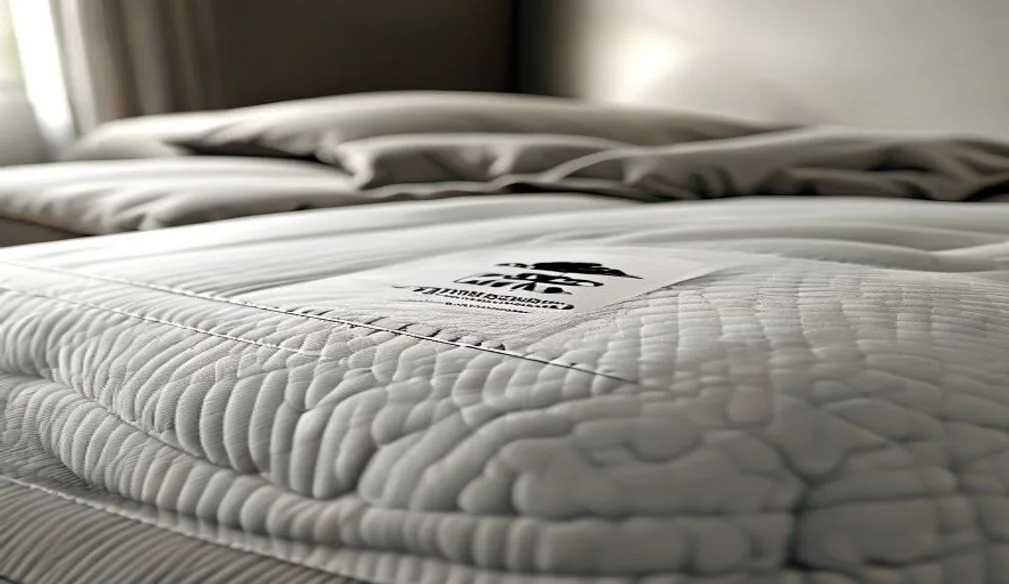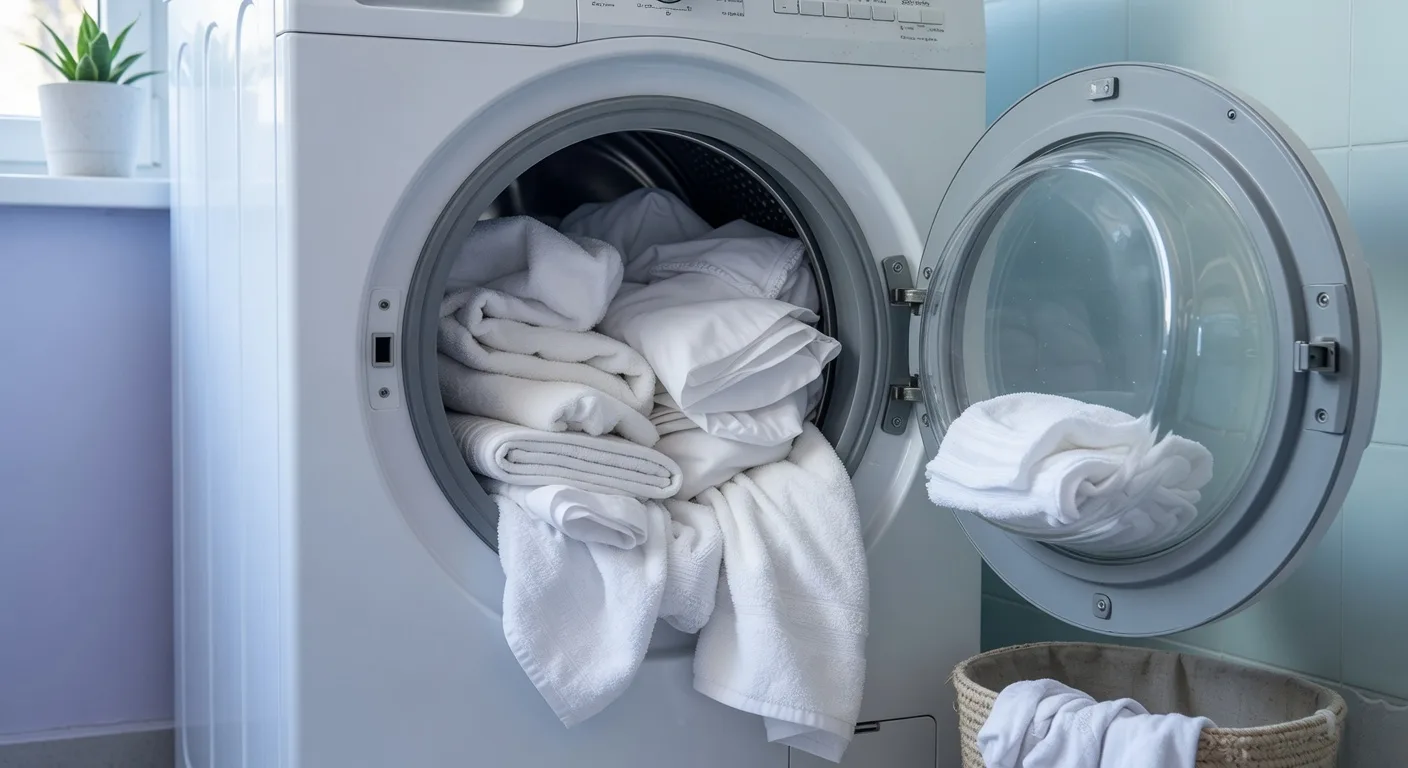
Yes, you can pick up bed bugs at a laundromat, but the risk is manageable with the right protocol. The machines themselves are rarely the source—it's the surfaces, carts, and habits of other customers that create transfer opportunities. After two decades of inspecting infestations and advising clients who rely on shared laundry facilities, I've developed a field-tested approach that eliminates most exposure vectors without requiring you to avoid laundromats entirely.
Where Bed Bugs Actually Hide in Shared Laundry Spaces
Bed bugs are obligate hitchhikers. They cannot jump or fly, so they depend on direct contact between infested items and your belongings. In my field work, I've traced more laundromat introductions to folding tables than to any washer or dryer drum. The pattern is consistent: a customer brings infested bedding, spreads it on a table to sort, and the bugs or eggs drop into seams and crevices. The next person places their clean laundry on that same surface.
Seating areas present another underestimated risk. Vinyl or plastic chairs near the machines collect bags, coats, and loose items. Bed bugs squeeze into the gap between seat and frame, waiting for the next warm surface. Laundry carts—especially wire models with fabric liners—transfer bugs between machines, tables, and vehicles. Floor cracks near baseboards and drains harbor fallen bugs that eventually climb onto dropped clothing.
What I tell clients: the machine interior is actually your safest zone. The heat and mechanical action make it hostile territory. Your vulnerability peaks during the minutes before loading and after unloading, when your items touch shared surfaces.
Why Washers Alone Fail and Dryers Save the Day
There's a dangerous misconception that washing eliminates bed bugs. Standard commercial washers rarely maintain lethal temperatures throughout a full cycle. Water hits the drum, mixes with cold fabric, and drops below the thermal death point within seconds. Bed bug eggs complicate this further—they adhere to fibers with a cement-like secretion that resists agitation and submersion.
The dryer is your reliable control point. Sustained heat penetrates fabric layers and destroys eggs regardless of their adhesive bond. Temperature and duration matter more than any other variable.
| Lethal Temperature | Minimum Duration | Practical Dryer Setting | |
|---|---|---|---|
| adult bed bugs | 118°F (48°C) | 20 minutes | high heat, 30 min |
| nymphs | 118°F (48°C) | 20 minutes | high heat, 30 min |
| eggs | 125°F (52°C) | 20 minutes | high heat, 40 min |
I often see homeowners run delicate cycles out of habit, then wonder why infestations persist. For items that cannot tolerate high heat, professional dry cleaning or four days at 0°F in a sealed bag are your alternatives—never assume a cool wash-and-dry cycle handled the problem.
A Field-Tested Prevention Protocol
Consistency matters more than perfection. I developed this sequence for clients in multi-unit housing who have no in-unit laundry. It reduces transfer risk to negligible levels without requiring excessive time or equipment.
Before you leave home: Inspect your transport container. Light-colored plastic bins are ideal because cracks and seams are visible. Fabric bags should be washable on high heat. Separate clean and dirty items into sealed plastic bags inside your bin—this prevents cross-contamination if the outer container contacts a contaminated surface. Check seams and corners with a flashlight; rust-colored stains, shed skins, or live bugs mean that container stays home.
At the facility: Choose machines with intact drum seals and minimal debris. Wipe folding tables with a disinfectant wipe or rubbing alcohol on a paper towel, paying attention to corners where debris collects. Place a disposable plastic tablecloth or large trash bag over any surface before your items touch it. Never set clean laundry on the floor—use your cart or keep it sealed. Load quickly and start the dryer before sorting or folding elsewhere.
The critical sequence: If you have any doubt about your items, dry first on high heat for 30 minutes, then wash normally, then dry again. This "dry-wash-dry" pattern kills any hitchhikers before they contaminate your home laundry area.
Returning home: Transfer clean items immediately to drawers or closets—never let them sit in the transport container. Treat that container: plastic bins get wiped with alcohol and inspected; fabric bags run through high-heat wash and dry. Vacuum your vehicle seats and floor mats if you transported laundry, focusing on crevices where bugs could fall.
Responding to Suspected Exposure
Despite precautions, you might spot a suspicious insect or dark spot on your clothing. In my experience, panic leads to poor decisions—like throwing infested items into a closet "to deal with later." The correct response is immediate and methodical.
Seal the suspect item in a plastic bag without compressing it. If you're still at the laundromat, place the sealed bag directly into a dryer on high heat for 40 minutes. Do not open the bag first—heat penetrates plastic and eliminates the contents. Inspect your other belongings, especially bag seams and cart contact points. For two weeks after exposure, check your sleeping area every few days: mattress seams, box spring corners, headboard joints. Early detection prevents a single transfer from becoming a full infestation.
Dismantling Common Misconceptions
Several myths persist about bed bugs and laundry that actually increase risk. I address these repeatedly in client consultations because they sound logical but fail in practice.
Bleach as a solution: Household bleach kills bed bugs on direct contact, but dilution in wash water eliminates effectiveness. More critically, bleach does not penetrate egg coatings and damages many fabrics. Heat remains the only practical, reliable method for laundry.
Clean versus dirty attraction: Bed bugs seek carbon dioxide and warmth, not filth. A basket of freshly laundered towels placed on a contaminated table becomes infested as readily as soiled gym clothes. I often see this surprise clients who assumed their hygiene protected them.
Hot water washing: Even "hot" settings on commercial machines rarely sustain 118°F through the full cycle. The thermal mass of clothing and drum metal pulls temperature down rapidly. Washing has value for cleaning and stain removal, but never treat it as your bed bug control step.
Protecting Others When You Have an Active Infestation
If you're already dealing with bed bugs at home, shared laundry requires additional responsibility. I advise clients in this situation to dry all items on high heat for 40 minutes before bringing them to any facility. This kills bugs and eggs from your home before they can enter shared space. Transport everything in sealed plastic bags, and load directly from bag to machine without sorting or folding at the laundromat. Complete all folding at home after the second dry cycle. This protocol protects your neighbors and prevents the social stigma that often accompanies visible infestations.
When to Escalate Beyond Self-Protection
Individual vigilance has limits. If you observe recurring signs at a specific facility—multiple dark spots on tables, live bugs in cart seams, or reports from other customers—notify management in writing. Reputable laundromats maintain scheduled pest control and respond to documented concerns. Your report helps protect the broader community and creates a record if the issue persists. Document dates, locations within the facility, and any management responses. This information becomes valuable if you need to demonstrate that an infestation originated from a specific commercial source.
In my field work, I've seen well-intentioned people abandon laundromats entirely after a single scare, creating real hardship for families without alternatives. The protocol here—container inspection, surface barriers, heat-first drying, and immediate post-trip treatment—lets you use shared facilities with confidence. The key is treating every trip as a controlled procedure rather than a routine errand. Bed bugs exploit casual habits, not careful ones.
Frequently Asked Questions
How can I reduce the chance of bringing bed bugs home from travel?
Travel smart habits can lower the risk of picking up bed bugs and spreading them to your home.
- Inspect hotel rooms for live bugs, shed skins, or dark spots on mattresses and furniture.
- Keep luggage on a luggage rack away from beds and walls; consider using a hard-shell case.
- Wash and dry travel clothes on high heat as soon as possible after returning home.
- Store luggage in a sealed area for several weeks if you suspect exposure.
Early detection and careful storage help with prevention and make follow-up easier if needed.
Can you get bed bugs from a movie theater?
It is possible but uncommon. Bed bugs can hide in upholstered theater seats and transfer to clothing. Inspect seats, avoid placing bags on fabric, and hot-dry clothes after suspected exposure.
What are practical DIY bed bug prevention steps?
These low-risk habits can reduce the chance of bed bugs spreading in your home.
- Inspect secondhand furniture thoroughly before bringing it indoors.
- Use a protective encasement on mattresses and box springs and zip pillow protectors.
- Reduce clutter where bed bugs can hide and vacuum floors regularly.
Combine prevention with early detection; consider professional help if you find signs.
What are signs of bed bugs in luggage after travel?
After travel, check luggage and nearby areas for bed bug signs such as tiny brown spots (fecal marks), pale shed skins, small eggs or eggshells, and live or flattened bugs. Early detection can help prevent establishing an infestation in your home.