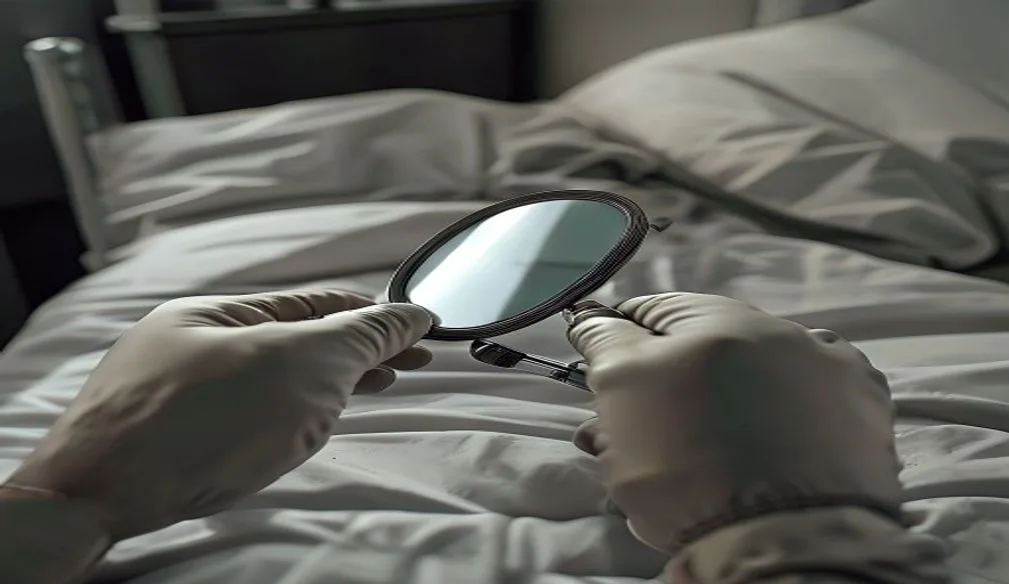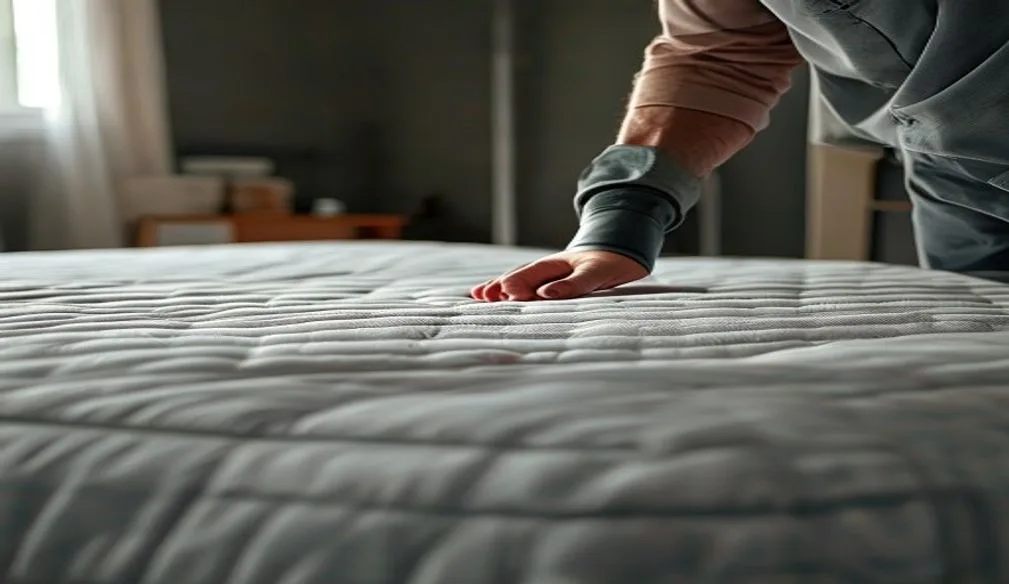
To prevent bed bugs in thrift store finds, it's essential to inspect items carefully before bringing them into your home. Start by checking for signs of bed bugs, such as small, red-brown spots or blood stains, and look for live bugs in seams, folds, and crevices. In my field work, I often see homeowners overlook these simple steps, which can lead to infestations. By taking the time to inspect thrift store items thoroughly, you can significantly reduce the risk of introducing bed bugs into your home. This is especially crucial when dealing with second-hand furniture, clothing, and other items that may have come into contact with bed bugs.
Early Action: First 24 Hours
If you've recently brought home a thrift store item and suspect it may be infested with bed bugs, take immediate action to prevent the infestation from spreading. Here's a step-by-step checklist for the first 24 hours:
- Isolate the item: Keep the item in a sealed plastic bag or a separate room to prevent bed bugs from escaping and infesting other areas of your home. This is crucial in preventing the spread of bed bugs to other parts of your home.
- Inspect the item: Carefully inspect the item for signs of bed bugs, including live bugs, eggs, and blood stains. Use a magnifying glass or a flashlight to help you see into small crevices and cracks.
- Wash and dry: If the item is washable, wash it in hot water (at least 120°F) and dry it on high heat for at least 20 minutes. This will help kill any bed bugs or eggs that may be present on the item.
- Dry clean or seal: If the item is not washable, take it to a dry cleaner or seal it in a plastic bag for at least 6 months to ensure any bed bugs or eggs are killed. Dry cleaning can be an effective way to kill bed bugs, but it's essential to inform the dry cleaner about the potential infestation.
Identifying Bed Bugs and Their Signs
Bed bugs are small, flat, oval-shaped insects that feed on human blood. They are typically 4-5 millimeters long and have a reddish-brown color. Bed bugs can be found in various locations, including mattresses, box springs, bed frames, and headboards. To identify bed bugs, look for the following signs:
- Live bugs: adult bed bugs are visible to the naked eye and can be found in cracks and crevices. They are often found in areas where people sleep or rest.
- Eggs: Bed bug eggs are white, about 1 millimeter long, and can be found in cracks and crevices. Female bed bugs can lay up to 500 eggs in their lifetime, which can hatch into new bed bugs in as little as 6 days.
- blood stains: Bed bugs can leave behind small, red-brown spots or blood stains on surfaces. These stains can be found on sheets, pillowcases, and other fabric items.
- Shed skins: Bed bugs shed their skins as they grow, and these shed skins can be found near areas where bed bugs are present. The shed skins are often translucent and can be mistaken for live bugs.
Prevention Methods
To prevent bed bugs in thrift store finds, it's essential to use a combination of inspection, cleaning, and sealing methods. Here are some additional prevention methods:
- Use a mattress cover: Cover your mattress with a bed bug-proof cover to prevent bed bugs from infesting it. The cover should be made of a breathable material and should be washed regularly.
- Seal cracks and crevices: Use caulk or putty to seal any cracks and crevices around your home, including around windows, doors, and baseboards. This will help prevent bed bugs from entering your home or moving from room to room.
- Wash and dry bedding: Regularly wash and dry your bedding, including sheets, blankets, and comforters, in hot water and high heat to kill any bed bugs or eggs. This should be done at least once a week, but more often if you suspect an infestation.
When to Call a Licensed Professional
If you suspect you have a bed bug infestation, it's essential to call a licensed professional for assistance. Bed bugs can be difficult to eliminate, and a professional can help you identify the source of the infestation and develop a treatment plan. Here are some scenarios where you should call a licensed professional:
- Large infestation: If you have a large infestation, it's best to call a professional to ensure that all areas of your home are treated. A large infestation can be overwhelming, and a professional can help you develop a comprehensive treatment plan.
- Multiple rooms: If bed bugs are found in multiple rooms, it's best to call a professional to ensure that all areas of your home are treated. This will help prevent the spread of bed bugs to other parts of your home.
- Severe bites: If you or a family member is experiencing severe bites or allergic reactions, it's best to call a professional for assistance. A professional can help you identify the source of the infestation and develop a treatment plan to eliminate the bed bugs.
Frequently Asked Questions
Here are some frequently asked questions about preventing bed bugs in thrift store finds:
- Q: Can I get bed bugs from thrift store clothing?
- A: Yes, it's possible to get bed bugs from thrift store clothing, especially if the clothing has come into contact with an infested item. It's essential to inspect clothing carefully before bringing it into your home and to wash and dry it in hot water and high heat as soon as possible.
- Q: How can I kill bed bugs on thrift store items?
- A: You can kill bed bugs on thrift store items by washing and drying them in hot water and high heat, or by dry cleaning them. It's also essential to use a combination of inspection, cleaning, and sealing methods to prevent bed bugs from infesting your home.
- Q: Can I use a steam cleaner to kill bed bugs?
- A: Yes, steam cleaners can be effective in killing bed bugs and their eggs, but it's essential to use a steam cleaner that reaches a temperature of at least 120°F. Steam cleaners can be especially useful for items that can't be washed or dry cleaned, such as furniture and mattresses.
- Q: How often should I inspect my home for bed bugs?
- A: It's essential to inspect your home for bed bugs regularly, especially if you've recently brought home a thrift store item. Inspect your home at least once a month, and more often if you suspect an infestation. Pay special attention to areas around beds, mattresses, and other furniture items.
Additional Tips for Thrift Store Shoppers
When shopping at thrift stores, it's essential to be aware of the potential for bed bugs. Here are some additional tips to help you avoid bringing bed bugs into your home:
- Inspect items carefully: Before purchasing an item, inspect it carefully for signs of bed bugs, including live bugs, eggs, and blood stains.
- Avoid used mattresses and box springs: Used mattresses and box springs are common breeding grounds for bed bugs. It's best to avoid purchasing these items, especially if they have not been properly cleaned and treated.
- Wash and dry items immediately: If you do purchase an item from a thrift store, wash and dry it immediately in hot water and high heat. This will help kill any bed bugs or eggs that may be present on the item.
- Use a mattress cover: If you do purchase a used mattress, make sure to cover it with a bed bug-proof cover. This will help prevent bed bugs from infesting the mattress.
Conclusion-Free Next Steps
Preventing bed bugs in thrift store finds requires a combination of inspection, cleaning, and sealing methods. By following the tips outlined in this article, you can significantly reduce the risk of introducing bed bugs into your home. Remember to always inspect items carefully, wash and dry them immediately, and use a mattress cover to prevent bed bugs from infesting your mattress. If you do suspect an infestation, don't hesitate to call a licensed professional for assistance.
Frequently Asked Questions
How can landlords prevent and manage bed bug infestations?
Landlords can reduce risks with clear lease clauses, routine inspections in high-turnover units, and prompt response to reports. Use integrated pest management and choose licensed professionals for inspections and treatments.
Document conditions before and after tenancy, communicate prevention steps to tenants, and coordinate with neighbors in multi-unit buildings to limit spread.
What are practical DIY bed bug prevention steps?
These low-risk habits can reduce the chance of bed bugs spreading in your home.
- Inspect secondhand furniture thoroughly before bringing it indoors.
- Use a protective encasement on mattresses and box springs and zip pillow protectors.
- Reduce clutter where bed bugs can hide and vacuum floors regularly.
Combine prevention with early detection; consider professional help if you find signs.
What are signs of bed bugs in luggage after travel?
After travel, check luggage and nearby areas for bed bug signs such as tiny brown spots (fecal marks), pale shed skins, small eggs or eggshells, and live or flattened bugs. Early detection can help prevent establishing an infestation in your home.
How can I reduce the chance of bringing bed bugs home from travel?
Travel smart habits can lower the risk of picking up bed bugs and spreading them to your home.
- Inspect hotel rooms for live bugs, shed skins, or dark spots on mattresses and furniture.
- Keep luggage on a luggage rack away from beds and walls; consider using a hard-shell case.
- Wash and dry travel clothes on high heat as soon as possible after returning home.
- Store luggage in a sealed area for several weeks if you suspect exposure.
Early detection and careful storage help with prevention and make follow-up easier if needed.