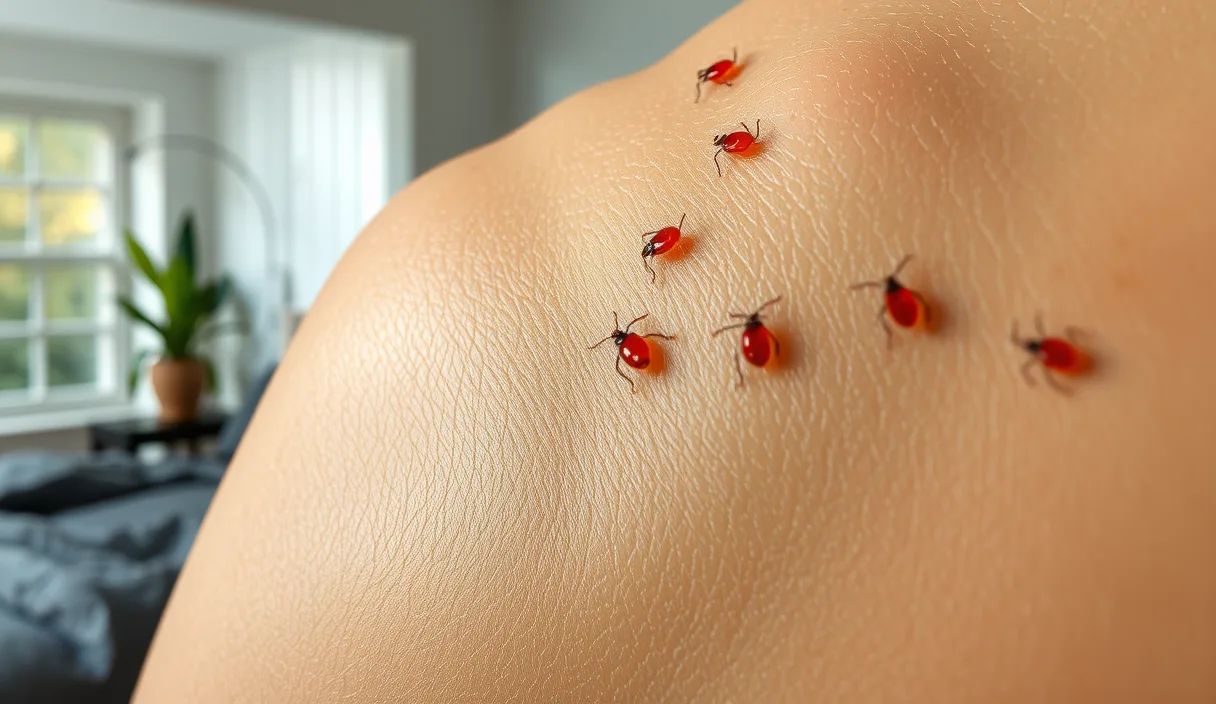
To understand how fast bed bugs reproduce in a home, you must first know their life cycle. Bed bugs go through three main stages: egg, nymph, and adult. The entire process from egg to egg-laying adult can be completed in as little as 21 days under ideal conditions, but more typically takes 5 to 8 weeks.
Female bed bugs lay their eggs in cracks and crevices near a host. Each female can produce 200 to 500 eggs in her lifetime, usually in batches of 10 to 50. Eggs are about 1 mm long, white, and cemented to surfaces with a sticky substance that makes them difficult to remove. They hatch in 6 to 10 days.
The newly hatched nymphs are pale and almost transparent. They must take a blood meal to molt to the next stage. Nymphs go through five molts, requiring a meal before each one. Under normal room temperatures, each nymphal stage lasts about 5 to 8 days. The total time from hatching to adult is 5 to 8 weeks when temperatures are between 27°C and 33°C (80°F to 90°F) and food is available.
Adults are about 5–7 mm long, reddish-brown, and flattened. They can survive many months without feeding, especially in cooler environments. Once females reach adulthood, they can start laying eggs within a few days of a blood meal.
| Duration (typical) | Key Facts | |
|---|---|---|
| Egg | 6–10 days | Sticky, hard to vacuum or brush away |
| 1st–5th instar nymph | 5–8 days each (total 25–40 days) | Need a blood meal to molt |
| Adult female | Lives 4–6 months (up to a year) | Lays 1–5 eggs per day |
How Fast Do Bed Bugs Reproduce in a Home?
A single mated female that enters your home can start laying eggs within days. At a rate of 1–5 eggs per day, she can produce 30 to 150 eggs in a month. But that’s only the beginning. The nymphs that hatch and mature will themselves become egg-laying adults in 5 to 8 weeks. This overlapping generations pattern means that a small introduction can balloon into a full-blown infestation in a matter of months.
Under optimal conditions (warmth, regular blood meals, no pesticides), a bed bug population can double every 16 days. That means one female can lead to hundreds of bugs within three months, and thousands within six. Here is a realistic projection:
| Estimated Adult Bed Bugs | Total (Adults + Nymphs + Eggs) | |
|---|---|---|
| Day 1 | 1 | 1–3 (including eggs) |
| 1 month | 10–15 | 50–100 |
| 2 months | 50–100 | 300–500 |
| 3 months | 200–400 | 1,000–2,000 |
| 6 months | 1,000–5,000 | 5,000–10,000+ |
These numbers assume ideal conditions and no control measures. In a real home, the rate can be slower due to temperature variations, missed feedings, or attempts at treatment. But the potential for rapid growth remains.
Factors That Speed Up or Slow Down Reproduction
Temperature
Bed bugs are cold-blooded and their metabolism depends on temperature. The ideal range for fastest reproduction is 27–33°C (80–90°F). Below 16°C (60°F), their development slows dramatically. At 10°C (50°F), eggs may not hatch and adults become dormant. Homes kept at 18–22°C (65–72°F) will still allow reproduction, but at a slower pace.
Feeding Frequency
Bed bugs need blood meals to molt and lay eggs. If a home is vacant or occupants travel frequently, bugs may not feed as often. However, adult bed bugs can go months without feeding, so a short vacancy won’t stop reproduction completely. Regular feeding enables females to produce eggs continuously.
Hiding Spots and Harborage
Bed bugs prefer tight cracks and crevices near sleeping areas. The more hiding places available (mattress seams, box springs, bed frames, baseboards, behind wall hangings), the faster they can spread and hide from detection. Cluttered rooms provide more harborage and make treatment harder.
Resistance to Pesticides
Many bed bug populations are resistant to common pyrethroids. If you attempt to treat with ineffective sprays, you may only kill a fraction of the bugs while the rest continue reproducing. This is a major reason infestations persist and grow despite homeowner efforts.
How Quickly an Infestation Becomes Noticeable
In the first few weeks, a small population is easy to miss. You may see a few dark spots (fecal stains) on sheets, or find a single cast skin. But by the eight-week mark, signs become more apparent: live bugs, blood spots on bedding, and a musty odor from the bugs’ scent glands. By three months, the infestation is usually moderate to large, and visible bugs can be found by inspecting mattress seams, bed frames, and nearby furniture.
The key takeaway is that waiting to treat only makes the problem exponentially worse. A single female can produce several hundred descendants within two months. Delaying action for a month multiplies the cost and effort needed for eradication.
Signs of Active Reproduction to Look For
- Eggs: Tiny white oval specks (1 mm) stuck in crevices. Often in groups of 5–20.
- Cast skins: Translucent exoskeletons left behind after molting.
- Fecal spots: Dark, rust-colored smears on sheets, pillowcases, and mattress seams.
- Blood spots: Small red stains from crushed bugs.
- Live bugs: Adult bed bugs are about the size of an apple seed. Nymphs are smaller and harder to see.
- Odor: A sweet, musty smell in heavily infested rooms.
Practical Steps to Slow or Stop Reproduction
- Inspect and isolate: Move the bed away from the wall, place interceptors under bed legs, and encase mattress and box spring in certified bed bug-proof covers.
- Reduce clutter: Remove items from under the bed and around the sleeping area to eliminate hiding spots.
- Apply heat: Wash all bedding in hot water (60°C / 140°F minimum) and dry on the highest heat setting for 30 minutes. This kills eggs and nymphs.
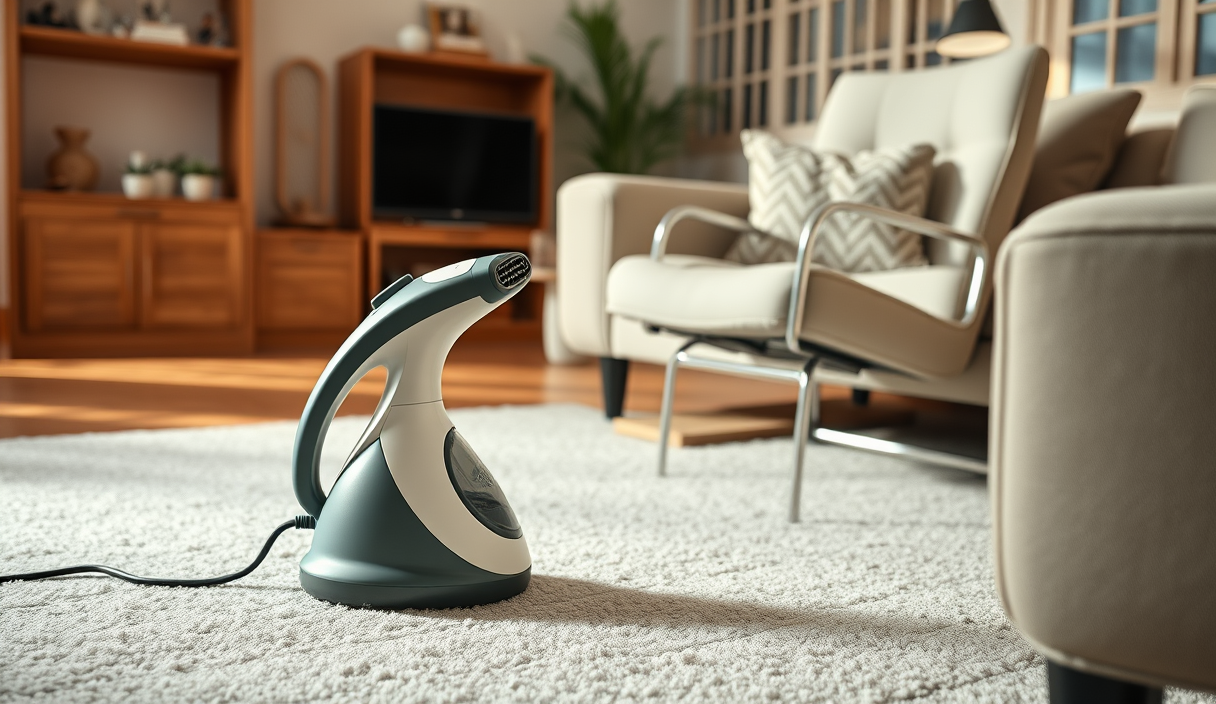
- Use a steamer: Steam cleaning on mattresses, box springs, and other infested areas kills bugs on contact.
- Professional treatment: For any established infestation, call a licensed pest control operator. Ineffective DIY sprays can make the problem worse by dispersing the population.
Frequently Asked Questions
Q: Can bed bugs reproduce without mating?
No. Females need to mate to produce viable eggs. However, once mated, they can store sperm and lay eggs for weeks or months without remating.
Q: How long can eggs survive before hatching?
Eggs usually hatch within 6–10 days at room temperature. At colder temperatures (below 16°C), hatching is delayed but the eggs may remain viable for weeks.
Q: Do bed bugs reproduce faster in apartments or single-family homes?
Apartments often have more harborage and easier travel through walls and voids. The close proximity of bedrooms means more feeding opportunities, so growth can be faster. But the basic reproduction rate is the same in any setting.
Q: I only see one bug. Should I worry?
Yes. One female adult can start an entire colony. If you see a single bug, it is likely not alone. Thorough inspection and immediate action are recommended.
Q: How fast can bed bugs spread to other rooms?
Bed bugs can crawl 1–2 meters per minute and are easily carried on clothing and luggage. In a multi-room home, they can spread to adjacent rooms within days to weeks, especially if the infestation is not addressed.
Understanding how fast bed bugs reproduce in a home gives you the knowledge to act quickly. Early detection, combined with proper cleaning, isolation, and professional help when needed, is your best defense against an exponential population explosion.
Frequently Asked Questions
How can I reduce the chance of bringing bed bugs home from travel?
Travel smart habits can lower the risk of picking up bed bugs and spreading them to your home.
- Inspect hotel rooms for live bugs, shed skins, or dark spots on mattresses and furniture.
- Keep luggage on a luggage rack away from beds and walls; consider using a hard-shell case.
- Wash and dry travel clothes on high heat as soon as possible after returning home.
- Store luggage in a sealed area for several weeks if you suspect exposure.
Early detection and careful storage help with prevention and make follow-up easier if needed.
How can I safely reduce bed bugs at home without chemicals?
Use non-chemical methods as part of an integrated approach and consult a licensed pest professional for assessment.
- Heat: Wash and dry infested items on the highest heat settings recommended for the fabrics.
- Vacuuming: Carefully vacuum cracks and crevices, then dispose of the bag or canister contents in a sealed outdoor bin.
- Barrier methods: Use mattress and box spring encasements labeled for bed bugs to reduce harborage and make detection easier.
These steps can help manage bed bugs, but they are generally most effective when combined with professional guidance.
How can I confirm bed bugs are gone after treatment?
Use a combination of monitoring methods over several weeks.
- Place interceptors on bed legs and check for trapped insects.
- Inspect common hiding spots with a flashlight and magnifier if available.
- Look for new cast skins, tiny dark spots (fecal stains), or live bugs.
Continue monitoring and follow up with your pest professional if signs return.
How long do bed bugs live without a blood meal?
Bed bugs can survive several months without feeding, though many live closer to 5–6 weeks under typical home conditions. Factors like temperature, humidity, and life stage influence their survival time.