If you've discovered bed bugs in your home, one of the first questions that comes to mind is whether you need to discard your mattress. The answer is not always straightforward, and making a hasty decision can cost you hundreds of dollars unnecessarily. In my experience, most mattresses can be saved with proper treatment, but there are situations where disposal is the safer option.
Immediate Action: First 24 Hours
When dealing with a bed bug infestation, it's essential to act quickly to prevent the problem from spreading. Here's what you should do within the first 24 hours:
- Wash and dry all bedding, including sheets, blankets, and comforters, in hot water (at least 120°F) and high heat
- Vacuum the mattress, box spring, and surrounding areas thoroughly, using a vacuum cleaner with a hose attachment and a gentle suction setting to avoid pushing bed bugs deeper into the mattress
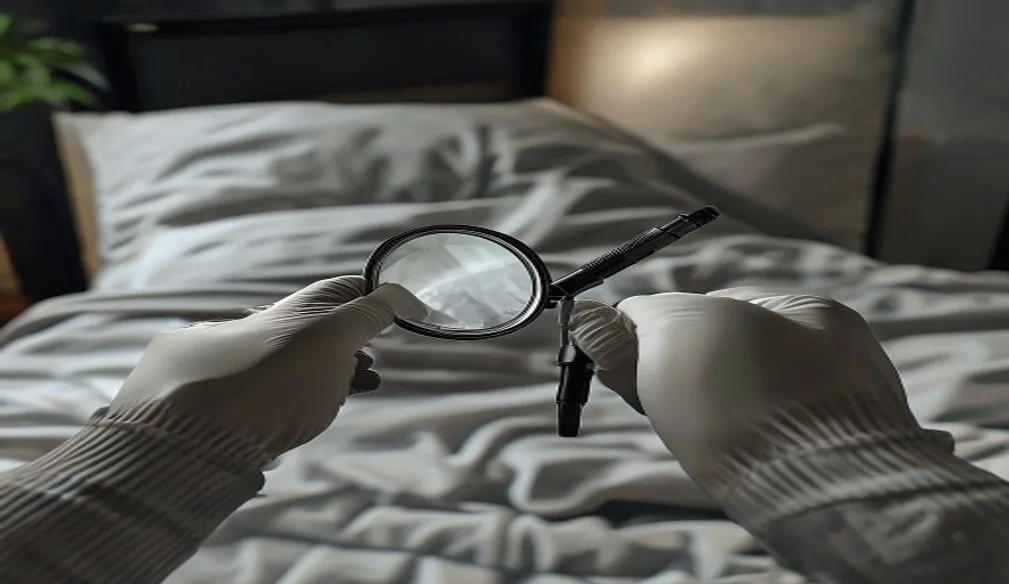
- Inspect the mattress and box spring for any signs of bed bugs, including live bugs, eggs, shed skins, and dark spots or blood stains
- Consider using a mattress encasement to trap bed bugs inside and prevent them from escaping or re-infesting the mattress
Assessing the Infestation: When to Keep or Throw Away Your Mattress
Before deciding whether to keep or discard your mattress, it's crucial to assess the severity of the infestation. If the infestation is limited to the surface or seams of the mattress, and the mattress is in good condition, treatment may be a viable option. However, if the infestation has spread to the interior of the mattress or the mattress is damaged, disposal may be the better choice.
Mattress Condition and Infestation Severity
A mattress can typically be saved if it meets all of the following conditions:
- The infestation was caught early, with bed bugs confined to the mattress surface or seams
- The mattress has no large tears, holes, or structural damage
- You can safely use a zippered bed bug encasement that seals the entire mattress
- You have access to a steam cleaner that reaches at least 130°F (54°C) at the nozzle
- You are willing to keep the encasement on for at least 12 months
Treatment Options: Heat, Steam, and Encasement
Professional heat treatment is the gold standard for mattresses that are not discarded. A licensed pest control operator can bring the mattress core temperature to 120°F (49°C) for sustained periods, killing all life stages including eggs. If you are treating the mattress yourself, follow this sequence:
- Strip all bedding and wash it in hot water at least 120°F (49°C), then dry on high heat for 30 minutes minimum
- Vacuum the mattress thoroughly using a crevice tool along all seams, tufts, and edges. Dispose of the vacuum bag or empty the canister into a sealed plastic bag immediately
- Steam treat the mattress using a commercial-grade steamer. Move the nozzle slowly over the entire surface, focusing on seams and folds. The steam must reach 130°F (54°C) at contact
- Apply a mattress encasement designed specifically for bed bugs. These zippered covers have a tight weave that prevents bed bugs from entering or escaping. Any surviving bed bugs trapped inside will eventually starve
- Keep the encasement on permanently. Bed bugs can survive up to 400 days without feeding, so do not remove the cover prematurely
When to Call a Licensed Professional
While it's possible to treat a mattress infestation yourself, there are situations where it's best to call a licensed professional. If you're unsure about the severity of the infestation, or if you've tried treating the mattress yourself and the problem persists, it's time to seek professional help. Additionally, if you live in a multi-unit building, it's essential to work with a licensed pest control operator to prevent the infestation from spreading to other units.
Frequently Asked Questions
Here are some common questions and concerns about dealing with bed bugs and mattresses:
- Q: Can I use a regular vacuum cleaner to get rid of bed bugs? A: While a regular vacuum cleaner can help remove some bed bugs, it's not enough to eliminate an infestation. Use a vacuum cleaner with a hose attachment and a gentle suction setting to avoid pushing bed bugs deeper into the mattress.
- Q: How long do I need to keep the mattress encasement on? A: Keep the encasement on for at least 12 months to ensure that any surviving bed bugs trapped inside have starved to death.
Disposing of an Infested Mattress
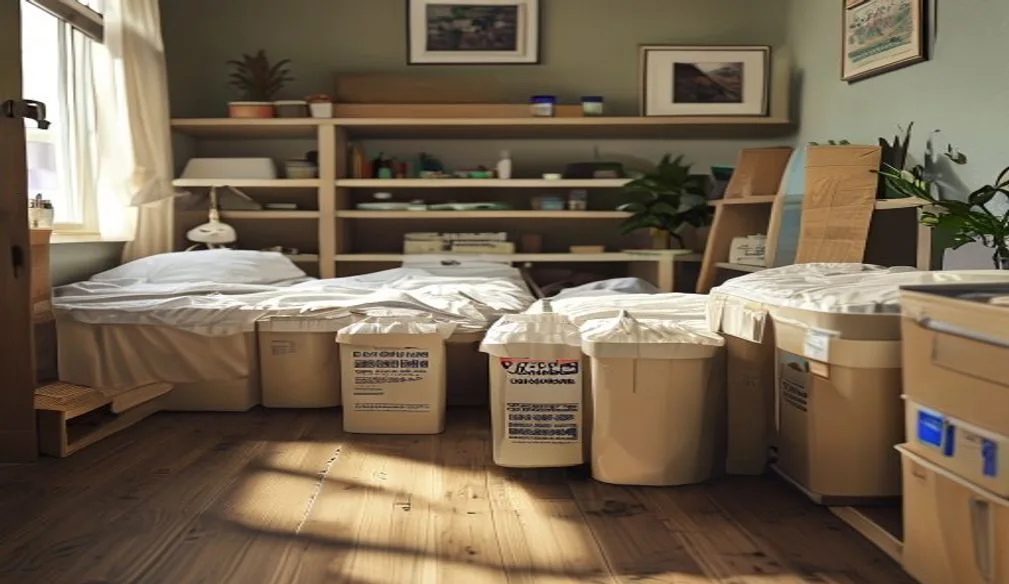
If you decide to throw away the mattress, doing it incorrectly can spread bed bugs to other areas of your home or to your neighbors. Follow these steps exactly:
- Seal the mattress in a heavy-duty plastic mattress bag designed for disposal. These bags are thicker than standard trash bags and less likely to tear
- Tape all seams and openings with duct tape to prevent any bed bugs from escaping during transport
- Label the bag clearly with a permanent marker: "INFESTED WITH BED BUGS — DO NOT TAKE"
- Transport the mattress directly to the disposal site without setting it down in common areas
- Notify your waste management service if required by local regulations. Some areas require special pickup for infested items
- Never leave the mattress on the curb overnight or place it in a dumpster without sealing it first
Preventing Re-Infestation
If you do replace your mattress, take these steps to prevent a new infestation on the new mattress:
| Timing | Purpose | |
|---|---|---|
| Install a bed bug-proof encasement on the new mattress | Immediately upon purchase | Prevents bed bugs from establishing harborage in the mattress |
| Install encasement on box spring as well | Same day as mattress | Box springs are a common hiding spot and are often overlooked |
| Elevate bed legs with interceptors | Before placing new mattress on frame | Traps bed bugs attempting to climb from floor to bed |
| Keep new mattress away from walls and furniture | Ongoing | Eliminates bridge routes for bed bugs to reach the bed |
| Inspect new mattress weekly for signs of bed bugs | For at least 12 months | Early detection prevents a full infestation |
Common Misconceptions about Bed Bugs and Mattresses
Several myths persist about bed bugs and mattresses. Here are the facts based on real-world pest management:
Myth: You must throw away everything in the bedroom. This is false. Bed bugs can be eliminated from most furniture, clothing, and belongings. Discarding items should be a last resort, not a first reaction. The cost of replacing a mattress is high enough — replacing an entire bedroom is unnecessary and wasteful.
Myth: Freezing the mattress kills bed bugs. This is unreliable. While bed bugs do die at temperatures below 0°F (-18°C), home freezers rarely reach and maintain this temperature consistently. The mattress must remain at this temperature for at least four days to ensure all life stages are killed. Most home freezers cannot accommodate a full mattress, and the center of the mattress may not reach lethal cold temperatures.
Frequently Asked Questions
Can bed bugs live in a foam mattress?
Bed bugs do not burrow inside memory foam, but they readily hide on seams, zippers, labels, and the underside edges where the cover meets the frame.
Foam mattresses still need encasements and seam inspections like any other bed. Focus on tufts, piping, and nearby furniture—not the foam core itself.
Can bed bugs live on memory foam mattresses?
Yes—bed bugs can live on memory foam mattresses by sheltering in seams, folds, and bed frames. They are not inside the foam block but on surfaces you touch when changing sheets.
Check piping with a flashlight, install a bed-bug-proof encasement, and isolate the bed from walls while you monitor or schedule professional treatment if needed.
Can you see bed bugs with the naked eye on a mattress?
Yes. Adult bed bugs are about apple-seed size (4–5 mm), reddish-brown, and visible on light-colored mattress fabric when you part the seams with a flashlight.
Nymphs and eggs are harder to spot but still visible as tiny pale insects or white pinhead ovals. Slow, close inspection beats a quick glance—check seams, tags, and box spring corners.
How do you identify bed bugs on a mattress?
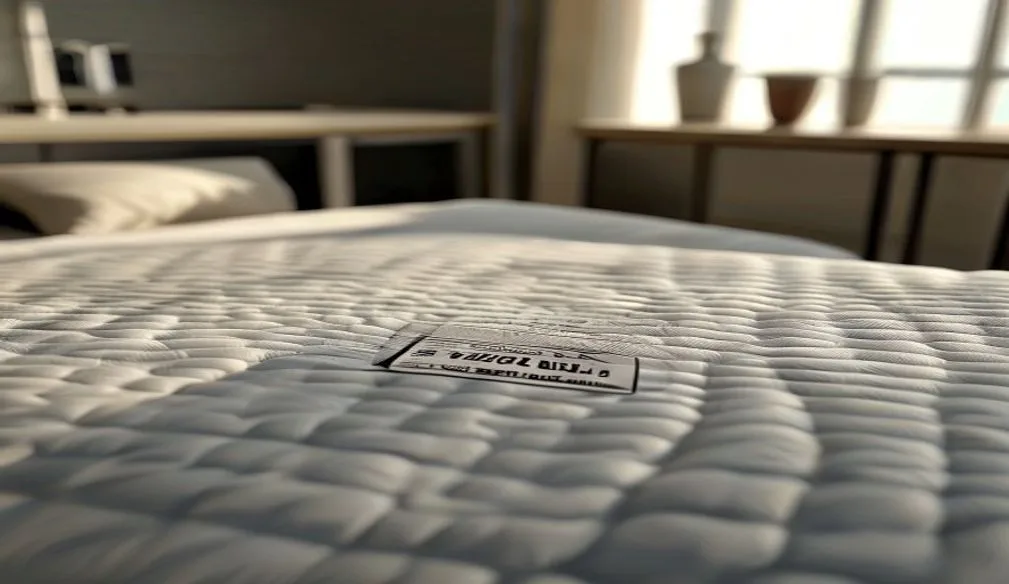
Strip bedding and run a flashlight along mattress seams, piping, tags, and the box spring corners. Adults are apple-seed sized; eggs are pinhead white ovals glued in clusters.
Look for rusty blood spots on sheets and dark fecal dots that smear when lightly wiped. Repeat on both sides of the mattress and the bed frame before deciding on encasements or professional help.