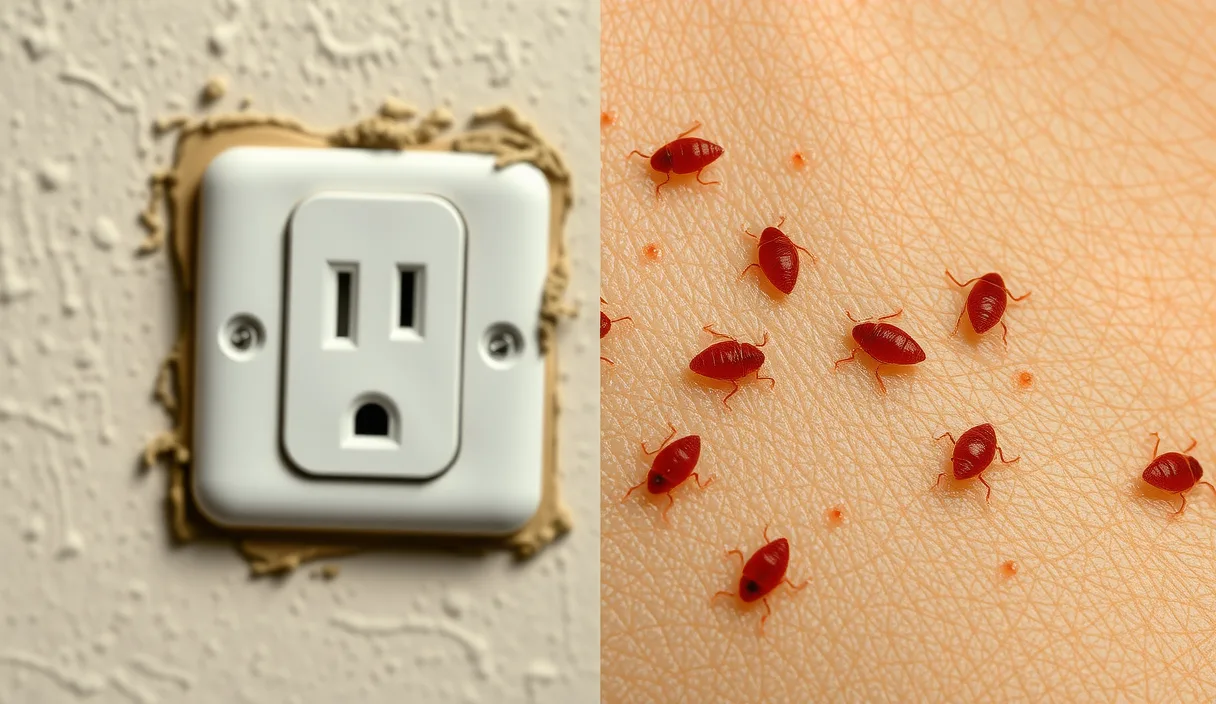
When returning from a trip, it's essential to identify bed bugs in your luggage to prevent infestations at home. Bed bugs can hide in small crevices and cracks, making them difficult to detect. To start, inspect your luggage thoroughly, paying attention to seams, zippers, and pockets, and wash and dry all clothing and fabrics as soon as possible. This initial inspection and cleaning process can significantly reduce the risk of bringing bed bugs into your home.
Immediate Action: First 24 Hours
In the first 24 hours after returning home, take the following steps to minimize the risk of bed bug infestation:
- Unpack your luggage outside or in a garage to prevent bed bugs from escaping into your home. This simple step can prevent a potential infestation from spreading.
- Inspect your luggage, including seams, zippers, and pockets, for signs of bed bugs, such as live bugs, eggs, or blood stains. Use a flashlight to illuminate dark areas and a magnifying glass to spot tiny eggs or bugs.
- Wash and dry all clothing and fabrics in hot water (at least 120°F) and high heat to kill bed bugs and their eggs. Dry cleaning can also be effective for non-washable items.
- Dry clean or seal in plastic bags any non-washable items, such as shoes or accessories, for at least 6 months. This will prevent any potential bed bugs from escaping and infesting your home.
- Vacuum your luggage and any surrounding areas with a vacuum cleaner that has a hose attachment and a bag, and dispose of the bag immediately after use. This will help remove any bed bugs or eggs that may have fallen off during the inspection process.
Identifying Bed Bugs and Their Signs
Bed bugs are small, flat, oval-shaped insects that feed on human blood. adult bed bugs are approximately 4-5 millimeters long, reddish-brown in color, and have a distinctive, unpleasant odor. To identify bed bugs, look for the following signs:
- Live bed bugs in various stages of development, from eggs to nymphs to adult bed bugs. These bugs can be found in cracks, crevices, and on surfaces.
- Bed bug eggs, which are white, about 1 millimeter long, and often found in cracks and crevices. These eggs can be difficult to spot, but are usually found in clusters.
- Bed bug feces, which appear as small, dark spots or blood stains on surfaces. These stains can be a sign of a large infestation.
- Shed skins, which are translucent and often found near areas where bed bugs are hiding. These skins can be a sign of a growing infestation.
Bed Bug Hiding Places
Bed bugs can hide in a variety of places, including:
- Seams and crevices of luggage, clothing, and furniture. These areas provide a cozy, protected space for bed bugs to hide.
- Behind wallpaper, baseboards, and moldings. These areas can be difficult to inspect, but are common hiding spots for bed bugs.
- In electrical outlets, switch plates, and other small openings. These areas can provide a convenient hiding spot for bed bugs.
- Under carpets, rugs, and mats. These areas can be difficult to inspect, but can harbor large infestations.
When to Call a Licensed Professional
If you suspect a bed bug infestation, it's essential to take action quickly to prevent the problem from spreading. While it's possible to identify and eliminate bed bugs on your own, in some cases, it may be necessary to call a licensed professional for assistance. Consider hiring a professional if:
- You have a large or widespread infestation. If you've found bed bugs in multiple rooms or areas, it may be time to call in a professional.
- You are unsure of how to identify or eliminate bed bugs. If you're not sure what you're looking for or how to get rid of the bugs, a professional can provide guidance and assistance.
- You have tried DIY methods and the problem persists. If you've tried washing and drying clothing, vacuuming, and sealing cracks and crevices, but the problem persists, it may be time to call a professional.
- You have a severe allergy or sensitivity to bed bug bites. If you or a family member has a severe reaction to bed bug bites, it's essential to eliminate the infestation quickly and effectively.
Preventing Future Infestations
To prevent future bed bug infestations, take the following steps:
- Inspect your luggage and clothing carefully after each trip. This can help prevent bed bugs from entering your home in the first place.
- Wash and dry all clothing and fabrics as soon as possible after returning home. This can help kill any bed bugs or eggs that may have hitched a ride into your home.
- Use a mattress cover and wash it regularly. This can help prevent bed bugs from infesting your mattress and box spring.
- Seal any cracks and crevices around your home, including around windows, doors, and baseboards. This can help prevent bed bugs from entering your home and spreading to other areas.
- Consider using a bed bug-proof luggage liner or encasing your luggage in plastic. This can help prevent bed bugs from entering your luggage in the first place.
Frequently Asked Questions
Here are some common questions and answers about identifying bed bugs in luggage:
- Q: How can I be sure I have bed bugs in my luggage? A: Look for live bed bugs, eggs, or blood stains in your luggage, and inspect your body for bites or rashes. If you're still unsure, consider consulting a professional.
- Q: Can I use a DIY method to eliminate bed bugs from my luggage? A: Yes, but it's essential to be thorough and persistent, as bed bugs can be difficult to eliminate completely. Make sure to wash and dry all clothing and fabrics, vacuum your luggage and surrounding areas, and seal any cracks and crevices.
- Q: How long does it take to get rid of bed bugs? A: The time it takes to eliminate bed bugs depends on the severity of the infestation and the effectiveness of the treatment method. In some cases, it may take several weeks or even months to completely eliminate the infestation.
- Q: Can I prevent bed bugs from infesting my home? A: Yes, by taking steps such as inspecting your luggage and clothing carefully, washing and drying all fabrics, and sealing cracks and crevices around your home. Regular inspections and maintenance can help prevent infestations from occurring in the first place.
- Q: What should I do if I find bed bugs in my luggage? A: Wash and dry all clothing and fabrics, vacuum your luggage and surrounding areas, and consider hiring a licensed professional if the infestation is severe or persistent. It's also essential to inspect your home and take steps to prevent the infestation from spreading.
| Signs of Bed Bugs | Description |
|---|---|
| Live Bed Bugs | Small, flat, oval-shaped insects that feed on human blood |
| Bed Bug Eggs | White, about 1 millimeter long, and often found in cracks and crevices |
| Bed Bug Feces | Small, dark spots or blood stains on surfaces |
| Shed Skins | Translucent and often found near areas where bed bugs are hiding |
Additional Tips for Preventing Bed Bug Infestations
In addition to the steps outlined above, there are several other things you can do to prevent bed bug infestations. These include:
- Using a bed bug-proof mattress cover and washing it regularly
- Sealing any cracks and crevices around your home, including around windows, doors, and baseboards
- Inspecting your home regularly for signs of bed bugs, including live bugs, eggs, and feces
- Using a dehumidifier to reduce the humidity in your home, as bed bugs prefer a humid environment
- Avoiding bringing used furniture or items into your home without inspecting them first
Conclusion of Prevention Methods
Preventing bed bug infestations requires a combination of vigilance, maintenance, and proactive steps. By following the tips outlined above, you can reduce the risk of bringing bed bugs into your home and prevent infestations from occurring. Remember to always inspect your luggage and clothing carefully after each trip, wash and dry all fabrics, and seal any cracks and crevices around your home. With these steps and a little bit of knowledge, you can keep your home bed bug-free.
Frequently Asked Questions
How do you identify bed bugs in luggage after travel?
Empty your bag outdoors or over a light sheet and inspect seams, zippers, pockets, and the luggage liner with a flashlight. Look for live bugs, tiny white eggs, and dark fecal specks.
Vacuum the suitcase, wipe hard surfaces, and store it away from bedrooms until you are sure it is clear. Wash clothes on hot dry if you stayed somewhere with suspected activity.
What are signs of bed bugs in luggage after travel?
After travel, check luggage and nearby areas for bed bug signs such as tiny brown spots (fecal marks), pale shed skins, small eggs or eggshells, and live or flattened bugs. Early detection can help prevent establishing an infestation in your home.
Can bed bugs travel on my luggage after a trip?
Yes, bed bugs can hide in luggage, bags, and personal items after visiting a hotel or public space. This is a common way they move between locations.
- Inspect seams, pockets, and corners of your luggage.
- Keep bags on luggage racks or hard surfaces.
- Wash and dry travel clothes on high heat when you return home.
These steps help lower the chance of bed bugs spreading into your home.
How can I reduce the chance of bringing bed bugs home from travel?
Travel smart habits can lower the risk of picking up bed bugs and spreading them to your home.
- Inspect hotel rooms for live bugs, shed skins, or dark spots on mattresses and furniture.
- Keep luggage on a luggage rack away from beds and walls; consider using a hard-shell case.
- Wash and dry travel clothes on high heat as soon as possible after returning home.
- Store luggage in a sealed area for several weeks if you suspect exposure.
Early detection and careful storage help with prevention and make follow-up easier if needed.