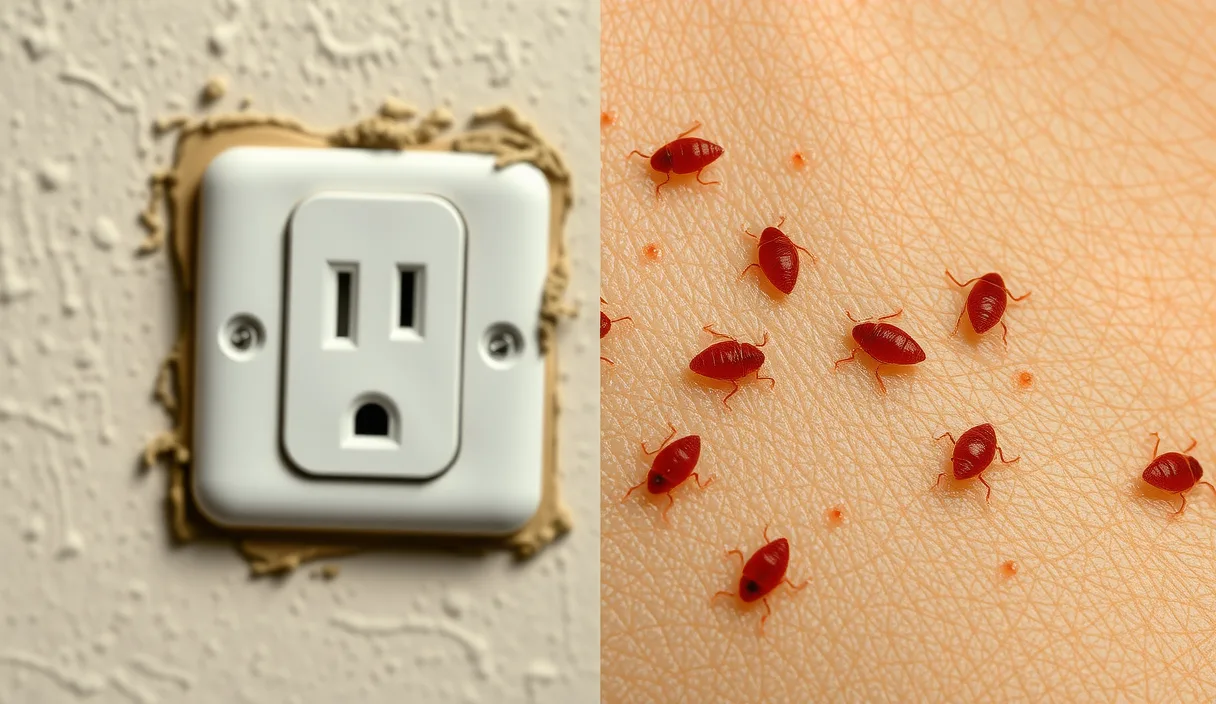
Identifying bed bugs in bookshelves and wall hangings requires a thorough inspection and knowledge of the signs to look for. As a licensed pest control specialist with over 20 years of experience, I recommend starting by checking for live bugs, eggs, and shed skins in the seams and crevices of these areas. In my field work, I often see homeowners miss the early signs of infestation, which can lead to a more extensive and costly problem down the line. It's crucial to take immediate action to prevent the infestation from spreading, and I'll guide you through the necessary steps to take tonight and in the following days.
Immediate Steps: What to Do Tonight
To take immediate action, follow these steps tonight:
- Turn off the lights and use a flashlight to inspect the bookshelves and wall hangings, as bed bugs are more active in the dark.
- Check for live bugs, eggs, and shed skins in the seams and crevices of the bookshelves and wall hangings.
- Look for small, red-brown spots or bloodstains on the walls, furniture, and bedding, which can indicate bed bug activity.
- Wash and dry any bedding, clothing, or fabrics that may have come into contact with the infested area, using hot water and high heat to kill any bed bugs or eggs.
Understanding Bed Bug Behavior and Habitat
Bed bugs are attracted to warmth, moisture, and the carbon dioxide emitted by humans. They are most active at night and can survive for several months without feeding. In my experience, bed bugs often hide in small, enclosed spaces, such as the seams of mattresses, box springs, and upholstered furniture. Bookshelves and wall hangings can provide a similar hiding place, especially if they are near a bed or other sleeping area. Bed bugs can also be found in other areas, such as behind wallpaper, in electrical outlets, and inside furniture.
It's essential to inspect these areas thoroughly, using a flashlight and a magnifying glass to help spot any signs of bed bugs. I recommend inspecting all areas of the room, including the floor, baseboards, and windows, to ensure that you don't miss any potential hiding spots. Additionally, it's crucial to check for any signs of bed bug activity, such as live bugs, eggs, or shed skins, in areas where people tend to congregate, like couches, chairs, and beds.
Signs of Bed Bug Infestation
Some common signs of bed bug infestation include:
- Live bugs, which are about 4-5 millimeters long, flat, and oval-shaped, with a reddish-brown color.
- Eggs, which are white, about 1 millimeter long, and often found in cracks and crevices.
- Shed skins, which are translucent and look like empty bug shells.
- Bloodstains or small, red-brown spots on walls, furniture, and bedding.
In addition to these signs, it's also important to look for other indicators of bed bug activity, such as a sweet, musty odor, which is often compared to the smell of overripe fruit or coriander. This odor can be a sign of a large infestation and can be difficult to eliminate. I recommend using a combination of visual inspections and odor detection to identify potential bed bug infestations.
When to Call a Licensed Professional
While it's possible to identify and treat bed bugs on your own, it's often recommended to call a licensed pest control professional, especially if the infestation is severe or widespread. A professional can help:
- Confirm the presence of bed bugs and identify the extent of the infestation.
- Develop a treatment plan, which may include the use of heat treatment, sealing off hiding places, and other non-chemical methods.
- Provide guidance on how to prevent future infestations and reduce the risk of bed bugs.
A licensed professional can also help you identify any underlying conditions that may be contributing to the infestation, such as poor ventilation, high humidity, or inadequate cleaning. By addressing these underlying conditions, you can reduce the risk of future infestations and create a more bed bug-resistant environment.
Prevention and Treatment Methods
To prevent bed bug infestations, it's essential to take proactive steps, such as:
- Inspecting second-hand furniture and items before bringing them into your home.
- Using mattress encasements and washing bedding regularly.
- Sealing cracks and crevices around windows, doors, and baseboards.
- Reducing clutter and keeping your home clean and organized.
Treatment methods may include the use of heat treatment, sealing off hiding places, and other non-chemical methods. It's crucial to choose a treatment method that is effective and safe for your family and pets. I recommend consulting with a licensed professional to determine the best course of treatment for your specific situation.
Heat Treatment vs. Non-Chemical Methods
| Advantages | Disadvantages | |
|---|---|---|
| Heat Treatment | Kills bed bugs and eggs, non-toxic, and can be used on a variety of surfaces | Requires specialized equipment, can be expensive, and may not penetrate all hiding places |
| Non-Chemical Methods | Can be effective, relatively inexpensive, and easy to apply | May not kill eggs, can be time-consuming, and may require repeated applications |
In addition to heat treatment and non-chemical methods, there are other approaches that can be used to treat bed bug infestations, such as cold treatment, which involves using a specialized machine to cool a room or area to a temperature that is lethal to bed bugs. Cold treatment can be an effective alternative to heat treatment, especially in situations where heat treatment is not feasible.
Frequently Asked Questions
Here are some common questions and answers about identifying and treating bed bugs in bookshelves and wall hangings:
- Q: How do I know if I have bed bugs in my bookshelves or wall hangings?
- A: Look for live bugs, eggs, and shed skins in the seams and crevices of these areas, and check for small, red-brown spots or bloodstains on the walls, furniture, and bedding.
- Q: Can I treat bed bugs on my own, or do I need to call a professional?
- A: While it's possible to identify and treat bed bugs on your own, it's often recommended to call a licensed pest control professional, especially if the infestation is severe or widespread.
- Q: How can I prevent bed bugs from infesting my bookshelves and wall hangings in the future?
- A: Inspect second-hand furniture and items before bringing them into your home, use mattress encasements, wash bedding regularly, seal cracks and crevices, and reduce clutter and keep your home clean and organized.
- Q: What are some common mistakes people make when trying to treat bed bugs on their own?
- A: Common mistakes include using the wrong treatment methods, not thoroughly inspecting all areas of the home, and not following up with repeated treatments to ensure that the infestation is fully eliminated.
- Q: How long does it take to get rid of bed bugs?
- A: The time it takes to get rid of bed bugs can vary depending on the severity of the infestation and the effectiveness of the treatment method. In some cases, it may take several weeks or even months to fully eliminate the infestation.
Frequently Asked Questions
How do you spot bed bugs in bookshelves and wall hangings?
Check where the shelf meets the wall, behind framed art, and along book spines that touch the headboard area. Bed bugs squeeze into tight gaps and may leave pepper-like fecal dots on paper edges or walls.
Use a flashlight and credit card to scrape along shelf lips. If you see bugs, eggs, or clustered stains, inspect the nearby bed and baseboards before moving items to other rooms.
How do you identify bed bugs in luggage after travel?
Empty your bag outdoors or over a light sheet and inspect seams, zippers, pockets, and the luggage liner with a flashlight. Look for live bugs, tiny white eggs, and dark fecal specks.
Vacuum the suitcase, wipe hard surfaces, and store it away from bedrooms until you are sure it is clear. Wash clothes on hot dry if you stayed somewhere with suspected activity.
How do you identify bed bugs on a mattress?
Strip bedding and run a flashlight along mattress seams, piping, tags, and the box spring corners. Adults are apple-seed sized; eggs are pinhead white ovals glued in clusters.
Look for rusty blood spots on sheets and dark fecal dots that smear when lightly wiped. Repeat on both sides of the mattress and the bed frame before deciding on encasements or professional help.
How do you identify bed bugs at home?
Start where people sleep: mattress seams, headboards, and nightstands within arm's reach. Confirm with multiple signs—live bugs, shed skins, eggs, or fecal spots—not bites alone.
Document photos, avoid moving infested items through the house, and consider a licensed inspector if signs are unclear. Early ID limits spread to couches, luggage, and closets.