Keeping a home free of bed bugs requires more than occasional vigilance. These insects are master hitchhikers, and their eggs are cemented to surfaces with a strong adhesive that makes mechanical removal difficult. A single missed egg or hidden adult can restart an infestation within weeks. This checklist is built on the practical, step-by-step actions that experienced pest control professionals use to achieve and maintain a bed bug free home. It focuses on what actually works — heat, isolation, physical removal, and consistent monitoring — without relying on gimmicks or unproven methods.
Inspection Protocols: Finding the Signs Before They Find You
Regular inspection is the backbone of prevention. You do not need special equipment beyond a bright flashlight, a magnifying glass, and a thin, stiff card like an old credit card. The goal is to look for the insects themselves, their shed skins, and the small, rust-colored fecal spots they leave behind.
Where to Look First
- Seams and tufts of mattresses and box springs. Pull back the fabric and check the folds. Use the stiff card to scrape along the seam — this can dislodge eggs or bugs hiding deep inside.
- Behind headboards and bed frames. Bed bugs prefer to rest close to their host. Inspect the back side of the headboard, especially where it touches the wall. Check screw holes, joints, and any crevice wide enough to insert a credit card edge.
- Baseboards and electrical outlets near the bed. Remove outlet faceplates carefully and inspect the interior with a flashlight. Bed bugs can travel through wall voids.
- Furniture joints and underneath cushions. Sofas, chairs, and nightstands are common hiding spots. Flip the furniture over and inspect the bottom fabric and wooden frames.
- Luggage, backpacks, and handbags. Any item that travels outside your home should be inspected before it enters a bedroom.
Understanding What You Are Looking For
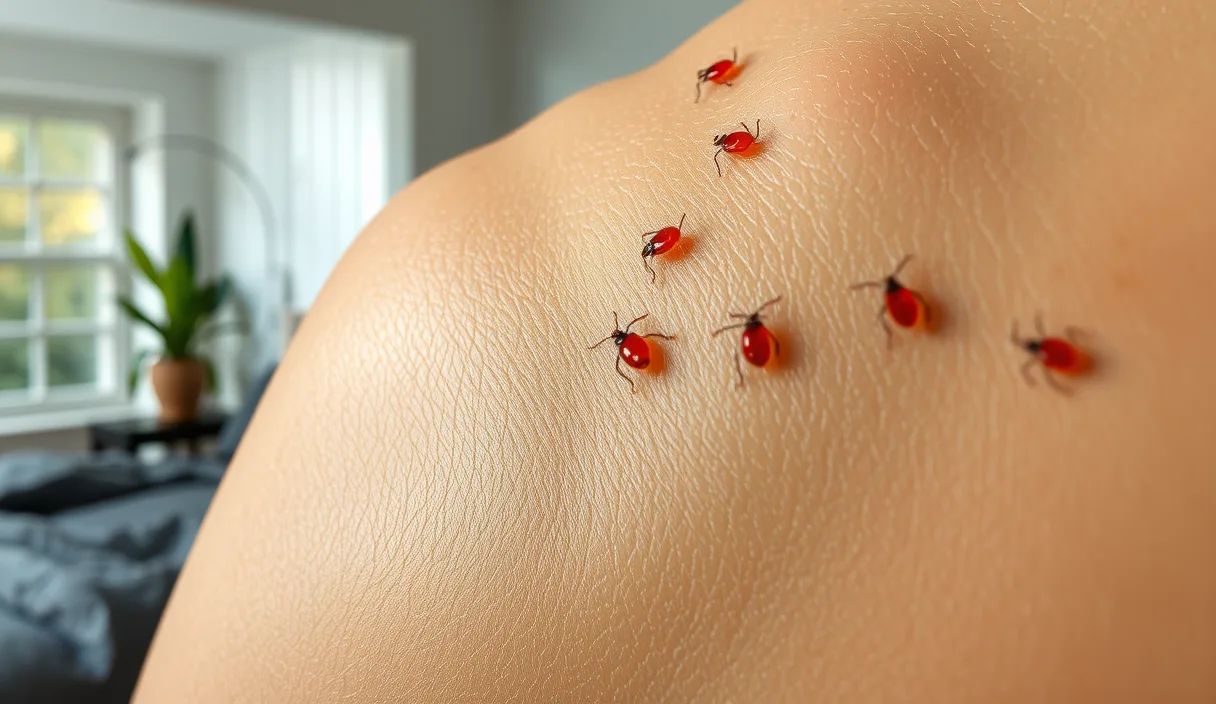
Sign Description What It Tells You Live bed bugs Adult: 4–5 mm, reddish-brown, oval, flat. Nymphs: smaller, translucent to tan. Active infestation present. Fecal spots Tiny, dark, ink-like dots on mattress seams, sheets, or walls. They smear when wiped with a damp cloth. Bed bugs have been feeding and hiding nearby. Shed skins (exuviae) Pale, hollow, translucent shells that look like the bug itself. Nymphs have matured, indicating an established population. Eggs Pearl-white, about 1 mm, shaped like a tiny grain of rice. They are glued to fabric, wood, or crevices. Reproduction is occurring. Eggs are resistant to brushing and many sprays. Blood spots Small, rusty or red smears on sheets. A bed bug was crushed after feeding, or a feeding site bled slightly. Heat Treatment: The Most Reliable Non-Chemical Kill Method
Sustained heat is the single most effective way to kill bed bugs and their eggs without using pesticides. The key word is sustained. Bed bugs die at 120°F (49°C) or higher, but only if that temperature is maintained long enough for the heat to penetrate the center of the item. A quick blast of hot air will not work.
Using Your Clothes Dryer Correctly
Your home dryer is a powerful tool, but it is frequently misused. Simply washing infested items in hot water will not reliably kill eggs because the adhesive that cements them to fabric protects them from water flow. The dryer is the critical step.
- Set the dryer to the highest heat setting that is safe for the fabric. For cotton, linen, and most synthetics, this is typically "high" or "cotton/high."
- Run the cycle for at least 45 to 60 minutes after the clothes are fully dry. The heat needs time to soak into the center of the load. A 30-minute cycle on a small load may be enough, but a full load requires the longer time.
- Do not overload the dryer. Heat must circulate freely. Overloading creates cold spots where bugs survive.
- Transfer items directly from the infested area to the dryer in a sealed plastic bag. Empty the bag into the dryer and immediately discard the bag outside.
Portable Heat Chambers for Non-Washable Items
Items like shoes, books, electronics, and toys cannot go in the washer. You can build a simple heat chamber using a large plastic storage bin and a portable space heater with a thermostat. Place the items inside the bin, set the heater to maintain 120°F, and seal the bin. Monitor the temperature with a remote probe thermometer. Keep the items inside for at least four hours to ensure the heat penetrates all layers. Do not leave the heater unattended. A safer alternative is to use a professional heat box available from pest control suppliers.
Isolation and Containment: Stopping the Spread
Once you have identified an infestation, your first priority is to isolate the bed and prevent bed bugs from climbing onto it. This buys you time to treat the rest of the room.
Mattress and Box Spring Encasements
Purchase high-quality, bed bug-proof encasements for your mattress and box spring. These zippered covers are made of a tightly woven fabric that bed bugs cannot bite through or escape from. The encasement traps any bugs already inside the mattress and prevents new ones from getting in.
- Leave the encasement on for at least 18 months. Bed bugs can survive for months without feeding, and eggs can take up to two weeks to hatch. A full year ensures any trapped bugs die of starvation.
- Inspect the encasement regularly for tears or holes. Even a small rip provides an escape route.
- Do not remove the encasement to "air out" the mattress. It is designed to stay on permanently.
Bed Leg Interceptors
Place smooth-sided plastic interceptors under each bed leg. These devices have a moat that bed bugs cannot climb out of. They serve two purposes: they catch bugs trying to climb the bed, and they act as a monitoring tool. Check the interceptors weekly. If you see bugs inside, you know the infestation is still active.
- Ensure the bed does not touch the wall or any furniture. Bed bugs can climb walls and drop onto the bed from above. Pull the bed at least two inches away from the wall.
- Remove bed skirts and dust ruffles. These provide a bridge for bed bugs to climb from the floor to the bed.
- Move the bed away from nightstands and dressers. No furniture should be touching the bed frame.
Steam and Vacuuming: Physical Removal Tactics
Steam and vacuuming are complementary methods. Steam kills bed bugs and eggs on contact with high heat, while vacuuming removes them physically. Neither method alone is sufficient, but together they are highly effective for treating furniture, baseboards, and carpets.
Steam Cleaning
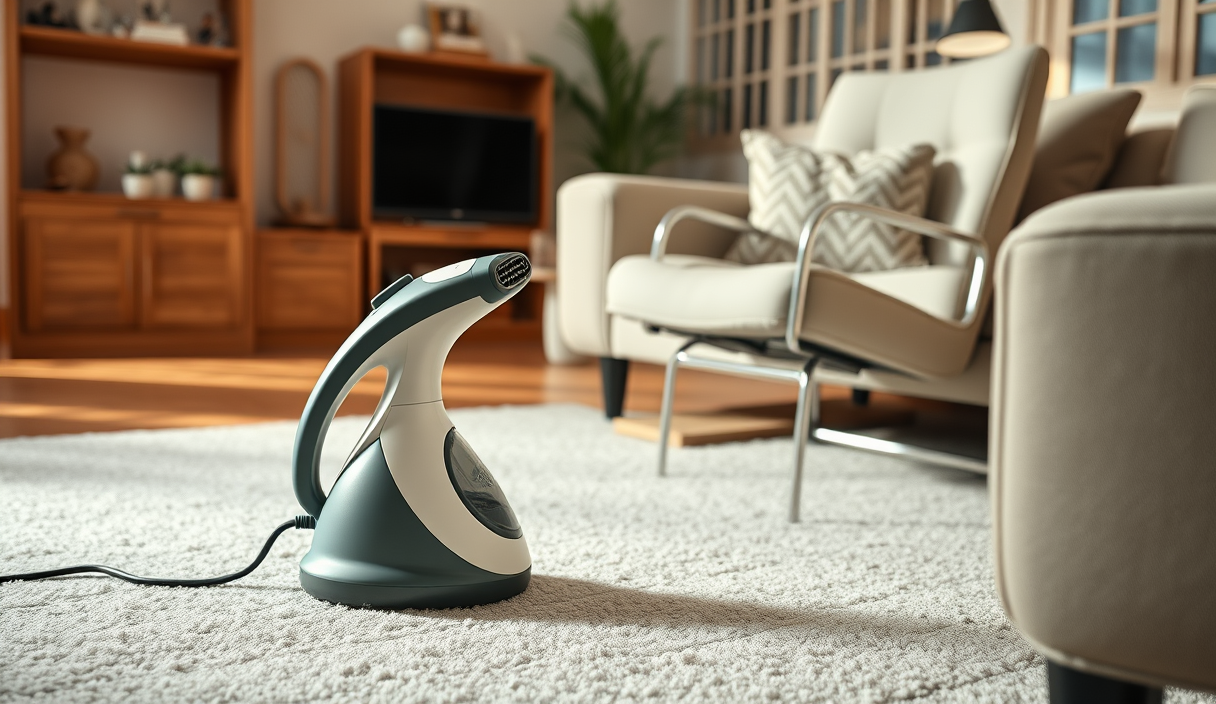
Use a steamer that produces dry steam at a temperature of at least 200°F (93°C). The steam nozzle should be moved slowly over the surface — about one inch per second — to ensure the heat penetrates the fabric or crevice. Focus on mattress seams, sofa cushions, curtain folds, and baseboard cracks. Steam can damage some materials, so test an inconspicuous area first.
Vacuuming Strategy
- Use a vacuum with a HEPA filter to trap the bugs and prevent them from being blown back into the room.
- Vacuum all mattress seams, box springs, bed frames, baseboards, carpets, and upholstered furniture.
- Immediately after vacuuming, remove the vacuum bag (or empty the canister into a sealed plastic bag) and discard it outside your home. Do not leave the bag indoors.
- Clean the vacuum brush and canister with hot, soapy water after each use. Bed bug eggs can stick to the brush and be transferred to another room.
Laundering and Decluttering: Reducing Hiding Places
Bed bugs thrive in cluttered environments because clutter gives them more places to hide and makes treatment harder. Decluttering is not just about aesthetics — it is a critical step in making your home treatable.
Laundering Protocol
- Sort infested laundry directly into sealed plastic bags. Do not carry loose clothes through the house.
- Wash in hot water if possible, but understand that washing alone is unlikely to kill eggs. The dryer is the essential step.
- Dry on high heat for at least 45 minutes. This kills all life stages, including eggs.
- Store clean laundry in sealed plastic bins or bags until the infestation is resolved.
Decluttering Steps
- Remove cardboard boxes. Bed bugs hide in the corrugation, and cardboard is difficult to inspect. Replace with clear plastic bins with snap-on lids.
- Reduce items under the bed. Storage under the bed provides a direct path for bed bugs to travel from the floor to the sleeping area.
- Minimize items on nightstands and dressers. Books, magazines, and electronics create hiding spots near the bed.
- Seal cracks in baseboards and walls with caulk to eliminate hiding places.
Chemical Treatments: When and How to Use Them Safely
Chemical treatments can be part of a bed bug control plan, but they are not a substitute for heat, isolation, and physical removal. Many over-the-counter sprays are ineffective because bed bugs have developed resistance to common pyrethroid insecticides. If you choose to use chemicals, follow these guidelines.
- Use products labeled specifically for bed bugs. General household insecticides may not kill bed bugs and can be dangerous to humans and pets.
- Apply only to cracks and crevices, not to exposed surfaces. You do not want to sleep on a bed that has been sprayed with pesticide.
- Do not use bug bombs or foggers. They are ineffective against bed bugs and can cause the insects to scatter deeper into walls, making the problem worse.
- Consider desiccant dusts like diatomaceous earth (food grade) or silica gel. These dusts work by absorbing the waxy coating on bed bugs' exoskeletons, causing them to dry out. Apply a thin, barely visible layer to cracks and crevices. Do not puff it into the air — inhaling the dust is harmful.
- Rotate chemical classes if you use them repeatedly. Bed bugs can develop resistance to a single chemical class. A professional pest control operator can advise on rotation schedules.
Monitoring After Treatment: Proving the Infestation Is Gone
You cannot assume the problem is solved after one treatment. Bed bugs are resilient, and eggs can survive if the heat or chemical did not reach them. A monitoring plan is essential to confirm success.
Monitoring Tools
- Bed leg interceptors. Leave them in place for at least three months after the last treatment. Check them weekly. If you see no bugs for two consecutive months, the infestation is likely eliminated.
- Passive monitors. Small sticky traps or pitfall traps placed along baseboards near the bed can catch wandering bugs.
- Visual inspections. Continue inspecting mattress seams, headboards, and furniture weekly for four to six weeks after treatment.
When to Call a Professional
If you have followed this checklist diligently for three weeks and still find signs of bed bugs, it is time to call a licensed pest control operator. A professional has access to commercial-grade heat equipment, steamers, and chemical formulations that are not available to consumers. They can also inspect adjacent apartments or rooms if you live in a multi-unit building, because bed bugs travel through walls and shared spaces.
Frequently Asked Questions
Can I get rid of bed bugs by washing everything in cold water?
No. Cold water will not kill bed bugs or their eggs. Washing in hot water may kill adults and nymphs, but eggs are cemented to fabric and may survive the wash cycle. The only reliable method to kill all life stages in laundry is to dry the items on high heat for at least 45 minutes.
Do bed bug eggs glow under a blacklight?
How long does it take to get a bed bug free home?
With aggressive treatment using heat, isolation, and vacuuming, you can eliminate an active infestation in two to four weeks. However, it is common to require follow-up treatments because eggs can hatch up to two weeks after the initial treatment. Monitoring for at least two months after the last sign is recommended.
Are bed bugs a sign of poor hygiene?
No. Bed bugs are not attracted to dirt or filth. They are attracted to warmth and carbon dioxide, which humans emit. Anyone can get bed bugs, regardless of how clean their home is. However, clutter does provide more hiding places, making an infestation harder to treat.
Can I use rubbing alcohol to kill bed bugs?
Rubbing alcohol can kill bed bugs on direct contact, but it evaporates quickly and does not penetrate into cracks and crevices. It is also highly flammable and should not be used near heat sources or electrical outlets. It is not a reliable treatment method and is not recommended by pest control professionals.
What should I do with my mattress if I have bed bugs?
Do not throw away your mattress unless it is severely infested and damaged. A high-quality bed bug-proof encasement will trap any bugs inside and prevent new ones from entering. Encasing the mattress is more effective and far less expensive than buying a new one, which could become infested again immediately.
Frequently Asked Questions
How do I identify bed bug bites vs other insect bites?
Bed bug bites often appear in a line or cluster, are intensely itchy, and may take a few days to show. Unlike flea bites, which are mainly around the ankles, bed bugs can occur on any exposed skin.
Common signs include small red bumps, possible swelling, and a central puncture mark. If you suspect bed bugs, capture a specimen or photograph bites and contact a pest professional for confirmation.
How can landlords prevent and manage bed bug infestations?
Landlords can reduce risks with clear lease clauses, routine inspections in high-turnover units, and prompt response to reports. Use integrated pest management and choose licensed professionals for inspections and treatments.
Document conditions before and after tenancy, communicate prevention steps to tenants, and coordinate with neighbors in multi-unit buildings to limit spread.
How do I prepare for a professional bed bug treatment?
Follow these steps to help a pest professional be effective and safe.
- Wash and dry infested clothing and linens on the hottest settings allowed.
- Declutter floors and surfaces to reduce hiding spots.
- Seal items you cannot treat in labeled plastic bags until they can be inspected or treated.
Discuss any health concerns or special needs with your pest control provider before treatment.
How long do bed bugs live without a blood meal?
Bed bugs can survive several months without feeding, though many live closer to 5–6 weeks under typical home conditions. Factors like temperature, humidity, and life stage influence their survival time.
What does a bed bug infestation smell like?
Heavy infestations may produce a sweet, musty odor described as similar to berries or coriander. This scent comes from scent glands and is more noticeable when bugs are disturbed or clustered.