A mattress encasement is the single most reliable physical barrier against bed bugs, and choosing the right one matters more than most product pages admit. The goal is straightforward: lock any bed bugs already inside the mattress and box spring so they starve, die, and cannot feed on you while you sleep. In my field work, I have watched encasements turn a six-month headache into a twelve-week resolution, and I have also seen cheap covers fail within a season. The difference comes down to fabric weave, zipper design, fit, and whether the encasement is independently tested.
What a Bed Bug Encasement Actually Does
An encasement is not a mattress protector. A protector sits on top of the mattress like a fitted sheet and does nothing to seal seams. An encasement wraps the entire mattress — top, bottom, and all four sides — and closes with a zipper or a zip-and-snap system. Once sealed, any bed bugs trapped inside the mattress core cannot escape to feed, and any new bugs on the outside cannot burrow into the foam or fabric layers where they are nearly impossible to reach with a vacuum.
The starvation timeline is real but slower than most labels suggest. adult bed bugs can survive roughly two to three months without a blood meal at room temperature, and cooler bedrooms stretch that further. I tell clients to plan on keeping the encasement sealed for at least twelve to eighteen months to be safe, not the sixty-day window some marketing copy promises. Eggs hatch on their own schedule, and newly hatched nymphs need a meal before they die, so patience is part of the protocol.
Fabric, Weave, and Zipper: What to Look For
The fabric has to stop a bed bug from pushing through with its head. Bed bugs are flat, roughly apple-seed sized as adult bed bugs, and they can squeeze through openings as small as 1 mm under pressure. A woven fabric with a pore size under 1 mm, or a knit that has been tested against bed bug passage, is the baseline. Stretchy knit covers marketed as "soft" often relax over time and open the weave; I have inspected encasements six months in where the fabric had bagged at the corners and the weave had visibly loosened.
Look for these features when comparing options:
- Fabric pore or weave rating stated on the packaging or product sheet, ideally with a referenced lab test.
- Zipper with a flap or hook-and-loop guard so the teeth cannot be pushed apart from the inside.
- Reinforced seams at stress points, especially the corners where the cover takes the most pull.
- Bug-entry warranty of at least two years, written into the product listing rather than buried in marketing.
The zipper is the part most buyers underestimate. A standard coil zipper can be peeled open from the inside by a hungry bed bug. Quality encasements use a fine-tooth zipper with a fabric overlap that covers the closed teeth, and some add a secondary snap or Velcro flap. If you can see daylight through the zipper when it is closed, return the product.
Sizing the Encasement to Your Bed
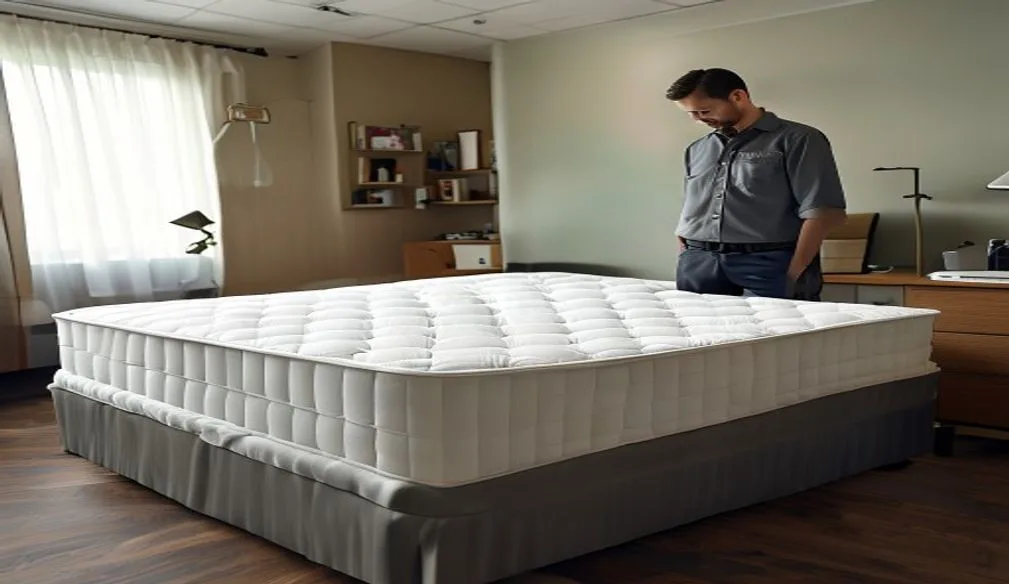
Measure your mattress depth before you order, not just length and width. Pillow-top and euro-top mattresses routinely run 14 to 16 inches deep, and many "deep pocket" encasements stop at 12 inches. A cover that is too short pulls at the corners, stresses the seams, and leaves a gap at the bottom where the zipper sits. A cover that is too deep wrinkles and bunches, which creates hiding spots on the outside surface that bed bugs can use.
What I tell clients is simple: measure three points — the head, the foot, and the middle of the mattress — and use the deepest measurement. If your mattress is 15 inches, buy an encasement rated to 16 or 17 inches. The extra fabric is easier to manage than a cover that fights you during installation.
Installing the Encasement Without Spreading Bugs
Installation is the moment when a careful plan can fall apart. Bed bugs shaken loose during the process can drop onto the floor, the bed frame, or the carpet and seed a new infestation. I have walked into homes where the encasement was on correctly but the floor around the bed was alive with bugs because nobody thought about containment.
Strip the bed in the room where it lives, not in the hallway. Bag the sheets and pillowcases in a sealed plastic bag and run them straight to the dryer on high heat for at least thirty minutes before washing. Vacuum the mattress, the box spring, the bed frame, and the floor immediately around the bed with a crevice tool, and seal the vacuum bag or empty the canister into a plastic bag outdoors. Only then slide the encasement on.
Zip slowly and check the teeth as you go. Fold the fabric flap over the closed zipper and fasten any secondary closure. If you are also encasing the box spring, do it in the same session so you are not handling a half-protected bed twice.
Encasement vs. Mattress Protector: A Direct Comparison
People confuse the two constantly, and the difference matters in an active infestation. The table below shows how they stack up on the points that actually decide whether the product helps you.
| Mattress Encasement | Standard Mattress Protector | |
|---|---|---|
| Coverage | Full mattress, top to bottom, all sides | Top surface only, like a fitted sheet |
| Closure | Zipper, often with flap or guard | Elastic band around the perimeter |
| Bed bug barrier | Seals bugs inside and outside the core | Does not block entry or exit |
| Use during infestation | Yes, leave sealed 12 to 18 months | No, not designed for this purpose |
| Typical cost | Higher, due to fabric and zipper | Lower, basic waterproof models |
If you are buying one product to deal with an active problem, the encasement is the only one of the two that earns its keep.
Box Spring and Headboard: The Parts People Forget
The mattress gets all the attention, but the box spring is often the heaviest infested component in the room. Bed bugs hide in the wooden or metal frame, between the fabric and the dust cover, and along the staples that hold the cover in place. A box spring encasement is not optional in a real infestation. Without it, you can lock down the mattress and still leave a thriving colony one layer below.
The headboard deserves a hard look too. Upholstered headboards are common hiding spots, and no encasement touches them. If the headboard is fabric and you have confirmed activity, the safest move is to have a pest management professional evaluate it. Solid wood or metal headboards can be wiped down and inspected along the seams; fabric ones usually cannot be salvaged once bed bugs are established inside.
How Long to Keep the Encasement Sealed
Twelve months is the minimum I recommend, and eighteen is safer in cooler homes. The reason is biology, not marketing. A sealed bed bug inside the mattress can survive months without feeding, and eggs hatch on a delayed schedule. Cutting the encasement open early to "check" defeats the purpose and gives any survivors a meal the moment you lie down.
Inspect the outside of the encasement monthly. Look for live bugs crawling on the surface, dark spotting that looks like ink stains, and shed skins in the zipper tracks. If you see activity, the encasement is doing its job by keeping the bugs on the outside where you can find them. Capture what you see on a piece of tape or in a sealed bag and contact a licensed pest management professional to reassess the treatment plan.
When to Bring in a Licensed Pest Professional
An encasement is one tool, not a complete solution. If you are seeing live bugs on the mattress surface, on the bed frame, on the walls near the bed, or in adjacent rooms, the infestation has spread beyond what an encasement alone can resolve. A licensed pest management professional can confirm the scope, identify the rooms affected, and recommend a treatment approach that combines the encasement with other non-chemical or professionally applied methods.
What I often see in homes that struggle for months is a piecemeal approach — one encasement here, a store-bought device there, no coordinated plan. A professional brings the inspection discipline that most homeowners cannot replicate on their own, and that is usually what turns the corner. If you are renting, notify your landlord in writing the same day you confirm activity; documentation protects you if the treatment timeline drags.
Practical Questions Homeowners Ask Me
Can I put an encasement on a mattress that already has bed bugs inside? Yes. That is exactly what it is designed for. Vacuum the mattress first, seal it, and leave it sealed for at least twelve months.
Will the encasement make my bed feel different to sleep on? Quality encasements add a thin, smooth layer. If the cover feels stiff or noisy, the fabric is likely a lower-grade polymer blend and may not breathe well in summer.
Do I need to encase the pillows too? Pillow encasements are a good idea during an active infestation. They follow the same logic as the mattress and box spring — seal the bugs in, starve them out.
Can I wash the encasement in the washing machine? Most can be machine washed cold and tumble dried low. Do not dry clean, and avoid bleach unless the care label specifically allows it. Heat from the dryer is what kills bed bugs on bedding, not the wash cycle.
How do I know the encasement is actually bed bug rated? Look for a written warranty against bed bug entry or escape, and a fabric specification that lists pore size or weave rating. Vague claims like "bed bug proof" without a test reference are a red flag.
Next Steps If You Are Starting From Scratch
Begin with a careful inspection of the mattress seams, the box spring dust cover, and the bed frame. If you find signs of activity, vacuum thoroughly, bag your bedding, and install encasements on the mattress, box spring, and pillows in the same session. Keep the encasements sealed for at least twelve months, monitor monthly, and contact a licensed pest management professional if the activity does not drop sharply within the first few weeks. The encasement is the foundation of the plan, not the whole plan, and pairing it with professional guidance is what closes the job out cleanly.
Frequently Asked Questions
Can bed bugs live in a foam mattress?
Bed bugs do not burrow inside memory foam, but they readily hide on seams, zippers, labels, and the underside edges where the cover meets the frame.
Foam mattresses still need encasements and seam inspections like any other bed. Focus on tufts, piping, and nearby furniture—not the foam core itself.
Can bed bugs live on memory foam mattresses?
Yes—bed bugs can live on memory foam mattresses by sheltering in seams, folds, and bed frames. They are not inside the foam block but on surfaces you touch when changing sheets.
Check piping with a flashlight, install a bed-bug-proof encasement, and isolate the bed from walls while you monitor or schedule professional treatment if needed.
Can you see bed bugs with the naked eye on a mattress?
Yes. Adult bed bugs are about apple-seed size (4–5 mm), reddish-brown, and visible on light-colored mattress fabric when you part the seams with a flashlight.
Nymphs and eggs are harder to spot but still visible as tiny pale insects or white pinhead ovals. Slow, close inspection beats a quick glance—check seams, tags, and box spring corners.
How do you identify bed bugs on a mattress?
Strip bedding and run a flashlight along mattress seams, piping, tags, and the box spring corners. Adults are apple-seed sized; eggs are pinhead white ovals glued in clusters.
Look for rusty blood spots on sheets and dark fecal dots that smear when lightly wiped. Repeat on both sides of the mattress and the bed frame before deciding on encasements or professional help.