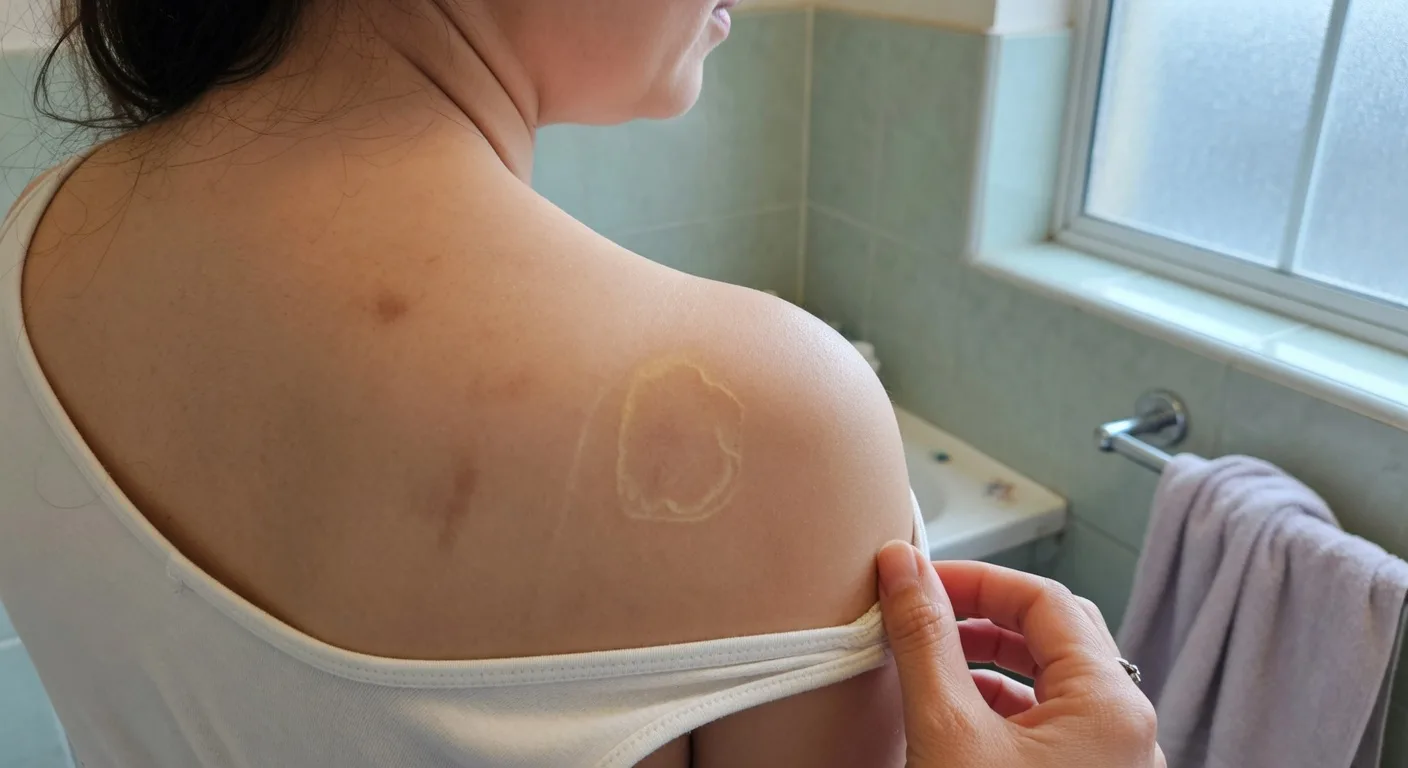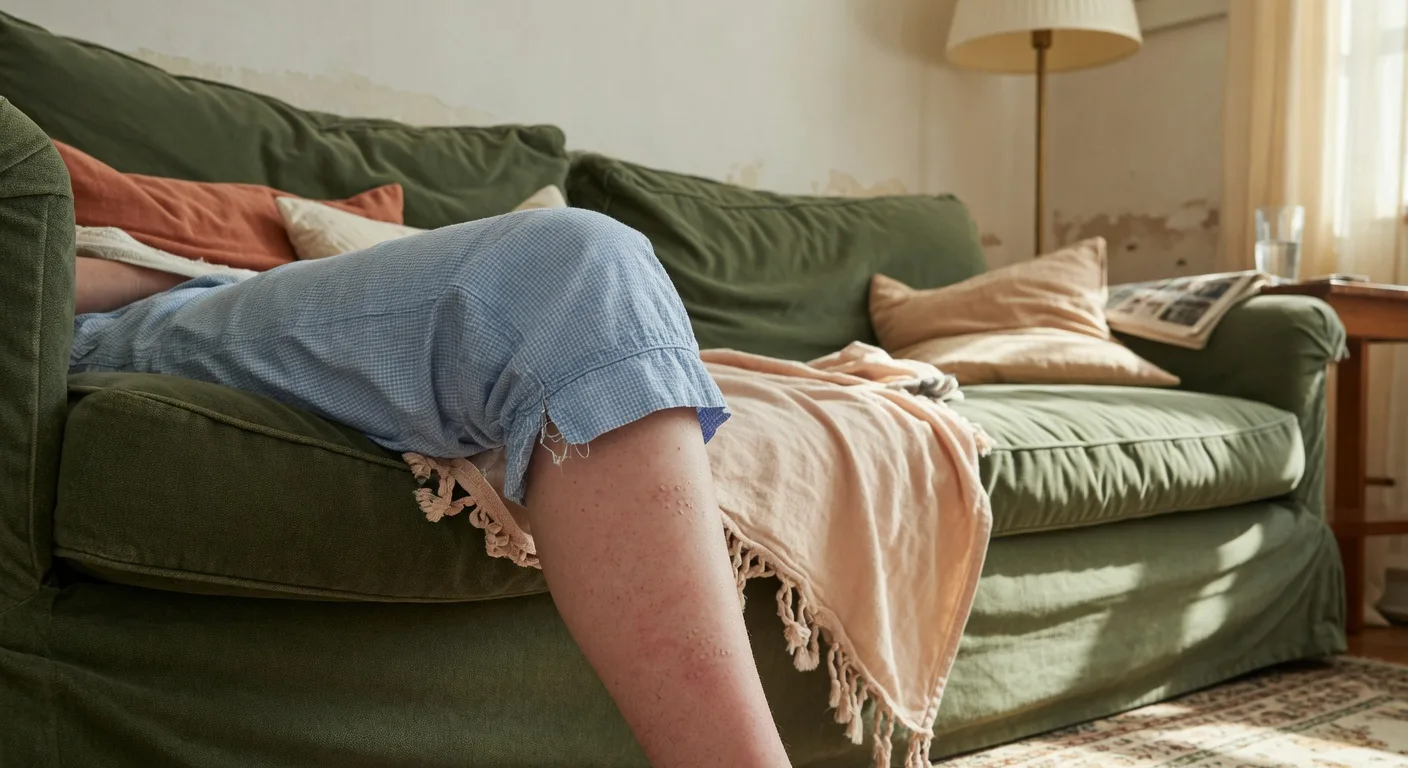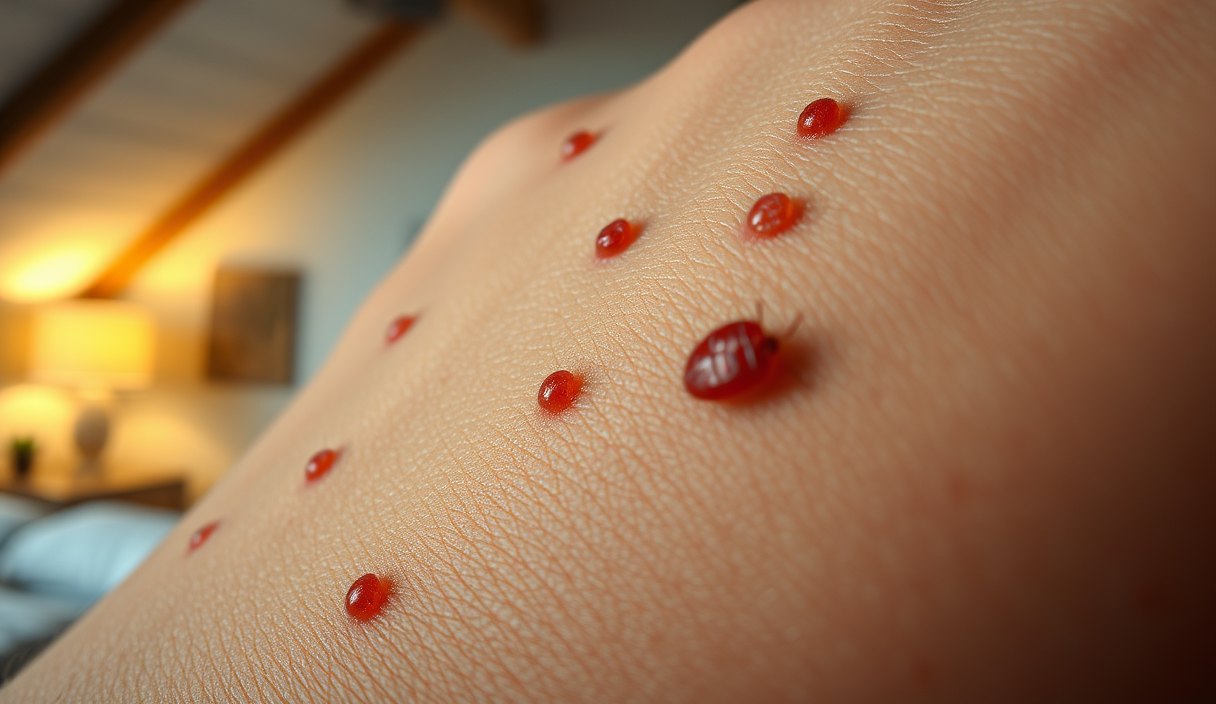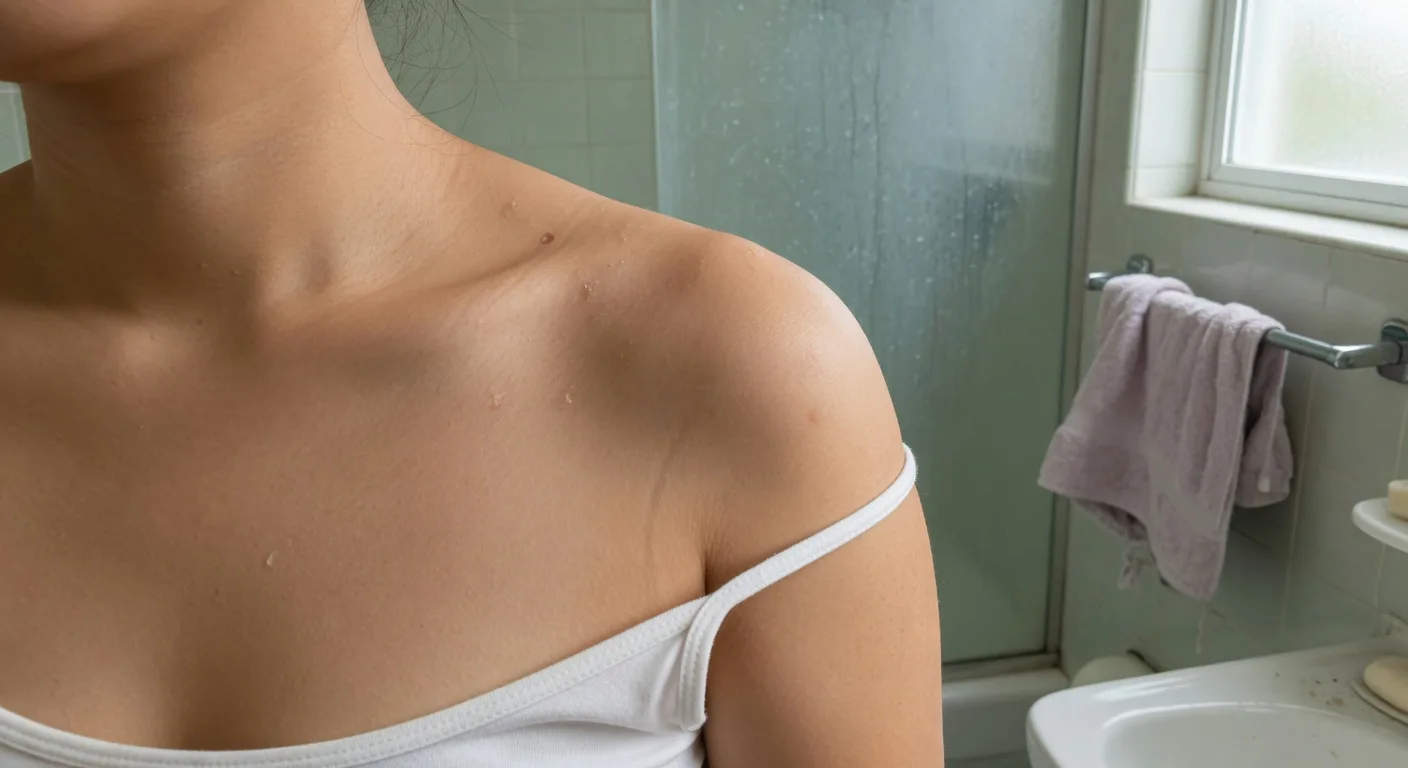
When a baby gets bitten by bed bugs, one of the first concerns parents have is how long those red marks will last. The duration of bed bug bites on infants depends on several factors including the baby’s individual immune response, the number of bites, and whether scratching leads to secondary infections. In most cases, bed bug bites on babies resolve within 1 to 2 weeks, though some reactions may linger longer. This article provides a detailed, evidence-based breakdown of bite duration, healing timelines, signs to watch for, and when to seek medical care.
Typical healing timeline for bed bug bites on babies
bed bug bites generally heal without specific treatment. On babies, the timeline can be broken into distinct phases:
- First 24–48 hours: Red welts or raised bumps appear, often in clusters or lines. Itching may be intense.
- Days 3–5: Swelling peaks in most cases. The bites may become more pronounced or develop a small blister at the center.
- Days 6–10: Redness begins to fade. Itching usually decreases unless the area is scratched repeatedly.
- Days 10–14: Most bites are fully healed, leaving no trace. Some babies may have faint post-inflammatory hyperpigmentation (darker spots) that fades over several weeks.
Delayed healing beyond two weeks often indicates scratching has broken the skin, leading to secondary bacterial infection. In rare cases, a baby may have a stronger allergic reaction that extends the healing period.
Why baby skin reacts differently than adult skin
Infant skin is thinner, more sensitive, and has a less mature immune system compared to adult bed bugs. This means bed bug bites on babies often appear more dramatic — larger welts, more redness, and sometimes a more pronounced blister. However, this does not necessarily mean the bites take longer to heal. The primary difference is visual intensity during the first few days. Parents frequently mistake these strong reactions for spider bites or allergic rashes, but the healing timeline remains similar.
Factors that influence healing speed
- Immune sensitivity: Some babies produce a stronger histamine response, causing larger welts that take longer to flatten.
- Number of bites: Multiple bites in one area can merge into larger patches, extending healing time by 2–4 days.
- Scratching: Babies cannot control scratching. Broken skin invites bacteria and prolongs healing significantly.
- Location: Bites on the face, neck, or folds of skin may heal slower due to constant movement and moisture.
- Secondary infection: If a bite becomes infected with staph or strep bacteria, healing can take 2–3 weeks or longer without antibiotics.
Distinguishing bed bug bites from other baby skin conditions
It is common to confuse bed bug bites with other rashes. Accurate identification helps parents avoid unnecessary treatments. Below is a comparison of common lookalikes:
| Appearance | Location on baby | Typical duration | |
|---|---|---|---|
| bed bug bites | Red welts, often in lines or clusters, raised, itchy | Exposed skin: arms, legs, face, neck | 1–2 weeks |
| Mosquito bites | Individual raised bumps, sometimes with a central dot | Any exposed area | 3–7 days |
| Heat rash | Tiny red bumps or blisters, not itchy usually | Neck, chest, diaper area, skin folds | 2–3 days with cooling |
| Eczema | Dry, scaly patches, red, may ooze | Face, elbows, knees, scalp | Chronic, flares last days to weeks |
| Hives (allergic reaction) | Smooth, raised welts that change shape quickly | Anywhere, often widespread | Hours to 2 days |
| Scabies | Tiny burrows, intense itching, especially at night | Between fingers, wrists, armpits, groin | Persists until treated |
One key difference: bed bug bites often appear in a straight line or zigzag pattern because the bug feeds multiple times along a blood vessel. Mosquito bites are random and singular. Scabies burrows are thread-like and not raised welts.
When bed bug bites on babies last longer than normal
If bed bug bites persist beyond two weeks without improvement, one of these scenarios is likely:
- Re-infestation: The baby is being bitten repeatedly because the home still has bed bugs. New bites appear alongside healing ones, making it seem like the original bites never heal.
- Secondary infection (impetigo): Scratching introduces bacteria. Signs include oozing yellow crust, increasing redness, warmth, or swelling. This requires medical attention.
- Excoriation disorder: In rare cases, a baby may scratch so persistently that the skin cannot repair itself. This is more common in older infants who can reach the bites.
- Allergic reaction: Some babies develop a delayed hypersensitivity that causes bites to remain visible for 3–4 weeks. This is not dangerous but can be uncomfortable.
Signs of infection requiring a doctor
- Pus or yellow/green drainage
- Red streaks spreading from the bite
- Fever over 100.4°F (38°C)
- Bite area feels hot to the touch
- Baby seems unusually fussy or lethargic
Safe home care to speed healing
Most bed bug bites heal on their own, but you can help your baby feel better and reduce the risk of complications:
- Keep nails short: Trim your baby’s fingernails and file them smooth to minimize damage from scratching.
- Cool compresses: Apply a clean, cool, damp cloth to the bites for 5–10 minutes several times a day. This reduces itching and swelling.
- Dress in soft cotton: Avoid rough or synthetic fabrics that irritate the skin. Loose clothing prevents friction.
- Use fragrance-free moisturizer: A gentle, hypoallergenic cream can soothe dry skin around bites.
- Oral antihistamines: For babies over 6 months, your pediatrician may recommend a dose of cetirizine or diphenhydramine to control itching. Never give medication without consulting a doctor first.
- Topical hydrocortisone: A very low-strength (0.5% or 1%) hydrocortisone cream can be applied sparingly to individual bites for 2–3 days. Do not use on broken skin or for more than 5 days without medical advice.
What not to do
- Do not use essential oils, baking soda pastes, or undiluted vinegar on baby skin. These can cause burns or allergic reactions.
- Do not apply heat directly to bites — this worsens inflammation.
- Do not cover bites with bandages unless they are bleeding, as moisture can promote infection.
How to confirm bed bugs are the cause
Bite appearance alone is not reliable for diagnosis. The only way to confirm bed bugs is to find physical evidence of the insects. Look for these signs in your baby’s sleeping area:
- Live bugs: adult bed bugs are reddish-brown, flat, about the size of an apple seed. They hide in mattress seams, box springs, bed frames, and baseboards.
- Fecal spots: Small dark brown or black dots on sheets, mattress tags, or walls. They resemble ink spots and smear when wiped.
- Shed skins: Translucent, empty exoskeletons from nymphs molting.
- Eggs: Pearl-white, about 1 mm long, often glued in crevices. They do not brush off easily and require scraping to remove.
If you suspect bed bugs, inspect the crib or bassinet thoroughly. Remove all bedding and check seams, corners, and the underside of the mattress. A flashlight and a credit card (to scrape crevices) help with detection. If you find evidence, professional pest control is recommended. Do not rely on over-the-counter foggers, which are ineffective and can be harmful to infants.
Preventing future bites and re-infestation
Once bed bugs are confirmed, protecting your baby requires eliminating the infestation. Here are practical steps:
- Encase the mattress: Use a bed bug-proof encasement on the crib mattress and any adult mattresses. This traps existing bugs and prevents new ones from hiding.
- Heat treatment: Wash all bedding, clothing, and soft toys in hot water (at least 120°F / 49°C) and dry on high heat for 45–60 minutes. The dryer is critical — sustained heat above 120°F kills all life stages, including eggs. Washing alone may not dislodge cemented eggs.
- Isolate the crib: Move the crib away from walls and other furniture. Use interceptor traps under the legs to catch climbing bugs.
- Declutter: Remove cardboard boxes, stacks of paper, and fabric items from the nursery. Bed bugs hide in clutter.
- Vacuum daily: Vacuum the crib area, baseboards, and carpet. Empty the vacuum canister into a sealed bag and dispose outdoors.
- Professional treatment: For moderate to heavy infestations, hire a licensed pest control operator. Heat treatment or targeted insecticide application is safest for families with infants.
Frequently asked questions about bed bug bites on babies
Can bed bug bites cause long-term health problems in babies?
No. bed bug bites themselves do not transmit disease. The main risks are secondary infection from scratching and sleep disruption due to itching. Once the infestation is resolved and bites heal, there are no lasting health effects.
How can I tell if my baby is being bitten at night?
Check for bites in the morning that were not present the night before. Bed bugs are nocturnal and feed while the baby sleeps. If you notice new bites appearing daily, it strongly suggests an active infestation. Also look for tiny blood spots on the crib sheet from crushed bugs.
Should I use bug spray on my baby to prevent bites?
No. DEET-based repellents are not recommended for infants under 2 months, and even then, use is limited. The safest approach is to eliminate bed bugs from the environment rather than applying repellents to the baby’s skin. Physical barriers like mattress encasements and interceptors are more effective and risk-free.
Do bed bug bites leave scars on babies?
Rarely. Most bites heal without scarring. However, if a baby scratches deeply and the wound becomes infected, a small scar may form. Keeping nails short and treating itching promptly prevents this. Post-inflammatory hyperpigmentation (dark spots) can last several weeks but is not a true scar and fades on its own.
Can I treat bed bug bites with breast milk?
There is no scientific evidence that breast milk heals insect bites. While breast milk has antibacterial properties, it is not a proven treatment for bed bug bites. Stick to cool compresses and pediatrician-approved topical treatments for reliable relief.
How long until bed bug bites stop appearing after treatment?
After professional treatment, it can take 1–2 weeks for all bed bugs to die. During this time, some new bites may still occur. If new bites continue beyond 3 weeks, the treatment may not have been fully effective, and a follow-up inspection is needed.
Next steps for parents
If your baby has bed bug bites, focus on two priorities: soothing the itching and eliminating the infestation. Most bites heal within two weeks with simple home care. Monitor for signs of infection, and do not hesitate to contact your pediatrician if you are unsure about the appearance of the bites or if your baby seems uncomfortable. For the infestation, act quickly — bed bugs reproduce rapidly, and early intervention makes eradication much easier. A combination of thorough cleaning, heat treatment, and professional pest control is the most reliable path to a bite-free home.
Related guides — different questions
These articles cover overlapping topics but answer different questions. Pick the one that matches your situation.
- What do bed bug bites look like on babies skin
Read if: You need a visual ID checklist for a new rash on your infant.
- Bed Bug Bites on Baby Skin: Recognizing Signs and Patterns
Read if: You want to understand whether bites appear in rows or clusters overnight.
Frequently Asked Questions
How do I identify bed bug bites vs other insect bites?
Bed bug bites often appear in a line or cluster, are intensely itchy, and may take a few days to show. Unlike flea bites, which are mainly around the ankles, bed bugs can occur on any exposed skin.
Common signs include small red bumps, possible swelling, and a central puncture mark. If you suspect bed bugs, capture a specimen or photograph bites and contact a pest professional for confirmation.
How can I reduce bed bug bites while sleeping?
To reduce the chance of bed bug bites while sleeping, use a protective mattress and box-spring encasements labeled for bed bugs, remove clutter near the bed, and avoid placing clothing or bags on beds or upholstered furniture. These steps can limit harborage and make inspections easier.
What are the typical signs of bed bug bites on skin?
Bites often appear as small, red, itchy welts in a line or cluster. Reactions vary, so confirm with physical signs of bed bugs and professional guidance.
How can I reduce bed bug bites while I sleep?
Reducing bites during sleep focuses on limiting contact and creating barriers, not on eliminating the population.
- Use a certified bed bug-proof mattress and box spring encasements.
- Move your bed away from walls and remove clutter near the bed.
- Wear long sleepwear and use extra layers to limit exposed skin.
These methods may lessen bites but should complement, not replace, professional treatment.