If you are dealing with a bed bug infestation, you have likely come across home remedy suggestions involving baking soda. While baking soda is a common household item, its effectiveness against bed bugs is limited and often misunderstood. This article explains exactly what baking soda can and cannot do, provides realistic application methods, and outlines when professional pest control is necessary. You will learn the science behind the claims, the proper way to use baking soda as a supplementary tool, and why it should never be your sole treatment strategy.
Does baking soda actually kill bed bugs?
Baking soda (sodium bicarbonate) is not a registered pesticide and has no proven insecticidal properties against bed bugs. The theory behind its use is that the fine powder might dehydrate bed bugs by absorbing the waxy protective layer on their exoskeleton, similar to how diatomaceous earth works. However, baking soda is far less abrasive and does not effectively damage the cuticle of bed bugs. Laboratory tests and field experience consistently show that baking soda does not reliably kill bed bugs, especially when compared to professional-grade desiccants or heat treatment.
In practice, bed bugs can simply walk over a light dusting of baking soda without harm. The powder does not cling to their bodies well, and they avoid heavy accumulations. Even if some contact occurs, the dehydration effect is too slow and inconsistent to eliminate an infestation. Relying on baking soda alone will allow the population to continue growing.
When baking soda might offer limited help
Despite its lack of direct killing power, baking soda can play a minor supporting role in a comprehensive treatment plan. Its primary value lies in its absorbent and odor-neutralizing properties, not as a lethal agent.
As a moisture absorber in hiding spots
Bed bugs prefer humid environments. Sprinkling a thin layer of baking soda in cracks, behind baseboards, and under furniture can reduce localized humidity. Lower humidity may slightly stress bed bugs and slow their development, but this effect is marginal and will not eliminate an infestation. The powder must remain dry to work, which is difficult in many indoor settings.
As a temporary barrier
Some pest control technicians use baking soda as a physical barrier to monitor bed bug movement. A fine line of powder around bed legs or along walls can reveal footprints or trails if bugs cross it. This is a detection aid, not a treatment. It can help you identify active pathways, but it will not stop bed bugs from reaching you.
Odor control during cleanup
After removing visible bed bugs and eggs, baking soda can help absorb musty odors left behind by bed bug pheromones and droppings. Sprinkle it on mattresses, upholstery, or carpets, let it sit for several hours, then vacuum thoroughly. This is purely for smell, not for killing bugs.
How to apply baking soda for bed bug treatment
If you choose to use baking soda as a supplementary measure, follow these steps carefully. Remember that this is not a standalone solution.
- Finding multiple blood spots or fecal stains on bedding
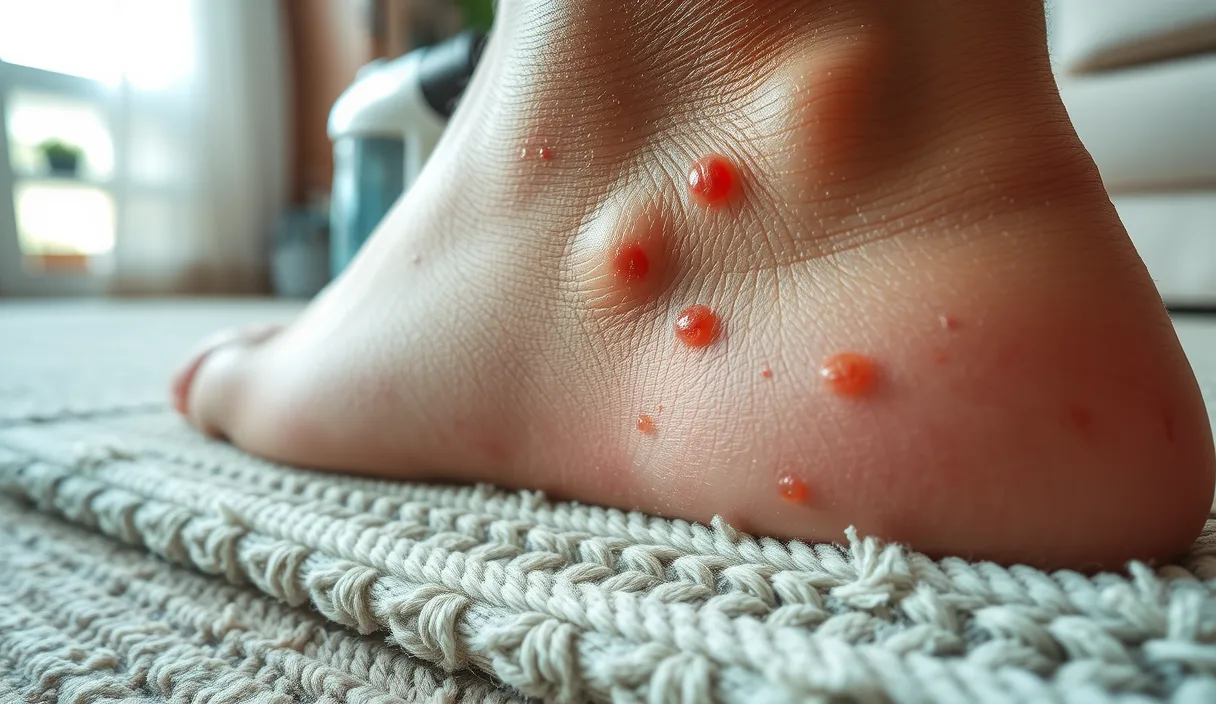
- Experiencing bites on multiple family members
- Noticing a sweet, musty odor in the room
- Having tried DIY methods for more than two weeks without improvement
A professional will use a combination of heat treatment, steam, targeted insecticides, and monitoring devices. They can also inspect adjoining rooms to prevent spread.
Frequently asked questions about baking soda and bed bugs
Can I mix baking soda with other ingredients to make it more effective?
No. Mixing baking soda with sugar, salt, or essential oils does not improve its killing power. Sugar may attract ants or cockroaches but not bed bugs. Essential oils are not registered pesticides and can cause skin irritation. Stick to proven methods.
Will baking soda prevent bed bugs from biting me?
No. Bed bugs are attracted to body heat and carbon dioxide, not repelled by baking soda. Sprinkling it on your mattress will not stop bites. Use a bed bug-proof encasement on your mattress and box spring instead.
How long should I leave baking soda on my mattress?
For odor absorption, leave it for several hours, then vacuum thoroughly. For attempted bug control, leave it for 48 hours, then vacuum. Do not sleep on a mattress covered in baking soda—it can cause skin and respiratory irritation.
Is baking soda safe for pets?
In small amounts, baking soda is generally safe for dogs and cats. However, large ingestions can cause electrolyte imbalances or stomach upset. Keep pets away from treated areas until you vacuum. If your pet ingests a large quantity, contact your veterinarian.
Can I use baking soda in my washing machine to kill bed bugs?
No. Adding baking soda to laundry does not kill bed bugs or eggs. The mechanical action of washing may remove some bugs, but cemented eggs will survive. The only reliable way to kill bed bugs in laundry is to dry items on high heat for at least 45–60 minutes after washing.
Does baking soda work better than diatomaceous earth?
No. Diatomaceous earth is more abrasive and effective as a desiccant, but it is still slow and does not kill eggs. Both are inferior to heat, steam, or professional insecticides. If you choose a desiccant, use food-grade diatomaceous earth with caution and a dust mask.
Your next practical steps
Baking soda is not a bed bug killer. It can serve as a minor tool for moisture control, odor absorption, or tracking, but it will not eliminate an infestation. Your best course of action is to combine thorough cleaning, heat treatment of bedding and clothing, and professional pest control if the problem persists. Start by inspecting your home carefully, wash and dry all fabrics on high heat, and encase your mattress and box spring. If you see live bugs after two weeks of these measures, call a licensed exterminator immediately. Do not waste time on ineffective home remedies—act decisively to protect your home and health.
Frequently Asked Questions
What should I do before a professional heat treatment?
Preparation is key to effective heat treatment. Remove or securely bag items that could be damaged by heat, and follow all instructions provided by your pest control company.
Typical steps include decluttering, washing and drying fabrics on high heat, and keeping treated areas accessible. Do not apply DIY pesticides before heat treatment, as they can be dangerous and reduce effectiveness.
How do I prepare for a professional bed bug treatment?
Follow these steps to help a pest professional be effective and safe.
- Wash and dry infested clothing and linens on the hottest settings allowed.
- Declutter floors and surfaces to reduce hiding spots.
- Seal items you cannot treat in labeled plastic bags until they can be inspected or treated.
Discuss any health concerns or special needs with your pest control provider before treatment.
How can I confirm bed bugs are gone after treatment?
Use a combination of monitoring methods over several weeks.
- Place interceptors on bed legs and check for trapped insects.
- Inspect common hiding spots with a flashlight and magnifier if available.
- Look for new cast skins, tiny dark spots (fecal stains), or live bugs.
Continue monitoring and follow up with your pest professional if signs return.
How long does professional heat treatment take?
Professional heat treatments for bed bugs usually require several hours to raise room temperatures to levels that affect all life stages. You should plan for limited access during the service and follow any pre- and post-treatment guidance provided by the pest management professional.